
Iran
Intro
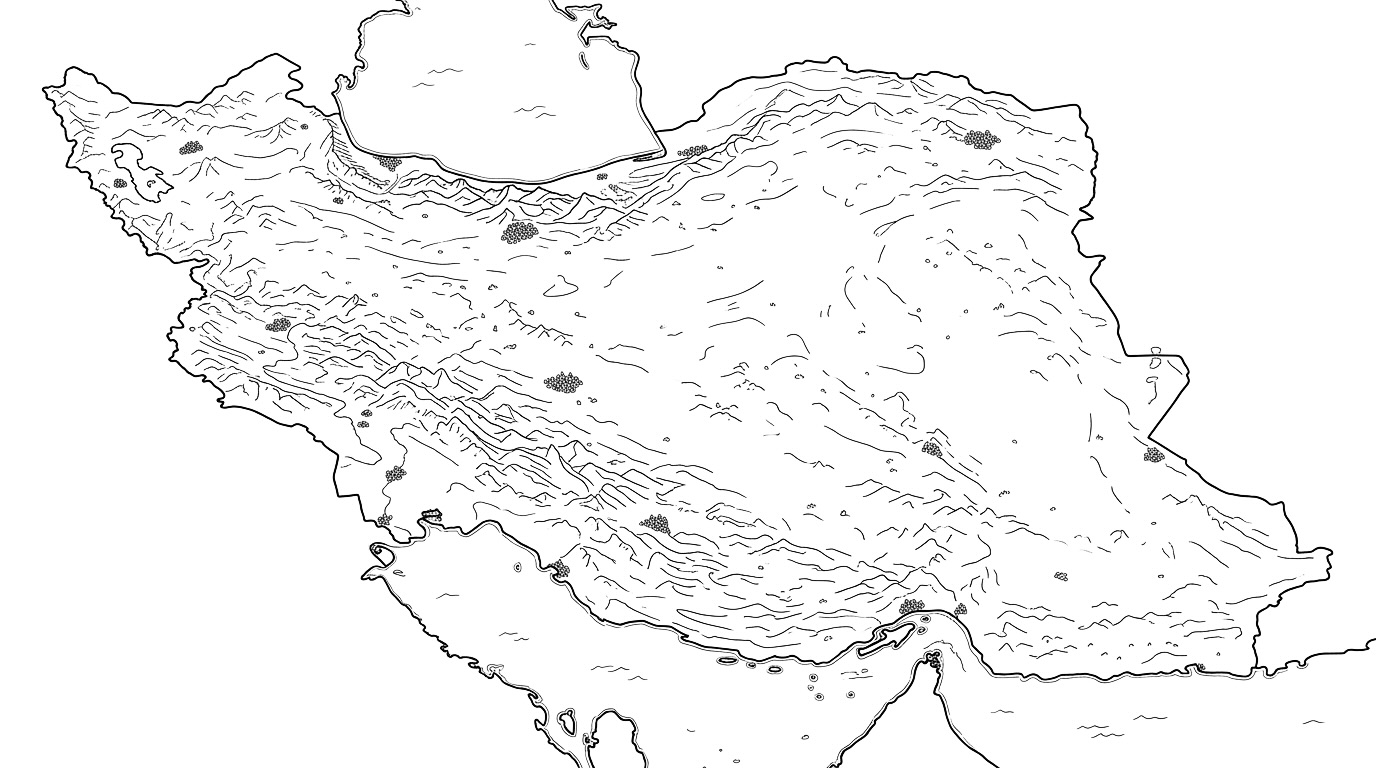
Situated between the Persian Gulf and Central Asia, Iran’s geography affords both opportunity and encirclement risk. Its foreign policy blends revolutionary ideology with pragmatic survival. Economy and energy policy remain constrained by Western sanctions yet adaptable through barter, gray networks, and Asian partnerships.
Background
The 1979 Revolution ended monarchical rule and established a Shia theocracy. Decades of sanctions spurred self-sufficiency in defense and industry. The nuclear issue dominates diplomacy; withdrawal of the U.S. from the JCPOA in 2018 reignited confrontation and currency collapse. Iran diversified ties toward China, Russia, and non-Western economies. Domestic politics remain tightly managed under clerical oversight, yet social tension and generational divides deepen.
History
- 1979: Islamic Revolution – 1980-1988: Iran-Iraq War – 2002: Nuclear program exposed; sanctions escalate – 2015: JCPOA signed; sanctions relief – 2018-2025: U.S. withdrawal, renewed sanctions, realignment with East
Present Day
Iran advances 60% uranium enrichment, strengthens defense cooperation with Russia, and extends maritime reach into the Red Sea. The economy stabilizes under oil revenues to Asia. Protests subside amid selective concessions and intensified surveillance.
Future Outlook
Medium-term stability likely through coercive governance and diversified external ties. Nuclear diplomacy may oscillate, but internal consolidation ensures regime continuity. Long-term: demographic slowdown, water scarcity, and technological isolation pose structural challenges. A managed transition post-Khamenei will define future legitimacy.
Map
Persons

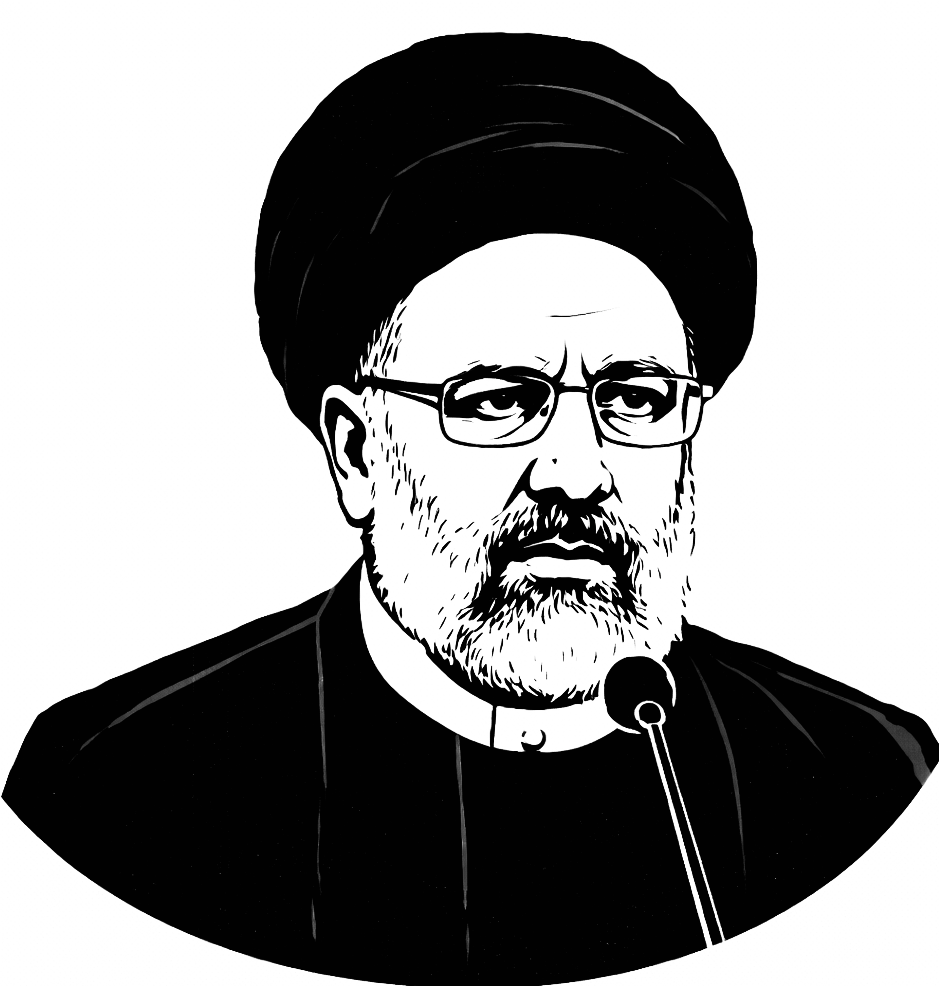
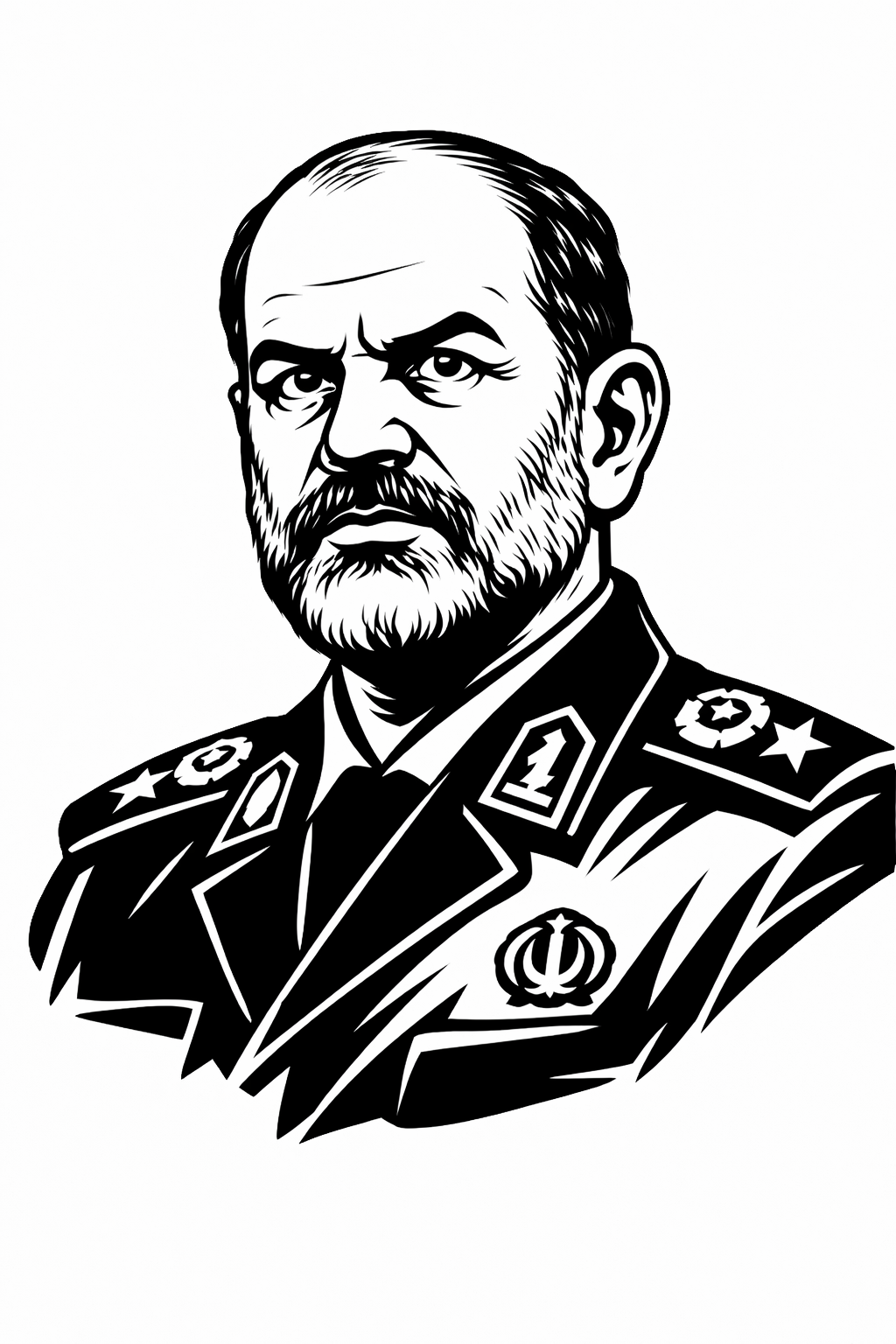
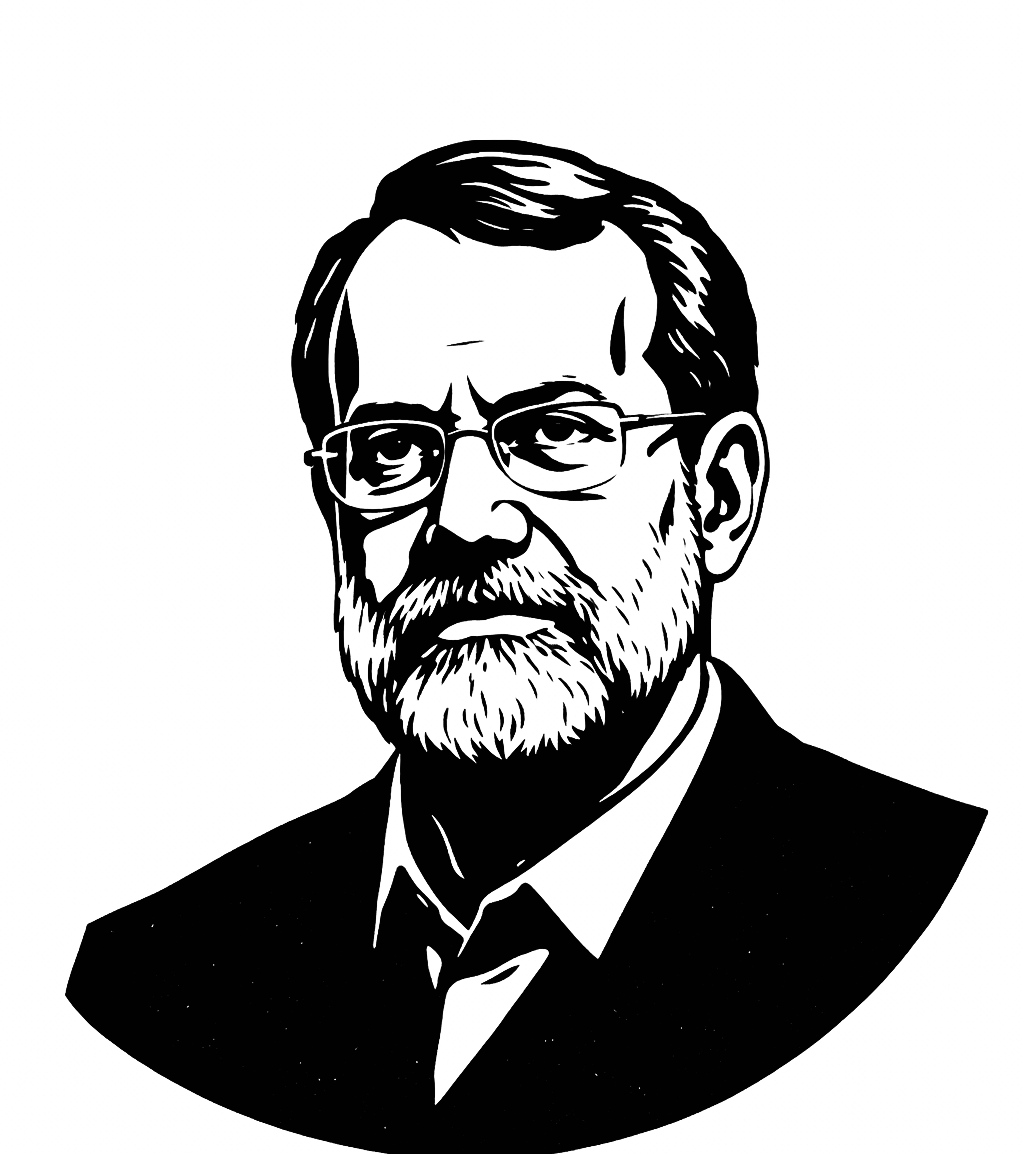
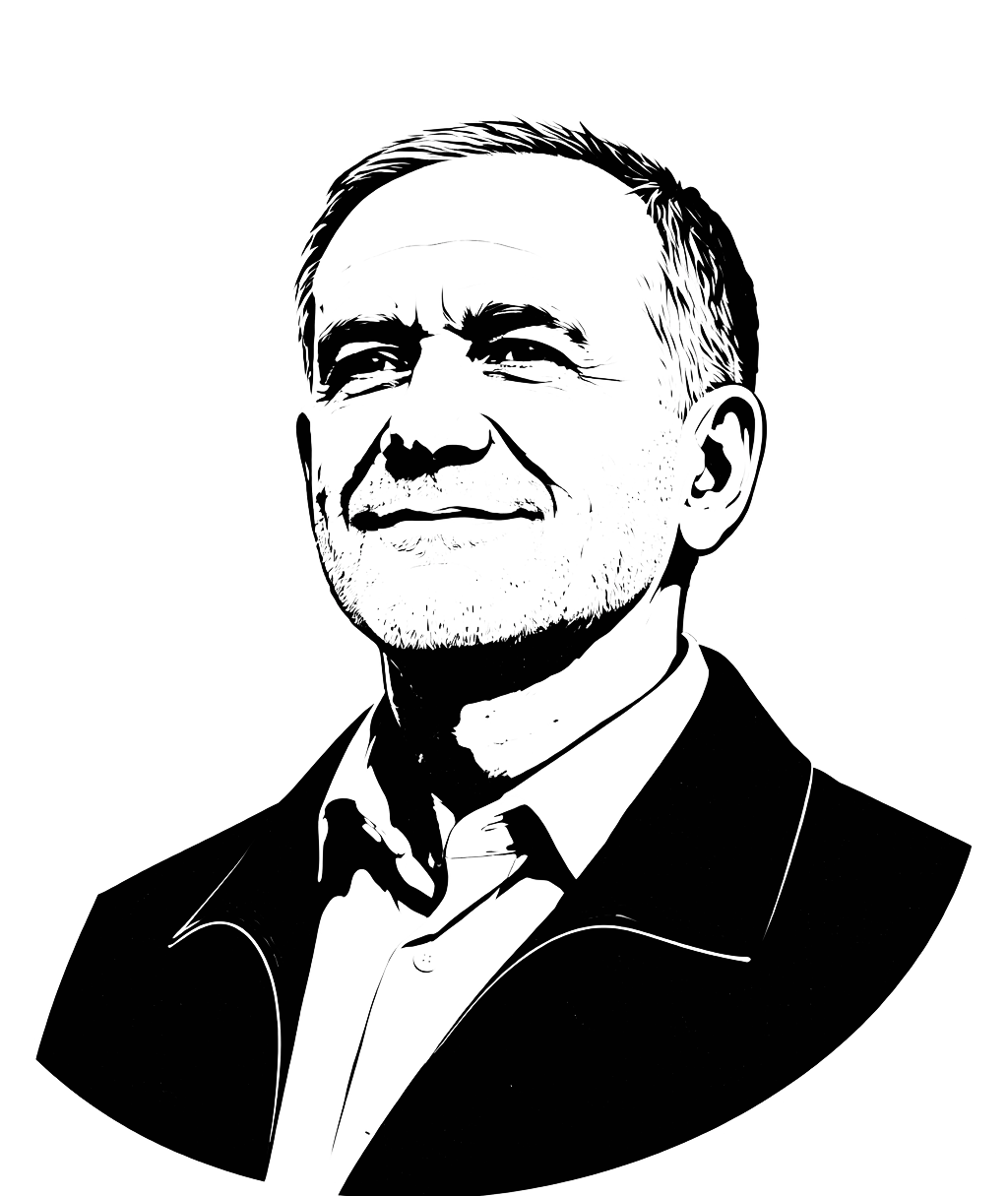
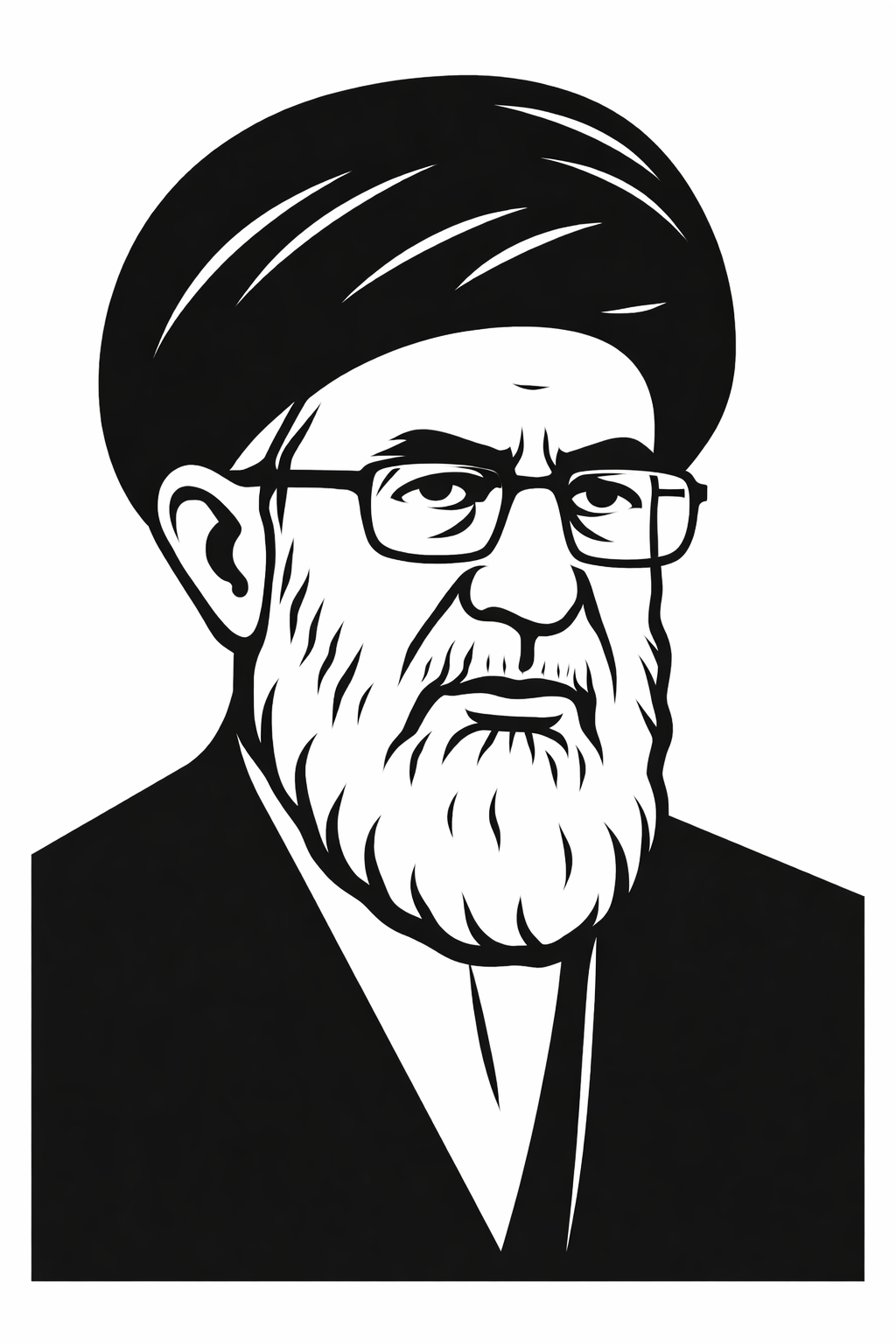
Iran
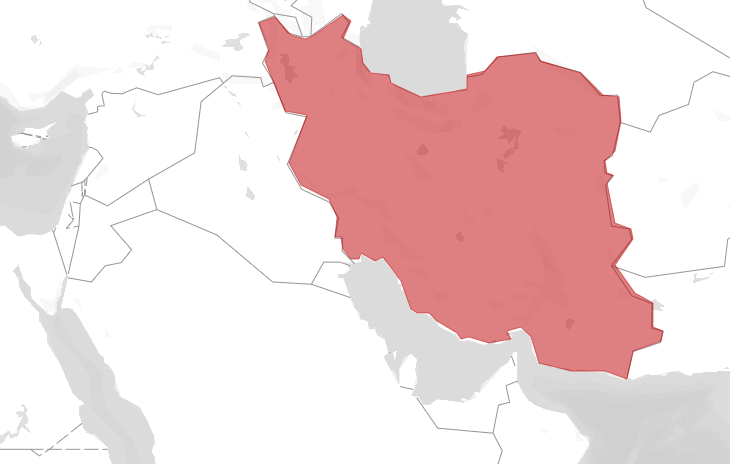
Locations
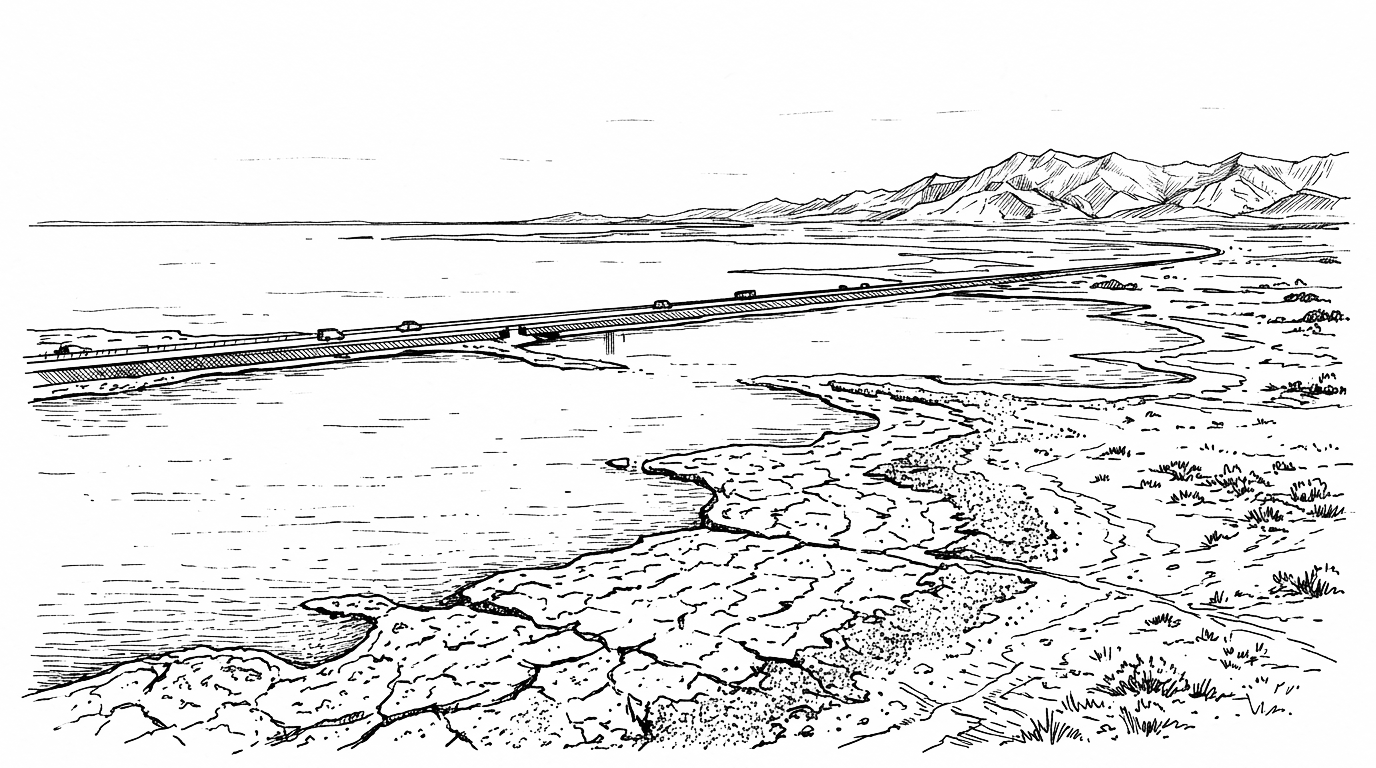
Lake Urmia
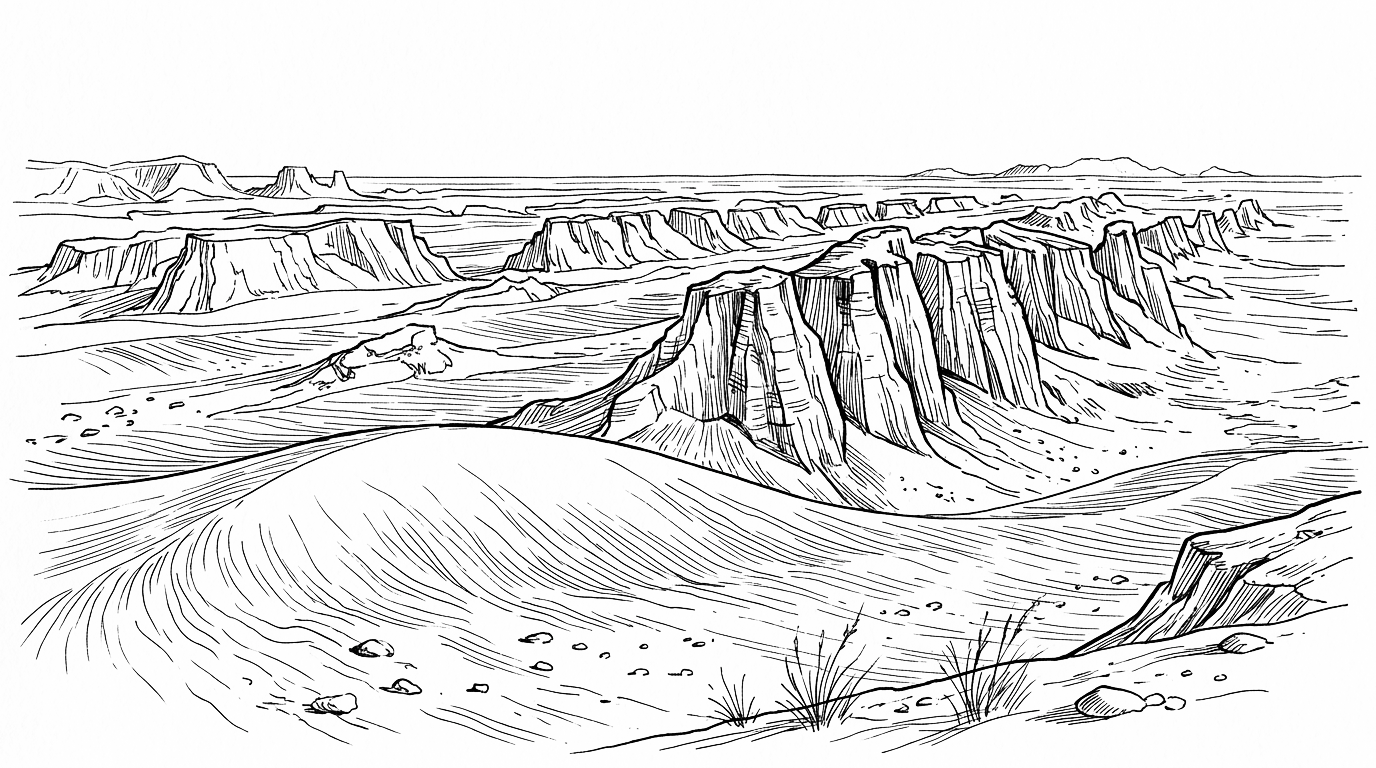
Lut Desert
Mahshahr
natanz
Persian Plateau
Tartus
western-iran
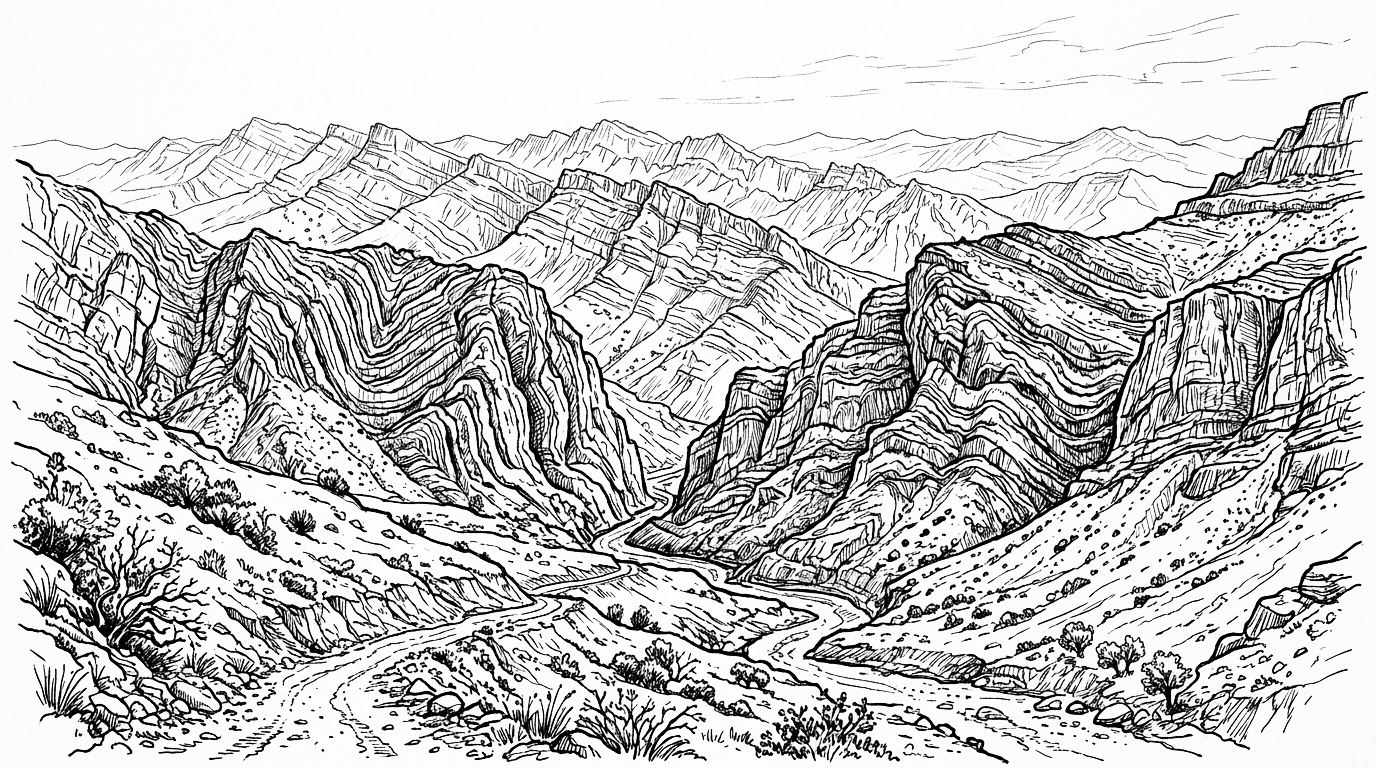
Zagros Mountains
Points of Interest
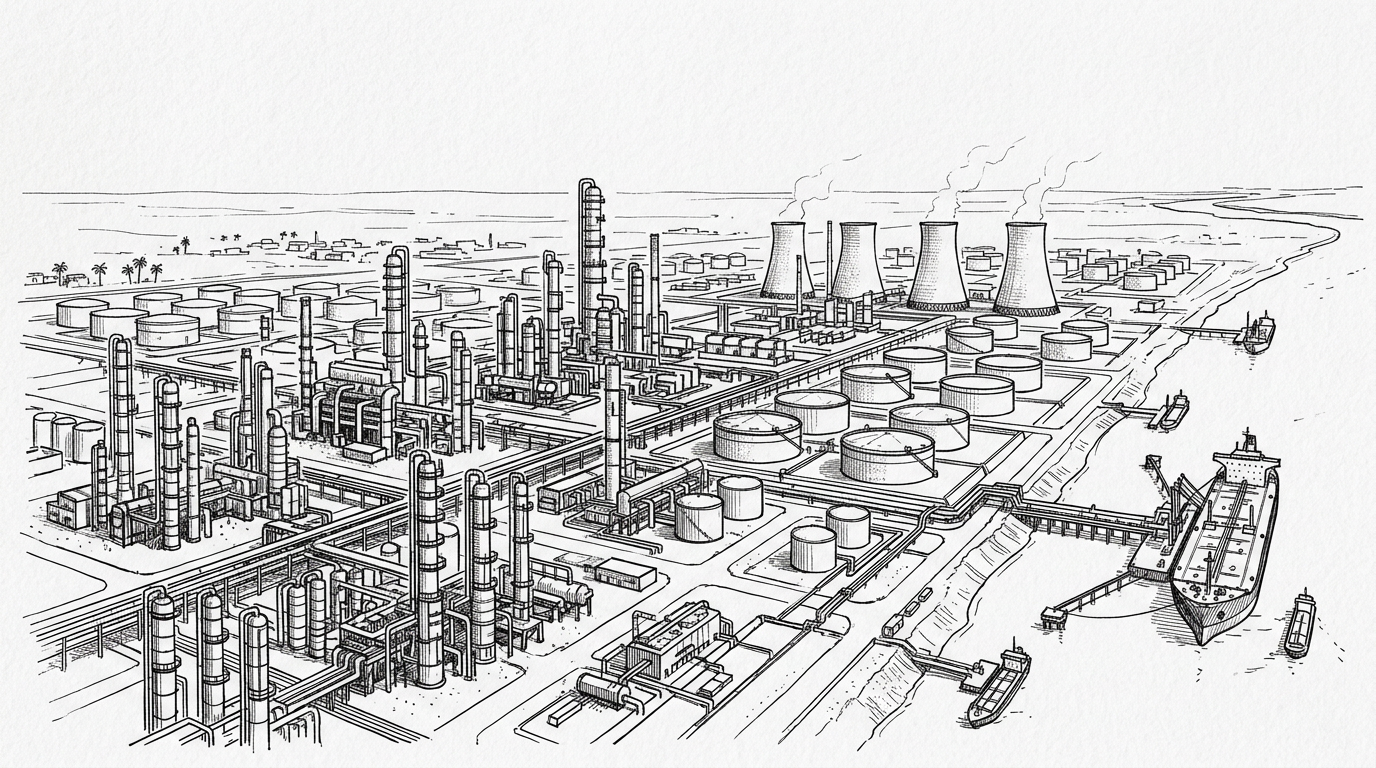
Articles

Why Iran Is Running Out of Water
Iran’s water crisis is driven by groundwater depletion, inefficient agriculture, and climate stress.

Iran’s Retaliation in Cold War Mode
How Tehran could turn confrontation in the Gulf into a strategic cost trap.
Event Timeline
Israeli Strikes in Tehran Killing Larijani
On the night of 16-17 March 2026, Israeli airstrikes in the Tehran area killed Ali Larijani (Secretary of the Supreme National Security Council and de facto leader) and Gholamreza Soleimani (commander of Iran’s internal Basij militia).

Nationalisation of Iranian Oil and the Mossadegh Crisis
From 1951 to 1953, Iran nationalized its oil industry under Prime Minister Mossadegh, leading to an international crisis and the eventual 1953 coup.

Iran Hostage Crisis
In 1979, Iranian students seized the U.S. Embassy in Tehran, holding 52 Americans hostage for 444 days and transforming U.S.-Iran relations.


Iranian Revolution
In 1979, a mass movement removed the Pahlavi monarchy and established the Islamic Republic, redefining Iran’s political and ideological system.

Reform Movement and the Khatami Presidency
From 1997 to 2005, Iran experienced a reform era focused on civic openness, political participation, and institutional debate.

The Green Movement
In 2009, large-scale protests challenged the presidential election outcome, marking one of the most significant political mobilizations since 1979.
Collapse of the Safavid Order and Afghan Conquest of Isfahan
In 1722, Afghan forces from Kandahar captured Isfahan, ending effective Safavid rule and opening a prolonged phase of political fragmentation across Iran.


