
Zagros Mountains
Intro
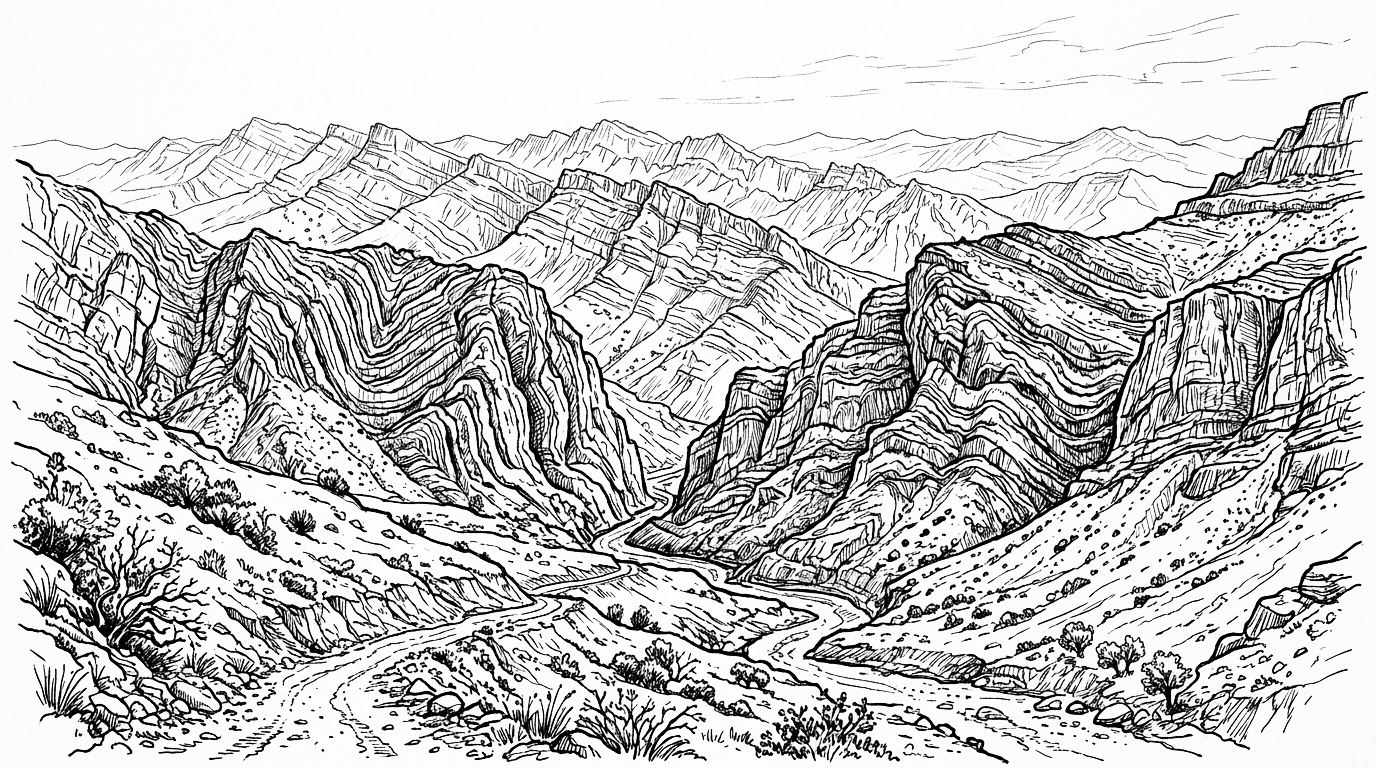
The Zagros Mountains form the largest mountain range in Iran, stretching over 1,500 kilometres from the border with Turkey and Iraq southeastward to the Strait of Hormuz. They divide Iran’s western border regions from the central plateau and contain rich oil and gas deposits in their fold structures.
Background
History
The Zagros Mountains have been inhabited since the Paleolithic period. The hills and valleys of the Zagros were home to some of the earliest agricultural communities in the world – the Fertile Crescent’s eastern arm – where wild ancestors of wheat, barley, lentils, and domesticated sheep and goats were first cultivated and bred around ten thousand years ago. The Zagros was the homeland of the Medes, the first Iranian people to establish a major empire, who descended from the mountains to overthrow the Assyrian Empire in 612 BC. The Bisotun inscription of Darius the Great, carved into a Zagros cliff face, is one of the most important historical documents of the ancient world. The Bakhtiari, Lur, Qashqai, and Kurdish tribal confederations have inhabited the Zagros for centuries, following seasonal migration routes between mountain summer pastures and lowland winter grounds.
Present Day
The Zagros today forms Iran’s most important natural boundary to the west and contains the country’s richest oil and gas deposits in its folded anticline structures. The mountain range’s rivers, particularly the Karun, Dez, and Karkheh, feed the agricultural economy of Khuzestan and supply Iran’s largest hydroelectric dams. The Zagros’s Kurdish, Lur, and Bakhtiari populations maintain distinct ethnic and tribal identities that create periodic tension with the centralised Iranian state. The forests of the central Zagros, dominated by oak, are among the most threatened ecosystems in Iran due to illegal logging, charcoal production, and climate-driven drought.
Future Outlook
Map
Articles

Why Iran Is Running Out of Water
Iran’s water crisis is driven by groundwater depletion, inefficient agriculture, and climate stress.

Iran’s Retaliation in Cold War Mode
How Tehran could turn confrontation in the Gulf into a strategic cost trap.
Event Timeline
Israeli Strikes in Tehran Killing Larijani
On the night of 16-17 March 2026, Israeli airstrikes in the Tehran area killed Ali Larijani (Secretary of the Supreme National Security Council and de facto leader) and Gholamreza Soleimani (commander of Iran’s internal Basij militia).

Nationalisation of Iranian Oil and the Mossadegh Crisis
From 1951 to 1953, Iran nationalized its oil industry under Prime Minister Mossadegh, leading to an international crisis and the eventual 1953 coup.

Iran Hostage Crisis
In 1979, Iranian students seized the U.S. Embassy in Tehran, holding 52 Americans hostage for 444 days and transforming U.S.-Iran relations.


Iranian Revolution
In 1979, a mass movement removed the Pahlavi monarchy and established the Islamic Republic, redefining Iran’s political and ideological system.

Reform Movement and the Khatami Presidency
From 1997 to 2005, Iran experienced a reform era focused on civic openness, political participation, and institutional debate.

The Green Movement
In 2009, large-scale protests challenged the presidential election outcome, marking one of the most significant political mobilizations since 1979.
Collapse of the Safavid Order and Afghan Conquest of Isfahan
In 1722, Afghan forces from Kandahar captured Isfahan, ending effective Safavid rule and opening a prolonged phase of political fragmentation across Iran.


