
Bosnia and Herzegovina
Intro
The country’s tripartite power-sharing model reflects the legacy of the 1992-1995 war. Bosnia is supervised by an international High Representative and aspires to EU and NATO membership. Economic growth is modest and heavily dependent on remittances.
Background
The Dayton Peace Agreement (1995) ended one of Europe’s bloodiest post-Cold War conflicts. Ethnic division persists through parallel institutions in the Federation and Republika Srpska. EU integration is gradual, constrained by governance reform and external influence from Serbia and Russia.
History
- 1992: Independence and start of Bosnian War – 1995: Dayton Peace Agreement establishes federal structure – 2004: NATO-led stabilization mission replaced by EUFOR – 2022: EU candidate status granted – 2020s: Ongoing reform and national unity efforts
Present Day
In 2025, Bosnia navigates between stagnation and gradual EU reform under renewed regional mediation. Security remains stable but fragile under external pressure from Russia and local nationalist movements.
Future Outlook
Progress toward EU integration depends on constitutional reform and centralized governance. Sustained international oversight remains necessary for stability.
Map
Topics
Persons

Masoud Pezeshkian

Hugo Chávez
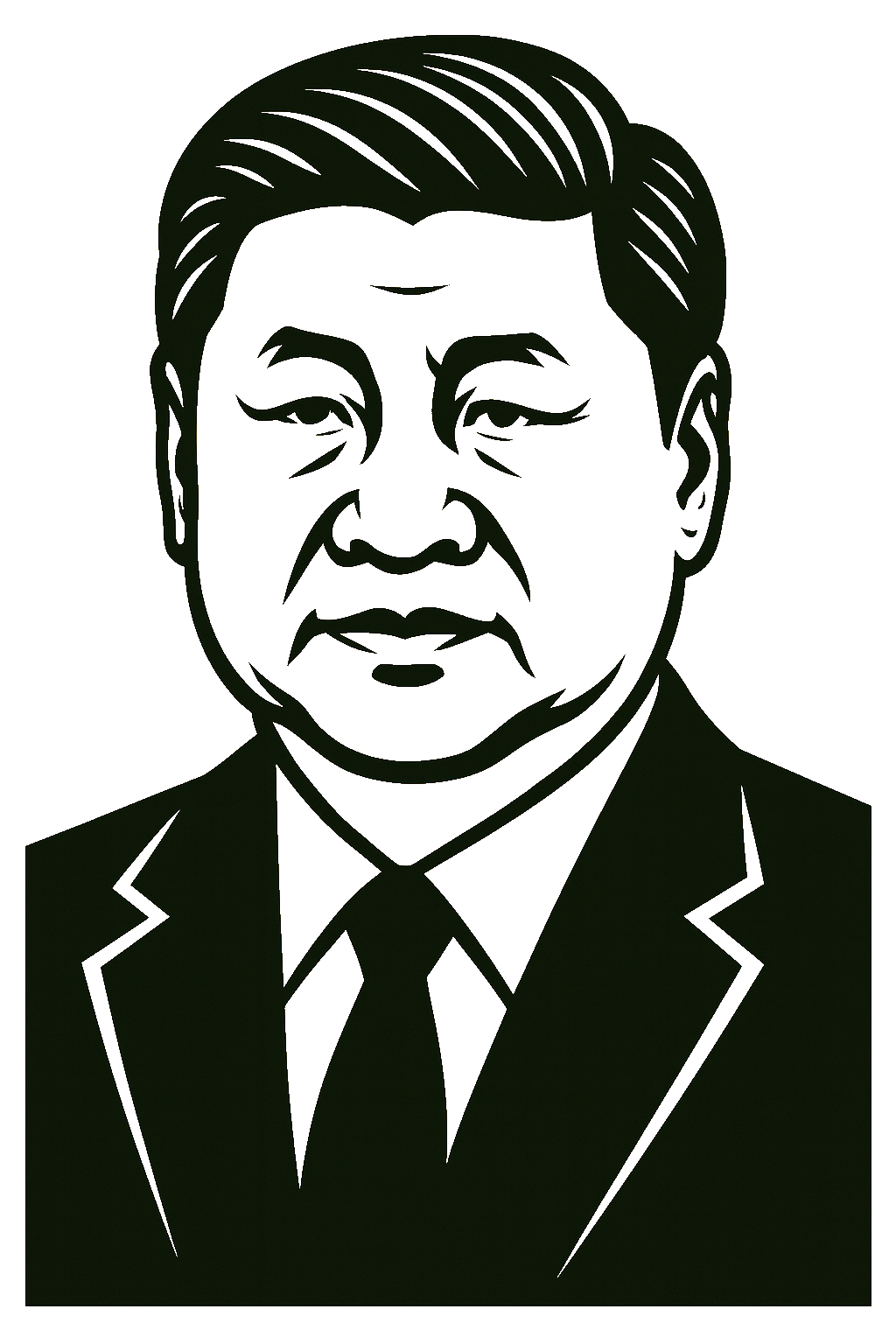
Xi Jinping
Lloyd Austin
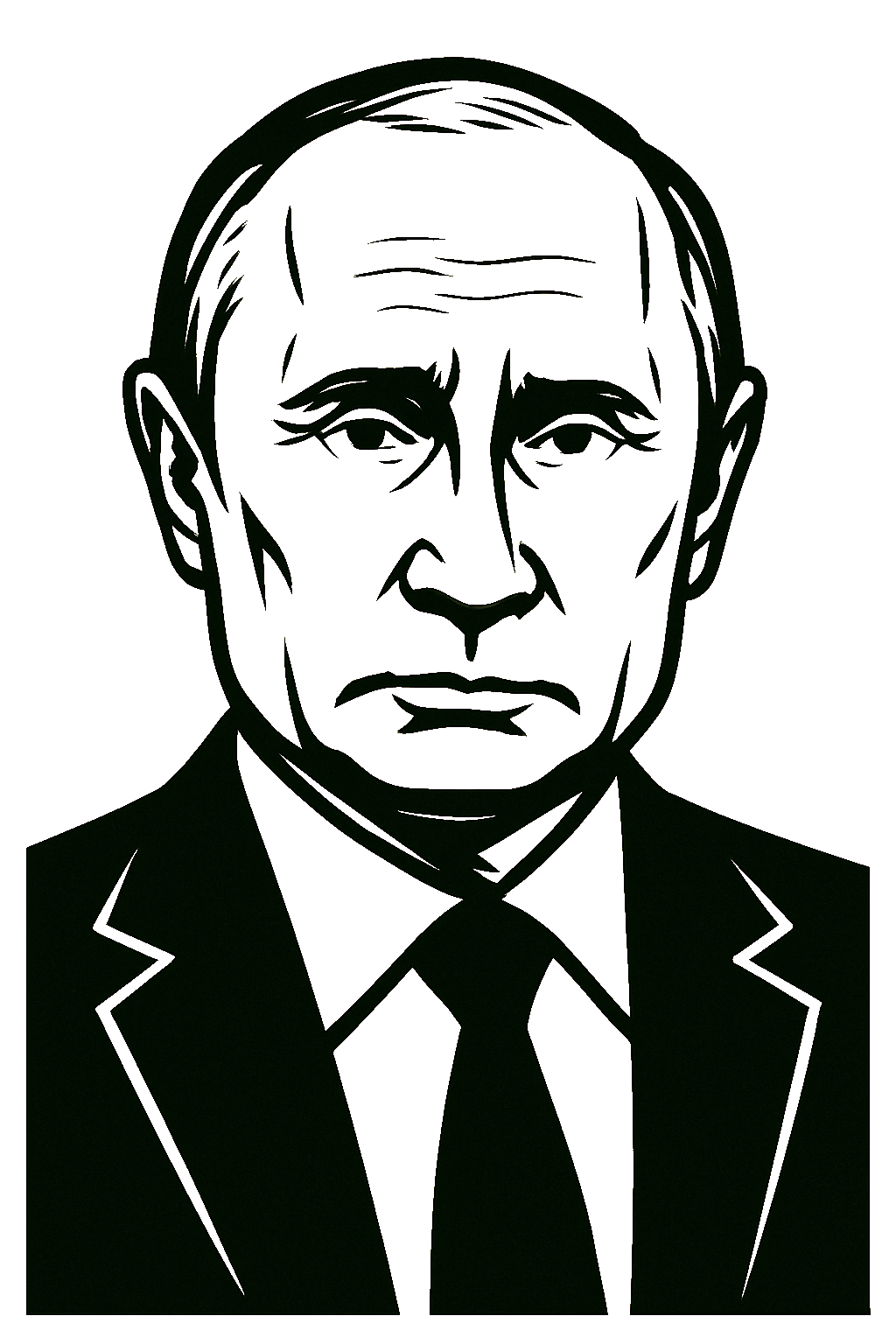
Vladimir Putin
Benjamin Netanyahu
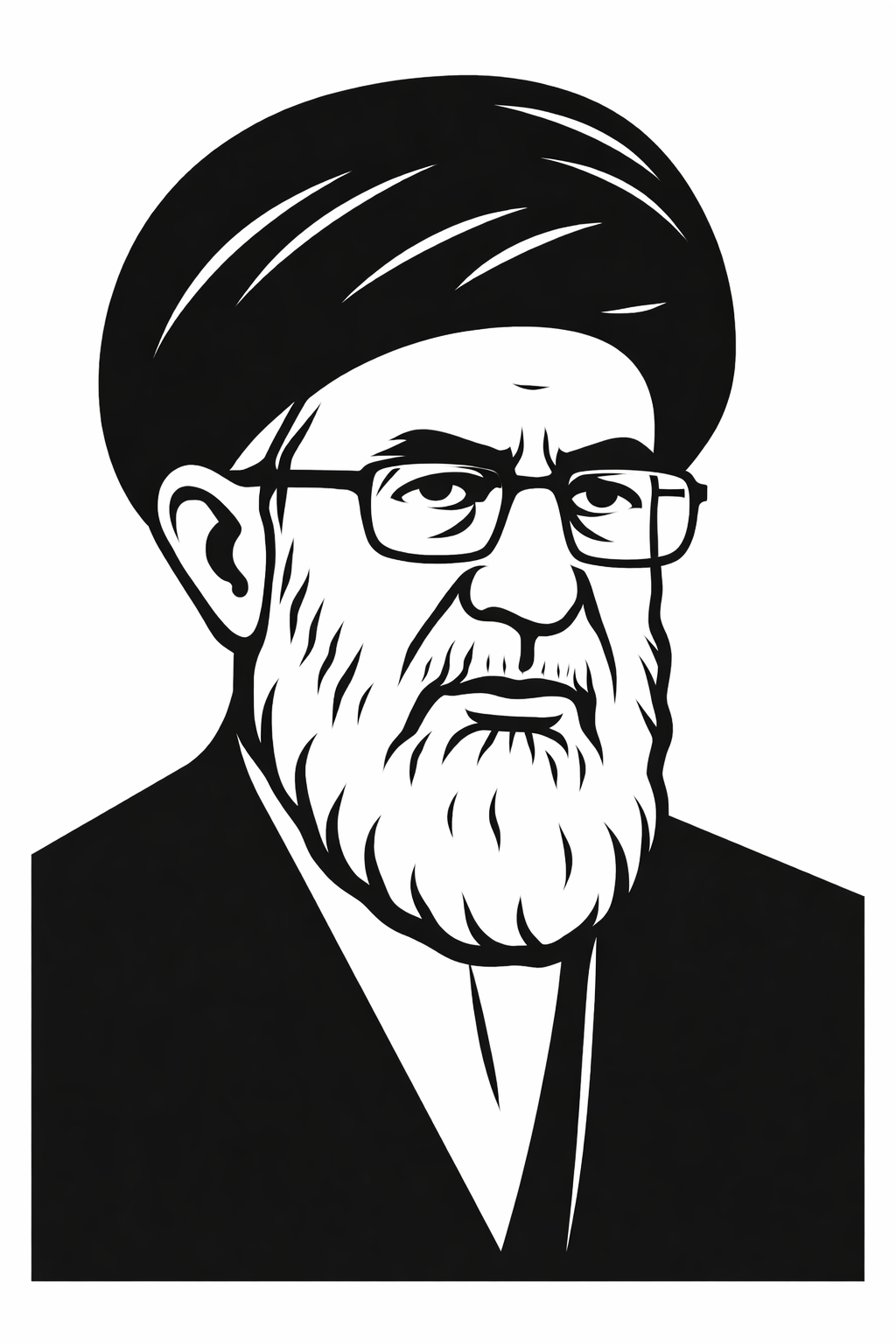
Ali Khamenei
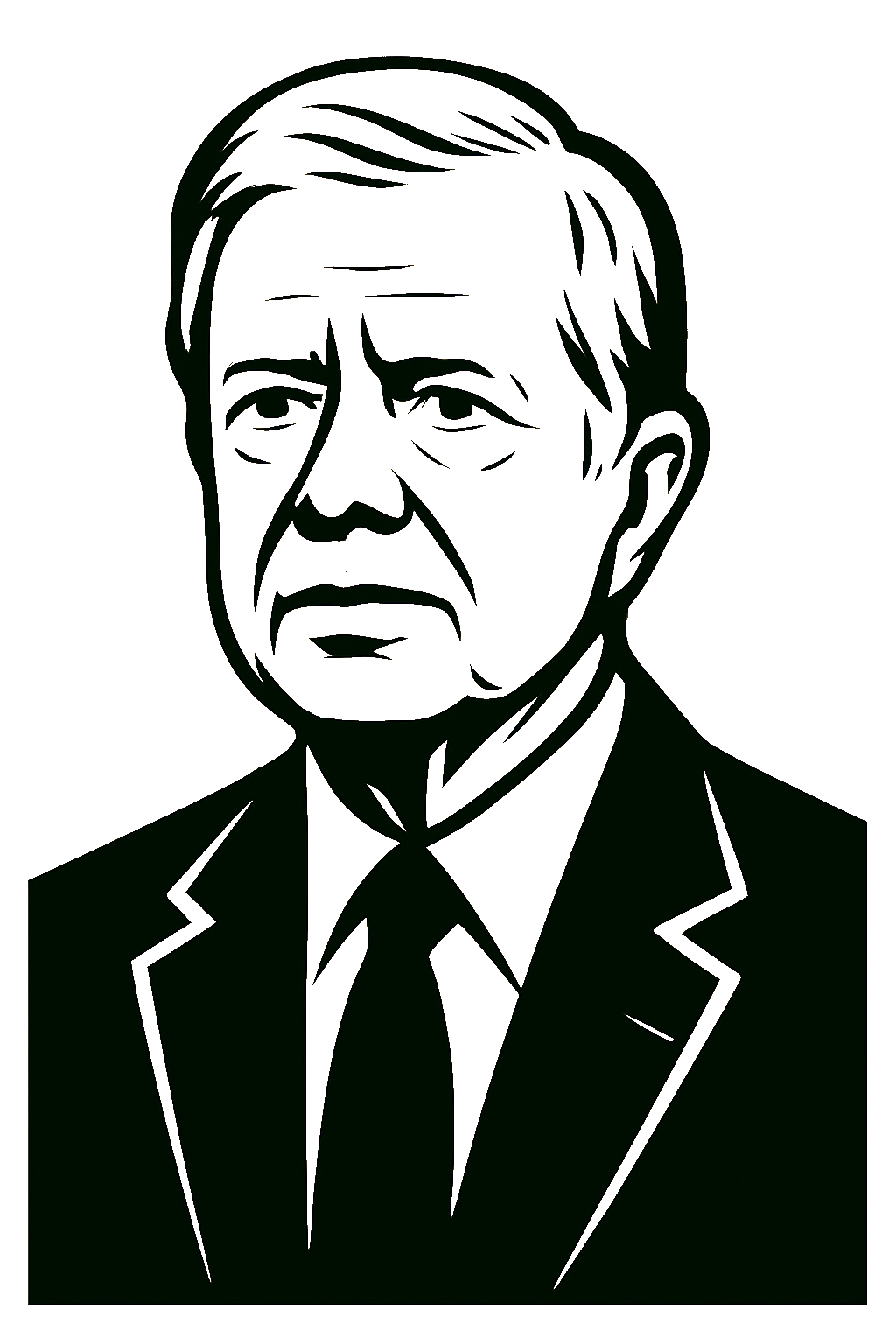
Jimmy Carter
Henry Kissinger
Locations
Mainland China

China
India
North America
United States
Indonesia
Pakistan
Bangladesh
Russia
Japan


Articles

Why Iran Is Running Out of Water
Iran’s water crisis is driven by groundwater depletion, inefficient agriculture, and climate stress.

Iran’s Retaliation in Cold War Mode
How Tehran could turn confrontation in the Gulf into a strategic cost trap.

A European Covenant Draft for Peace in Ukraine
A complementary framework for long-term stability

Empire Thinking on Greenland
Why strategic access is sufficient — and why ownership rhetoric persists


The Hong Kong fire will change China’s Real Estate sector
China’s real estate sector is shaped by deeper pressures than market cycles alone.
Demographics, oversight consistency, due-diligence gaps and investment confidence now intersect in ways that define the sector’s next phase.

Pokrovsk: Logistics, Pressure and the Geometry of the Eastern Front
Pokrovsk has become the most stressed point on the eastern Ukrainian front.

China’s Fourth Plenum — Xi Tightens Control as Party Sets Course for the Next Five Years
Planning the future – the news between the lines.


Books To read for summer 2025
A summer reading list for those tracing the fractures of empire, freedom, and the European condition.
Event Timeline

Pereyaslav Agreement with Tsarist Russia
The Pereyaslav Agreement between the Cossack Hetmanate and Tsarist Russia marked the beginning of Ukraine’s alignment with Russia, which would evolve into centuries of political, military, and cultural influence.

Union of Lublin – Polish Lithuanian Commonwealth
Before Moscow, there was Lublin. The Polish–Lithuanian Commonwealth laid the groundwork for Western Ukrainian identity — and for centuries of contested rule.

Eurasian Peace Talks
A Summer-offensive is at hand – though strategic talks are still possible.

Crimea Annexation by Russia
In the shadow of Ukraine’s Maidan uprising, Russian forces seized control of Crimea. What followed was a swift, illegal annexation — a violation of international norms that shattered post–Cold War assumptions and launched a new era of geopolitical confrontation.

The Hanseatic League
Beginning in the 14th century, a group of northern European cities formed a commercial and legal alliance that would dominate Baltic trade for centuries. Known as the Hanseatic League, this urban confederation connected ports from Flanders to Novgorod, enabling secure trade, mutual defense, and legal cooperation without central rule.

Holodomor Famine
The Holodomor Famine was a man-made catastrophe under Stalin’s regime that devastated Ukraine, killing millions of Ukrainians and leaving a permanent scar on the national consciousness.

Ukraine’s Declaration of Independence
After decades as a Soviet republic, Ukraine asserted its sovereignty on 24 August 1991. This act of independence emerged from the ashes of empire — a democratic rebirth with fragile roots and far-reaching consequences.

Attack on Sumy, at Palm Sunday, 2025
On Palm Sunday, April 13th, 2025, Russian forces struck the Ukrainian city of Sumy, killing civilians and sending a symbolic message of hatred. The attack violated not just laws of war, but shared cultural and spiritual bonds. It stands as one of the most morally grotesque moments of the ongoing invasion.

Kievan Rus
The Founding of Kievan Rus marks the establishment of the first East Slavic state centered around Kyiv, which laid the foundations for modern Ukraine, Belarus, and Russia.


