
Antigua and Barbuda
Intro
Located in the eastern Caribbean among the Leeward Islands, Antigua and Barbuda combines political stability with extreme exposure to climate and external demand shocks.
Background
Formerly a British colony, the country transitioned to independence in 1981. Limited land and resources oriented the economy toward services and tourism.
History
Indigenous settlement
British colonial rule
Independence
Tourism-led development
Present Day
Tourism dominates GDP and employment. Fiscal vulnerability and disaster preparedness are persistent governance priorities.
Future Outlook
Long-term resilience depends on climate adaptation, tourism diversification, and access to concessional finance.
Map
Topics
Persons

Pete Hegseth
Jake Sullivan
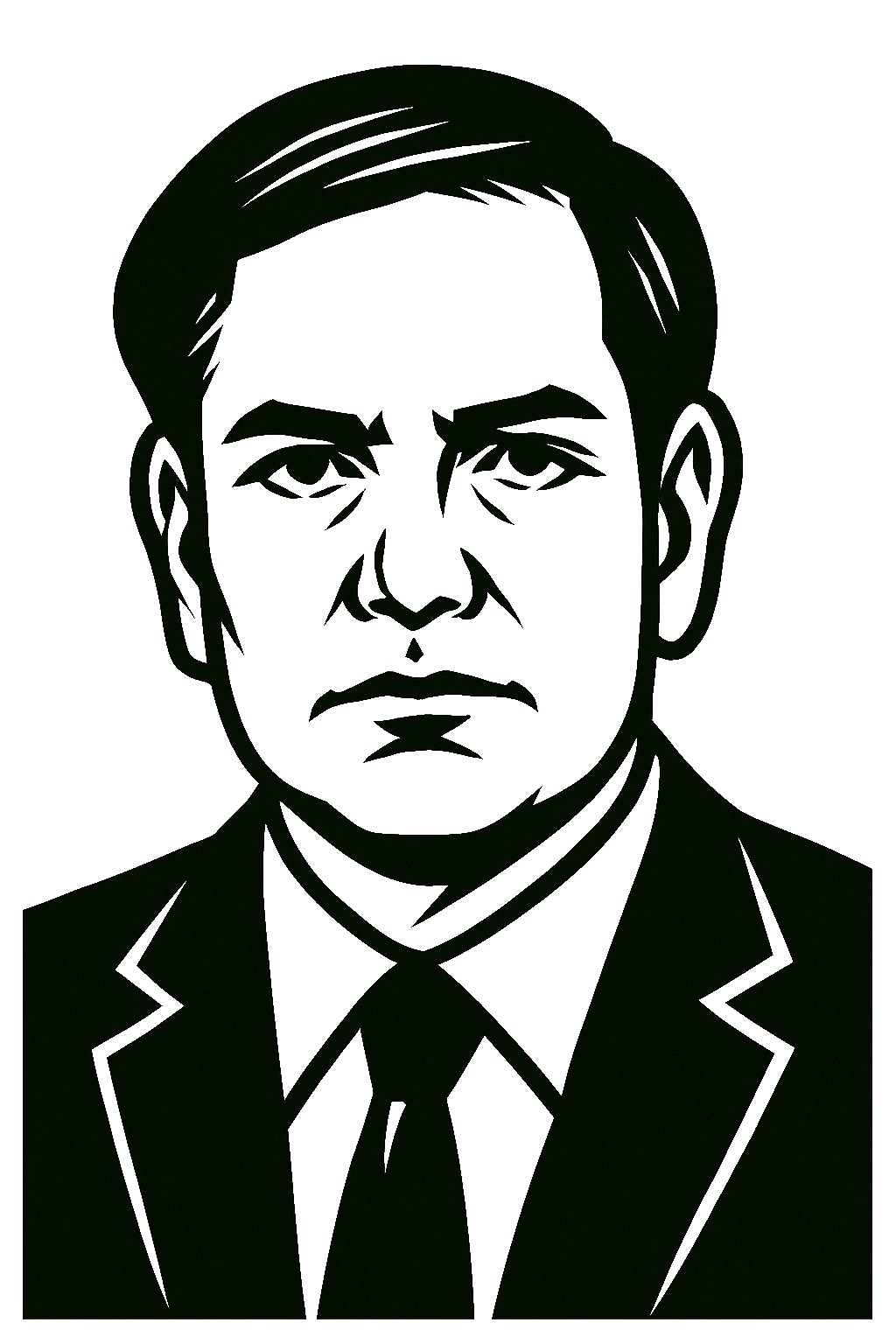
Marco Rubio
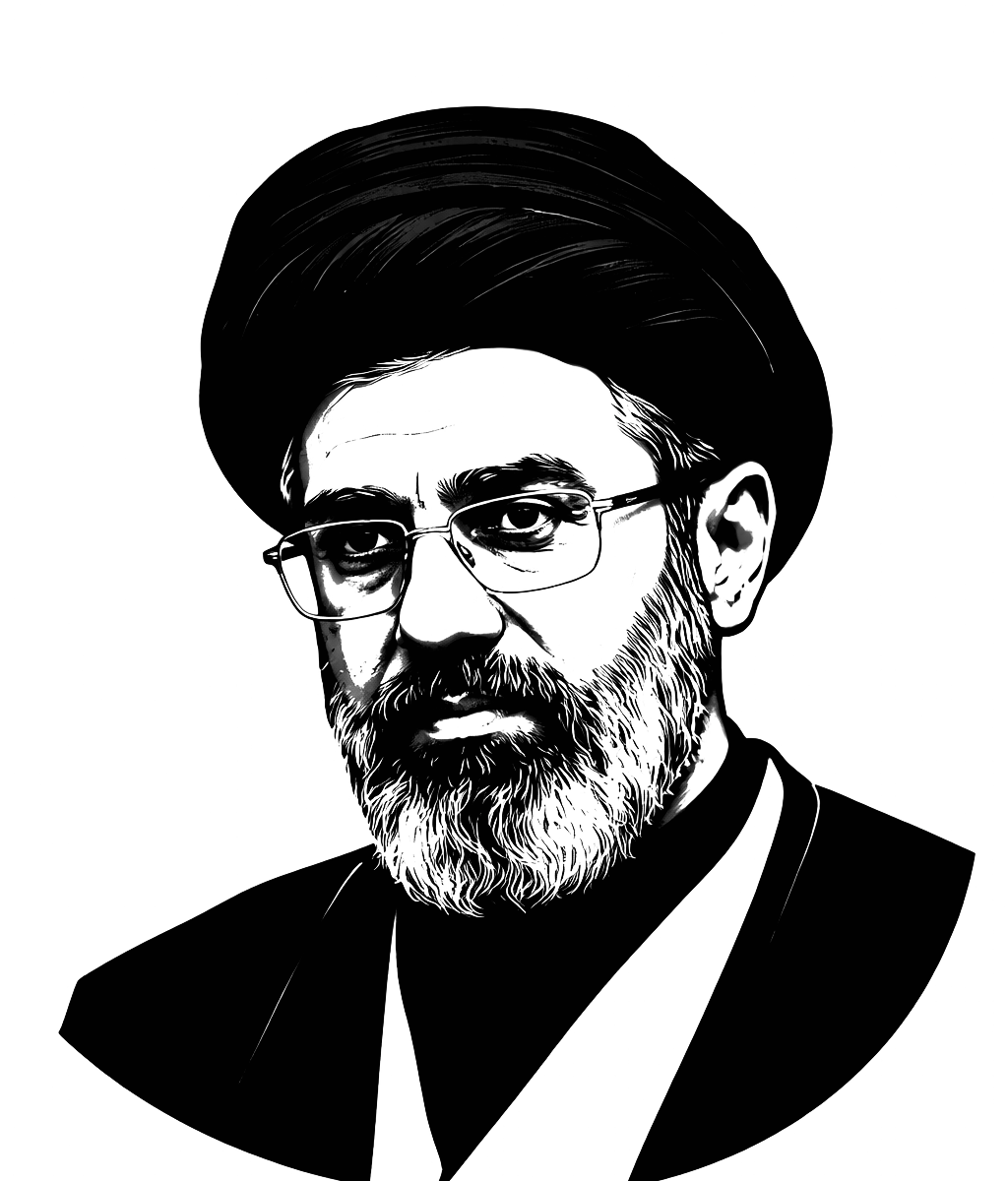
Mojtaba Khamenei

Mark Rutte
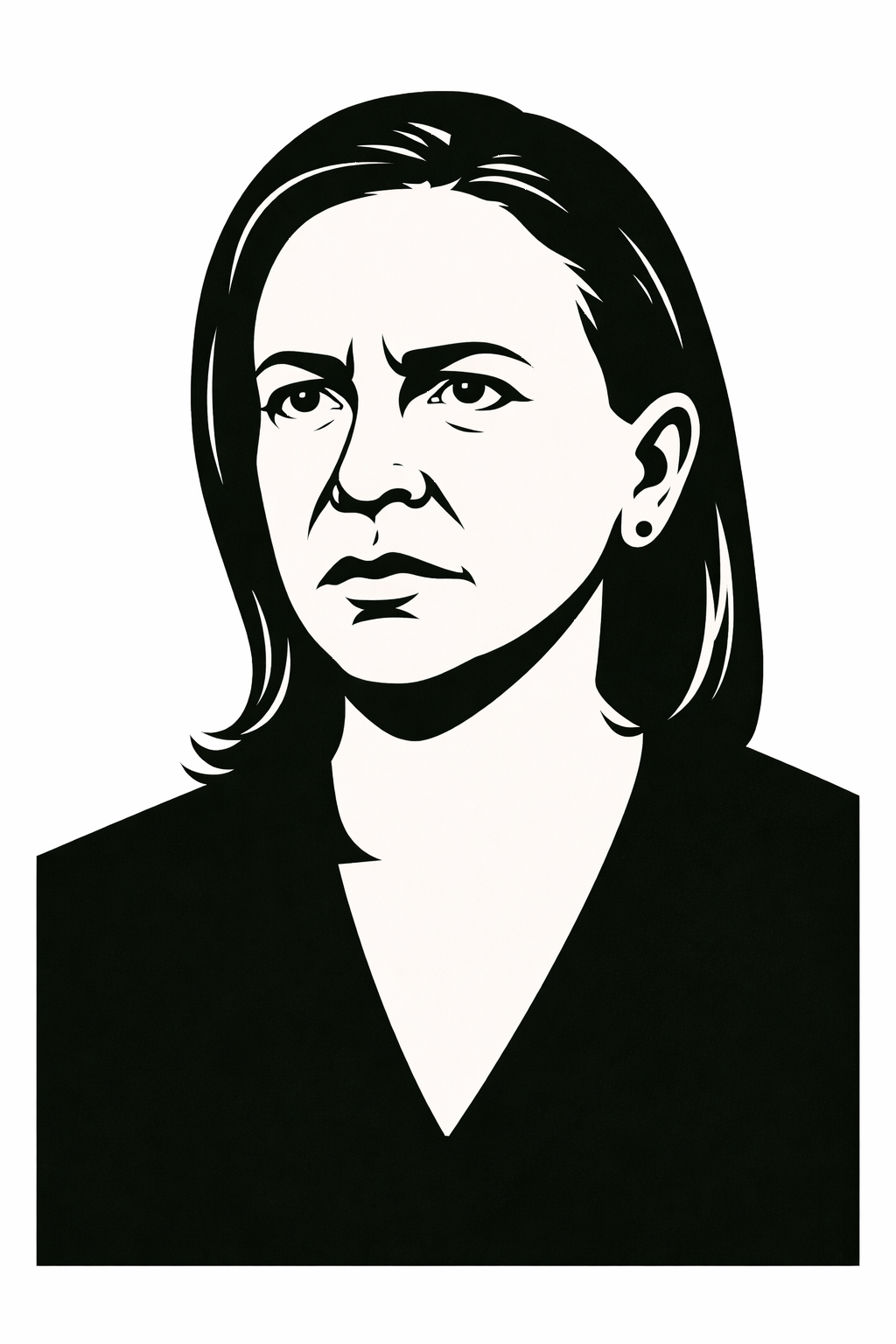
María Corina Machado
Herzi Halevi
Oleksii Reznikov
Mohammed Deif
Locations
Hubynykha
Idaho
Idlib
Illinois
Indian Peninsula
Indiana
Iowa
Ivano-Frankivsk Oblast
Kansas

Articles




Control is good, trust is better!
It is almost 2025. There is social unrest. A migration crisis? Foreign influences? A retreat to the national is taking . Border controls are being deployed again. People want to be “in control” again. Will this bring back confidence?
Event Timeline
Israeli Strikes in Tehran Killing Larijani
On the night of 16-17 March 2026, Israeli airstrikes in the Tehran area killed Ali Larijani (Secretary of the Supreme National Security Council and de facto leader) and Gholamreza Soleimani (commander of Iran’s internal Basij militia).

Nationalisation of Iranian Oil and the Mossadegh Crisis
From 1951 to 1953, Iran nationalized its oil industry under Prime Minister Mossadegh, leading to an international crisis and the eventual 1953 coup.

Iran Hostage Crisis
In 1979, Iranian students seized the U.S. Embassy in Tehran, holding 52 Americans hostage for 444 days and transforming U.S.-Iran relations.


Taiping Heavenly Kingdom (Taiping Rebellion)
The Taiping Heavenly Kingdom was a large-scale civil war and rival state that challenged Qing rule, resulting in one of the deadliest conflicts in human history and severely weakening imperial authority.
Proclamation of the People’s Republic of China
On 1 October 1949, Mao Zedong proclaimed the People’s Republic of China in Beijing, marking the establishment of Communist rule on the mainland after civil war victory.
First Five-Year Plan and Socialist Transformation
Between 1953 and 1957, China implemented its First Five-Year Plan, restructuring land, industry, and finance along socialist lines and establishing centralized economic planning.
Great Leap Forward
The Great Leap Forward was a nationwide campaign aimed at rapidly industrializing China through mass mobilization and rural collectivization, resulting in severe economic disruption and widespread famine.
Xinhai Revolution
The Xinhai Revolution overthrew the Qing Dynasty and ended over two millennia of imperial rule, leading to the establishment of the Republic of China.


