
Greece
Intro
Tourism, shipping, and energy define Greece’s modern economy. Fiscal reforms and EU oversight stabilized debt, while foreign investment supports technology and infrastructure renewal. Athens leverages maritime geography for defense and logistics.
Background
Following the 2008 debt crisis, Greece undertook major fiscal consolidation and reform. Political normalization and tourism rebound restored growth. Energy corridors and defense partnerships with France, Israel, and Egypt enhance regional status.
History
- 1981: Joins the European Community – 2001: Adopts the Euro – 2008-2018: Financial crisis and EU bailouts – 2020s: Energy diversification and defense modernization
Present Day
In 2025, Greece records steady growth, tourism expansion, and active diplomacy in the Aegean. Defense modernization continues alongside energy exploration with EU and regional partners.
Future Outlook
Greece’s long-term stability depends on energy connectivity, fiscal discipline, and defense readiness. Eastern Mediterranean gas and renewables could redefine its economic geography.
Map
Topics
Persons

Pete Hegseth
Jake Sullivan
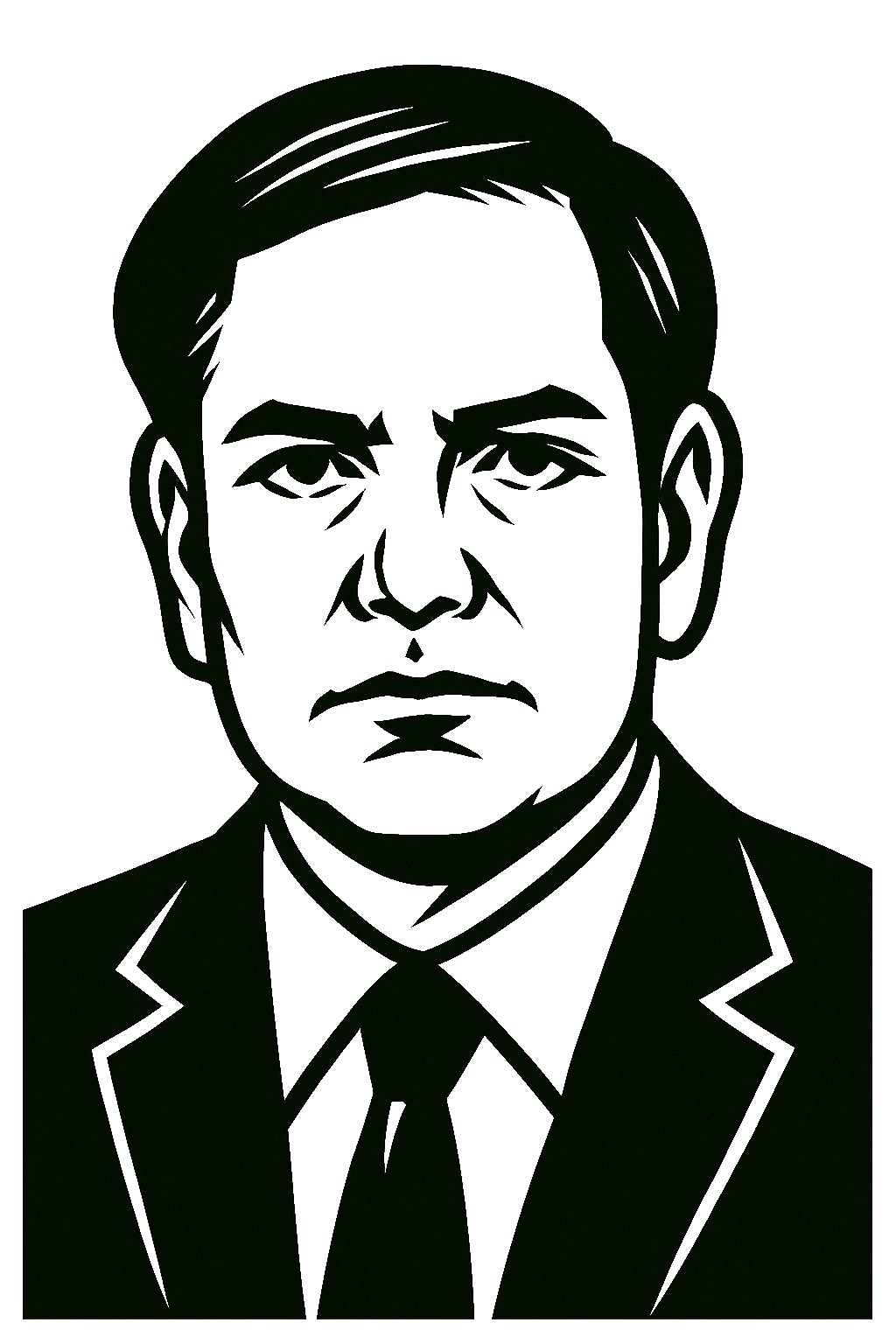
Marco Rubio
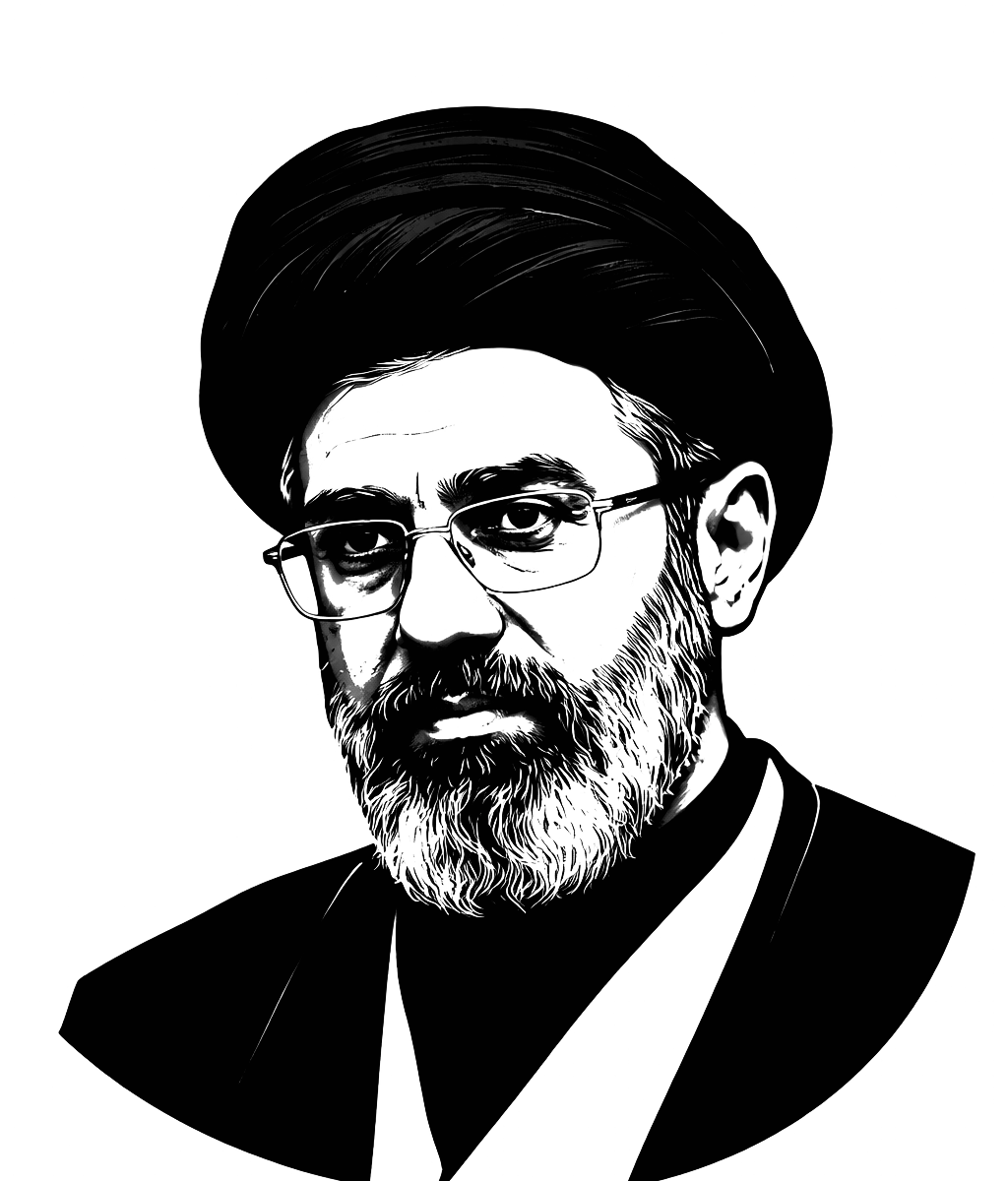
Mojtaba Khamenei

Mark Rutte

María Corina Machado
Herzi Halevi
Oleksii Reznikov
Mohammed Deif
Locations
Persian Plateau
Pokrovsk
Poltava Oblast
Pompeii

Pont-Audemer
Rivne Oblast
Robotyne
Rostov-on-Don


Articles

Return to Babel: Language, Identity, and Belonging
How identity is filtered — not by law, but by design – and what it means to belong

Russia’s War Machine: How It Fights Without Winning
As negotiations flicker in the background of a grinding war, Russia’s ability to sustain its military effort in Ukraine depends on a fragile web of foreign supply, internal mobilization, and retrofitted Soviet stockpiles. This report examines the current state of Russia’s armed forces in Q2 2025, revealing a system stretched but still operational — and why that matters.


Don’t Bet on the Bully: Why Europe Must Stop Investing in the U.S.
As European firms like Daimler, Volkswagen, and Siemens expand their investments in the U.S., they risk tying their futures to a volatile partner. Short-term economic incentives and a temporarily favorable exchange rate obscure deeper structural risks: political instability, panic-driven corporate culture, and growing protectionism. Europe is not dependent on the U.S. — not for gas, not for markets, and certainly not for leadership. Strategic autonomy begins with saying no.

How Donald Trump Could Win the Nobel Prize for Peace
Donald Trump, the dealmaker, the disrupter — could he still become a man of peace? What would it take? Humility!


After the War: The Eurasian Covenant
“After the War: The Eurasian Covenant” is not a deal, nor a surrender — but a framework. A vision for lasting peace between Europe, Ukraine, and Russia rooted in dignity, realism, and historical awareness. As old alliances shift and global power balances evolve, this proposal outlines a European-led path forward: balancing security, rebuilding trust, and preparing for a post-hegemonic world. A beginning — before it’s too late.
Event Timeline
Israeli Strikes in Tehran Killing Larijani
On the night of 16-17 March 2026, Israeli airstrikes in the Tehran area killed Ali Larijani (Secretary of the Supreme National Security Council and de facto leader) and Gholamreza Soleimani (commander of Iran’s internal Basij militia).

Nationalisation of Iranian Oil and the Mossadegh Crisis
From 1951 to 1953, Iran nationalized its oil industry under Prime Minister Mossadegh, leading to an international crisis and the eventual 1953 coup.

Iran Hostage Crisis
In 1979, Iranian students seized the U.S. Embassy in Tehran, holding 52 Americans hostage for 444 days and transforming U.S.-Iran relations.


Taiping Heavenly Kingdom (Taiping Rebellion)
The Taiping Heavenly Kingdom was a large-scale civil war and rival state that challenged Qing rule, resulting in one of the deadliest conflicts in human history and severely weakening imperial authority.
Proclamation of the People’s Republic of China
On 1 October 1949, Mao Zedong proclaimed the People’s Republic of China in Beijing, marking the establishment of Communist rule on the mainland after civil war victory.
First Five-Year Plan and Socialist Transformation
Between 1953 and 1957, China implemented its First Five-Year Plan, restructuring land, industry, and finance along socialist lines and establishing centralized economic planning.
Great Leap Forward
The Great Leap Forward was a nationwide campaign aimed at rapidly industrializing China through mass mobilization and rural collectivization, resulting in severe economic disruption and widespread famine.
Xinhai Revolution
The Xinhai Revolution overthrew the Qing Dynasty and ended over two millennia of imperial rule, leading to the establishment of the Republic of China.


The Sumy Attack: Beyond Violence, Towards Understanding the Message
On Palm Sunday, Russia attacked the Ukrainian city of Sumy in an act that went beyond war — a message of hatred that struck civilians and sacred meaning alike.