
Greece
Intro
Tourism, shipping, and energy define Greece’s modern economy. Fiscal reforms and EU oversight stabilized debt, while foreign investment supports technology and infrastructure renewal. Athens leverages maritime geography for defense and logistics.
Background
Following the 2008 debt crisis, Greece undertook major fiscal consolidation and reform. Political normalization and tourism rebound restored growth. Energy corridors and defense partnerships with France, Israel, and Egypt enhance regional status.
History
- 1981: Joins the European Community – 2001: Adopts the Euro – 2008-2018: Financial crisis and EU bailouts – 2020s: Energy diversification and defense modernization
Present Day
In 2025, Greece records steady growth, tourism expansion, and active diplomacy in the Aegean. Defense modernization continues alongside energy exploration with EU and regional partners.
Future Outlook
Greece’s long-term stability depends on energy connectivity, fiscal discipline, and defense readiness. Eastern Mediterranean gas and renewables could redefine its economic geography.
Map
Topics
Persons

Pete Hegseth
Jake Sullivan
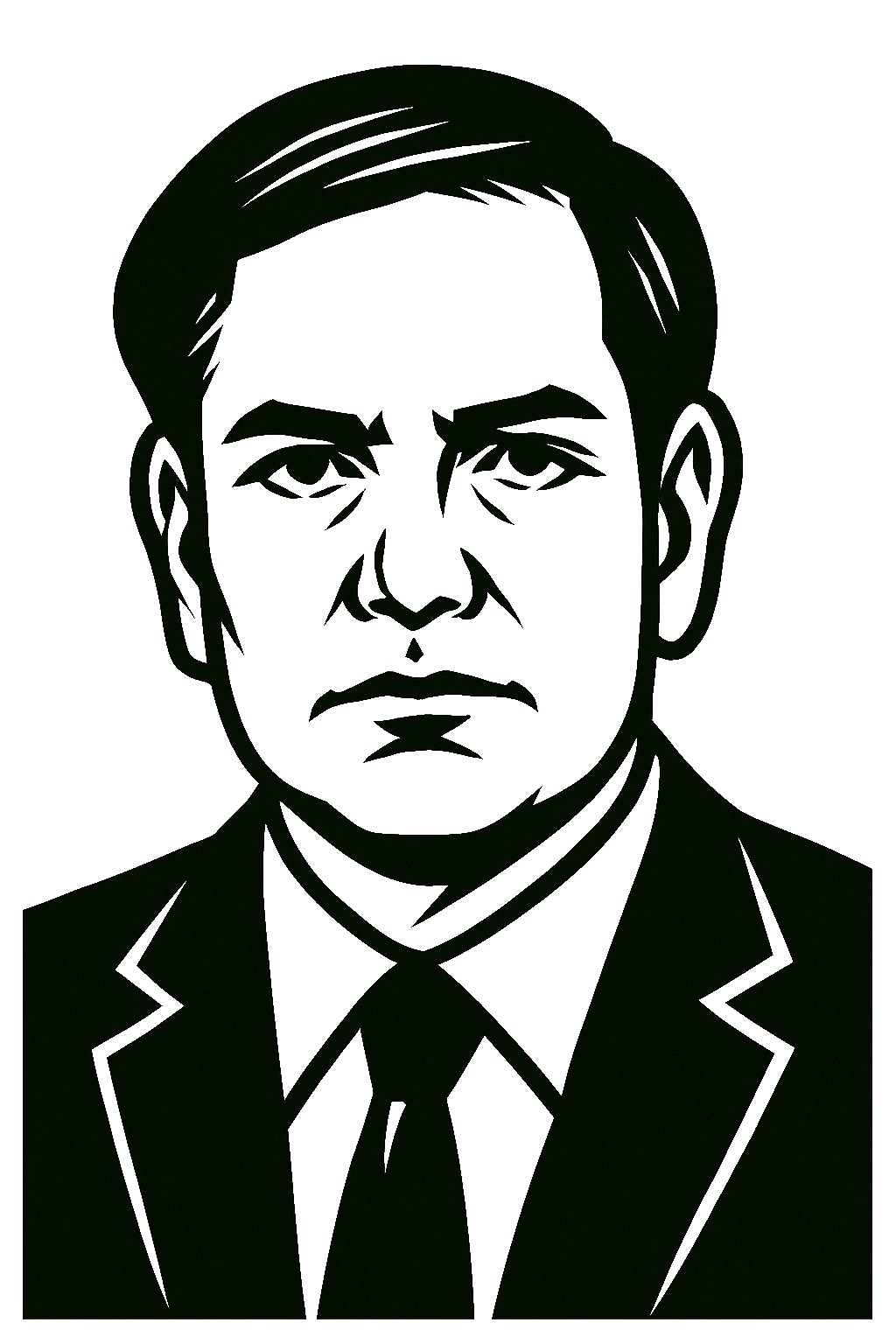
Marco Rubio
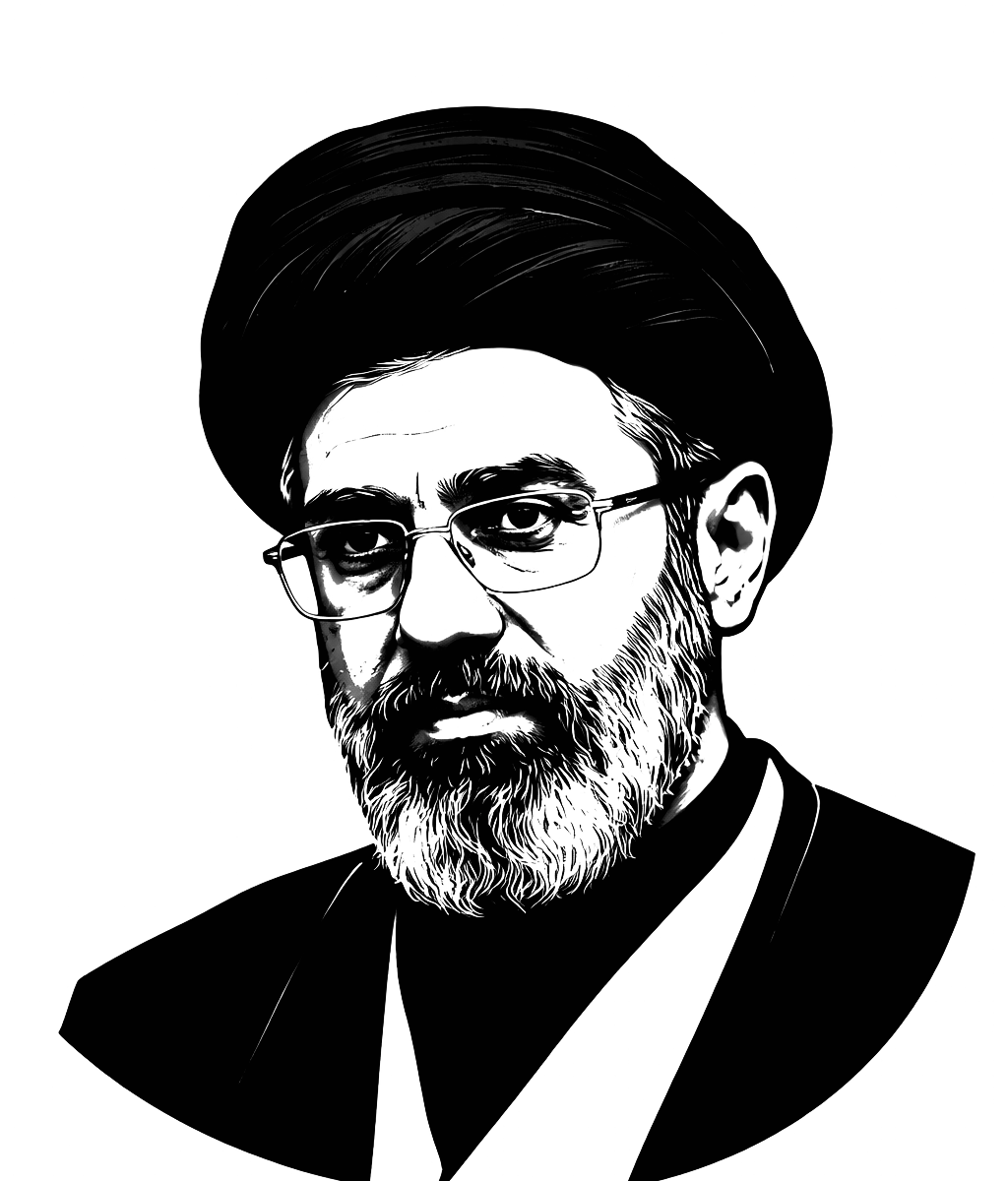
Mojtaba Khamenei

María Corina Machado
Herzi Halevi

Mark Rutte
Oleksii Reznikov
Mohammed Deif
Locations
Mount Sabalan
Myrnohrad
natanz
North Africa
Northern Europe
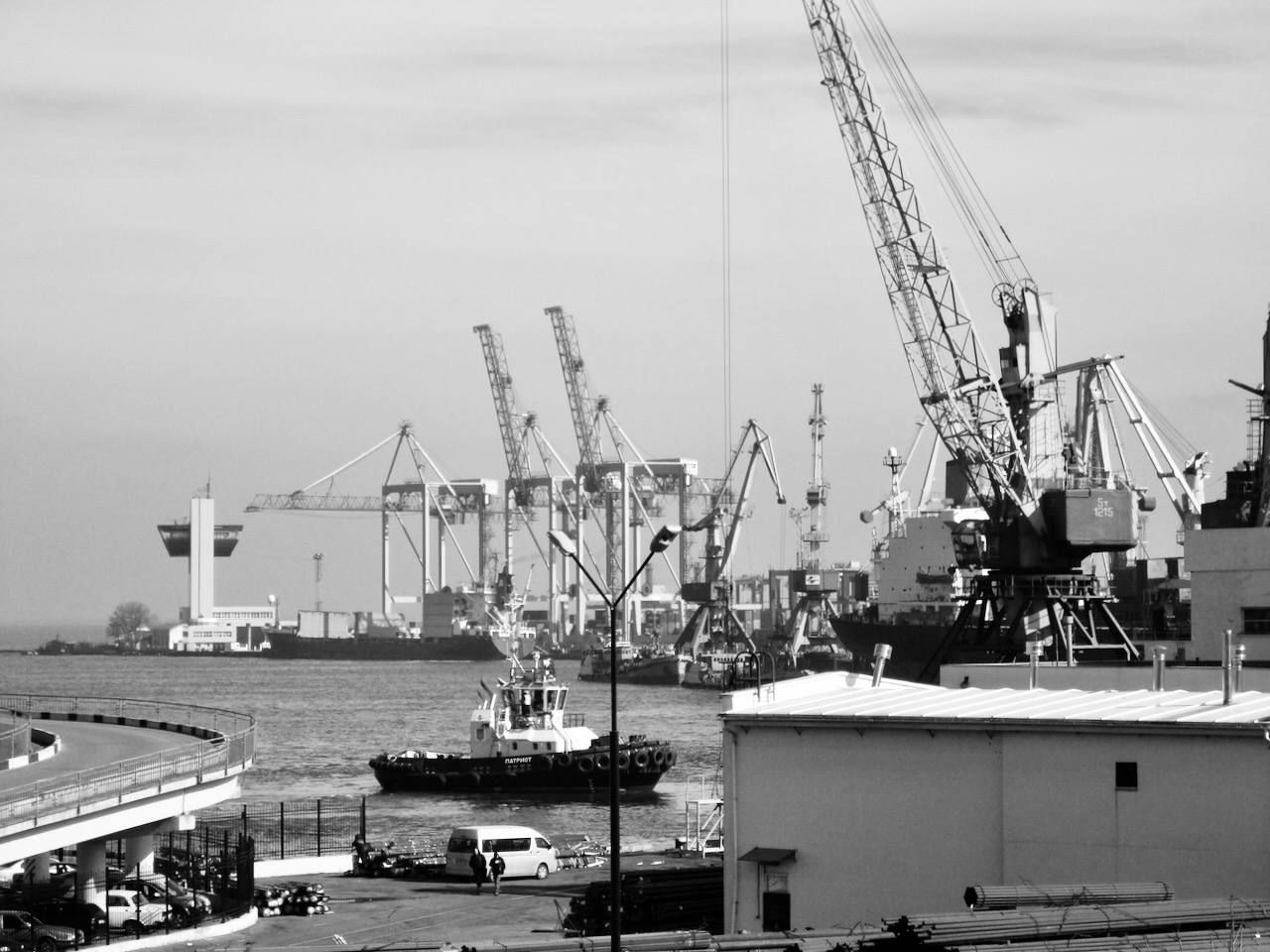
Odesa
Ovče Pole
Paris
Pelagonia Plain
Persian Gulf


Articles

Why Ukraine Cannot Lose This War
And why Russia, in a deeper sense, already did


24 Hours in Tbilisi and Mtshketa
Citadel views, sulfur steam, silent prayers — and a capital caught between memory and movement.

The Geographical Pivot of Constraints
How supply chains and constraint, will shape the global struggle

Events that led to the war in Ukraine – a timeline
A 1.000 Years Struggle for An Autonomous National Identity.

Picturing the Past – Postponed Peace in Transnistria
A view inside, in 2010. It’s mainly Smirnov, Sheriff and Medvedev that you see

24 Hours in Vilnius
Baroque echoes, Jewish memory, Soviet scars — and a city that stands without spectacle.

The Baltic’s Burden
What a Nation Remembers in the Morning.

Empire Logic: How Russia Uses Borders, Identity, and Delay
Russia does not need to occupy a country to control it. It only needs to prevent resolution. From Transnistria to Crimea, from narrative warfare to financial systems, Empire Logic shows how modern power is held — not through conquest, but through structural denial.
Event Timeline

U.S. arrests Nicolás Maduro
U.S. forces arrest Nicolás Maduro in Caracas, removing him from power through external intervention.
British Occupation of Hong Kong Island
British forces landed on Hong Kong Island and claimed it in the name of the Crown following the First Opium War.

Treaty of Nanking Signed
The Treaty of Nanking ended the First Opium War and ceded Hong Kong Island to Britain, formalizing its colonial status.
Kowloon Peninsula Ceded to Britain
The Convention of Peking ceded the southern part of the Kowloon Peninsula to Britain, extending colonial Hong Kong beyond the island.
British Lease of New Territories
Britain signed a 99-year lease with the Qing Empire, adding the New Territories and islands to colonial Hong Kong.
Kowloon Walled City Preserved
Britain leases the New Territories for 99 years but allows China to retain nominal control of the Kowloon Walled City.
Japanese Invasion of Hong Kong
Japan invades British Hong Kong, launching a bloody battle and three years of occupation.
Return to British Control
British forces retook control of Hong Kong from Japan after Japan’s surrender in World War II.


