
Croatia
Intro
As an EU and NATO member, Croatia bridges Central Europe and the Adriatic. The country’s strategic location, infrastructure, and tourism sector make it one of the most prosperous in the Balkans, though demographic decline continues.
Background
Independence in 1991 followed the breakup of Yugoslavia and a prolonged war. EU integration anchored democratic and economic recovery. Croatia joined the Eurozone and Schengen in 2023, consolidating its position in European structures.
History
- 1991: Independence and start of the Croatian War of Independence – 1995: Operation Storm ends war, territorial reintegration – 2013: Joins the European Union – 2023: Enters Eurozone and Schengen Area
Present Day
In 2025, Croatia leads in Balkan stability and EU integration, with strong fiscal indicators and renewed investment in green and digital sectors.
Future Outlook
Croatia will continue leveraging its EU position and maritime infrastructure. Tourism diversification and energy transition are critical for sustainability.
Map
Topics
Persons
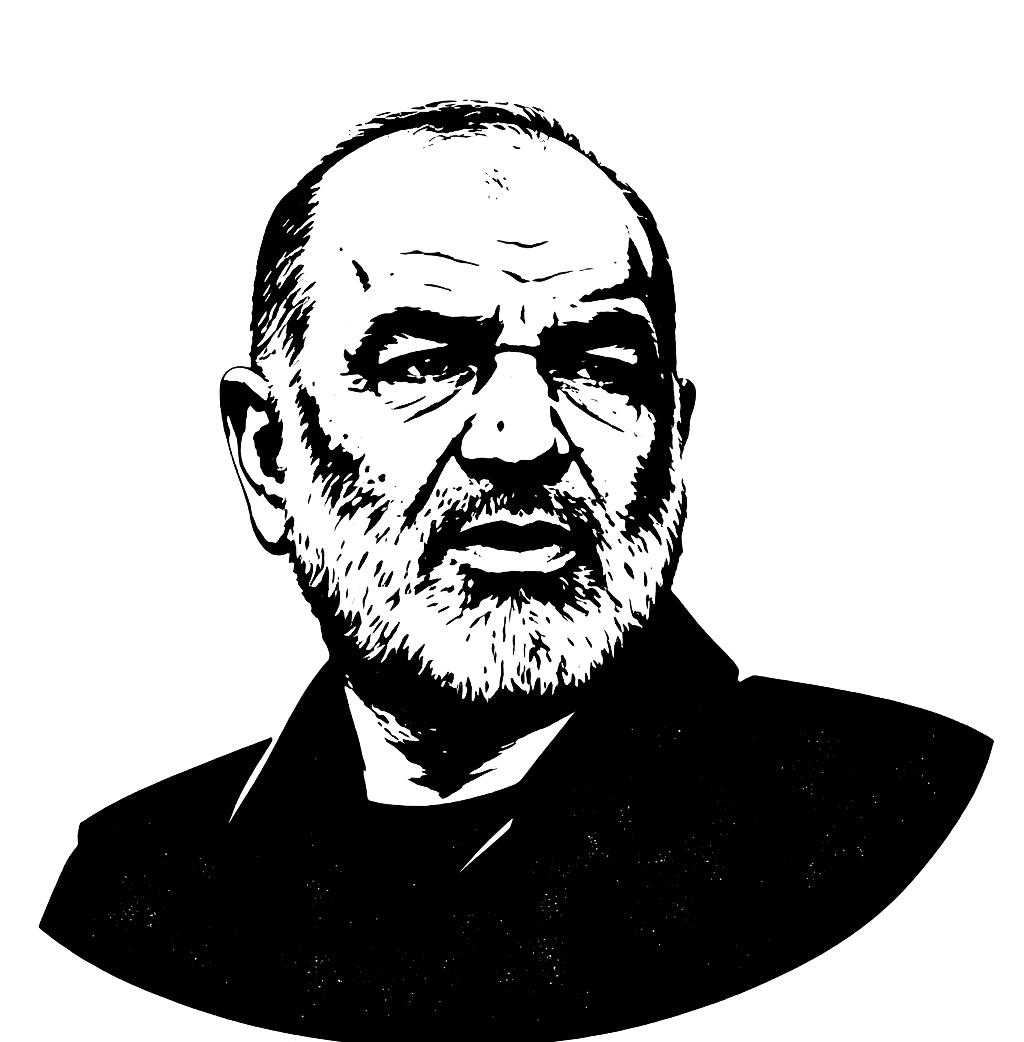
Hossein Salami
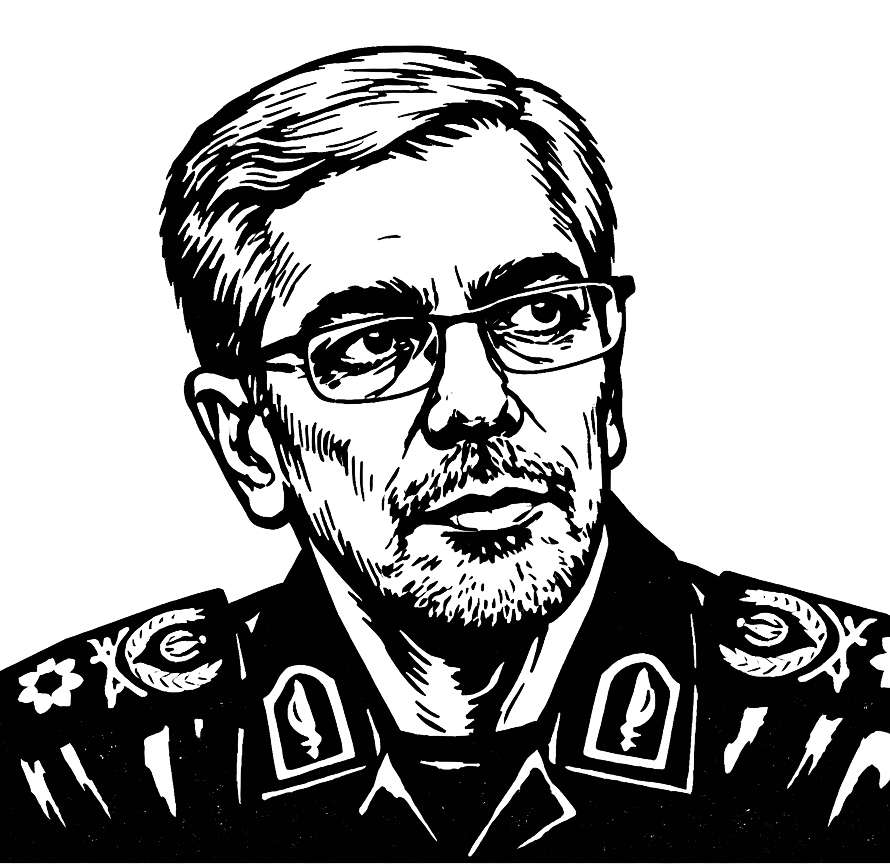
Mohammad Bagheri
Benny Gantz
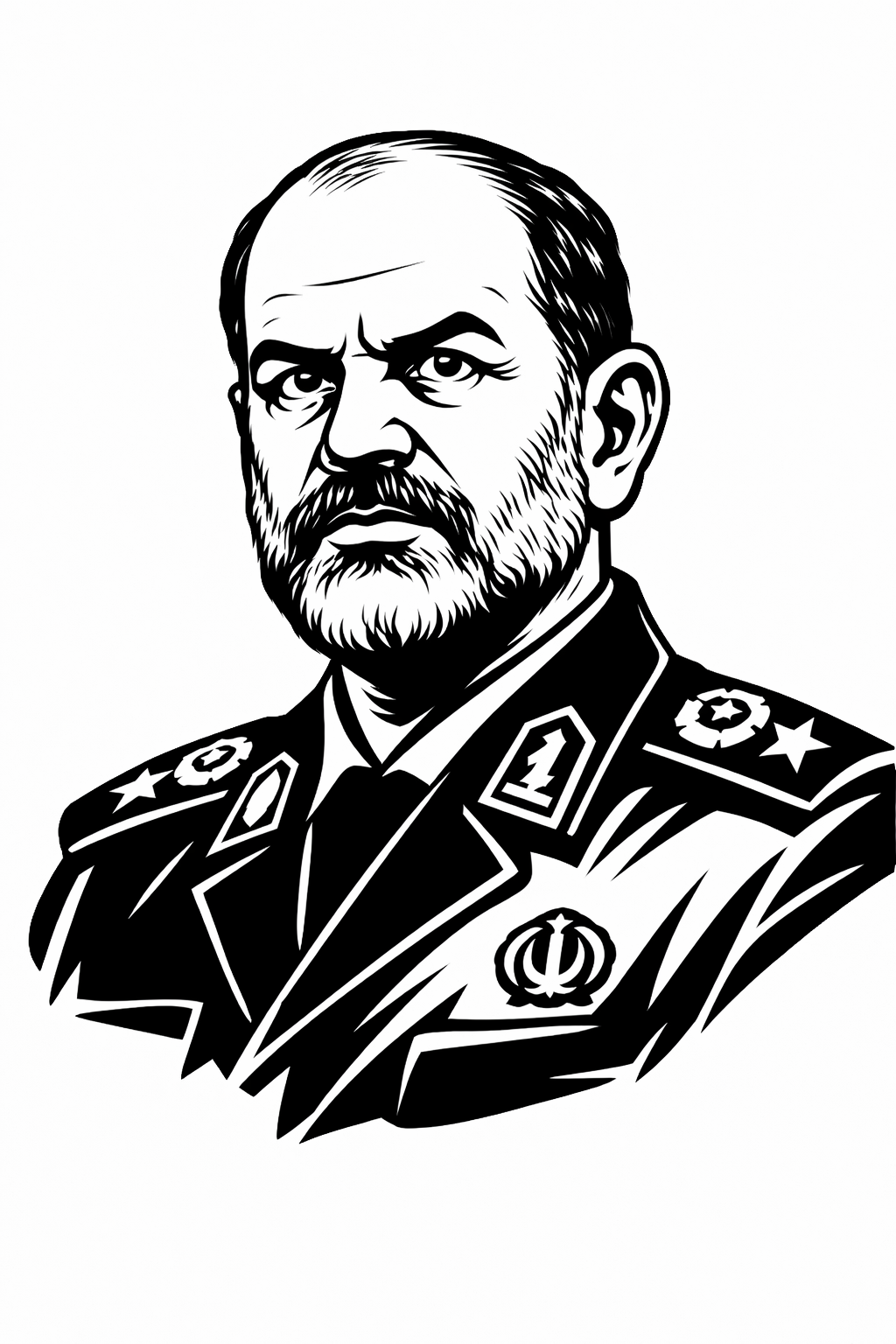
Ahmad Vahidi
Qasem Soleimani
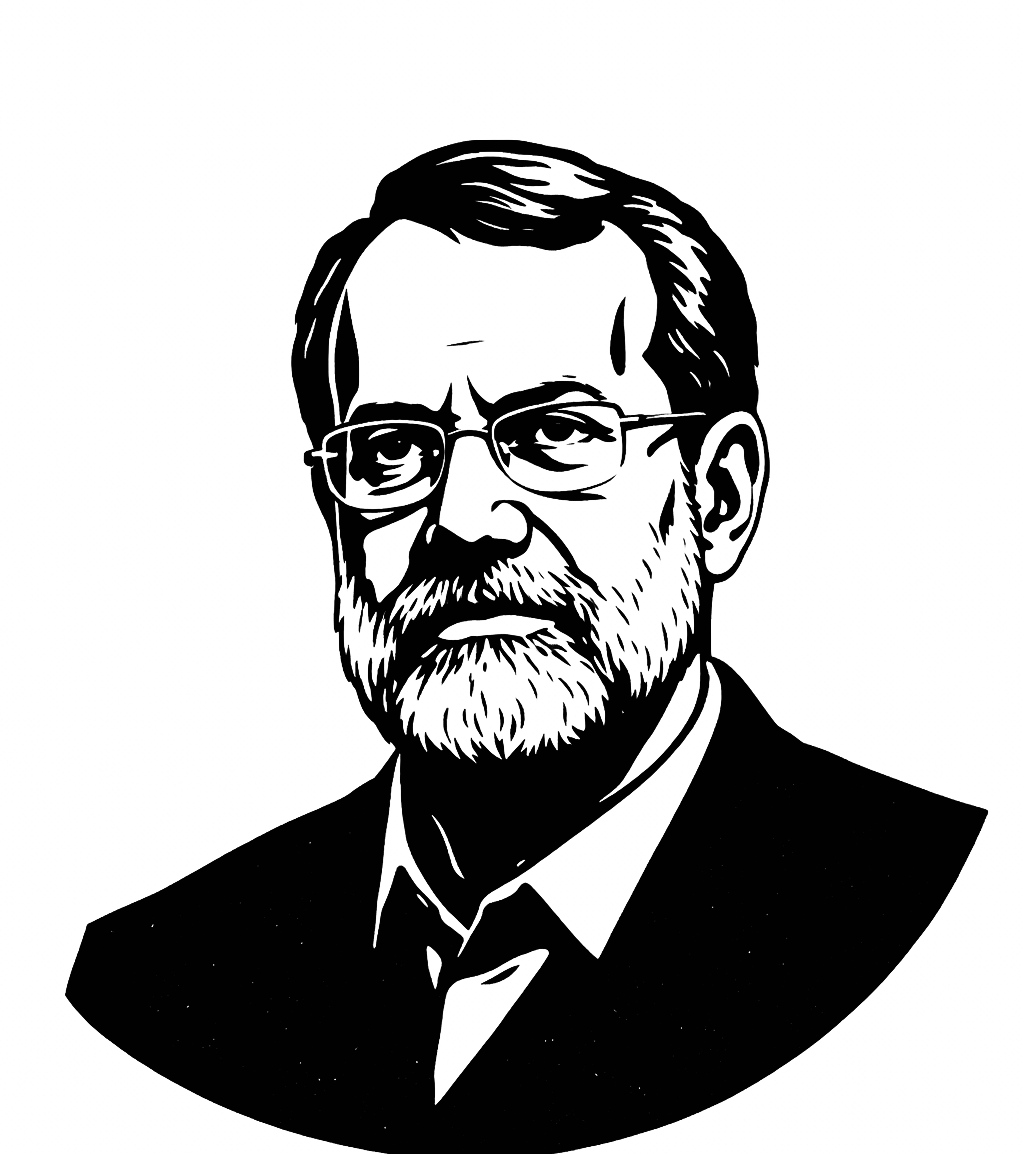
Ali Larijani
Steve Witkoff
Ismail Qaani
Israel Katz
Locations
Mainland China

China
India
North America
United States
Indonesia
Pakistan
Bangladesh
Russia
Japan

Articles

Why Iran Is Running Out of Water
Iran’s water crisis is driven by groundwater depletion, inefficient agriculture, and climate stress.

Iran’s Retaliation in Cold War Mode
How Tehran could turn confrontation in the Gulf into a strategic cost trap.

A European Covenant Draft for Peace in Ukraine
A complementary framework for long-term stability

Empire Thinking on Greenland
Why strategic access is sufficient — and why ownership rhetoric persists


The Hong Kong fire will change China’s Real Estate sector
China’s real estate sector is shaped by deeper pressures than market cycles alone.
Demographics, oversight consistency, due-diligence gaps and investment confidence now intersect in ways that define the sector’s next phase.

Pokrovsk: Logistics, Pressure and the Geometry of the Eastern Front
Pokrovsk has become the most stressed point on the eastern Ukrainian front.

China’s Fourth Plenum — Xi Tightens Control as Party Sets Course for the Next Five Years
Planning the future – the news between the lines.


Books To read for summer 2025
A summer reading list for those tracing the fractures of empire, freedom, and the European condition.
Event Timeline
Technocratic Governance and Managed Growth
Between 2002 and 2012, China was governed through a technocratic model emphasizing stability, managed economic growth, and incremental reform under collective leadership.
Convention of Peking
The Convention of Peking ended the Second Opium War and ceded the Kowloon Peninsula south of Boundary Street to Britain.

Second Opium War
The Second Opium War expanded Western military pressure on Qing China, resulting in deeper treaty concessions, legalized opium trade, and intensified foreign presence in imperial affairs.

First Opium War
In June 1839, Chinese official Lin Zexu ordered the destruction of British opium stockpiles in Canton, sparking the First Opium War.
The Long March
The Long March was a strategic retreat by Chinese Communist forces that ensured the survival of the CCP and elevated Mao Zedong as its dominant leader.
Comintern Influence on the Chinese Communist Party
From its founding until the mid-1930s, the Chinese Communist Party (CCP) operated under strong ideological, organizational, and operational influence from the Soviet-led Comintern, shaping leadership struggles and strategy choices until a gradual break during the Long March era.

First Sino-Japanese War
The First Sino-Japanese War exposed the failure of Qing modernization and marked the transfer of regional leadership in East Asia from China to Japan.

Iranian Revolution
In 1979, a mass movement removed the Pahlavi monarchy and established the Islamic Republic, redefining Iran’s political and ideological system.

Reform Movement and the Khatami Presidency
From 1997 to 2005, Iran experienced a reform era focused on civic openness, political participation, and institutional debate.

The Green Movement
In 2009, large-scale protests challenged the presidential election outcome, marking one of the most significant political mobilizations since 1979.


