
Russia
Intro
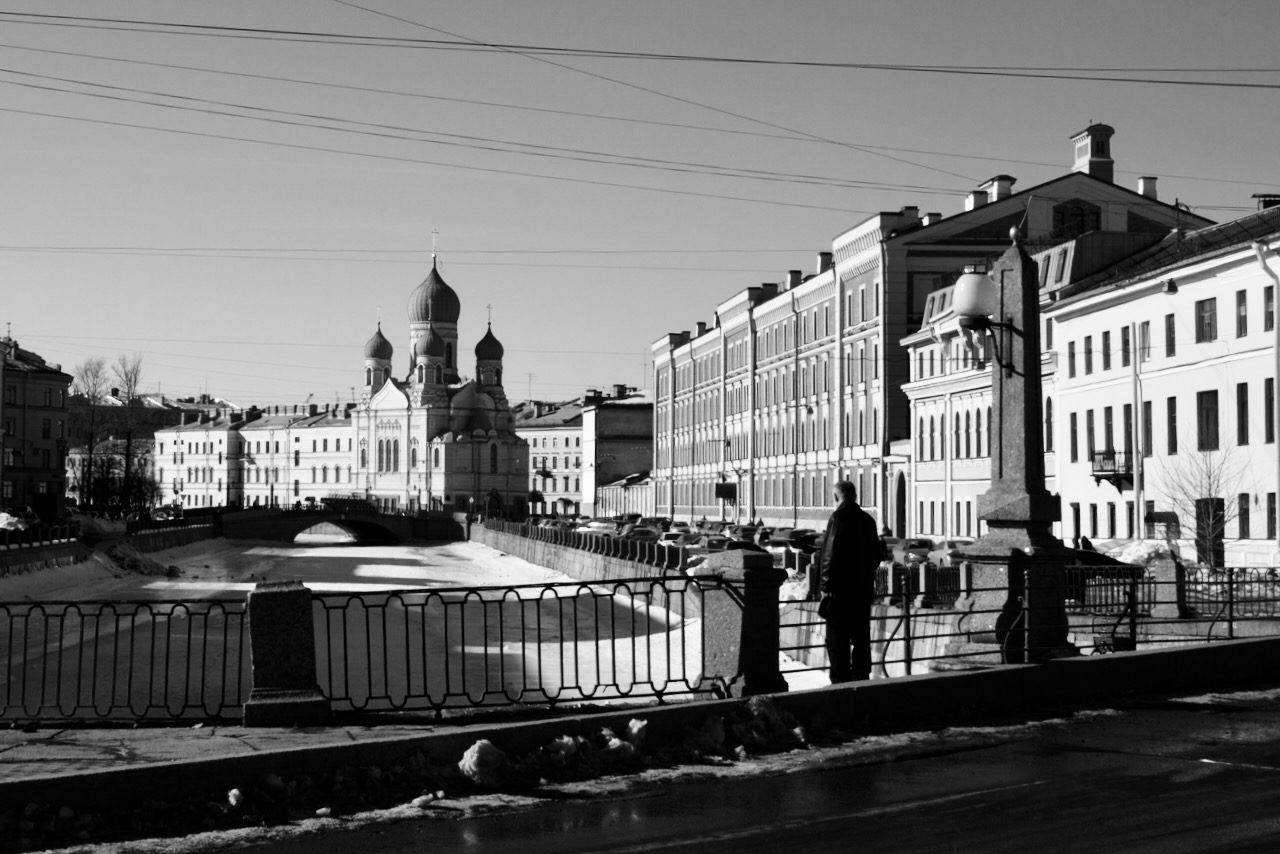
Russia is enormous; treat it as selected gateways, not a country you “cover.” Classic European-Russia travel centers on Moscow and Saint Petersburg: museums, imperial architecture, metro systems, and overnight trains between them. Beyond that, the Trans-Siberian/Trans-Mongolian idea is a multi-week project, not a weekend add-on.
Since 2022, practical access for many Western travelers has changed: fewer direct flights, payment and banking friction, and heightened attention to travel advisories. That does not erase the destinations — it means itineraries need more logistics research than a typical European city break.
Background
Geography for travelers. European Russia holds the main tourist cities and denser rail links. The Urals mark a notional Europe–Asia divide; Siberia and the Far East reward long-haul travelers with space and different climates, at the cost of time and planning.
Climate. Winters are serious — short daylight, deep cold in much of the country — but also the season of ice festivals and low tourist density in cities. Summers bring white nights in Saint Petersburg and the easiest overland weather. Shoulder seasons (May, September) often balance comfort and crowds.
Language and culture. Russian is essential outside tourist hotels; English coverage is patchy. Cyrillic on metro maps becomes manageable quickly. Ballet, classical music, and museum culture are still core reasons people visit the two capitals.
History
For visitors, Russian history is easiest as city layers:
- Medieval Rus and empire — Kremlin ensembles, monastery towns on the Golden Ring, and Saint Petersburg as Peter the Great’s planned window on Europe.
- Imperial 18th–19th centuries — palaces, canals, and the Hermitage collection as the Petersburg experience.
- Soviet century — metro art, monumental avenues, WWII memorials, and the museumification of everyday Soviet design.
- Post-1991 — contemporary neighborhoods, food scenes, and restored churches sitting beside Soviet concrete.
Day trips to places like Sergdal, Vladimir, or Peterhof add depth without needing a national grand tour.
Present Day
Moscow and Saint Petersburg remain the practical cores: walkable historic centers, dense museums, and overnight rail between them (roughly 4 hours on high-speed day trains when running, or classic night trains).
Independent travel is still possible for many passport holders, but you must verify current visa channels, flight routings (often via third countries), insurance, and how you will pay (international cards may not work; plan cash and local options carefully). Check your government travel advisory and airline/route status close to departure.
Domestic tourism fills hotels in peak summer and around New Year. Book museum timed tickets where required (Hermitage and major Moscow museums often need them).
Future Outlook
If you are planning a trip: build a Moscow–Saint Petersburg core (5–8 days minimum), add one Golden Ring day trip if you want small-town Russia, and only extend toward Kazan, Sochi, or Siberia if you already have time and logistics sorted. Treat payments, connectivity, and entry rules as first-class planning items, not afterthoughts.
Map
Topics
No results found.
Persons
Locations
Points of Interest
No results found.
Articles

Closing the Strait of Hormuz: The Card Iran Holds — and What Holding It Cost
And there is no prediction on who’s winning this “Card Game,” is it?

How One Woman Compels the Kremlin to Choose Between Peace and Financial Collapse
Putin’s Toughest Economic Opponent Lives Inside the Kremlin

A European Covenant Draft for Peace in Ukraine
A complementary framework for long-term stability

Pokrovsk: Logistics, Pressure and the Geometry of the Eastern Front
Pokrovsk has become the most stressed point on the eastern Ukrainian front.

Why Ukraine Cannot Lose This War
And why Russia, in a deeper sense, already did

Events that led to the war in Ukraine – a timeline
A 1.000 Years Struggle for An Autonomous National Identity.

Picturing the Past – Postponed Peace in Transnistria
A view inside, in 2010. It’s mainly Smirnov, Sheriff and Medvedev that you see

Empire Logic: How Russia Uses Borders, Identity, and Delay
Russia does not need to occupy a country to control it. It only needs to prevent resolution. From Transnistria to Crimea, from narrative warfare to financial systems, Empire Logic shows how modern power is held — not through conquest, but through structural denial.

Return to Babel: Language, Identity, and Belonging
How identity is filtered — not by law, but by design – and what it means to belong

Russia’s War Machine: How It Fights Without Winning
As negotiations flicker in the background of a grinding war, Russia’s ability to sustain its military effort in Ukraine depends on a fragile web of foreign supply, internal mobilization, and retrofitted Soviet stockpiles. This report examines the current state of Russia’s armed forces in Q2 2025, revealing a system stretched but still operational — and why that matters.
Event Timeline

Collapse of the Soviet Union – The End of an Empire
A red flag lowered, a new world born. The collapse of the Soviet Union ended the Cold War and reshaped the global order.
Budapest Memorandum – Ukraine’s Nuclear Gamble
In 1994, Ukraine surrendered the world’s third-largest nuclear arsenal in exchange for security assurances. The Budapest Memorandum was a milestone in post-Soviet diplomacy – and later, a haunting example of broken promises.


Battle for Pokrovsk
Pokrovsk has become the central pressure point on the eastern front. Russian forces apply sustained pressure on the city’s flanks under foggy, drone-limiting conditions, while Ukraine holds a shrinking but functional logistics hub essential to the defence of Donetsk.

Warsaw Pact Formation – The Eastern Bloc Unites
In May 1955, the Soviet Union and seven Eastern European states signed a mutual defense treaty in Warsaw, creating the Warsaw Pact. It solidified the division of Europe and institutionalized the Soviet bloc in direct opposition to NATO.

Pereyaslav Agreement with Tsarist Russia
The Pereyaslav Agreement between the Cossack Hetmanate and Tsarist Russia marked the beginning of Ukraine’s alignment with Russia, which would evolve into centuries of political, military, and cultural influence.

Union of Lublin – Polish Lithuanian Commonwealth
Before Moscow, there was Lublin. The Polish–Lithuanian Commonwealth laid the groundwork for Western Ukrainian identity — and for centuries of contested rule.

Eurasian Peace Talks
A Summer-offensive is at hand – though strategic talks are still possible.

Crimea Annexation by Russia
In the shadow of Ukraine’s Maidan uprising, Russian forces seized control of Crimea. What followed was a swift, illegal annexation — a violation of international norms that shattered post–Cold War assumptions and launched a new era of geopolitical confrontation.

The Hanseatic League
Beginning in the 14th century, a group of northern European cities formed a commercial and legal alliance that would dominate Baltic trade for centuries. Known as the Hanseatic League, this urban confederation connected ports from Flanders to Novgorod, enabling secure trade, mutual defense, and legal cooperation without central rule.


