
Russia
Intro
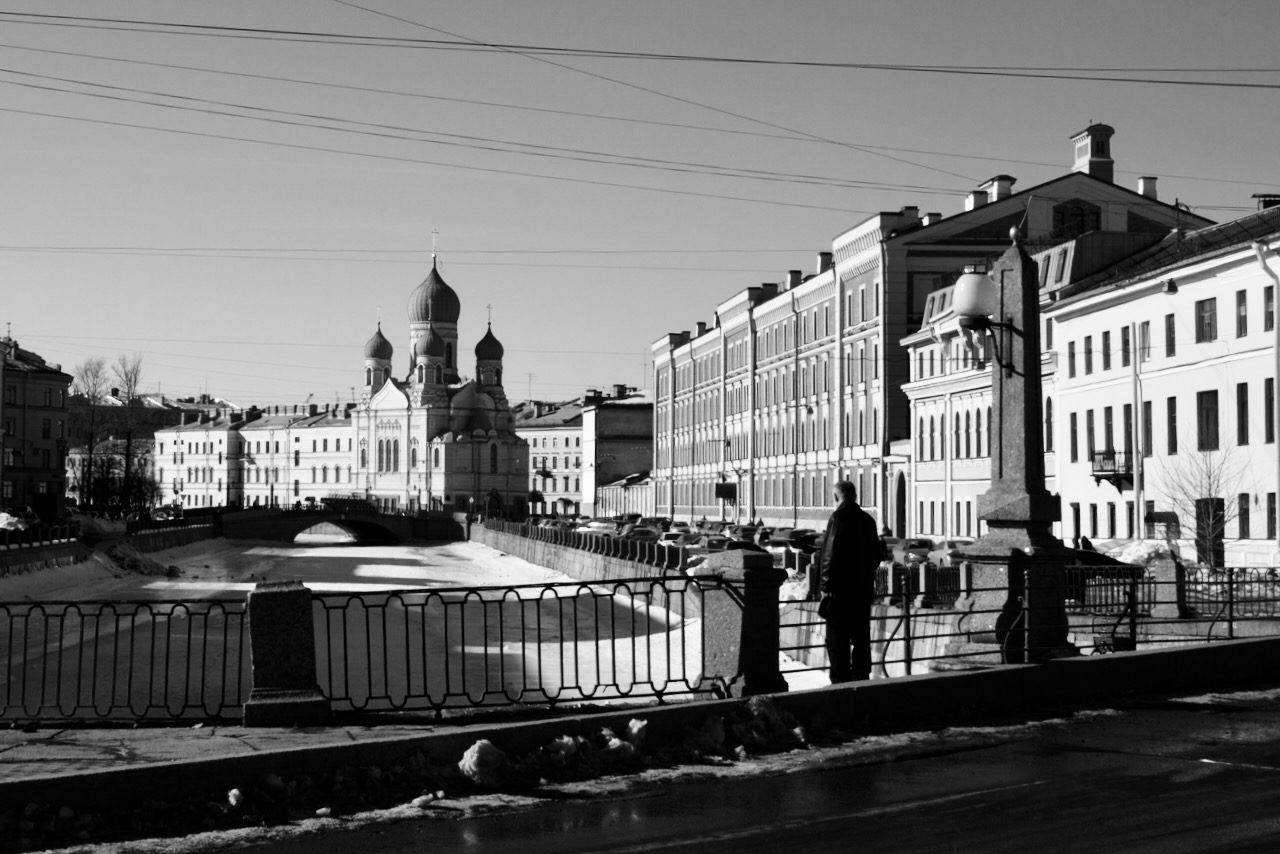
The Russian Federation, commonly known as Russia, emerged from the dissolution of the Soviet Union in 1991. It retains vast territories, rich natural resources, and a complex political legacy.
Background
Historically shaped by tsarist rule, communist revolution, and Cold War rivalry, Russia today seeks to reassert itself as a global power. Its politics center around strong executive leadership, while its economy is heavily dependent on hydrocarbons.
History
- 9th century: Formation of Kievan Rus
- 16th century: Tsardom of Russia
- 1917: Russian Revolution and formation of the Soviet Union
- 1991: Collapse of the USSR and independence of the Russian Federation
Present Day
Future Outlook
Map
Topics
No results found.
Persons
Russia
Locations
Points of Interest
No results found.
Articles

After the War: The Eurasian Covenant
“After the War: The Eurasian Covenant” is not a deal, nor a surrender — but a framework. A vision for lasting peace between Europe, Ukraine, and Russia rooted in dignity, realism, and historical awareness. As old alliances shift and global power balances evolve, this proposal outlines a European-led path forward: balancing security, rebuilding trust, and preparing for a post-hegemonic world. A beginning — before it’s too late.
Event Timeline

Collapse of the Soviet Union – The End of an Empire
A red flag lowered, a new world born. The collapse of the Soviet Union ended the Cold War and reshaped the global order.
Budapest Memorandum – Ukraine’s Nuclear Gamble
In 1994, Ukraine surrendered the world’s third-largest nuclear arsenal in exchange for security assurances. The Budapest Memorandum was a milestone in post-Soviet diplomacy – and later, a haunting example of broken promises.


Battle for Pokrovsk
Pokrovsk has become the central pressure point on the eastern front. Russian forces apply sustained pressure on the city’s flanks under foggy, drone-limiting conditions, while Ukraine holds a shrinking but functional logistics hub essential to the defence of Donetsk.

Warsaw Pact Formation – The Eastern Bloc Unites
In May 1955, the Soviet Union and seven Eastern European states signed a mutual defense treaty in Warsaw, creating the Warsaw Pact. It solidified the division of Europe and institutionalized the Soviet bloc in direct opposition to NATO.

Pereyaslav Agreement with Tsarist Russia
The Pereyaslav Agreement between the Cossack Hetmanate and Tsarist Russia marked the beginning of Ukraine’s alignment with Russia, which would evolve into centuries of political, military, and cultural influence.

Union of Lublin – Polish Lithuanian Commonwealth
Before Moscow, there was Lublin. The Polish–Lithuanian Commonwealth laid the groundwork for Western Ukrainian identity — and for centuries of contested rule.

Eurasian Peace Talks
A Summer-offensive is at hand – though strategic talks are still possible.

Crimea Annexation by Russia
In the shadow of Ukraine’s Maidan uprising, Russian forces seized control of Crimea. What followed was a swift, illegal annexation — a violation of international norms that shattered post–Cold War assumptions and launched a new era of geopolitical confrontation.

The Hanseatic League
Beginning in the 14th century, a group of northern European cities formed a commercial and legal alliance that would dominate Baltic trade for centuries. Known as the Hanseatic League, this urban confederation connected ports from Flanders to Novgorod, enabling secure trade, mutual defense, and legal cooperation without central rule.


The EU Need To Step Up As Geopolitical Power
1,000 sad days of war in Ukraine. China influence is moving forward. The US turns inward. Time to take action in Europe.