
Russia
Intro
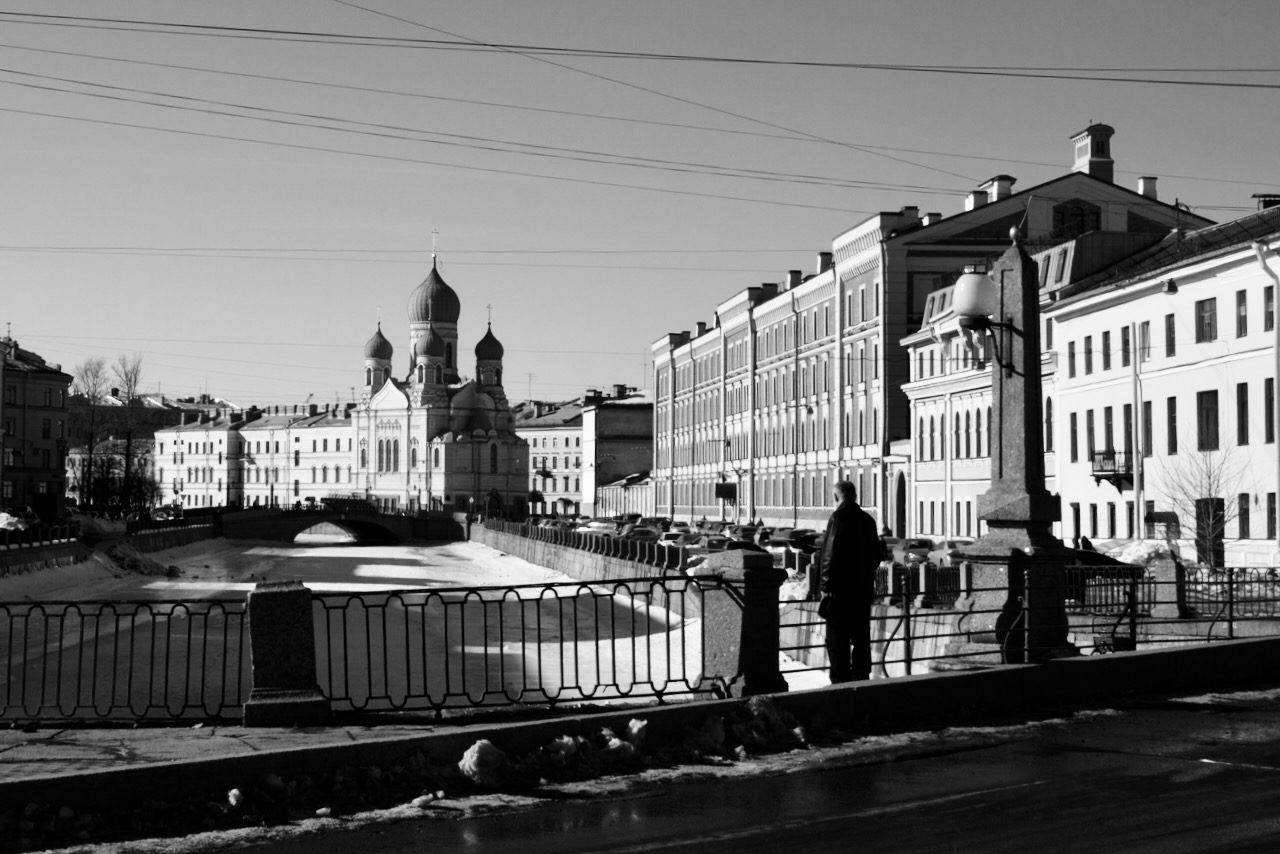
Russia is enormous; treat it as selected gateways, not a country you “cover.” Classic European-Russia travel centers on Moscow and Saint Petersburg: museums, imperial architecture, metro systems, and overnight trains between them. Beyond that, the Trans-Siberian/Trans-Mongolian idea is a multi-week project, not a weekend add-on.
Since 2022, practical access for many Western travelers has changed: fewer direct flights, payment and banking friction, and heightened attention to travel advisories. That does not erase the destinations — it means itineraries need more logistics research than a typical European city break.
Background
Geography for travelers. European Russia holds the main tourist cities and denser rail links. The Urals mark a notional Europe–Asia divide; Siberia and the Far East reward long-haul travelers with space and different climates, at the cost of time and planning.
Climate. Winters are serious — short daylight, deep cold in much of the country — but also the season of ice festivals and low tourist density in cities. Summers bring white nights in Saint Petersburg and the easiest overland weather. Shoulder seasons (May, September) often balance comfort and crowds.
Language and culture. Russian is essential outside tourist hotels; English coverage is patchy. Cyrillic on metro maps becomes manageable quickly. Ballet, classical music, and museum culture are still core reasons people visit the two capitals.
History
For visitors, Russian history is easiest as city layers:
- Medieval Rus and empire — Kremlin ensembles, monastery towns on the Golden Ring, and Saint Petersburg as Peter the Great’s planned window on Europe.
- Imperial 18th–19th centuries — palaces, canals, and the Hermitage collection as the Petersburg experience.
- Soviet century — metro art, monumental avenues, WWII memorials, and the museumification of everyday Soviet design.
- Post-1991 — contemporary neighborhoods, food scenes, and restored churches sitting beside Soviet concrete.
Day trips to places like Sergdal, Vladimir, or Peterhof add depth without needing a national grand tour.
Present Day
Moscow and Saint Petersburg remain the practical cores: walkable historic centers, dense museums, and overnight rail between them (roughly 4 hours on high-speed day trains when running, or classic night trains).
Independent travel is still possible for many passport holders, but you must verify current visa channels, flight routings (often via third countries), insurance, and how you will pay (international cards may not work; plan cash and local options carefully). Check your government travel advisory and airline/route status close to departure.
Domestic tourism fills hotels in peak summer and around New Year. Book museum timed tickets where required (Hermitage and major Moscow museums often need them).
Future Outlook
If you are planning a trip: build a Moscow–Saint Petersburg core (5–8 days minimum), add one Golden Ring day trip if you want small-town Russia, and only extend toward Kazan, Sochi, or Siberia if you already have time and logistics sorted. Treat payments, connectivity, and entry rules as first-class planning items, not afterthoughts.
Map
Topics
No results found.
Persons
No results found.
Locations
No results found.
Points of Interest
No results found.
Articles
No results found.
Event Timeline
No results found.


