
Papua New Guinea
Intro
PNG’s mountainous interior and dispersed islands complicate service delivery and logistics. Resource projects create growth spikes but expose fiscal volatility. Strategic ties expand with Australia, the US, and Japan, while proximity to Indonesia and the Solomon arc links it to wider Indo-Pacific politics.
Background
Since independence in 1975, governance capacity has improved unevenly. Customary land tenure and local politics shape investment timelines. Human development indicators trail regional peers despite resource wealth.
History
Present Day
Future Outlook
If project execution and revenue management improve, PNG can lift trend growth and social outcomes. Risks include commodity downcycles, disaster exposure, and governance bottlenecks.
Map
Topics
Persons

Pete Hegseth
Jake Sullivan

Marco Rubio
Mojtaba Khamenei

María Corina Machado
Herzi Halevi

Mark Rutte
Oleksii Reznikov
Mohammed Deif
Locations
Riyadh

Hong Kong
Serbia
Bulgaria
Laos
Rio de Janeiro
Turkmenistan
Santiago
El Salvador
Paraguay


Articles
Why would Hamas say No to the Ceasefire Agreement?
A ceasefire is currently being negotiated between Hamas and Israel, but Hamas resists acceptance. Despite being at a disadvantage in the conflict, Hamas potentially benefits from growing public dissatisfaction with Israel as the conflict prolongs. Increased international involvement and UNHWR fund unlocks might change the dynamics. However, civilians in Gaza and Israeli hostages are the true sufferers in this ongoing strife.

Monthly Report on influx of Asylum Seekers in Germany – February 2024
Most Asylum Seekers originated from Syria (30%) and 55% from the Total originates from Middle East Countries.
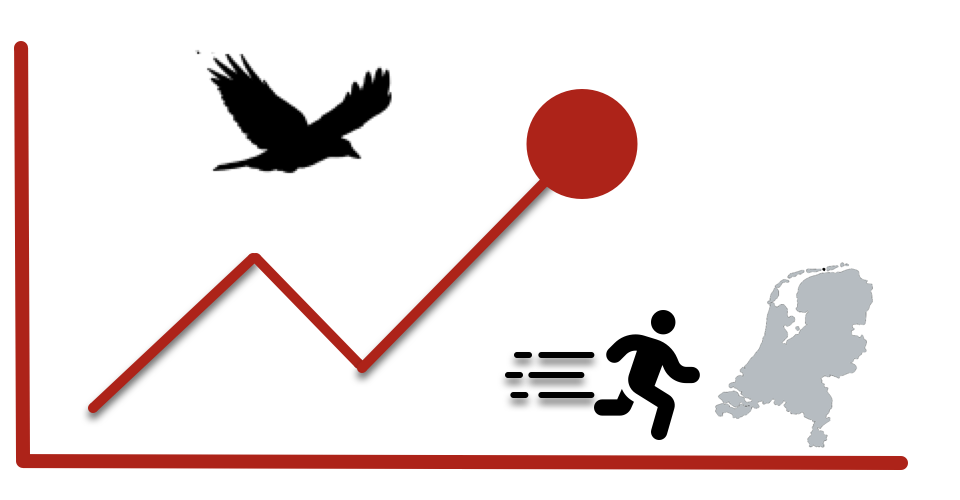
Monthly Report on influx of Asylum Seekers in The Netherlands – February 2024
With 2.480 Asylum Seekers in February, the amount is lower than in January. Most asylum seekers come from Syria (32%) and almost 60% of the total come from the Middle East.
Monthly Report on influx of Asylum Seekers in Germany – January 2024
In January most Asylum Seekers originated from Syria (27%) and 53% from the Total originates from Middle East Countries.
Monthly Report on influx of Asylum Seekers in The Netherlands – January 2024
Most asylum seekers come from Syria (38%) and almost 60% of the total come from the Middle East. The global trend is upward.
Event Timeline
Technocratic Governance and Managed Growth
Between 2002 and 2012, China was governed through a technocratic model emphasizing stability, managed economic growth, and incremental reform under collective leadership.
Convention of Peking
The Convention of Peking ended the Second Opium War and ceded the Kowloon Peninsula south of Boundary Street to Britain.

Second Opium War
The Second Opium War expanded Western military pressure on Qing China, resulting in deeper treaty concessions, legalized opium trade, and intensified foreign presence in imperial affairs.

First Opium War
In June 1839, Chinese official Lin Zexu ordered the destruction of British opium stockpiles in Canton, sparking the First Opium War.
The Long March
The Long March was a strategic retreat by Chinese Communist forces that ensured the survival of the CCP and elevated Mao Zedong as its dominant leader.
Comintern Influence on the Chinese Communist Party
From its founding until the mid-1930s, the Chinese Communist Party (CCP) operated under strong ideological, organizational, and operational influence from the Soviet-led Comintern, shaping leadership struggles and strategy choices until a gradual break during the Long March era.

First Sino-Japanese War
The First Sino-Japanese War exposed the failure of Qing modernization and marked the transfer of regional leadership in East Asia from China to Japan.

Iranian Revolution
In 1979, a mass movement removed the Pahlavi monarchy and established the Islamic Republic, redefining Iran’s political and ideological system.

Reform Movement and the Khatami Presidency
From 1997 to 2005, Iran experienced a reform era focused on civic openness, political participation, and institutional debate.

The Green Movement
In 2009, large-scale protests challenged the presidential election outcome, marking one of the most significant political mobilizations since 1979.


