
Lake Urmia Basin
Intro
Lake Urmia is a hypersaline lake in northwestern Iran, once the largest lake in the Middle East and sixth largest saltwater lake in the world. Since the 1970s it has lost over 80 percent of its surface area due to dam construction on its tributaries, intensive agriculture, and drought. Its collapse has triggered dust storms and soil salinisation across the region.
Background
History
The Lake Urmia basin has been settled since antiquity. The lake, referred to in ancient Assyrian texts and by classical geographers, was a landmark on the routes between Mesopotamia and the Iranian plateau. The region’s mixed ecology of lake, wetland, and mountain supported a diverse population and productive agriculture fed by rivers flowing from the surrounding mountains. In the early twentieth century the basin attracted Western missionaries who established schools and hospitals serving Assyrian, Armenian, and Kurdish communities around the lake’s shores.
Present Day
Lake Urmia itself has lost over 80 percent of its surface area since the 1970s, shrinking from approximately 5,200 square kilometres to under 1,000. The primary causes are dam construction on the eleven rivers feeding the lake, which has reduced inflows by over 40 percent, and intensive irrigation that extracts water before it reaches the lake. The exposed lake bed is a source of toxic salt and dust affecting millions of people in the northwest. The Iranian government has launched restoration programmes including water transfers and agricultural water restrictions, with limited success.
Future Outlook
Map
Articles

EU launches Call for EU business to invest in Ukraine’s recovery and reconstruction
The EU launched a Call for Expression of Interest to mobilize private EU investment in critical areas to support Ukraine’s rebuilding efforts. This includes up to €50 billion in grants and loans for the period 2024-2027. Find out how to apply.
Monthly Report on influx of Asylum Seekers in Germany – September 2024
The global trend is slightly downwards this year and in comparison to last year (2023)
Monthly Report on influx of Asylum Seekers in The Netherlands – September 2024
Higher influx than last month. The global trend is slightly downwards this year and in comparison to last year (2023)
Monthly Report on influx of Asylum Seekers in The Netherlands – August 2024
The global trend is slightly downwards this year and in comparison to last year (2023)
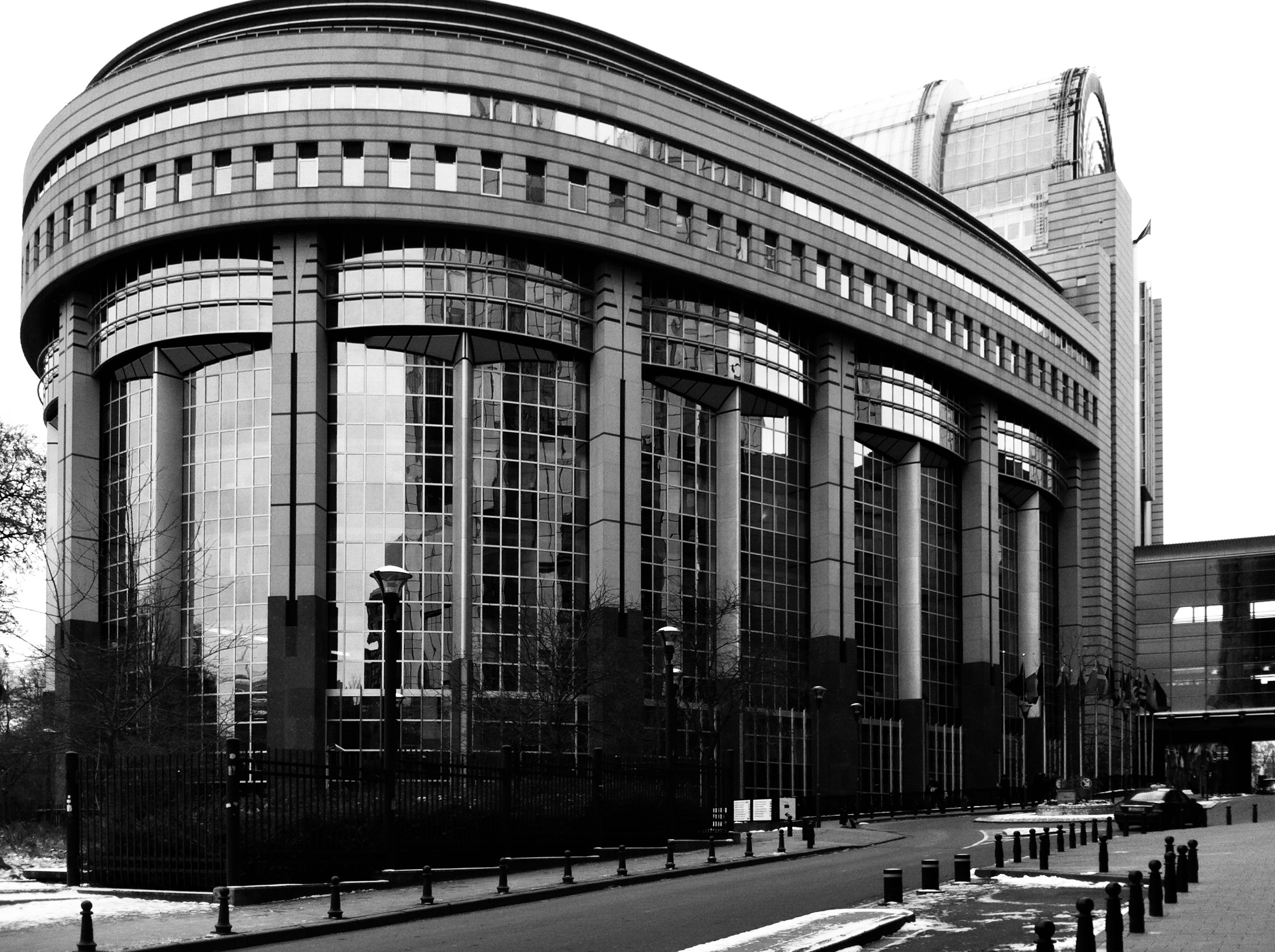
Why You should vote on the european Parliament elections this week
Members of the European Parliament represent citizens of EU countries to address important topics in your daily life. Read more to find out how.
Monthly Report on influx of Asylum Seekers in The Netherlands – April 2024
The Global Trend is currently stable with 2.690 new applications. A higher amount from Unknown Origin (130.

Monthly Report on influx of Asylum Seekers in The Netherlands – March 2024
A minor upward Trend while the majority still originates from Middle East Countries.
Event Timeline
Israeli Strikes in Tehran Killing Larijani
On the night of 16-17 March 2026, Israeli airstrikes in the Tehran area killed Ali Larijani (Secretary of the Supreme National Security Council and de facto leader) and Gholamreza Soleimani (commander of Iran’s internal Basij militia).

Nationalisation of Iranian Oil and the Mossadegh Crisis
From 1951 to 1953, Iran nationalized its oil industry under Prime Minister Mossadegh, leading to an international crisis and the eventual 1953 coup.

Iran Hostage Crisis
In 1979, Iranian students seized the U.S. Embassy in Tehran, holding 52 Americans hostage for 444 days and transforming U.S.-Iran relations.


Taiping Heavenly Kingdom (Taiping Rebellion)
The Taiping Heavenly Kingdom was a large-scale civil war and rival state that challenged Qing rule, resulting in one of the deadliest conflicts in human history and severely weakening imperial authority.
Proclamation of the People’s Republic of China
On 1 October 1949, Mao Zedong proclaimed the People’s Republic of China in Beijing, marking the establishment of Communist rule on the mainland after civil war victory.
First Five-Year Plan and Socialist Transformation
Between 1953 and 1957, China implemented its First Five-Year Plan, restructuring land, industry, and finance along socialist lines and establishing centralized economic planning.
Great Leap Forward
The Great Leap Forward was a nationwide campaign aimed at rapidly industrializing China through mass mobilization and rural collectivization, resulting in severe economic disruption and widespread famine.
Xinhai Revolution
The Xinhai Revolution overthrew the Qing Dynasty and ended over two millennia of imperial rule, leading to the establishment of the Republic of China.


The EU Need To Step Up As Geopolitical Power
1,000 sad days of war in Ukraine. China influence is moving forward. The US turns inward. Time to take action in Europe.