
Dasht-e Kavir
Intro
Dasht-e Kavir, also known as the Great Salt Desert, is one of the two major deserts of Iran. It covers approximately 77,000 square kilometres in north-central Iran. The terrain consists of salt marshes, mudflats, and sand dunes and is largely impassable.
Background
History
The Dasht-e Kavir has been a barrier and a mystery throughout Iranian history. Its salt crusts, treacherous mud beneath the surface, and extreme temperatures made crossing almost impossible without local knowledge. Caravans avoided the interior and traced routes around the edges, connecting Tehran, Isfahan, and Khorasan through the oasis towns of Qom, Kashan, and Semnan on the northern and western margins. The desert’s isolation made it a natural boundary between the settled plateau cities and the nomadic and semi-nomadic populations of the east. No major empire made systematic use of the interior; it was simply avoided.
Present Day
The Dasht-e Kavir today is sparsely inhabited. Its eastern and southern margins contain small oasis settlements sustained by qanats. The desert is used for military testing and has strategic significance as a vast unpopulated buffer zone. Climate change is expanding the desert’s effective boundary as aquifer depletion reduces the extent of irrigated agriculture on its margins. Salt dust storms from the dried surfaces of seasonal lakes within the desert are an increasing environmental problem for surrounding provinces.
Future Outlook
Map
Articles


Control is good, trust is better!
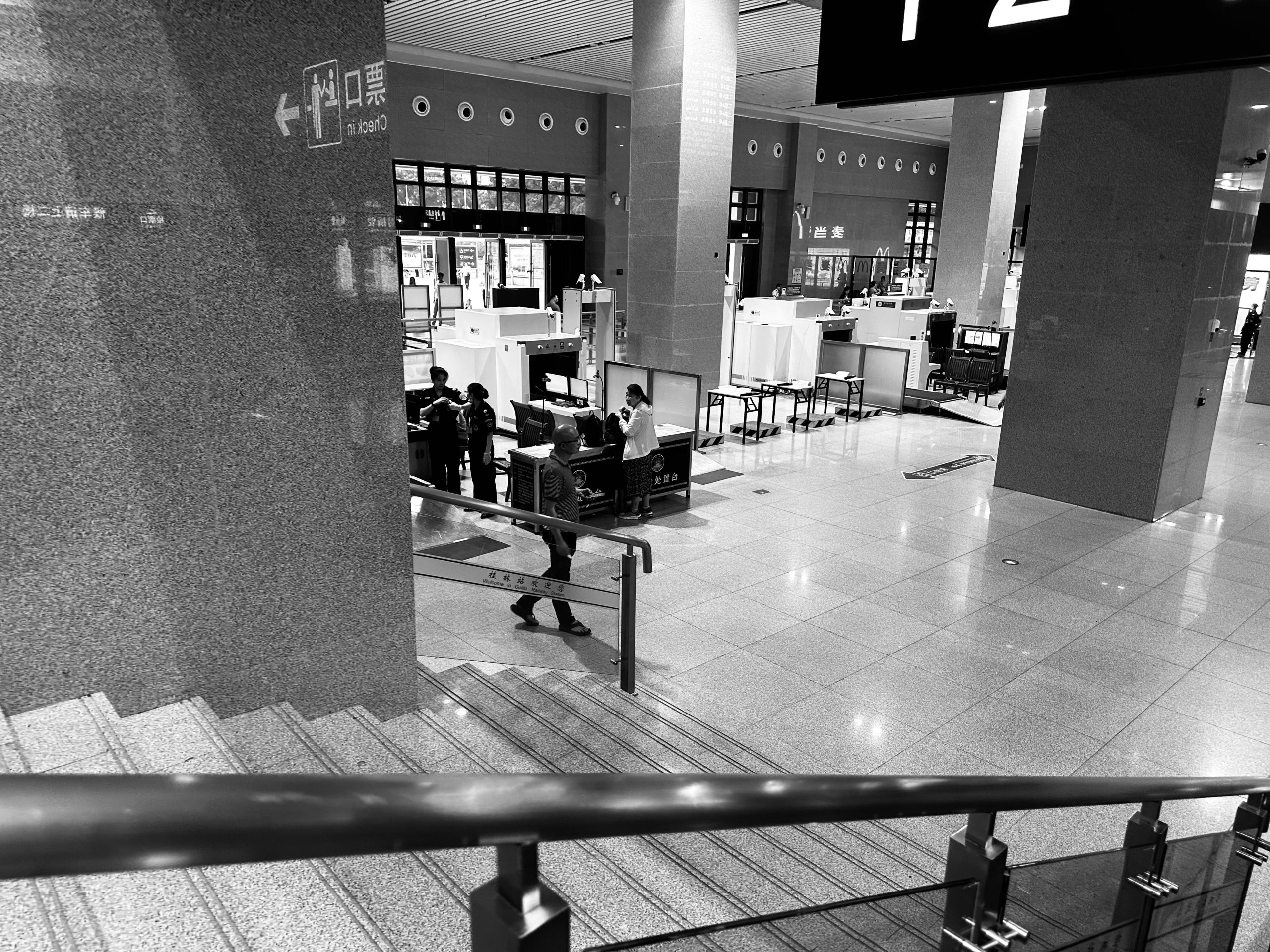
It is almost 2025. There is social unrest. A migration crisis? Foreign influences? A retreat to the national is taking . Border controls are being deployed again. People want to be “in control” again. Will this bring back confidence?
Event Timeline
Israeli Strikes in Tehran Killing Larijani
On the night of 16-17 March 2026, Israeli airstrikes in the Tehran area killed Ali Larijani (Secretary of the Supreme National Security Council and de facto leader) and Gholamreza Soleimani (commander of Iran’s internal Basij militia).

Nationalisation of Iranian Oil and the Mossadegh Crisis
From 1951 to 1953, Iran nationalized its oil industry under Prime Minister Mossadegh, leading to an international crisis and the eventual 1953 coup.

Iran Hostage Crisis
In 1979, Iranian students seized the U.S. Embassy in Tehran, holding 52 Americans hostage for 444 days and transforming U.S.-Iran relations.


Taiping Heavenly Kingdom (Taiping Rebellion)
The Taiping Heavenly Kingdom was a large-scale civil war and rival state that challenged Qing rule, resulting in one of the deadliest conflicts in human history and severely weakening imperial authority.
Proclamation of the People’s Republic of China
On 1 October 1949, Mao Zedong proclaimed the People’s Republic of China in Beijing, marking the establishment of Communist rule on the mainland after civil war victory.
First Five-Year Plan and Socialist Transformation
Between 1953 and 1957, China implemented its First Five-Year Plan, restructuring land, industry, and finance along socialist lines and establishing centralized economic planning.
Great Leap Forward
The Great Leap Forward was a nationwide campaign aimed at rapidly industrializing China through mass mobilization and rural collectivization, resulting in severe economic disruption and widespread famine.
Xinhai Revolution
The Xinhai Revolution overthrew the Qing Dynasty and ended over two millennia of imperial rule, leading to the establishment of the Republic of China.


