
Kosovo
Intro
Following the 1999 NATO intervention, Kosovo declared independence from Serbia in 2008. Its sovereignty remains contested but recognized by most EU and NATO members. The country aspires to Euro-Atlantic integration under international supervision.
Background
The 1998-1999 Kosovo War ended with NATO’s intervention and the withdrawal of Serbian forces. UNMIK and KFOR established provisional governance, transitioning toward independence. Despite non-recognition by Serbia, Russia, and several EU members, Kosovo operates as a functioning democracy.
History
- 1999: NATO intervention ends conflict – 2008: Declaration of independence – 2010: ICJ advisory opinion affirms legality of declaration – 2013: Brussels Agreement begins normalization dialogue with Serbia – 2020s: EU-mediated talks continue; limited progress on recognition
Present Day
In 2025, Kosovo remains stable under NATO and EU supervision. Dialogue with Serbia advances slowly; domestic reform strengthens democratic institutions.
Future Outlook
Kosovo’s path to full international integration depends on Serbia normalization and broader EU consensus on recognition.
Map
Topics
Persons

Pete Hegseth
Jake Sullivan

Marco Rubio
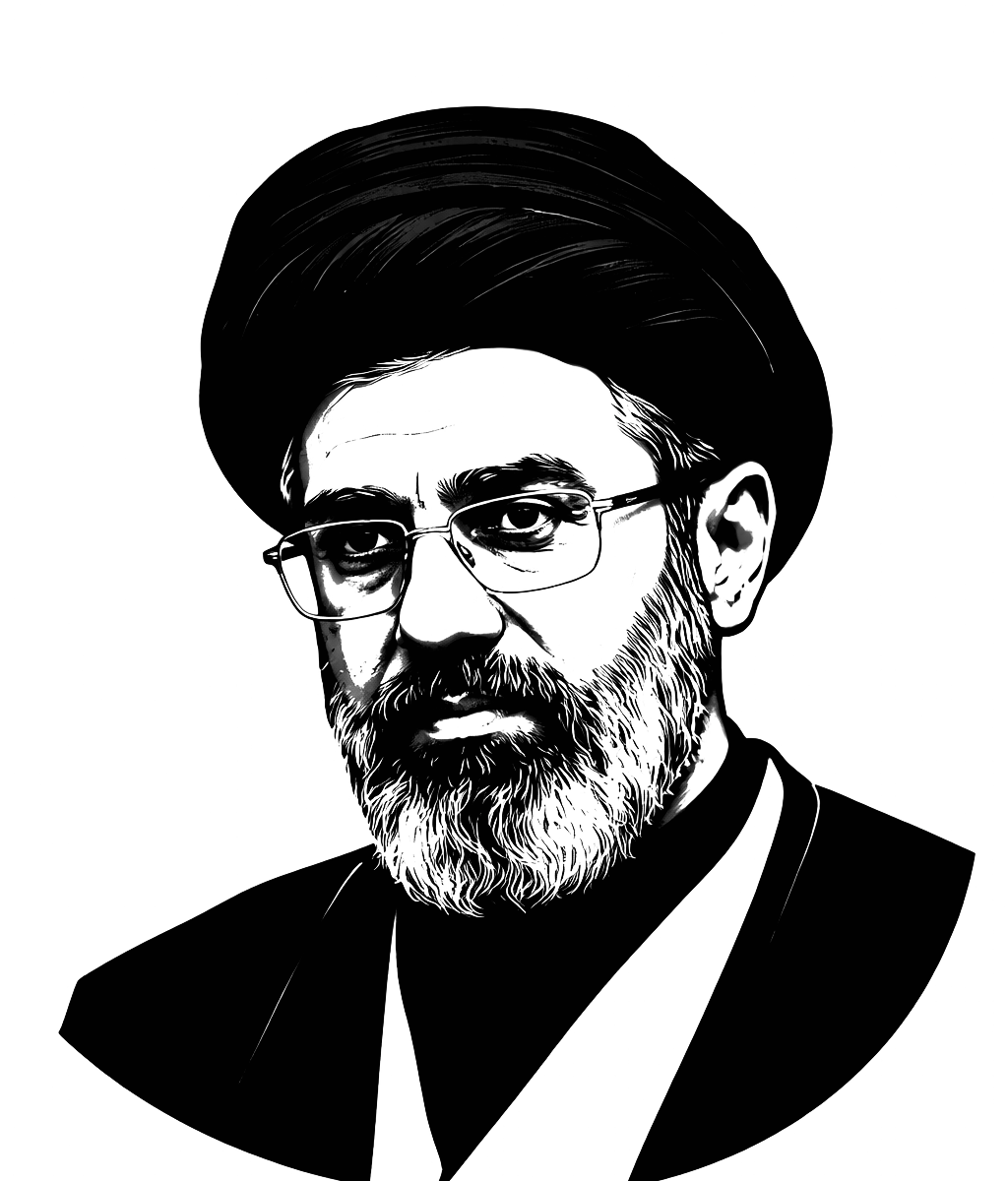
Mojtaba Khamenei

Mark Rutte

María Corina Machado
Herzi Halevi
Oleksii Reznikov
Oleksandr Syrskyi
Locations
Italy
Central America
Myanmar
South Korea
Guangxi Zhuang Autonomous Region
Colombia
Spain
Donetsk Oblast
Iraq
Sudan


Articles

Why Ukraine Cannot Lose This War
And why Russia, in a deeper sense, already did


24 Hours in Tbilisi and Mtshketa
Citadel views, sulfur steam, silent prayers — and a capital caught between memory and movement.

The Geographical Pivot of Constraints
How supply chains and constraint, will shape the global struggle

Events that led to the war in Ukraine – a timeline
A 1.000 Years Struggle for An Autonomous National Identity.

Picturing the Past – Postponed Peace in Transnistria
A view inside, in 2010. It’s mainly Smirnov, Sheriff and Medvedev that you see

24 Hours in Vilnius
Baroque echoes, Jewish memory, Soviet scars — and a city that stands without spectacle.

The Baltic’s Burden
What a Nation Remembers in the Morning.

Empire Logic: How Russia Uses Borders, Identity, and Delay
Russia does not need to occupy a country to control it. It only needs to prevent resolution. From Transnistria to Crimea, from narrative warfare to financial systems, Empire Logic shows how modern power is held — not through conquest, but through structural denial.
Event Timeline
China Launches the Belt and Road Initiative
In 2013, China launched the Belt and Road Initiative (BRI), a long-term strategy to expand infrastructure, trade, and connectivity across Eurasia, Africa, and beyond.
China-United States Trade War (Trump I)
In 2018, trade tensions between China and the United States escalated into a sustained tariff and technology conflict, marking a turning point in bilateral economic relations.

Hong Kong Protests
In 2019, mass protests erupted in Hong Kong in response to proposed extradition legislation, evolving into a broader movement centered on civil liberties, autonomy, and governance.
China’s Zero-COVID Policy
From 2020 to 2022, China implemented a Zero-COVID policy aimed at eliminating domestic transmission through lockdowns, mass testing, travel controls, and centralized quarantine.
China’s 20th Party Congress
In October 2022, China held its 20th Party Congress, confirming leadership continuity and setting policy priorities for the coming years.
Trump Meets Xi Jinping
U.S. President Donald Trump meets Chinese leader Xi Jinping on the sidelines of an international summit, marking a high-level diplomatic engagement amid renewed economic and strategic tensions.
China Responds to Dutch Action on Nexperia
China responds diplomatically to the Dutch intervention in Nexperia, warning of consequences for bilateral economic and technological relations.
The Netherlands Intervenes in Nexperia Ownership
The Dutch government intervenes in the ownership and governance of semiconductor producer Nexperia, citing national security and strategic supply-chain concerns.

Boxer Rebellion
The Boxer Rebellion was a violent anti-foreign and anti-Christian uprising that drew direct military intervention by multiple foreign powers and further undermined Qing sovereignty.
Qin Unification of the Warring States
The Qin state completed the military unification of the Warring States, ending centuries of fragmentation and creating the first centralized imperial state in Chinese history.


