
Croatia
Intro
As an EU and NATO member, Croatia bridges Central Europe and the Adriatic. The country’s strategic location, infrastructure, and tourism sector make it one of the most prosperous in the Balkans, though demographic decline continues.
Background
Independence in 1991 followed the breakup of Yugoslavia and a prolonged war. EU integration anchored democratic and economic recovery. Croatia joined the Eurozone and Schengen in 2023, consolidating its position in European structures.
History
- 1991: Independence and start of the Croatian War of Independence – 1995: Operation Storm ends war, territorial reintegration – 2013: Joins the European Union – 2023: Enters Eurozone and Schengen Area
Present Day
In 2025, Croatia leads in Balkan stability and EU integration, with strong fiscal indicators and renewed investment in green and digital sectors.
Future Outlook
Croatia will continue leveraging its EU position and maritime infrastructure. Tourism diversification and energy transition are critical for sustainability.
Map
Topics
Persons
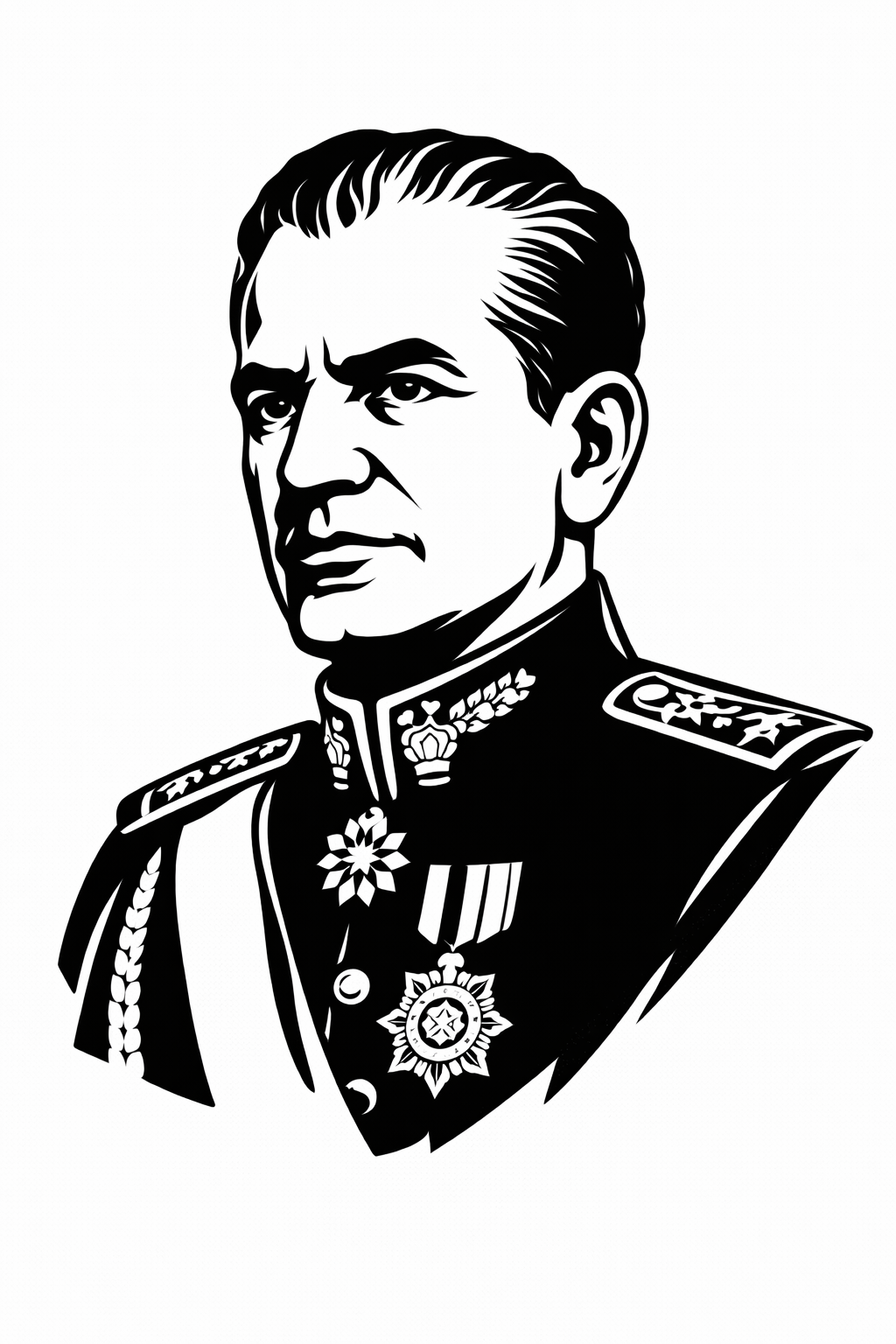
Mohammad Reza Shah Pahlavi

Leonid Brezhnev
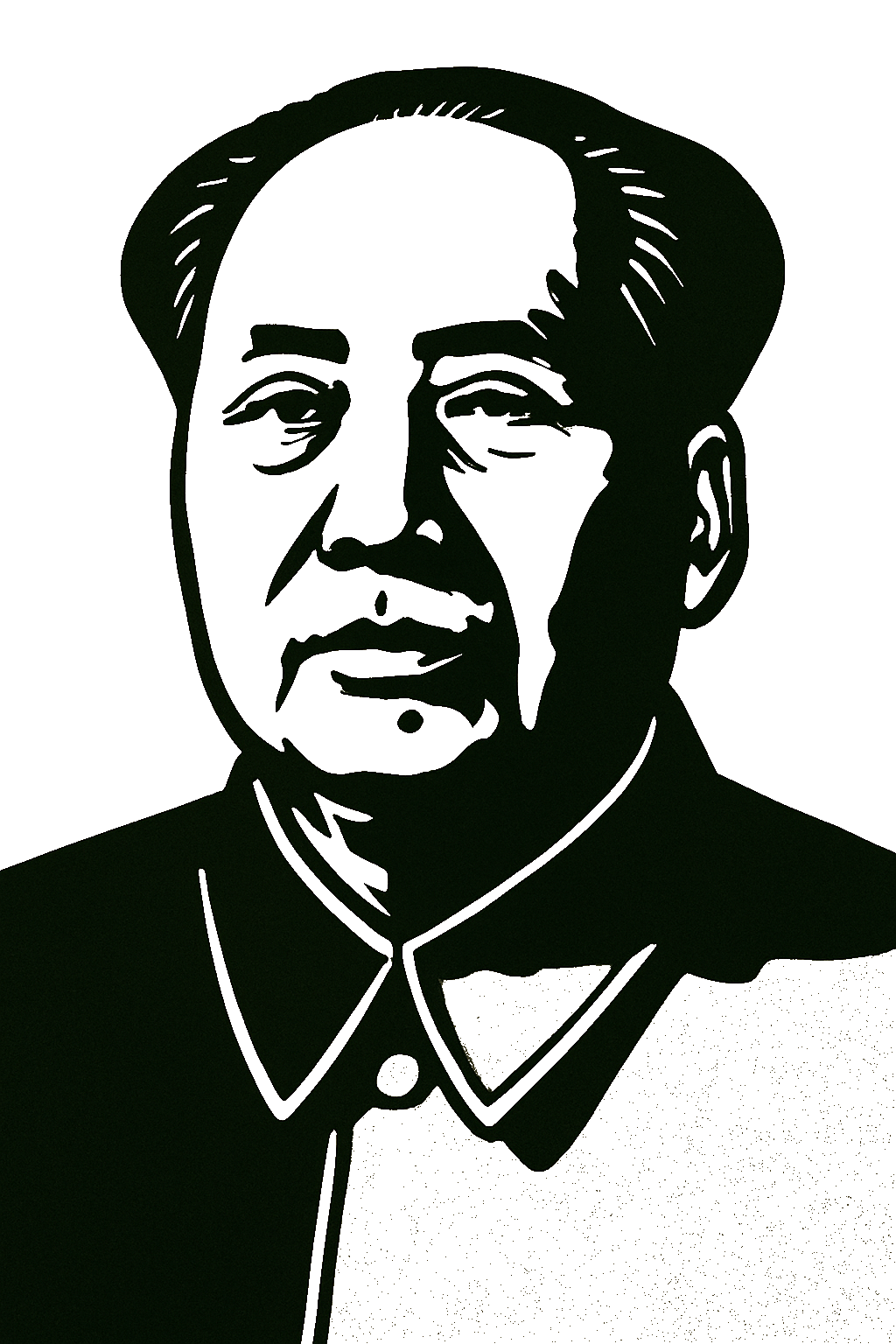
Mao Zedong
Martin Heidegger
Adolf Hitler
Oswald Spengler
Winston Churchill
Karl Haushofer
Neville Chamberlain
Locations
Mainland China

China
India
North America
United States
Indonesia
Pakistan
Bangladesh
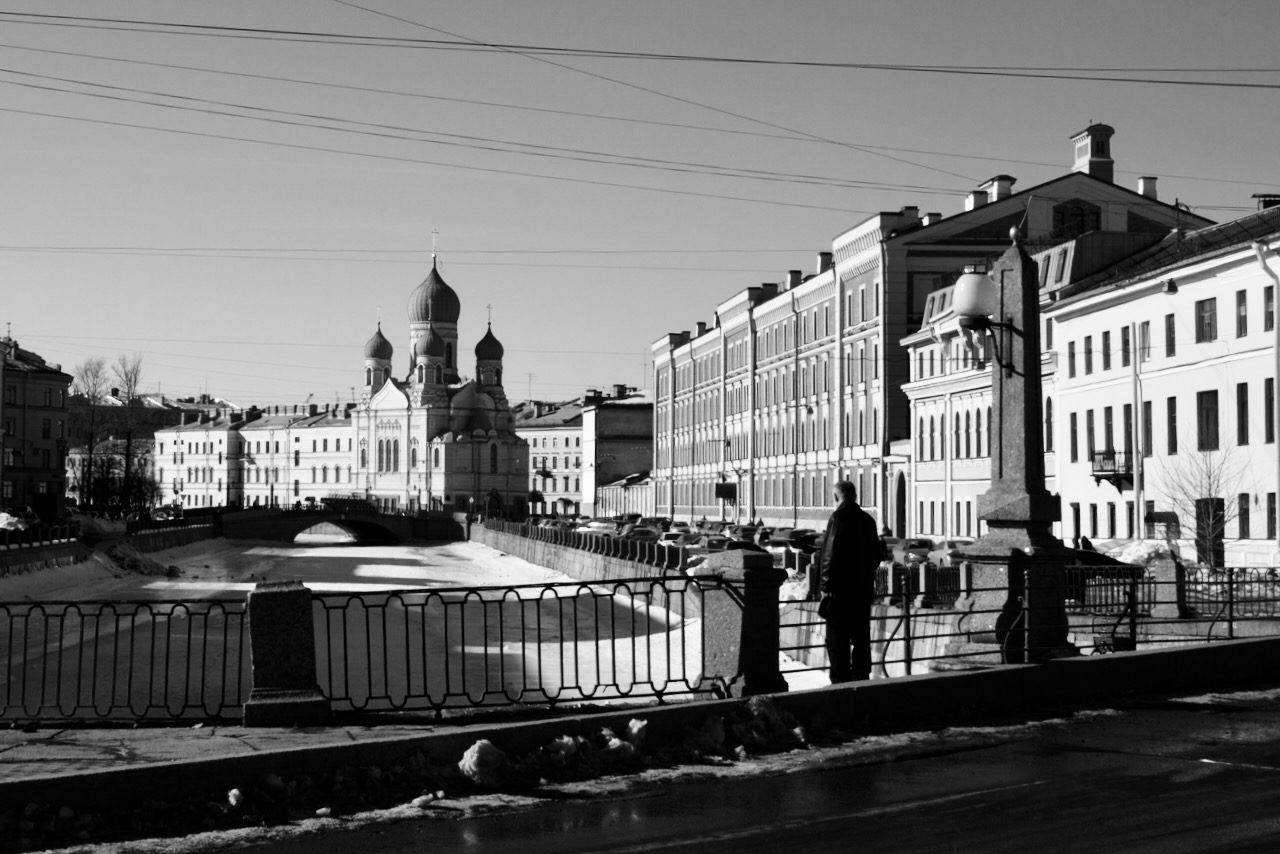
Russia
Japan


Articles
Why would Hamas say No to the Ceasefire Agreement?
A ceasefire is currently being negotiated between Hamas and Israel, but Hamas resists acceptance. Despite being at a disadvantage in the conflict, Hamas potentially benefits from growing public dissatisfaction with Israel as the conflict prolongs. Increased international involvement and UNHWR fund unlocks might change the dynamics. However, civilians in Gaza and Israeli hostages are the true sufferers in this ongoing strife.

Monthly Report on influx of Asylum Seekers in Germany – February 2024
Most Asylum Seekers originated from Syria (30%) and 55% from the Total originates from Middle East Countries.

Monthly Report on influx of Asylum Seekers in The Netherlands – February 2024
With 2.480 Asylum Seekers in February, the amount is lower than in January. Most asylum seekers come from Syria (32%) and almost 60% of the total come from the Middle East.
Monthly Report on influx of Asylum Seekers in Germany – January 2024
In January most Asylum Seekers originated from Syria (27%) and 53% from the Total originates from Middle East Countries.
Monthly Report on influx of Asylum Seekers in The Netherlands – January 2024
Most asylum seekers come from Syria (38%) and almost 60% of the total come from the Middle East. The global trend is upward.
Event Timeline
Israeli Strikes in Tehran Killing Larijani
On the night of 16-17 March 2026, Israeli airstrikes in the Tehran area killed Ali Larijani (Secretary of the Supreme National Security Council and de facto leader) and Gholamreza Soleimani (commander of Iran’s internal Basij militia).

Nationalisation of Iranian Oil and the Mossadegh Crisis
From 1951 to 1953, Iran nationalized its oil industry under Prime Minister Mossadegh, leading to an international crisis and the eventual 1953 coup.

Iran Hostage Crisis
In 1979, Iranian students seized the U.S. Embassy in Tehran, holding 52 Americans hostage for 444 days and transforming U.S.-Iran relations.


Taiping Heavenly Kingdom (Taiping Rebellion)
The Taiping Heavenly Kingdom was a large-scale civil war and rival state that challenged Qing rule, resulting in one of the deadliest conflicts in human history and severely weakening imperial authority.
Proclamation of the People’s Republic of China
On 1 October 1949, Mao Zedong proclaimed the People’s Republic of China in Beijing, marking the establishment of Communist rule on the mainland after civil war victory.
First Five-Year Plan and Socialist Transformation
Between 1953 and 1957, China implemented its First Five-Year Plan, restructuring land, industry, and finance along socialist lines and establishing centralized economic planning.
Great Leap Forward
The Great Leap Forward was a nationwide campaign aimed at rapidly industrializing China through mass mobilization and rural collectivization, resulting in severe economic disruption and widespread famine.
Xinhai Revolution
The Xinhai Revolution overthrew the Qing Dynasty and ended over two millennia of imperial rule, leading to the establishment of the Republic of China.


