
Croatia
Intro
As an EU and NATO member, Croatia bridges Central Europe and the Adriatic. The country’s strategic location, infrastructure, and tourism sector make it one of the most prosperous in the Balkans, though demographic decline continues.
Background
Independence in 1991 followed the breakup of Yugoslavia and a prolonged war. EU integration anchored democratic and economic recovery. Croatia joined the Eurozone and Schengen in 2023, consolidating its position in European structures.
History
- 1991: Independence and start of the Croatian War of Independence – 1995: Operation Storm ends war, territorial reintegration – 2013: Joins the European Union – 2023: Enters Eurozone and Schengen Area
Present Day
In 2025, Croatia leads in Balkan stability and EU integration, with strong fiscal indicators and renewed investment in green and digital sectors.
Future Outlook
Croatia will continue leveraging its EU position and maritime infrastructure. Tourism diversification and energy transition are critical for sustainability.
Map
Topics
Persons

Pete Hegseth
Jake Sullivan

Marco Rubio
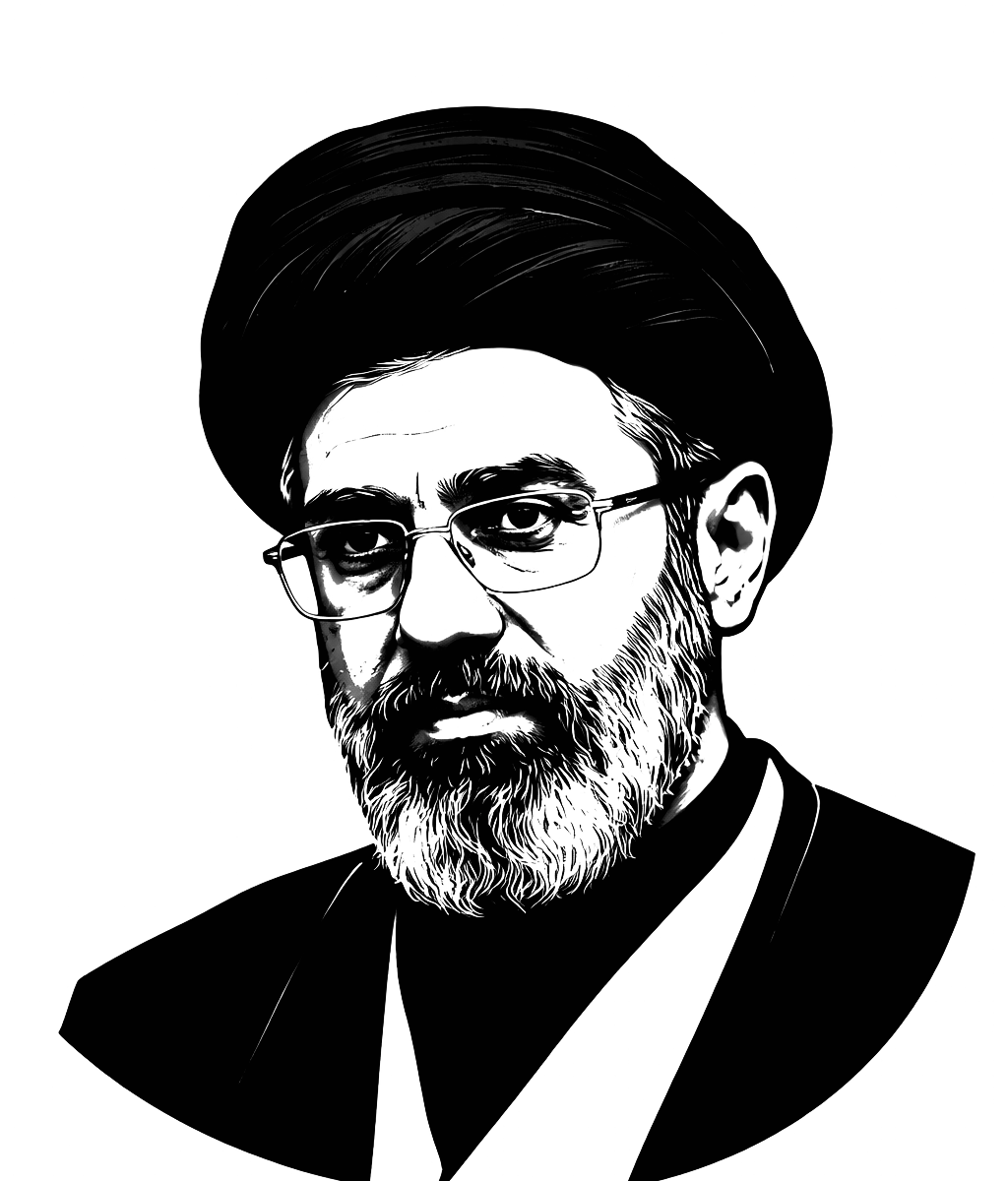
Mojtaba Khamenei

Mark Rutte

María Corina Machado
Herzi Halevi
Oleksii Reznikov
Mohammed Deif
Locations
Persian Plateau
Pokrovsk
Poltava Oblast
Pompeii
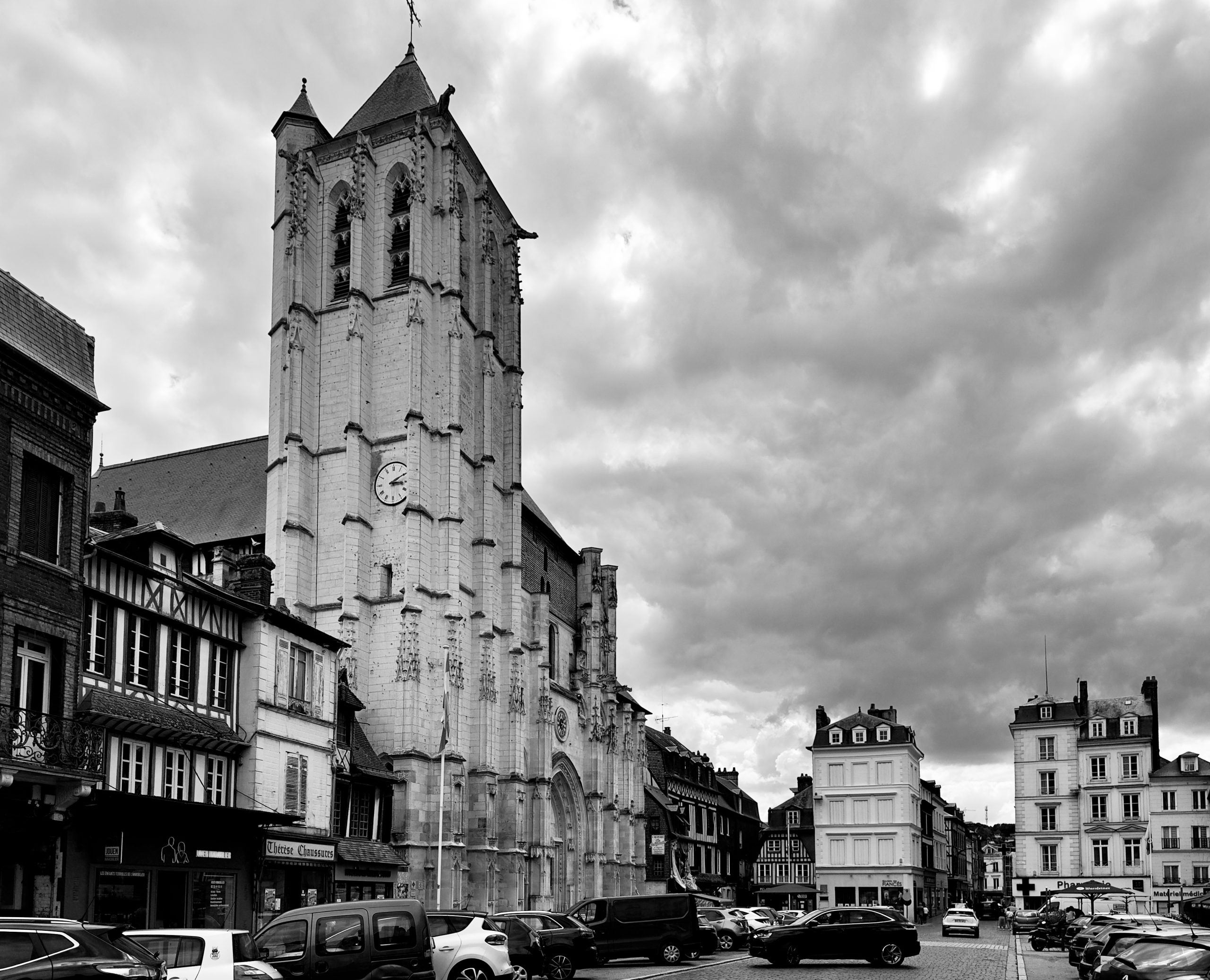
Pont-Audemer
Rivne Oblast
Robotyne
Rostov-on-Don


Articles


Control is good, trust is better!
It is almost 2025. There is social unrest. A migration crisis? Foreign influences? A retreat to the national is taking . Border controls are being deployed again. People want to be “in control” again. Will this bring back confidence?
Event Timeline

Polish-Lithuanian Rule over Ukraine
Before Moscow, there was Lublin. The Polish–Lithuanian Commonwealth laid the groundwork for Western Ukrainian identity — and for centuries of contested rule.


