
Croatia
Intro
As an EU and NATO member, Croatia bridges Central Europe and the Adriatic. The country’s strategic location, infrastructure, and tourism sector make it one of the most prosperous in the Balkans, though demographic decline continues.
Background
Independence in 1991 followed the breakup of Yugoslavia and a prolonged war. EU integration anchored democratic and economic recovery. Croatia joined the Eurozone and Schengen in 2023, consolidating its position in European structures.
History
- 1991: Independence and start of the Croatian War of Independence – 1995: Operation Storm ends war, territorial reintegration – 2013: Joins the European Union – 2023: Enters Eurozone and Schengen Area
Present Day
In 2025, Croatia leads in Balkan stability and EU integration, with strong fiscal indicators and renewed investment in green and digital sectors.
Future Outlook
Croatia will continue leveraging its EU position and maritime infrastructure. Tourism diversification and energy transition are critical for sustainability.
Map
Topics
Persons

Pete Hegseth
Jake Sullivan
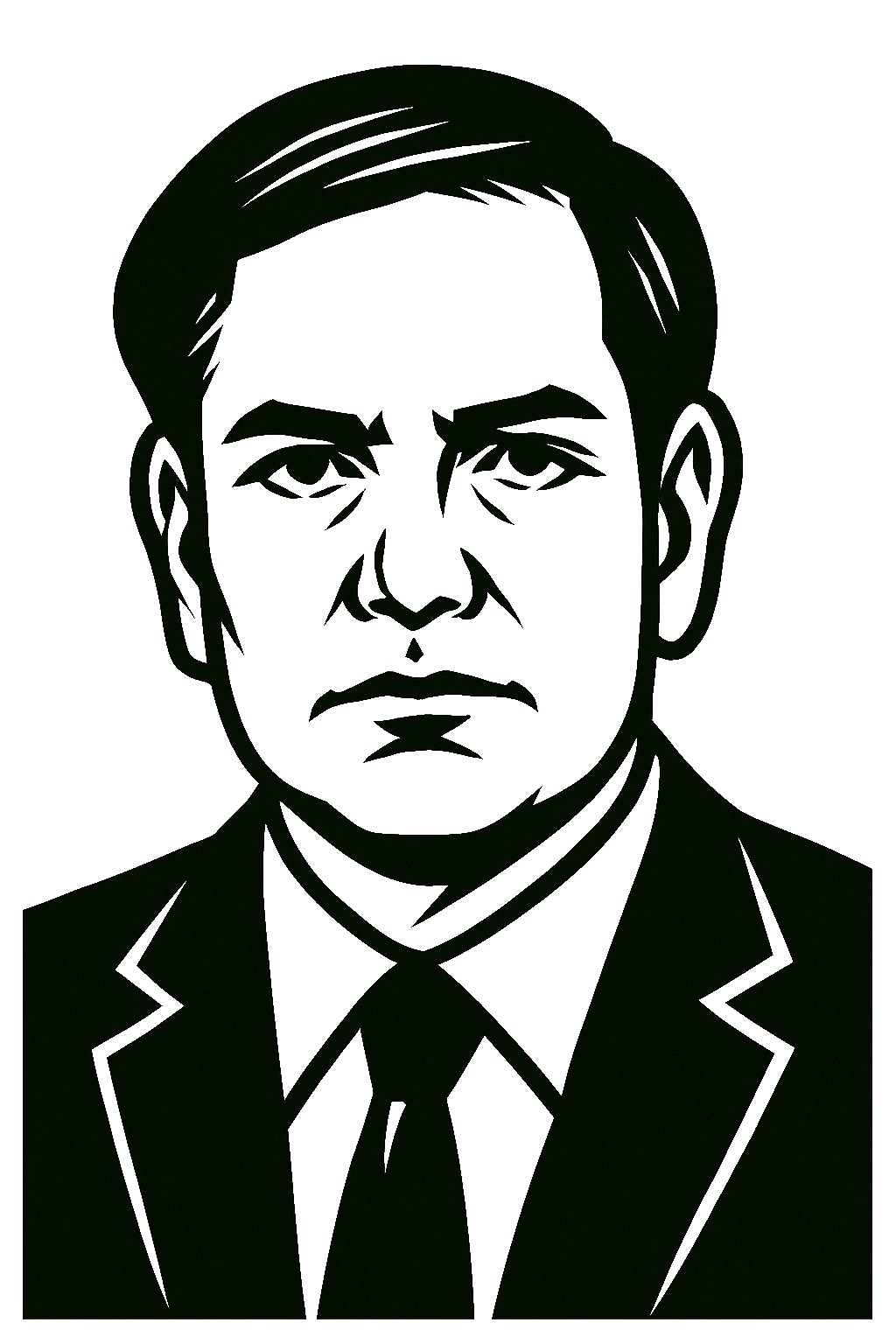
Marco Rubio
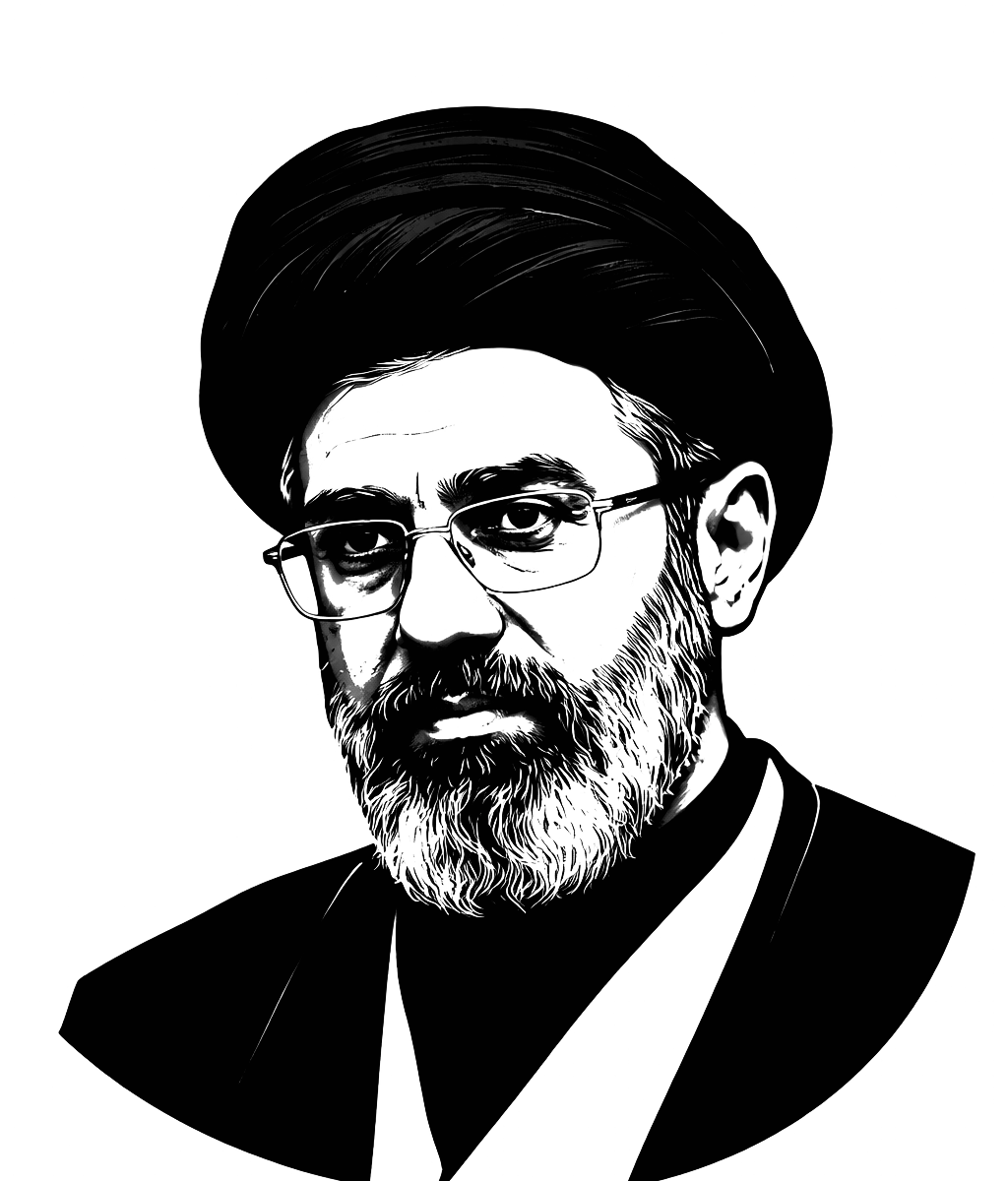
Mojtaba Khamenei

María Corina Machado
Herzi Halevi
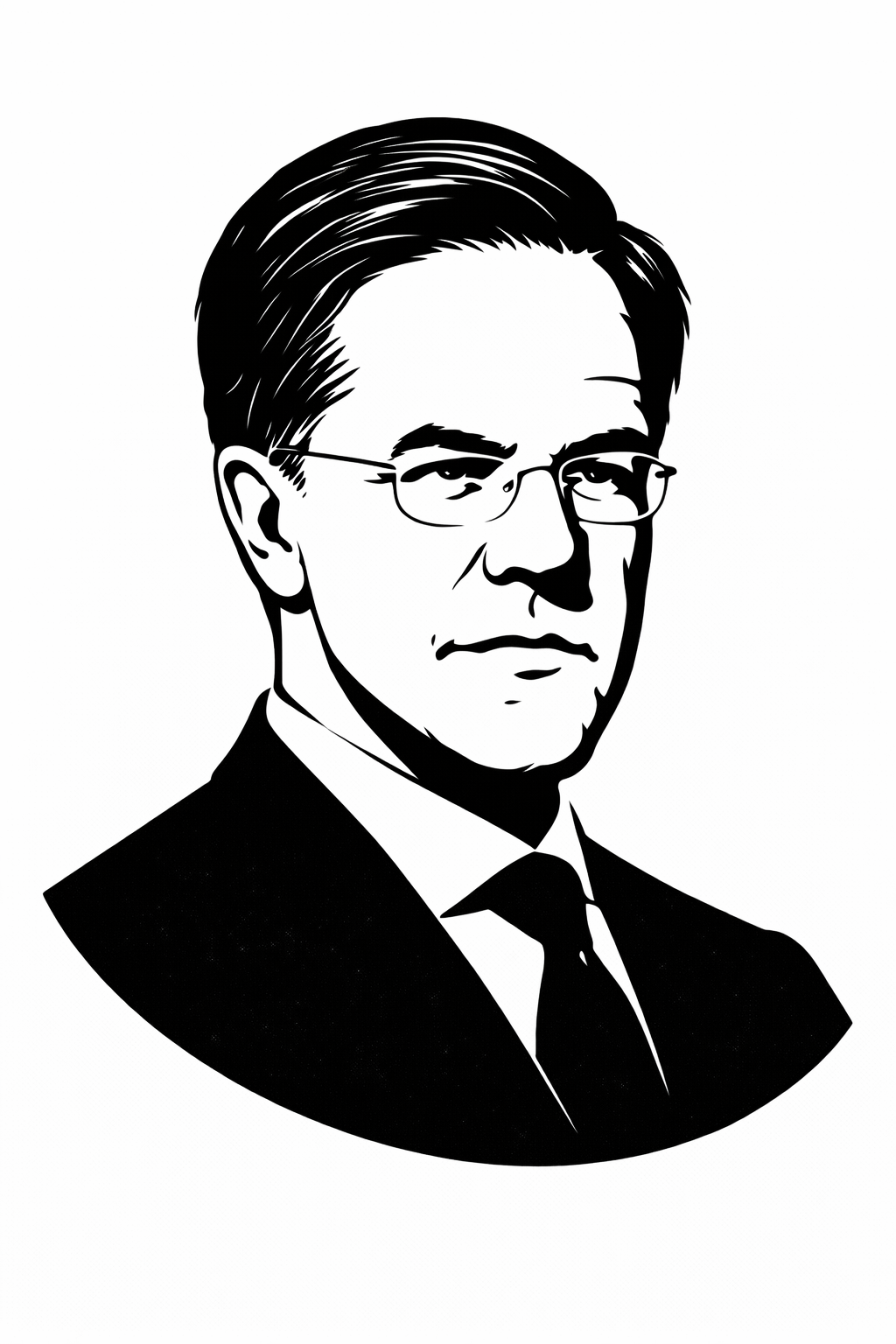
Mark Rutte
Oleksii Reznikov
Mohammed Deif
Locations


Articles

Return to Babel: Language, Identity, and Belonging
How identity is filtered — not by law, but by design – and what it means to belong

Russia’s War Machine: How It Fights Without Winning
As negotiations flicker in the background of a grinding war, Russia’s ability to sustain its military effort in Ukraine depends on a fragile web of foreign supply, internal mobilization, and retrofitted Soviet stockpiles. This report examines the current state of Russia’s armed forces in Q2 2025, revealing a system stretched but still operational — and why that matters.


Don’t Bet on the Bully: Why Europe Must Stop Investing in the U.S.
As European firms like Daimler, Volkswagen, and Siemens expand their investments in the U.S., they risk tying their futures to a volatile partner. Short-term economic incentives and a temporarily favorable exchange rate obscure deeper structural risks: political instability, panic-driven corporate culture, and growing protectionism. Europe is not dependent on the U.S. — not for gas, not for markets, and certainly not for leadership. Strategic autonomy begins with saying no.

How Donald Trump Could Win the Nobel Prize for Peace
Donald Trump, the dealmaker, the disrupter — could he still become a man of peace? What would it take? Humility!


After the War: The Eurasian Covenant
“After the War: The Eurasian Covenant” is not a deal, nor a surrender — but a framework. A vision for lasting peace between Europe, Ukraine, and Russia rooted in dignity, realism, and historical awareness. As old alliances shift and global power balances evolve, this proposal outlines a European-led path forward: balancing security, rebuilding trust, and preparing for a post-hegemonic world. A beginning — before it’s too late.
Event Timeline

U.S. arrests Nicolás Maduro
U.S. forces arrest Nicolás Maduro in Caracas, removing him from power through external intervention.
British Occupation of Hong Kong Island
British forces landed on Hong Kong Island and claimed it in the name of the Crown following the First Opium War.

Treaty of Nanking Signed
The Treaty of Nanking ended the First Opium War and ceded Hong Kong Island to Britain, formalizing its colonial status.
Kowloon Peninsula Ceded to Britain
The Convention of Peking ceded the southern part of the Kowloon Peninsula to Britain, extending colonial Hong Kong beyond the island.
British Lease of New Territories
Britain signed a 99-year lease with the Qing Empire, adding the New Territories and islands to colonial Hong Kong.
Kowloon Walled City Preserved
Britain leases the New Territories for 99 years but allows China to retain nominal control of the Kowloon Walled City.
Japanese Invasion of Hong Kong
Japan invades British Hong Kong, launching a bloody battle and three years of occupation.
Return to British Control
British forces retook control of Hong Kong from Japan after Japan’s surrender in World War II.


The Sumy Attack: Beyond Violence, Towards Understanding the Message
On Palm Sunday, Russia attacked the Ukrainian city of Sumy in an act that went beyond war — a message of hatred that struck civilians and sacred meaning alike.