
Bosnia and Herzegovina
Intro
The country’s tripartite power-sharing model reflects the legacy of the 1992-1995 war. Bosnia is supervised by an international High Representative and aspires to EU and NATO membership. Economic growth is modest and heavily dependent on remittances.
Background
The Dayton Peace Agreement (1995) ended one of Europe’s bloodiest post-Cold War conflicts. Ethnic division persists through parallel institutions in the Federation and Republika Srpska. EU integration is gradual, constrained by governance reform and external influence from Serbia and Russia.
History
- 1992: Independence and start of Bosnian War – 1995: Dayton Peace Agreement establishes federal structure – 2004: NATO-led stabilization mission replaced by EUFOR – 2022: EU candidate status granted – 2020s: Ongoing reform and national unity efforts
Present Day
In 2025, Bosnia navigates between stagnation and gradual EU reform under renewed regional mediation. Security remains stable but fragile under external pressure from Russia and local nationalist movements.
Future Outlook
Progress toward EU integration depends on constitutional reform and centralized governance. Sustained international oversight remains necessary for stability.
Map
Topics
Persons

Masoud Pezeshkian

Hugo Chávez
Lloyd Austin
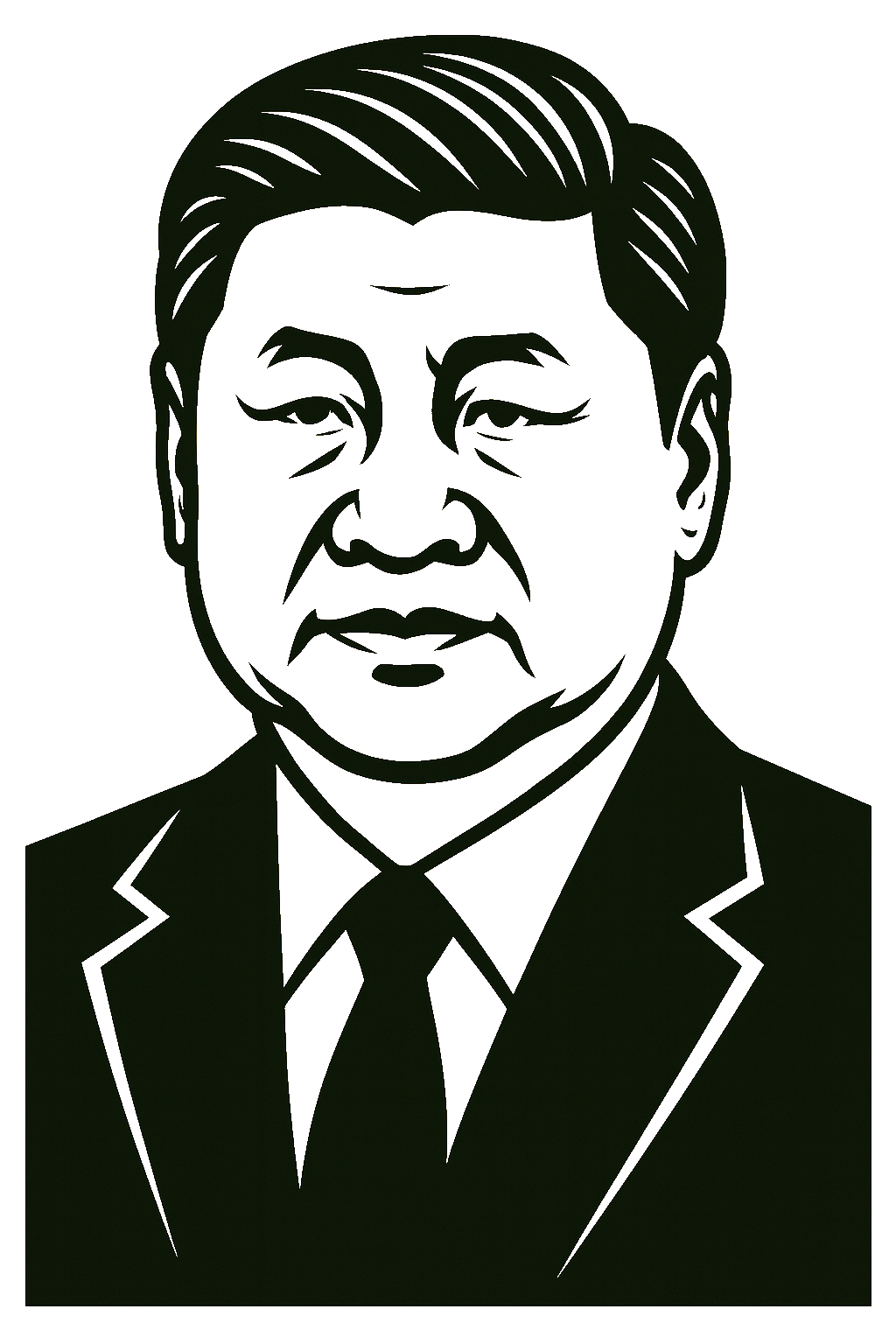
Xi Jinping
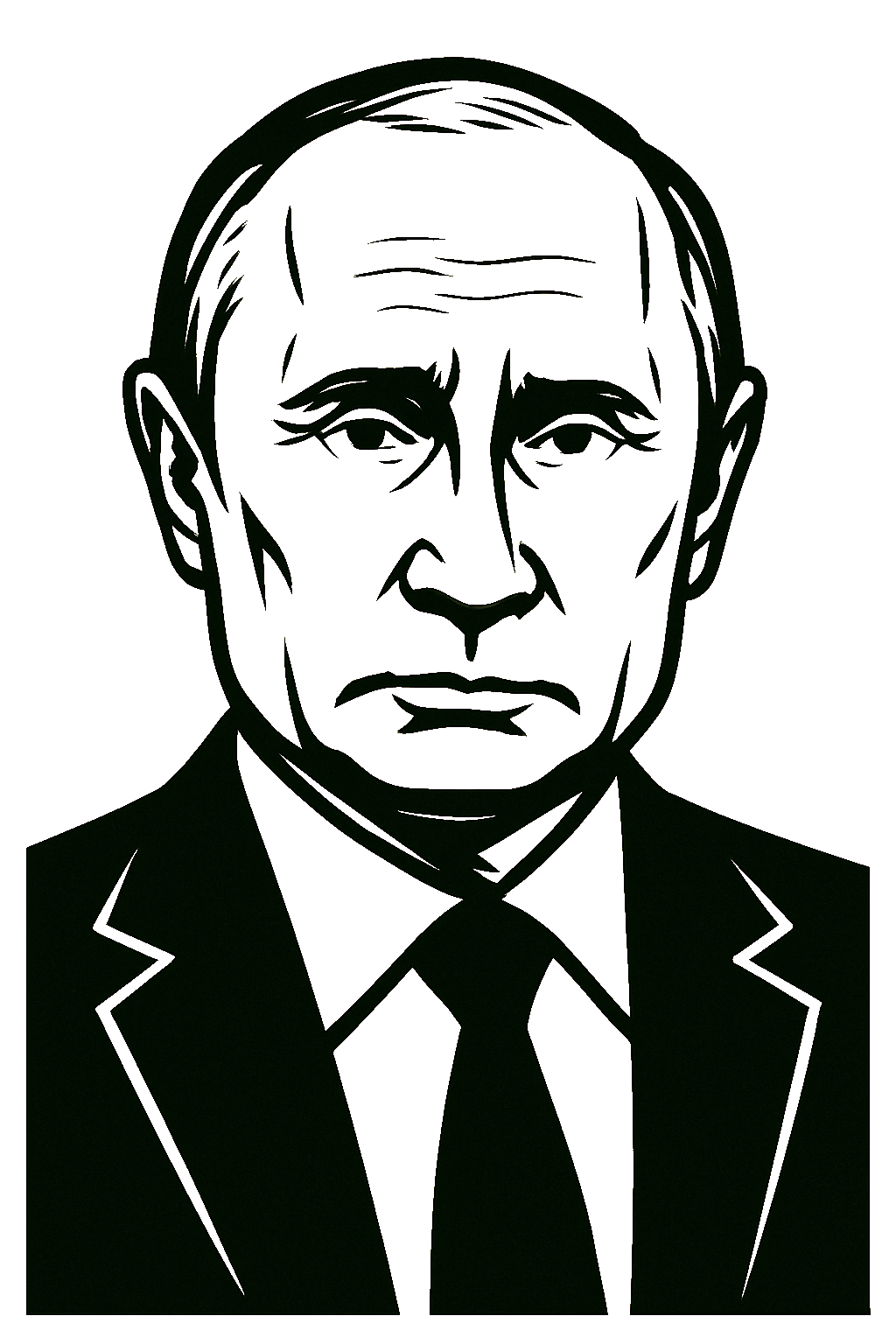
Vladimir Putin
Benjamin Netanyahu
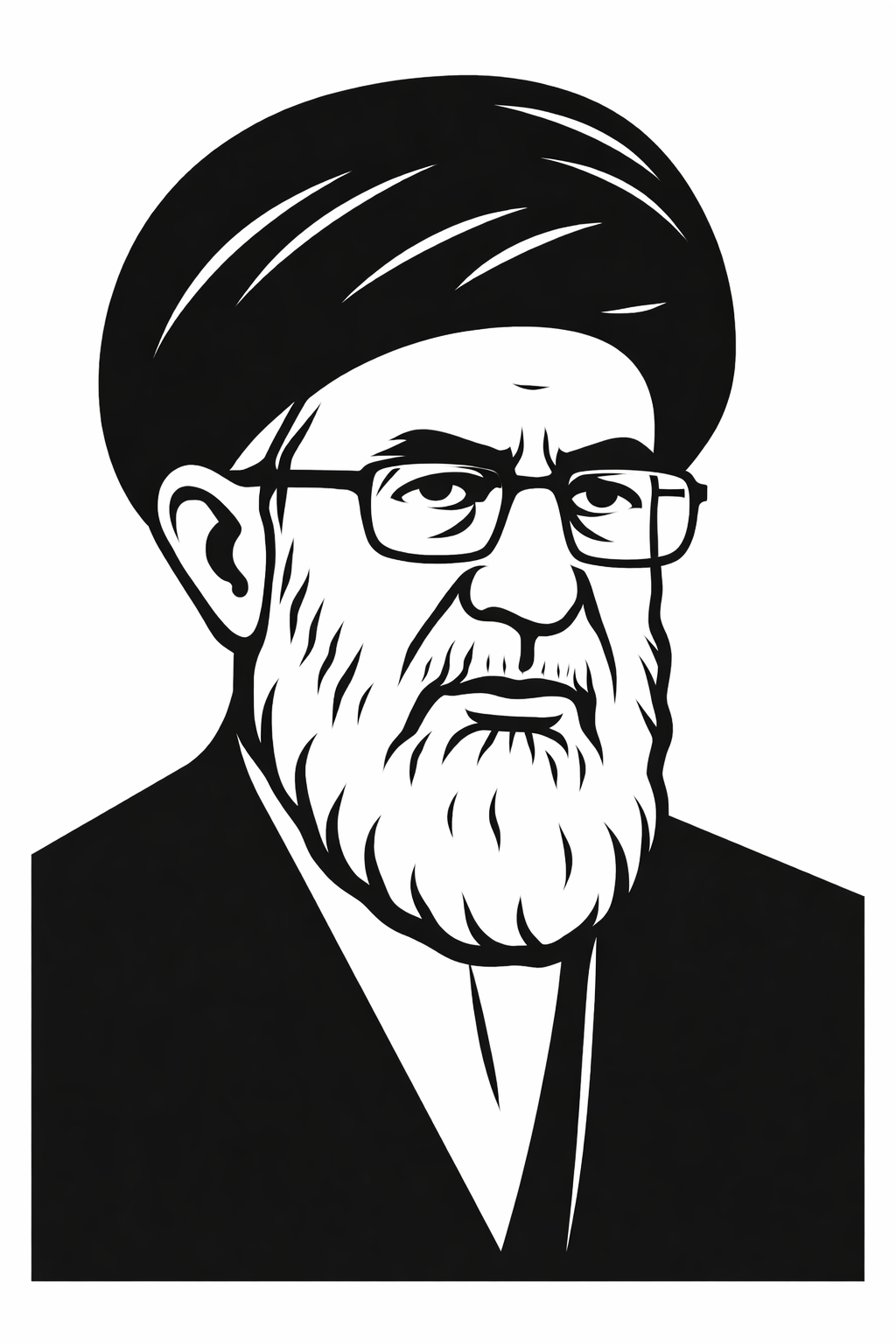
Ali Khamenei
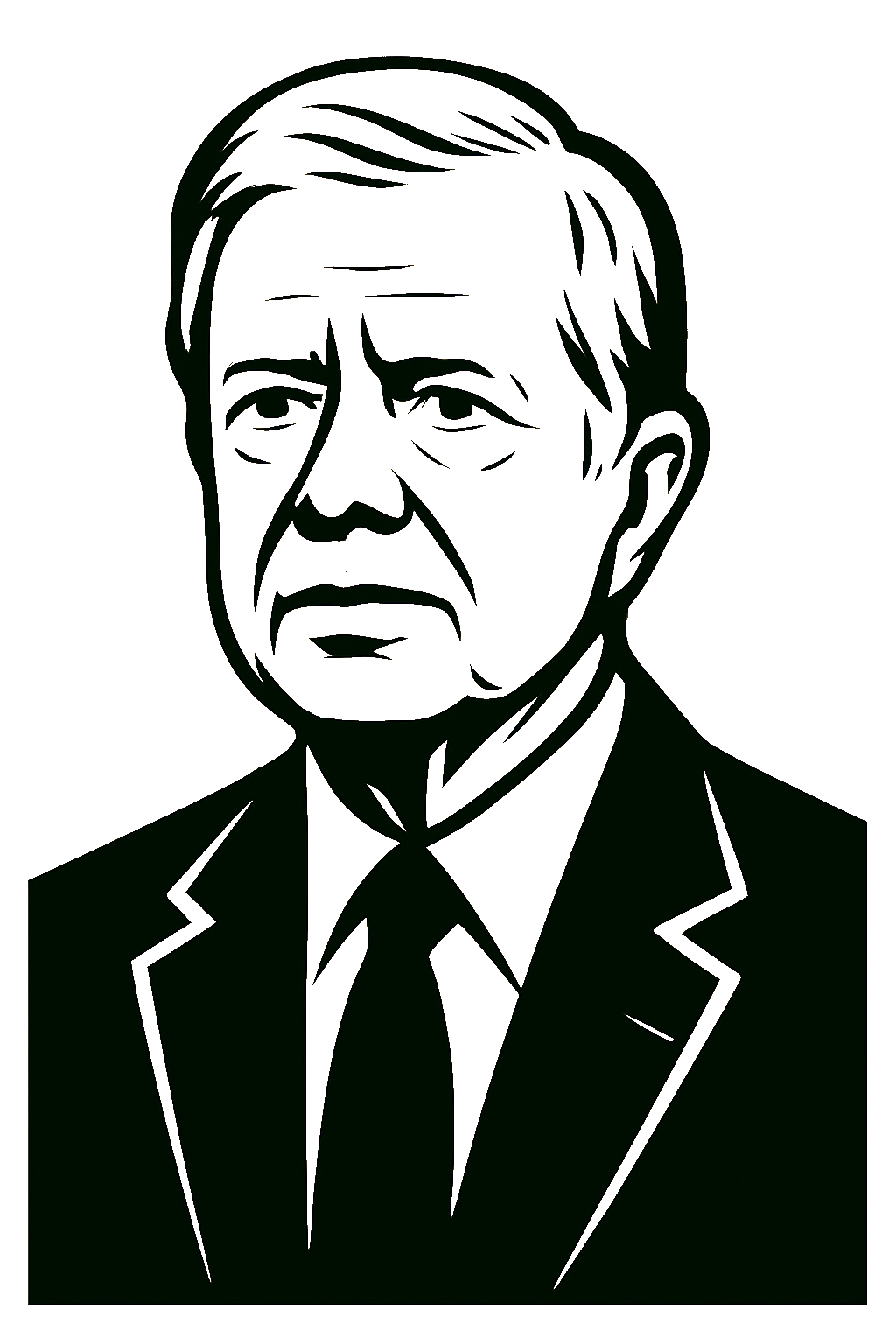
Jimmy Carter

Henry Kissinger
Locations
Mainland China

China
India
North America
United States
Indonesia
Pakistan
Bangladesh

Russia
Japan


Articles

Return to Babel: Language, Identity, and Belonging
How identity is filtered — not by law, but by design – and what it means to belong

Russia’s War Machine: How It Fights Without Winning
As negotiations flicker in the background of a grinding war, Russia’s ability to sustain its military effort in Ukraine depends on a fragile web of foreign supply, internal mobilization, and retrofitted Soviet stockpiles. This report examines the current state of Russia’s armed forces in Q2 2025, revealing a system stretched but still operational — and why that matters.


Don’t Bet on the Bully: Why Europe Must Stop Investing in the U.S.
As European firms like Daimler, Volkswagen, and Siemens expand their investments in the U.S., they risk tying their futures to a volatile partner. Short-term economic incentives and a temporarily favorable exchange rate obscure deeper structural risks: political instability, panic-driven corporate culture, and growing protectionism. Europe is not dependent on the U.S. — not for gas, not for markets, and certainly not for leadership. Strategic autonomy begins with saying no.

How Donald Trump Could Win the Nobel Prize for Peace
Donald Trump, the dealmaker, the disrupter — could he still become a man of peace? What would it take? Humility!


After the War: The Eurasian Covenant
“After the War: The Eurasian Covenant” is not a deal, nor a surrender — but a framework. A vision for lasting peace between Europe, Ukraine, and Russia rooted in dignity, realism, and historical awareness. As old alliances shift and global power balances evolve, this proposal outlines a European-led path forward: balancing security, rebuilding trust, and preparing for a post-hegemonic world. A beginning — before it’s too late.
Event Timeline
China Launches the Belt and Road Initiative
In 2013, China launched the Belt and Road Initiative (BRI), a long-term strategy to expand infrastructure, trade, and connectivity across Eurasia, Africa, and beyond.
China-United States Trade War (Trump I)
In 2018, trade tensions between China and the United States escalated into a sustained tariff and technology conflict, marking a turning point in bilateral economic relations.

Hong Kong Protests
In 2019, mass protests erupted in Hong Kong in response to proposed extradition legislation, evolving into a broader movement centered on civil liberties, autonomy, and governance.
China’s Zero-COVID Policy
From 2020 to 2022, China implemented a Zero-COVID policy aimed at eliminating domestic transmission through lockdowns, mass testing, travel controls, and centralized quarantine.
China’s 20th Party Congress
In October 2022, China held its 20th Party Congress, confirming leadership continuity and setting policy priorities for the coming years.
Trump Meets Xi Jinping
U.S. President Donald Trump meets Chinese leader Xi Jinping on the sidelines of an international summit, marking a high-level diplomatic engagement amid renewed economic and strategic tensions.
China Responds to Dutch Action on Nexperia
China responds diplomatically to the Dutch intervention in Nexperia, warning of consequences for bilateral economic and technological relations.
The Netherlands Intervenes in Nexperia Ownership
The Dutch government intervenes in the ownership and governance of semiconductor producer Nexperia, citing national security and strategic supply-chain concerns.

Boxer Rebellion
The Boxer Rebellion was a violent anti-foreign and anti-Christian uprising that drew direct military intervention by multiple foreign powers and further undermined Qing sovereignty.
Qin Unification of the Warring States
The Qin state completed the military unification of the Warring States, ending centuries of fragmentation and creating the first centralized imperial state in Chinese history.


The Sumy Attack: Beyond Violence, Towards Understanding the Message
On Palm Sunday, Russia attacked the Ukrainian city of Sumy in an act that went beyond war — a message of hatred that struck civilians and sacred meaning alike.