
Albania
Intro
Emerging from decades of isolation, Albania reoriented toward Western alliances in the early 2000s. It now serves as a stable partner for NATO operations and a participant in the Trans-Adriatic energy corridor.
Background
Post-communist transition was marked by economic hardship and mass migration. Political reform and infrastructure modernization improved stability. EU accession remains conditional on judicial independence and corruption control.
History
- 1991: Fall of communist regime and transition to democracy – 2009: Joins NATO – 2014: Granted EU candidate status – 2022: Begins EU accession talks – 2020s: Expands tourism, energy, and infrastructure partnerships
Present Day
In 2025, Albania maintains steady growth and political stability under pro-European leadership. It anchors NATO operations in the Adriatic and pursues energy and tourism modernization.
Future Outlook
Albania’s maritime and energy role will expand through regional integration and foreign investment. EU progress depends on institutional transparency and judicial reform.
Map
Topics
Persons

Pete Hegseth
Jake Sullivan

Marco Rubio
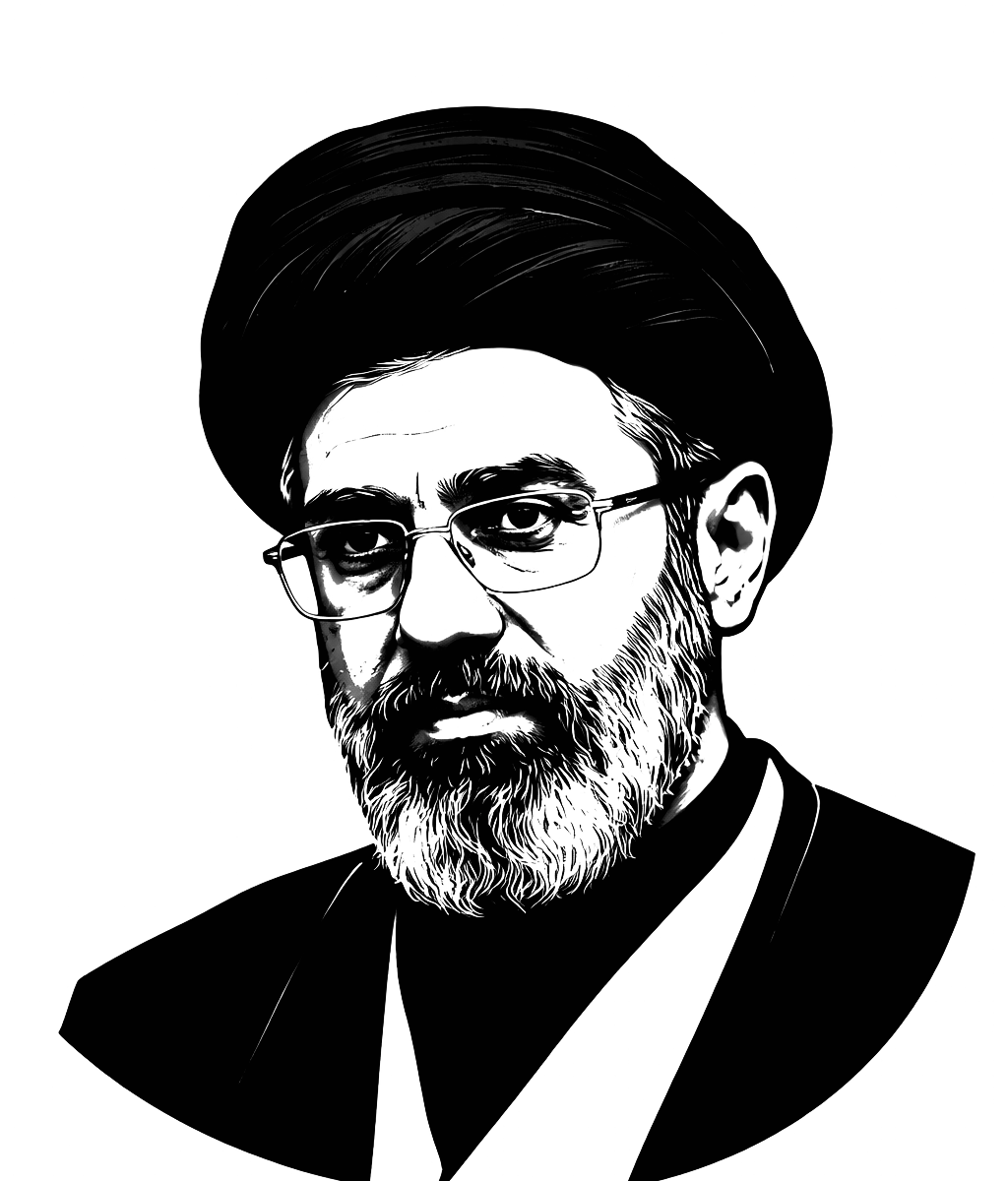
Mojtaba Khamenei

Mark Rutte

María Corina Machado
Herzi Halevi
Oleksii Reznikov
Mohammed Deif
Locations
Grand-Bourgtheroulde
Harcourt
Africa
Alabama
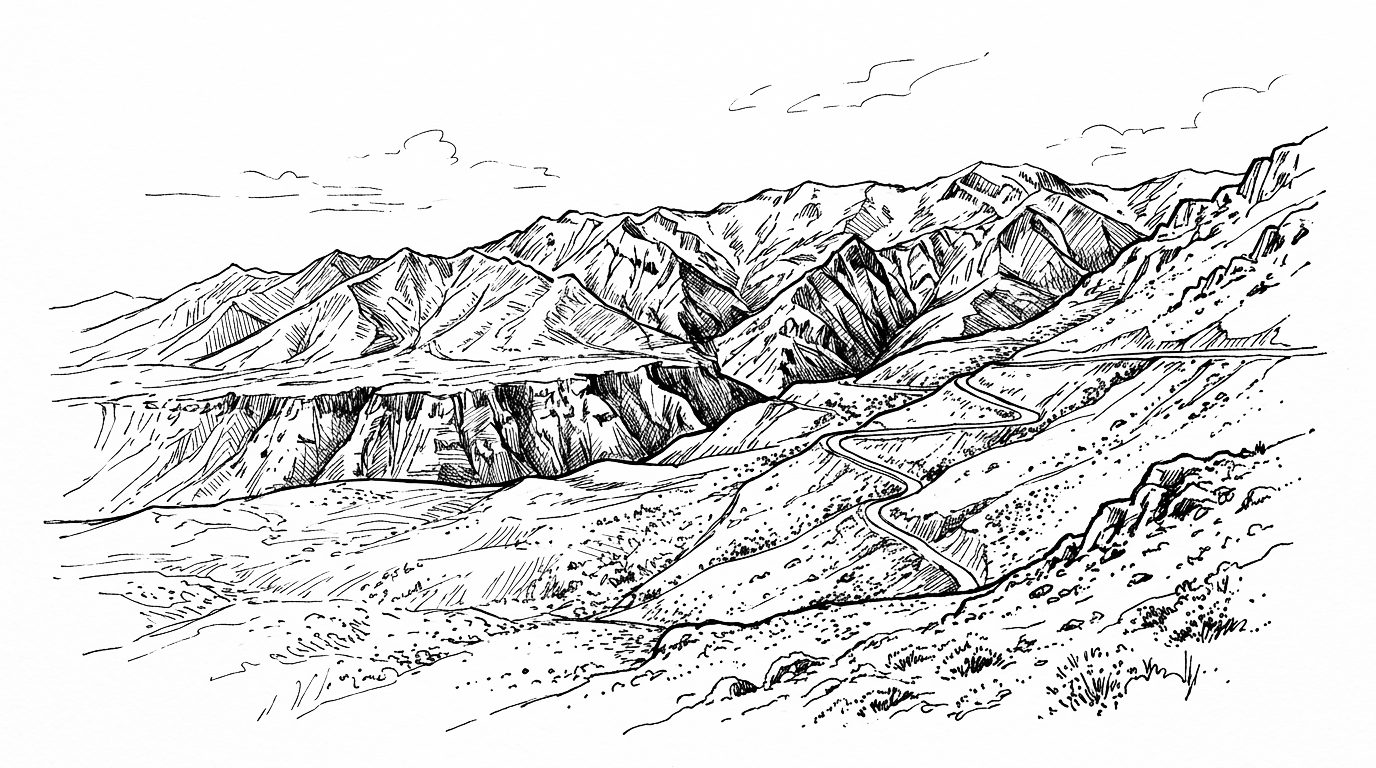
Alborz Mountains
Americas
Andorra
Apulia
Arabian Peninsula
Arizona


Articles
Why would Hamas say No to the Ceasefire Agreement?
A ceasefire is currently being negotiated between Hamas and Israel, but Hamas resists acceptance. Despite being at a disadvantage in the conflict, Hamas potentially benefits from growing public dissatisfaction with Israel as the conflict prolongs. Increased international involvement and UNHWR fund unlocks might change the dynamics. However, civilians in Gaza and Israeli hostages are the true sufferers in this ongoing strife.

Monthly Report on influx of Asylum Seekers in Germany – February 2024
Most Asylum Seekers originated from Syria (30%) and 55% from the Total originates from Middle East Countries.
Monthly Report on influx of Asylum Seekers in The Netherlands – February 2024
With 2.480 Asylum Seekers in February, the amount is lower than in January. Most asylum seekers come from Syria (32%) and almost 60% of the total come from the Middle East.
Monthly Report on influx of Asylum Seekers in Germany – January 2024
In January most Asylum Seekers originated from Syria (27%) and 53% from the Total originates from Middle East Countries.
Monthly Report on influx of Asylum Seekers in The Netherlands – January 2024
Most asylum seekers come from Syria (38%) and almost 60% of the total come from the Middle East. The global trend is upward.
Event Timeline

Polish-Lithuanian Rule over Ukraine
Before Moscow, there was Lublin. The Polish–Lithuanian Commonwealth laid the groundwork for Western Ukrainian identity — and for centuries of contested rule.


