
Albania
Intro
Emerging from decades of isolation, Albania reoriented toward Western alliances in the early 2000s. It now serves as a stable partner for NATO operations and a participant in the Trans-Adriatic energy corridor.
Background
Post-communist transition was marked by economic hardship and mass migration. Political reform and infrastructure modernization improved stability. EU accession remains conditional on judicial independence and corruption control.
History
- 1991: Fall of communist regime and transition to democracy – 2009: Joins NATO – 2014: Granted EU candidate status – 2022: Begins EU accession talks – 2020s: Expands tourism, energy, and infrastructure partnerships
Present Day
In 2025, Albania maintains steady growth and political stability under pro-European leadership. It anchors NATO operations in the Adriatic and pursues energy and tourism modernization.
Future Outlook
Albania’s maritime and energy role will expand through regional integration and foreign investment. EU progress depends on institutional transparency and judicial reform.
Map
Topics
Persons

Pete Hegseth
Jake Sullivan
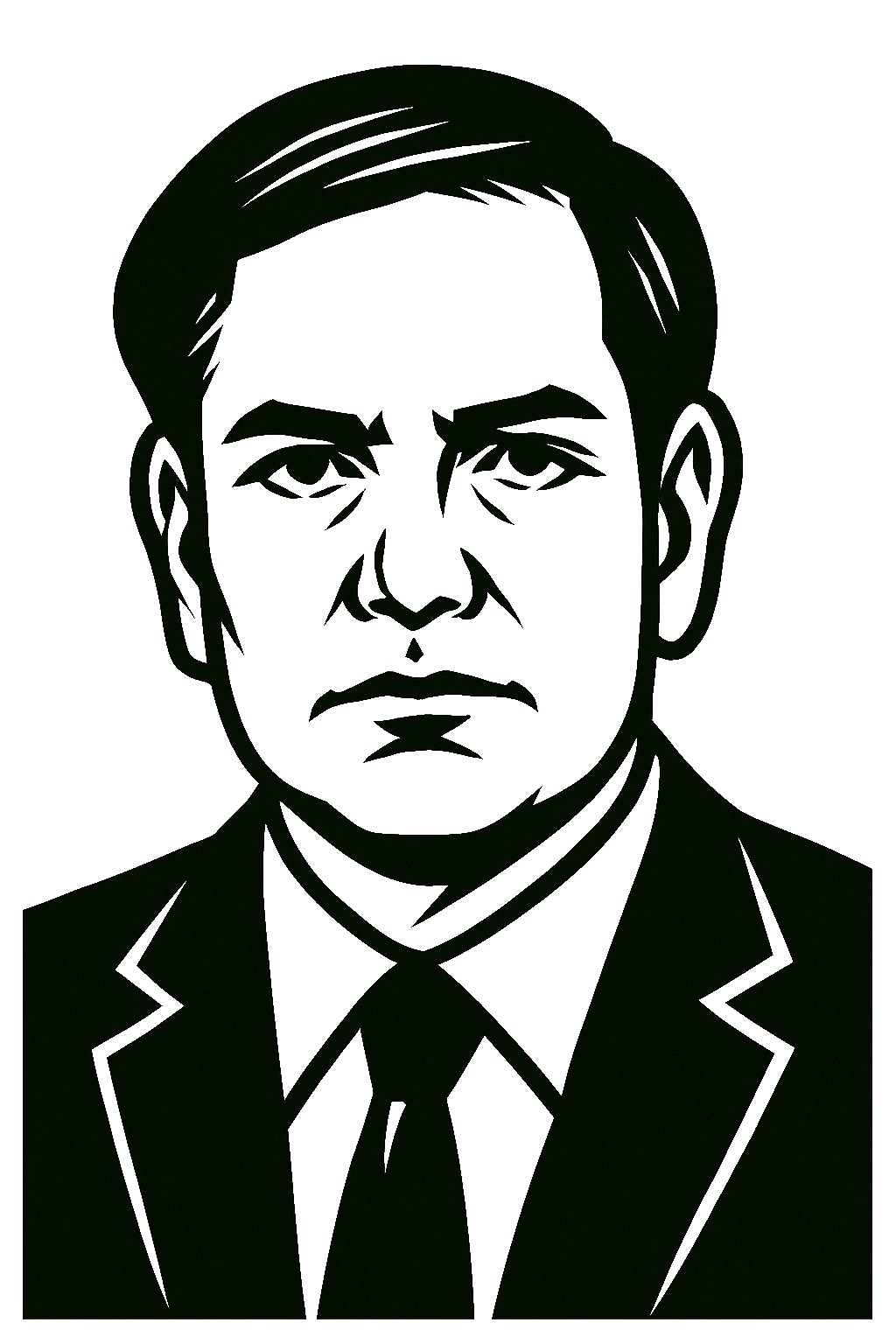
Marco Rubio
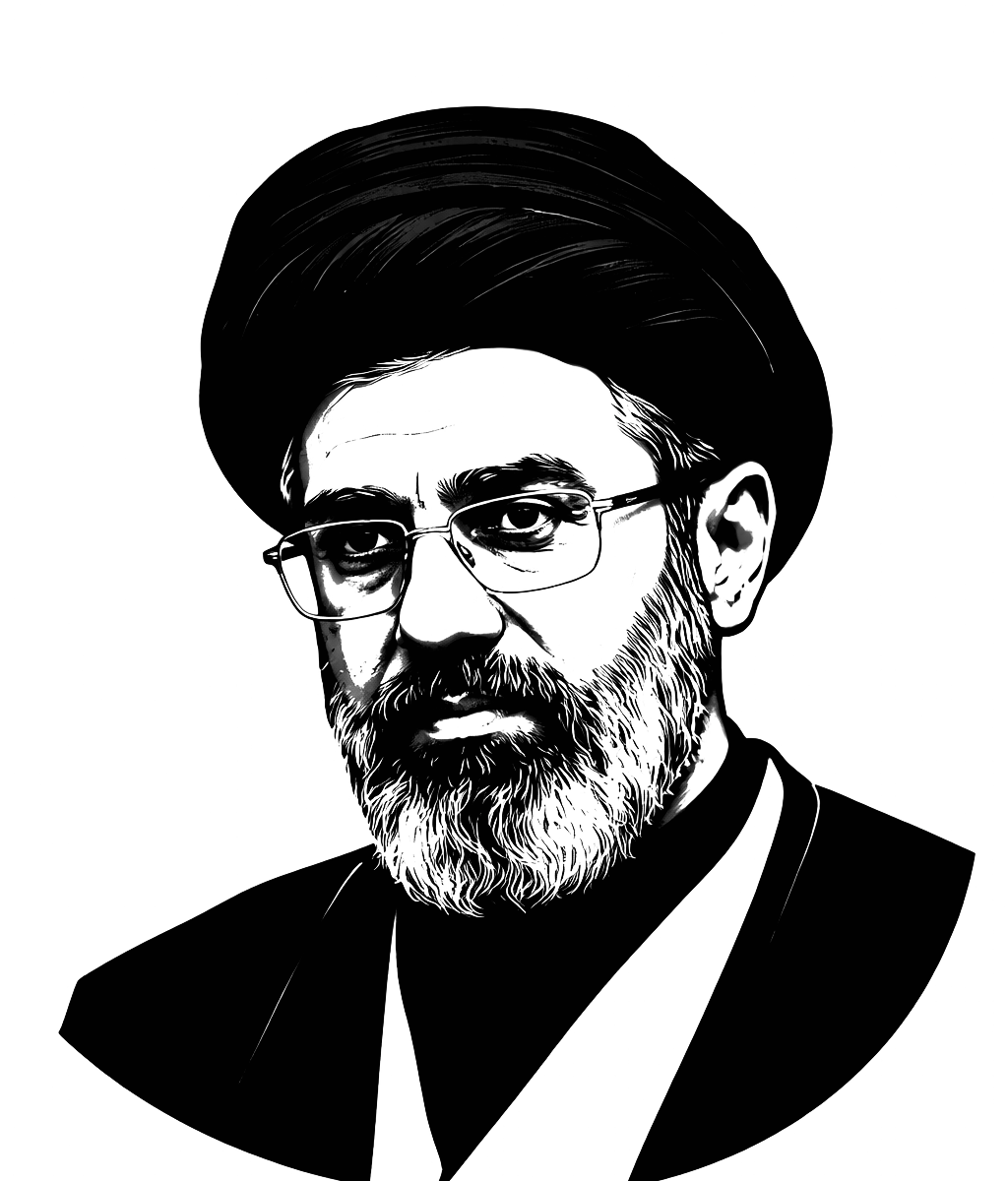
Mojtaba Khamenei
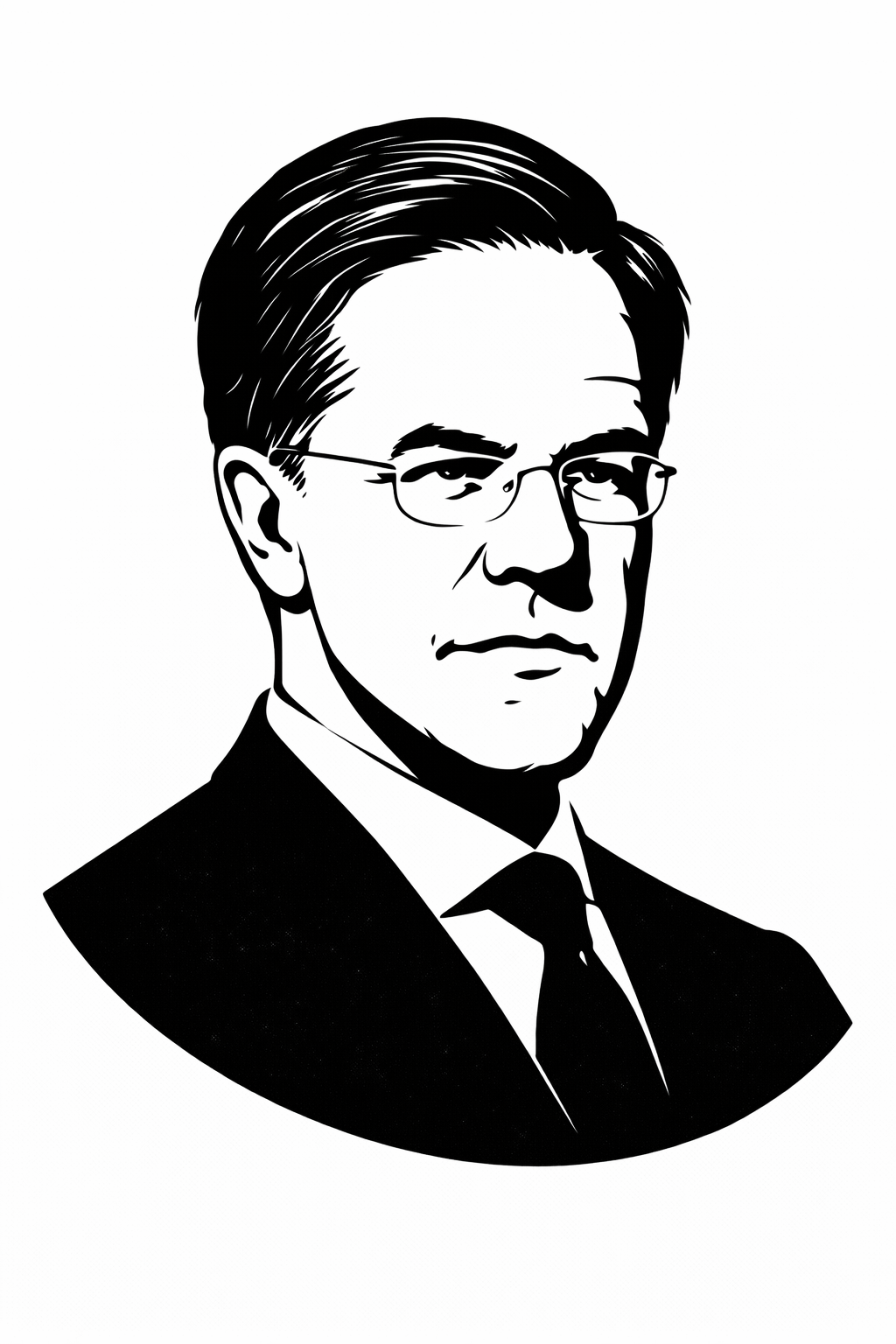
Mark Rutte

María Corina Machado
Herzi Halevi
Oleksii Reznikov
Mohammed Deif
Locations
Poland

Ukraine
Canada
Afghanistan
Malaysia
Yemen
Uzbekistan
Venezuela
Peru
Saudi Arabia

Articles

Why Ukraine Cannot Lose This War
And why Russia, in a deeper sense, already did

24 Hours in Tbilisi and Mtshketa
Citadel views, sulfur steam, silent prayers — and a capital caught between memory and movement.

The Geographical Pivot of Constraints
How supply chains and constraint, will shape the global struggle

Events that led to the war in Ukraine – a timeline
A 1.000 Years Struggle for An Autonomous National Identity.

Picturing the Past – Postponed Peace in Transnistria
A view inside, in 2010. It’s mainly Smirnov, Sheriff and Medvedev that you see

24 Hours in Vilnius
Baroque echoes, Jewish memory, Soviet scars — and a city that stands without spectacle.

The Baltic’s Burden
What a Nation Remembers in the Morning.

Empire Logic: How Russia Uses Borders, Identity, and Delay
Russia does not need to occupy a country to control it. It only needs to prevent resolution. From Transnistria to Crimea, from narrative warfare to financial systems, Empire Logic shows how modern power is held — not through conquest, but through structural denial.
Event Timeline

Pereyaslav Agreement with Tsarist Russia
The Pereyaslav Agreement between the Cossack Hetmanate and Tsarist Russia marked the beginning of Ukraine’s alignment with Russia, which would evolve into centuries of political, military, and cultural influence.

Union of Lublin – Polish Lithuanian Commonwealth
Before Moscow, there was Lublin. The Polish–Lithuanian Commonwealth laid the groundwork for Western Ukrainian identity — and for centuries of contested rule.

Eurasian Peace Talks
A Summer-offensive is at hand – though strategic talks are still possible.

Crimea Annexation by Russia
In the shadow of Ukraine’s Maidan uprising, Russian forces seized control of Crimea. What followed was a swift, illegal annexation — a violation of international norms that shattered post–Cold War assumptions and launched a new era of geopolitical confrontation.
The Hanseatic League
Beginning in the 14th century, a group of northern European cities formed a commercial and legal alliance that would dominate Baltic trade for centuries. Known as the Hanseatic League, this urban confederation connected ports from Flanders to Novgorod, enabling secure trade, mutual defense, and legal cooperation without central rule.

Holodomor Famine
The Holodomor Famine was a man-made catastrophe under Stalin’s regime that devastated Ukraine, killing millions of Ukrainians and leaving a permanent scar on the national consciousness.

Ukraine’s Declaration of Independence
After decades as a Soviet republic, Ukraine asserted its sovereignty on 24 August 1991. This act of independence emerged from the ashes of empire — a democratic rebirth with fragile roots and far-reaching consequences.

Attack on Sumy, at Palm Sunday, 2025
On Palm Sunday, April 13th, 2025, Russian forces struck the Ukrainian city of Sumy, killing civilians and sending a symbolic message of hatred. The attack violated not just laws of war, but shared cultural and spiritual bonds. It stands as one of the most morally grotesque moments of the ongoing invasion.

Kievan Rus
The Founding of Kievan Rus marks the establishment of the first East Slavic state centered around Kyiv, which laid the foundations for modern Ukraine, Belarus, and Russia.


