
Afghanistan
Intro
Afghanistan’s geography grants corridor potential but persistent instability limits integration.
Background
Decades of conflict reshaped institutions, economy, and external relations.
History
- 1919: Independence – 1979-1989: Soviet-Afghan war – 2001-2021: US/NATO presence – 2021-: Taliban de facto control
Present Day
Future Outlook
Stabilization could unlock energy and transport corridors; otherwise isolation persists.
Map
Topics
Persons
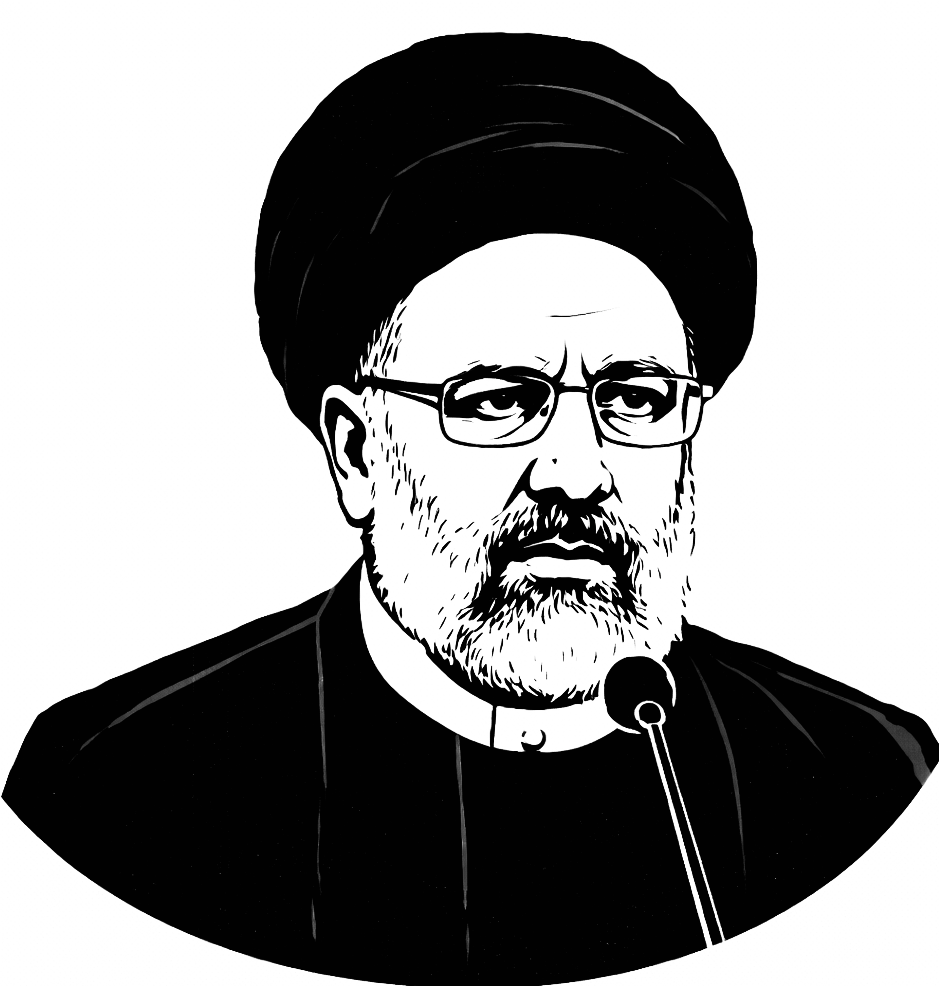
Ebrahim Raisi
Gadi Eisenkot
Benny Gantz
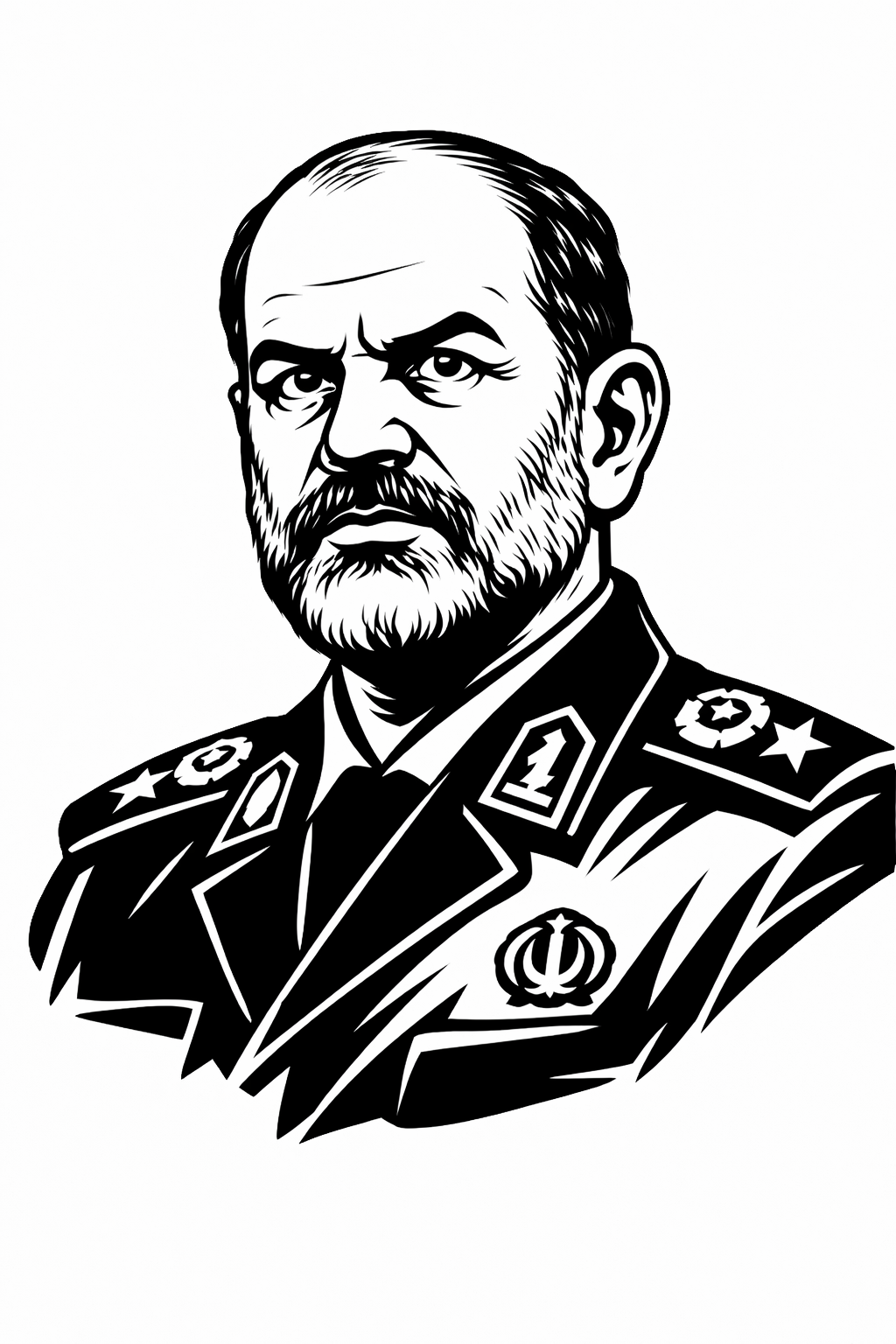
Ahmad Vahidi
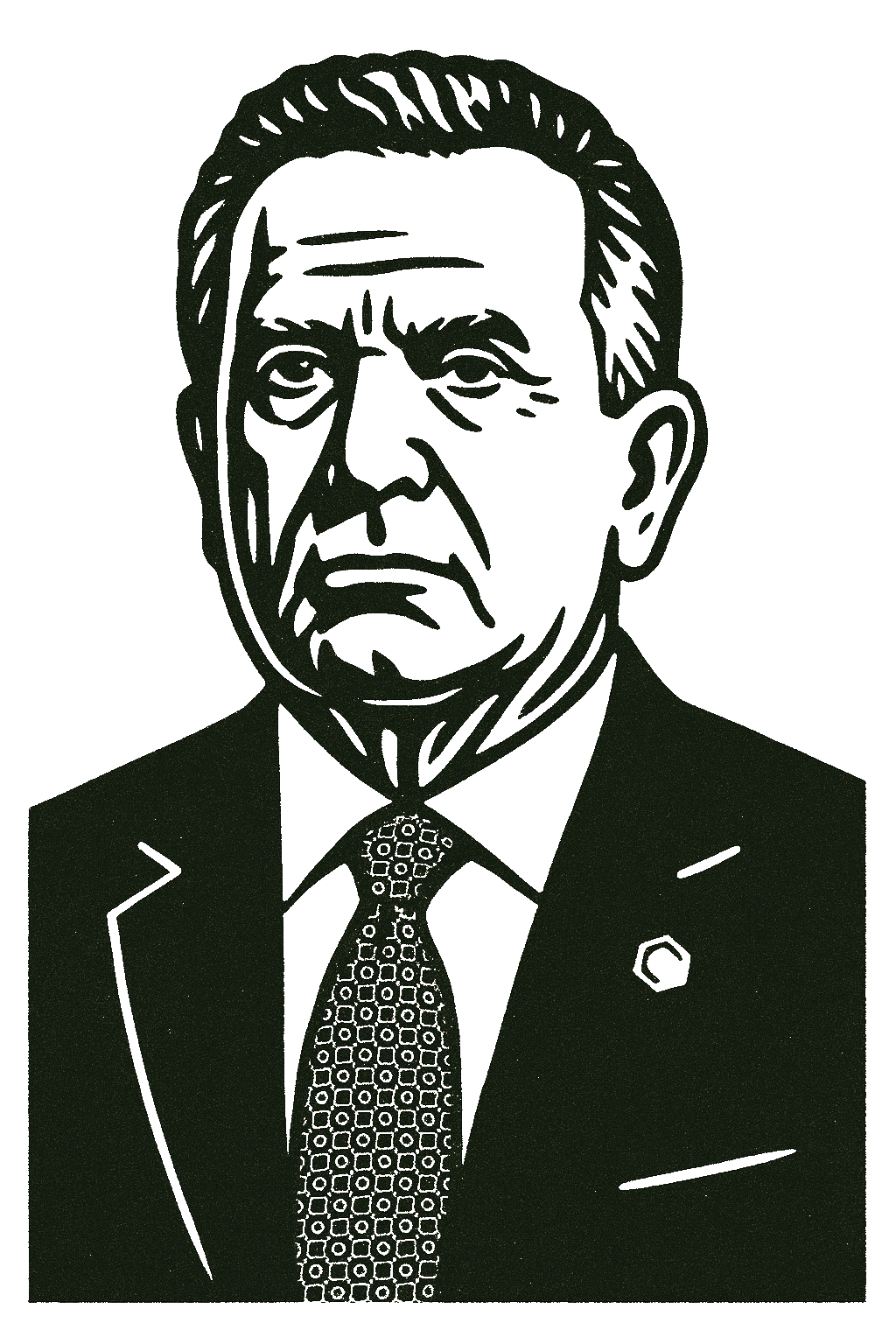
Steve Witkoff
Ismail Qaani
Qasem Soleimani
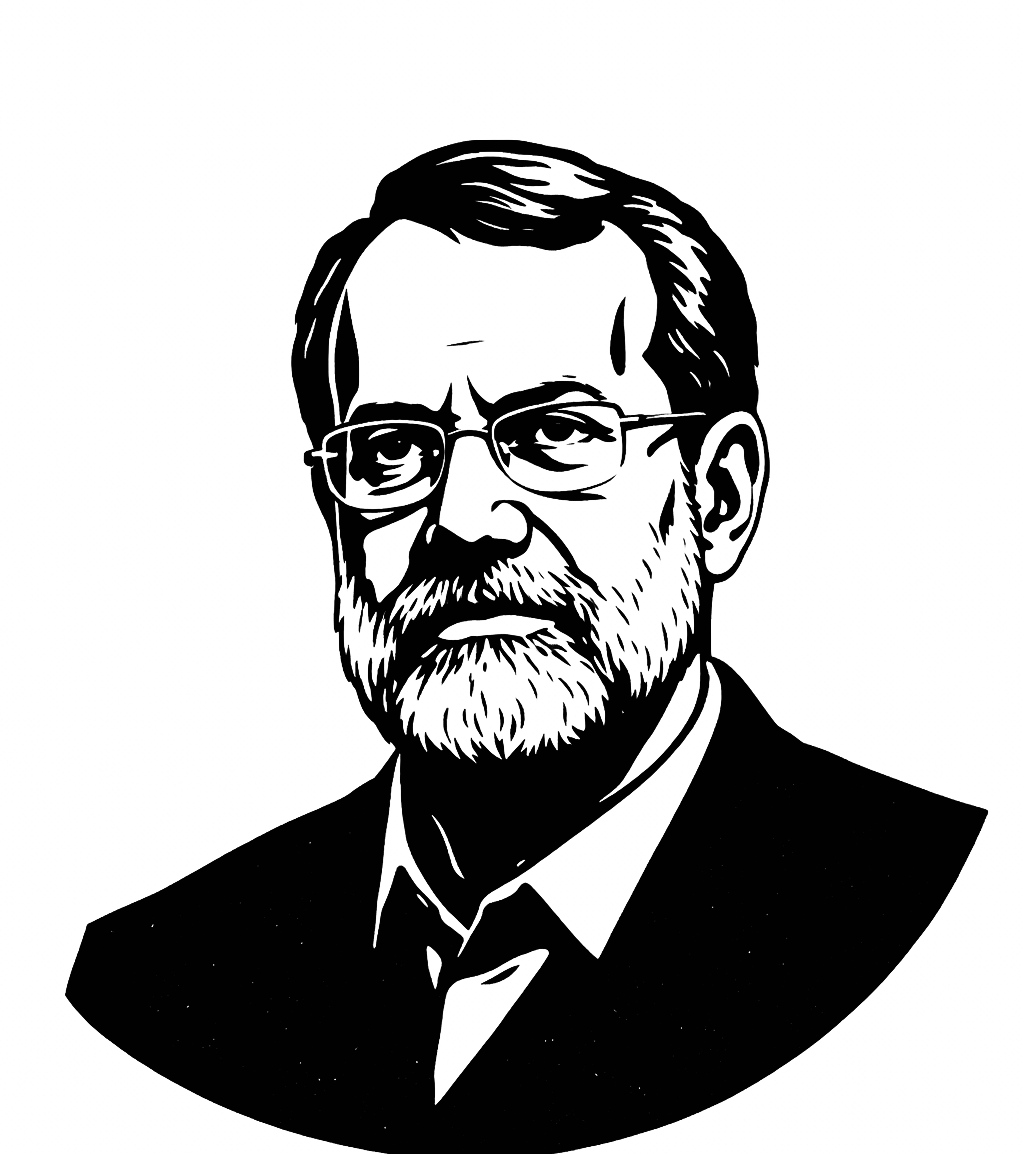
Ali Larijani
Israel Katz
Locations
Mainland China

China
India
North America
United States
Indonesia
Pakistan
Bangladesh
Russia
Japan

Articles
Why would Hamas say No to the Ceasefire Agreement?
A ceasefire is currently being negotiated between Hamas and Israel, but Hamas resists acceptance. Despite being at a disadvantage in the conflict, Hamas potentially benefits from growing public dissatisfaction with Israel as the conflict prolongs. Increased international involvement and UNHWR fund unlocks might change the dynamics. However, civilians in Gaza and Israeli hostages are the true sufferers in this ongoing strife.
Monthly Report on influx of Asylum Seekers in Germany – February 2024
Most Asylum Seekers originated from Syria (30%) and 55% from the Total originates from Middle East Countries.
Monthly Report on influx of Asylum Seekers in The Netherlands – February 2024
With 2.480 Asylum Seekers in February, the amount is lower than in January. Most asylum seekers come from Syria (32%) and almost 60% of the total come from the Middle East.
Monthly Report on influx of Asylum Seekers in Germany – January 2024
In January most Asylum Seekers originated from Syria (27%) and 53% from the Total originates from Middle East Countries.
Monthly Report on influx of Asylum Seekers in The Netherlands – January 2024
Most asylum seekers come from Syria (38%) and almost 60% of the total come from the Middle East. The global trend is upward.
Event Timeline

Polish-Lithuanian Rule over Ukraine
Before Moscow, there was Lublin. The Polish–Lithuanian Commonwealth laid the groundwork for Western Ukrainian identity — and for centuries of contested rule.


