
Antigua and Barbuda
Intro
Located in the eastern Caribbean among the Leeward Islands, Antigua and Barbuda combines political stability with extreme exposure to climate and external demand shocks.
Background
Formerly a British colony, the country transitioned to independence in 1981. Limited land and resources oriented the economy toward services and tourism.
History
Indigenous settlement
British colonial rule
Independence
Tourism-led development
Present Day
Tourism dominates GDP and employment. Fiscal vulnerability and disaster preparedness are persistent governance priorities.
Future Outlook
Long-term resilience depends on climate adaptation, tourism diversification, and access to concessional finance.
Map
Topics
Persons

Pete Hegseth
Jake Sullivan

Marco Rubio
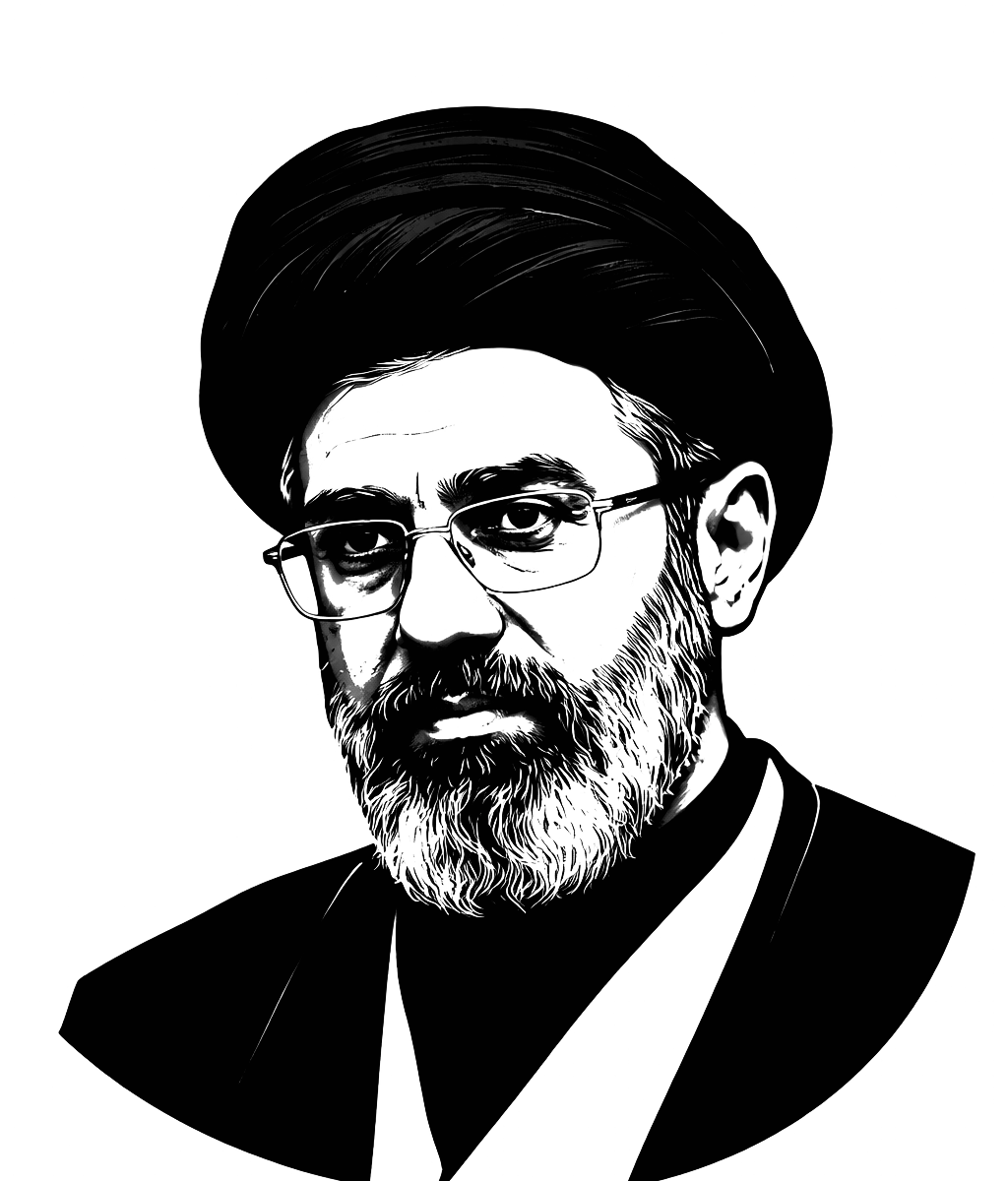
Mojtaba Khamenei

María Corina Machado
Herzi Halevi

Mark Rutte
Oleksii Reznikov
Mohammed Deif
Locations
Mainland China

China
India
North America
United States
Indonesia
Pakistan
Bangladesh

Russia
Japan


Articles
Why would Hamas say No to the Ceasefire Agreement?
A ceasefire is currently being negotiated between Hamas and Israel, but Hamas resists acceptance. Despite being at a disadvantage in the conflict, Hamas potentially benefits from growing public dissatisfaction with Israel as the conflict prolongs. Increased international involvement and UNHWR fund unlocks might change the dynamics. However, civilians in Gaza and Israeli hostages are the true sufferers in this ongoing strife.

Monthly Report on influx of Asylum Seekers in Germany – February 2024
Most Asylum Seekers originated from Syria (30%) and 55% from the Total originates from Middle East Countries.

Monthly Report on influx of Asylum Seekers in The Netherlands – February 2024
With 2.480 Asylum Seekers in February, the amount is lower than in January. Most asylum seekers come from Syria (32%) and almost 60% of the total come from the Middle East.
Monthly Report on influx of Asylum Seekers in Germany – January 2024
In January most Asylum Seekers originated from Syria (27%) and 53% from the Total originates from Middle East Countries.
Monthly Report on influx of Asylum Seekers in The Netherlands – January 2024
Most asylum seekers come from Syria (38%) and almost 60% of the total come from the Middle East. The global trend is upward.
Event Timeline
China Launches the Belt and Road Initiative
In 2013, China launched the Belt and Road Initiative (BRI), a long-term strategy to expand infrastructure, trade, and connectivity across Eurasia, Africa, and beyond.
China-United States Trade War (Trump I)
In 2018, trade tensions between China and the United States escalated into a sustained tariff and technology conflict, marking a turning point in bilateral economic relations.

Hong Kong Protests
In 2019, mass protests erupted in Hong Kong in response to proposed extradition legislation, evolving into a broader movement centered on civil liberties, autonomy, and governance.
China’s Zero-COVID Policy
From 2020 to 2022, China implemented a Zero-COVID policy aimed at eliminating domestic transmission through lockdowns, mass testing, travel controls, and centralized quarantine.
China’s 20th Party Congress
In October 2022, China held its 20th Party Congress, confirming leadership continuity and setting policy priorities for the coming years.
Trump Meets Xi Jinping
U.S. President Donald Trump meets Chinese leader Xi Jinping on the sidelines of an international summit, marking a high-level diplomatic engagement amid renewed economic and strategic tensions.
China Responds to Dutch Action on Nexperia
China responds diplomatically to the Dutch intervention in Nexperia, warning of consequences for bilateral economic and technological relations.
The Netherlands Intervenes in Nexperia Ownership
The Dutch government intervenes in the ownership and governance of semiconductor producer Nexperia, citing national security and strategic supply-chain concerns.

Boxer Rebellion
The Boxer Rebellion was a violent anti-foreign and anti-Christian uprising that drew direct military intervention by multiple foreign powers and further undermined Qing sovereignty.
Qin Unification of the Warring States
The Qin state completed the military unification of the Warring States, ending centuries of fragmentation and creating the first centralized imperial state in Chinese history.


