
China

Intro
China is less a single destination than a set of travel regions. Beijing and Xi’an carry imperial history; Shanghai and Guangzhou read as modern gateways; Sichuan, Yunnan, and Guangxi pull people toward mountains, minority cultures, and river landscapes; the southeast coast and Hong Kong/Macau sit in a different economic and travel tempo again.
For most first visits, the practical win is a short corridor — for example Beijing–Xi’an–Shanghai, or Chengdu–Chongqing–Yunnan — linked by high-speed rail, with time left for neighborhoods and food rather than ticking every famous site.
Background
Geography for travelers. The east and south concentrate population, airports, and train hubs. The west and north open into deserts, plateaus, and long overland legs that need more days and often permits or altitude planning (Tibet autonomous region travel has separate rules).
Climate. Expect real seasonal contrast: humid summers and cold winters in the north; milder winters and heavy summer rain in much of the south; spring and autumn are the easiest windows for multi-city trips. Typhoon season can disrupt the southeast coast in late summer.
Language and apps. Mandarin is the official language; English is uneven outside hotels and major tourist sites. Daily life runs on WeChat and Alipay (including many small vendors). Download offline maps and translation before you need them; international cards work more places than a few years ago, but cash and local apps still matter.
History
Travelers meet Chinese history as layers rather than one museum story:
- Imperial capitals — Beijing’s Forbidden City and temple complexes; Xi’an’s city walls and Terracotta Army as Tang–Qin corridor stops.
- Trade and treaty ports — Shanghai’s Bund and former concessions; coastal cities that still feel outward-facing.
- Modern republic and PRC eras — 20th-century upheaval, then post-1978 reform cities, skylines, and infrastructure that define how you move today.
- Living culture — regional cuisines, temple calendars, and night markets often say more about place than another palace hall.
Present Day
Domestic tourism is huge; popular sites get crowded on Chinese public holidays (especially Golden Week). Book trains and key tickets early for those peaks.
Urban travel is efficient: metro systems in major cities, Didi-style ride hailing, and a national high-speed rail network that makes 300–1,000 km hops realistic. Rural and mountain routes are slower and more rewarding if you leave buffer days.
Visa rules change; many nationalities use short visa-free transit or specific unilateral visa-free schemes — check current entry conditions before you book. Photography and behavior rules at sensitive sites and border regions are real; follow posted guidance.
Future Outlook
If you are planning a trip: pick one region cluster, lock intercity rail early, and leave empty days for food streets and side trips. For a second visit, trade another megacity for Yunnan, Guizhou, or a slower river/mountain loop. Always re-check visa, payment, and holiday calendars closer to departure — those are the details that make or break a China itinerary.
Map
Topics
Persons
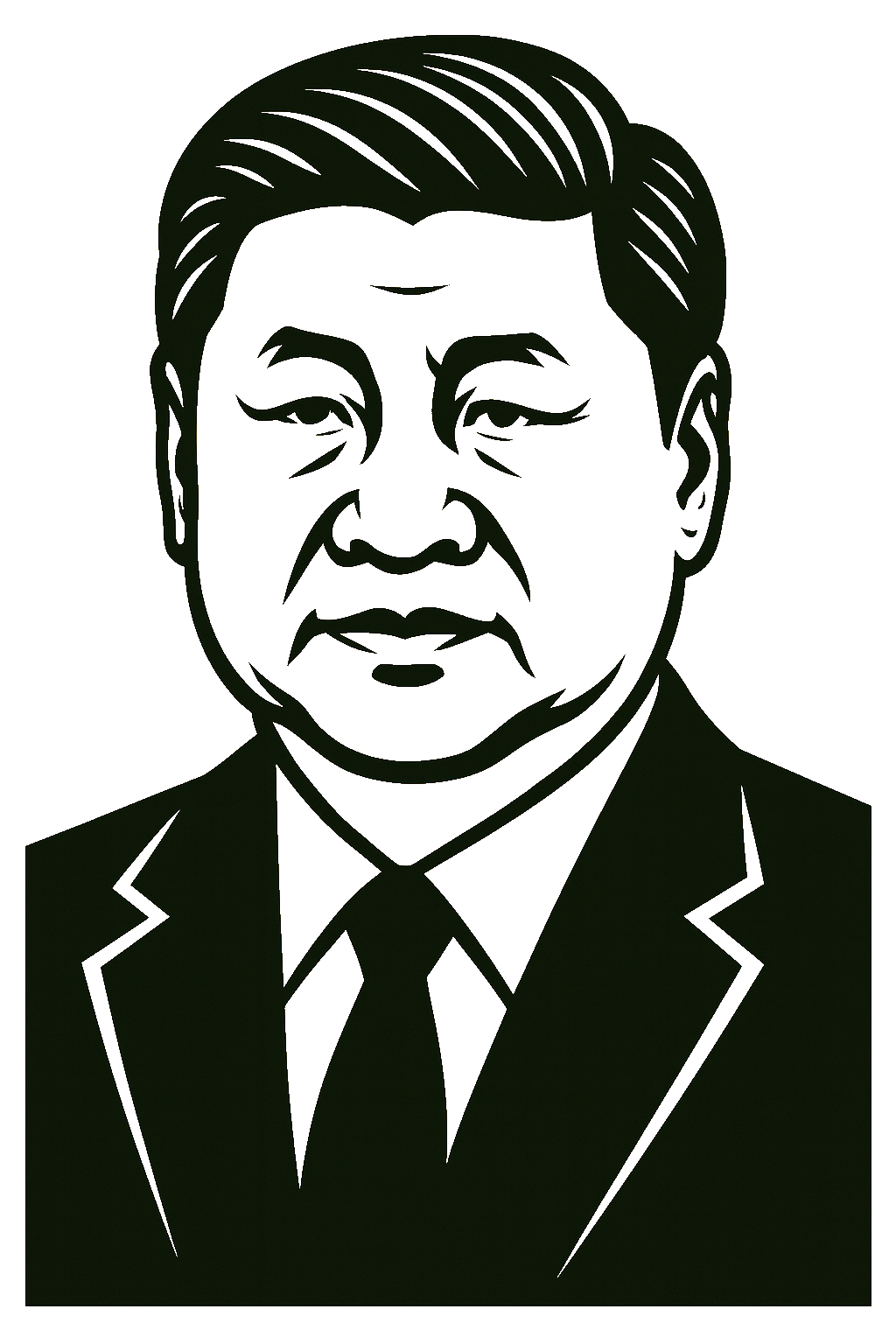
Xi Jinping
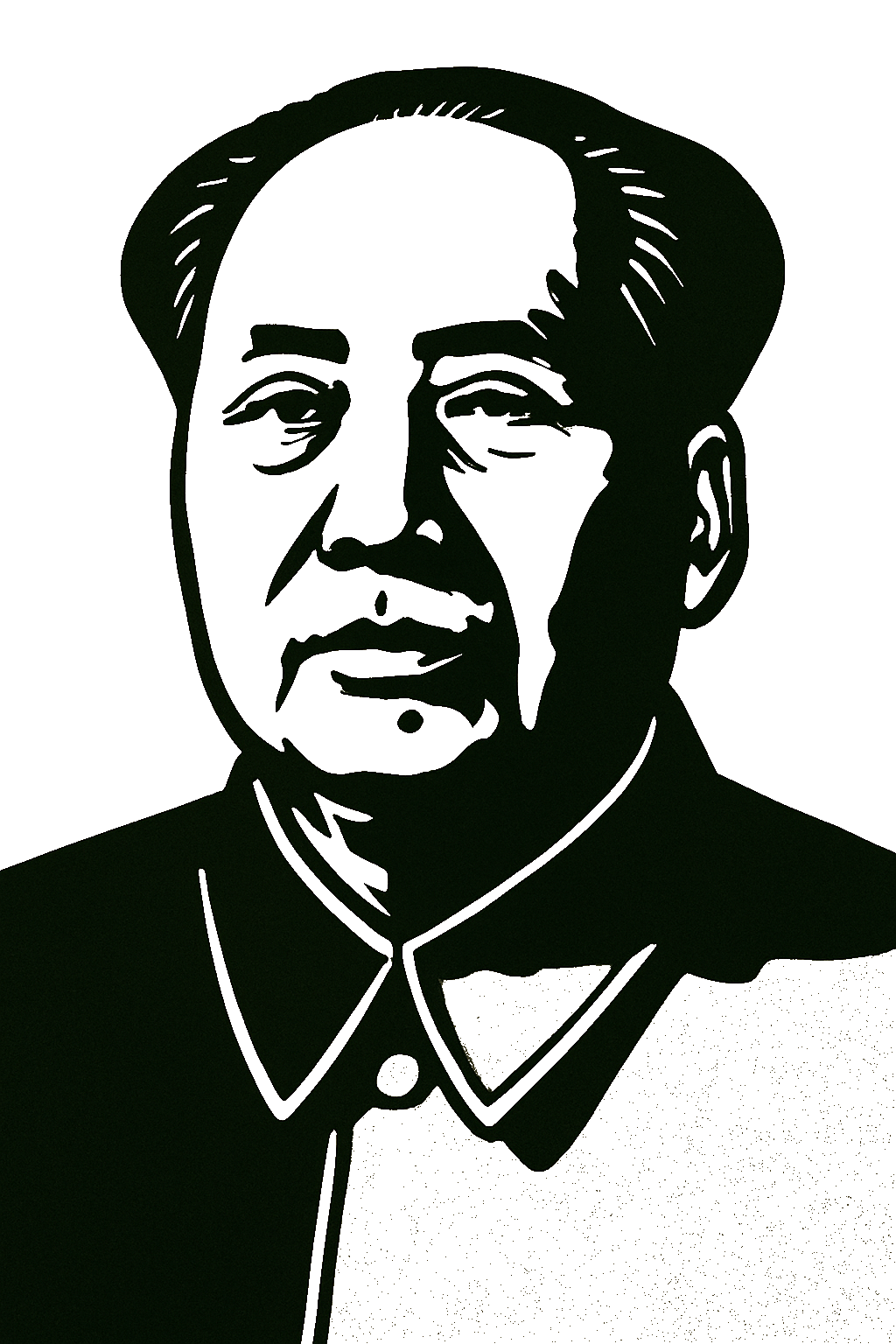
Mao Zedong
Locations
Mainland China
Guangxi Zhuang Autonomous Region
Hong Kong
New Territories
Kowloon
Liuzhou

Hong Kong Island
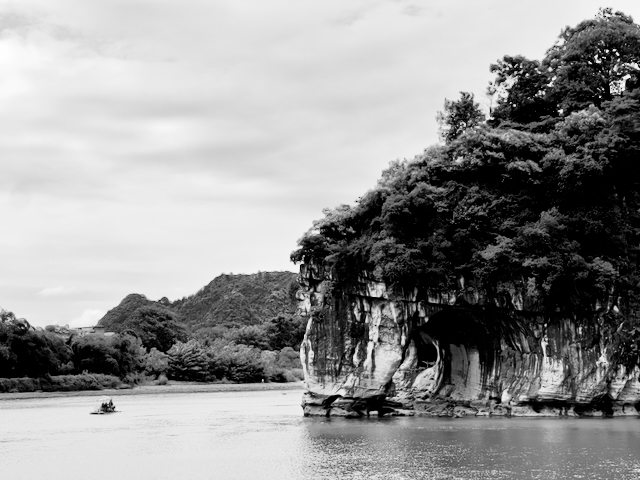
Guilin
Longsheng
Aberdeen

Articles

Closing the Strait of Hormuz: The Card Iran Holds — and What Holding It Cost
And there is no prediction on who’s winning this “Card Game,” is it?

The Cost of War: Hunting Mice with an Elephant
“An elephant which kills a rat is not a hero.” — How Iran’s asymmetric cost trap turned America’s strategic power into a financial liability.

The Hong Kong fire will change China’s Real Estate sector
China’s real estate sector is shaped by deeper pressures than market cycles alone.
Demographics, oversight consistency, due-diligence gaps and investment confidence now intersect in ways that define the sector’s next phase.

China’s Fourth Plenum — Xi Tightens Control as Party Sets Course for the Next Five Years
Planning the future – the news between the lines.
Event Timeline

Taiping Heavenly Kingdom (Taiping Rebellion)
The Taiping Heavenly Kingdom was a large-scale civil war and rival state that challenged Qing rule, resulting in one of the deadliest conflicts in human history and severely weakening imperial authority.
Proclamation of the People’s Republic of China
On 1 October 1949, Mao Zedong proclaimed the People’s Republic of China in Beijing, marking the establishment of Communist rule on the mainland after civil war victory.
First Five-Year Plan and Socialist Transformation
Between 1953 and 1957, China implemented its First Five-Year Plan, restructuring land, industry, and finance along socialist lines and establishing centralized economic planning.
Great Leap Forward
The Great Leap Forward was a nationwide campaign aimed at rapidly industrializing China through mass mobilization and rural collectivization, resulting in severe economic disruption and widespread famine.
Xinhai Revolution
The Xinhai Revolution overthrew the Qing Dynasty and ended over two millennia of imperial rule, leading to the establishment of the Republic of China.
Technocratic Governance and Managed Growth
Between 2002 and 2012, China was governed through a technocratic model emphasizing stability, managed economic growth, and incremental reform under collective leadership.
Convention of Peking
The Convention of Peking ended the Second Opium War and ceded the Kowloon Peninsula south of Boundary Street to Britain.

Second Opium War
The Second Opium War expanded Western military pressure on Qing China, resulting in deeper treaty concessions, legalized opium trade, and intensified foreign presence in imperial affairs.

First Opium War
In June 1839, Chinese official Lin Zexu ordered the destruction of British opium stockpiles in Canton, sparking the First Opium War.
The Long March
The Long March was a strategic retreat by Chinese Communist forces that ensured the survival of the CCP and elevated Mao Zedong as its dominant leader.


