
China

Intro
The People’s Republic of China plays a central role in world affairs, balancing a post-communist state model with a strong market economy and authoritarian governance.
Background
China’s rise has been defined by economic reform since the 1980s, military buildup, and a determined global strategy to compete with the United States in nearly every domain.
History
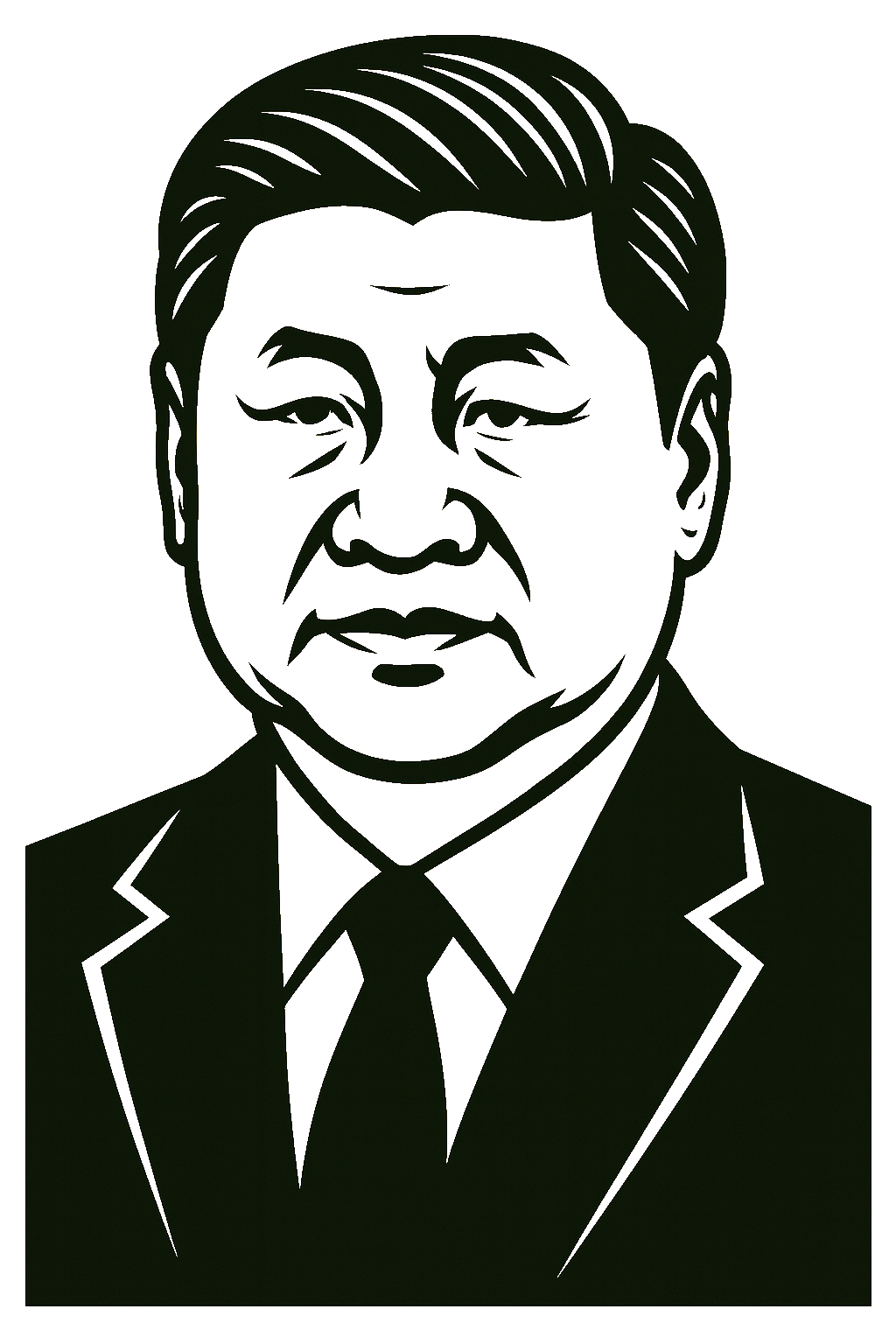
- 221 BCE: First unified Chinese empire (Qin Dynasty) – 1949: Founding of the People’s Republic of China – 1978: Economic reforms begin – 2013-present: Xi Jinping era, Belt and Road expansion
Present Day
Future Outlook
China aims to reshape the global order on its terms, with ongoing challenges from demographics, debt, and geopolitical balancing.
Map
Locations
Mainland China
Guangxi Zhuang Autonomous Region
Hong Kong
New Territories
Kowloon

Hong Kong Island
Aberdeen


Articles

The Hong Kong fire will change China’s Real Estate sector
China’s real estate sector is shaped by deeper pressures than market cycles alone.
Demographics, oversight consistency, due-diligence gaps and investment confidence now intersect in ways that define the sector’s next phase.

China’s Fourth Plenum — Xi Tightens Control as Party Sets Course for the Next Five Years
Planning the future – the news between the lines.
Event Timeline
Comintern Influence on the Chinese Communist Party
From its founding until the mid-1930s, the Chinese Communist Party (CCP) operated under strong ideological, organizational, and operational influence from the Soviet-led Comintern, shaping leadership struggles and strategy choices until a gradual break during the Long March era.

First Sino-Japanese War
The First Sino-Japanese War exposed the failure of Qing modernization and marked the transfer of regional leadership in East Asia from China to Japan.
British Occupation of Hong Kong Island
British forces landed on Hong Kong Island and claimed it in the name of the Crown following the First Opium War.

Treaty of Nanking Signed
The Treaty of Nanking ended the First Opium War and ceded Hong Kong Island to Britain, formalizing its colonial status.
Kowloon Peninsula Ceded to Britain
The Convention of Peking ceded the southern part of the Kowloon Peninsula to Britain, extending colonial Hong Kong beyond the island.
Kowloon Walled City Preserved
Britain leases the New Territories for 99 years but allows China to retain nominal control of the Kowloon Walled City.
Japanese Invasion of Hong Kong
Japan invades British Hong Kong, launching a bloody battle and three years of occupation.
Return to British Control
British forces retook control of Hong Kong from Japan after Japan’s surrender in World War II.
China Launches the Belt and Road Initiative
In 2013, China launched the Belt and Road Initiative (BRI), a long-term strategy to expand infrastructure, trade, and connectivity across Eurasia, Africa, and beyond.
China-United States Trade War (Trump I)
In 2018, trade tensions between China and the United States escalated into a sustained tariff and technology conflict, marking a turning point in bilateral economic relations.


