
Ohrid
Intro
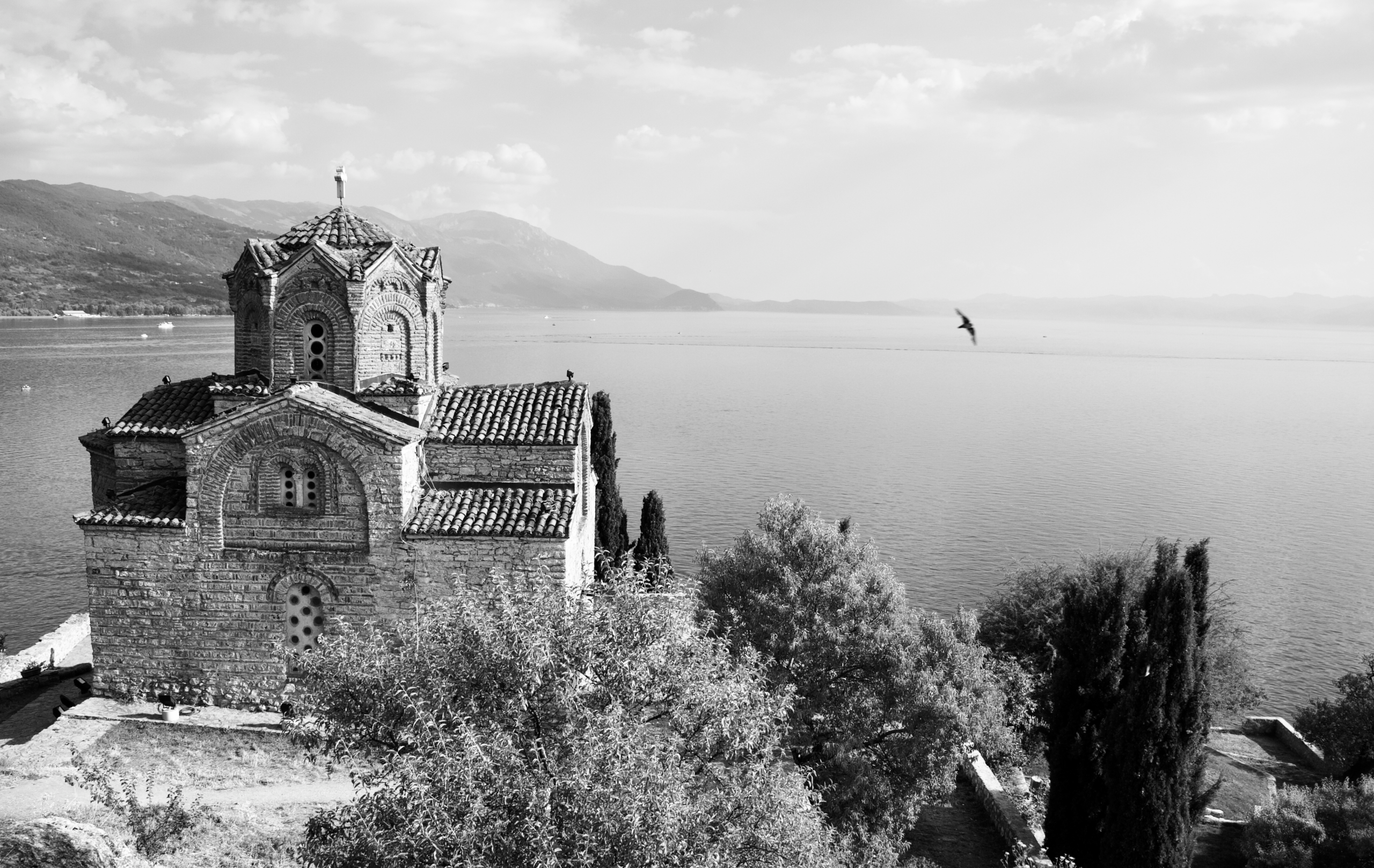
Ohrid is one of the most important historical and cultural cities in North Macedonia. Although relatively small in population, it has played an outsized role in the intellectual, religious, and cultural development of the Slavic and Balkan world since the early medieval period. Its urban identity is inseparable from its role as a center of literacy, monastic life, and ecclesiastical authority.
Background
The city’s long-term importance is rooted in geography. Ohrid lies on the eastern shore of Lake Ohrid, one of Europe’s oldest and deepest freshwater lakes, formed through tectonic processes and exceeding 250 meters in depth. The lake’s size, stability, and ecological richness created favorable conditions for permanent settlement and sustained cultural production. The surrounding hills provided natural defense, while lake and land routes connected Ohrid to broader Balkan networks.
History
Ohrid emerged as a major political and cultural center in antiquity, but reached its historical peak during the 9th and 10th centuries. In this period, it became a core hub of Slavic Christianity and education. The city is closely associated with Saint Clement of Ohrid, a disciple of Saints Cyril and Methodius, who established a major literary and theological school here. Clement is traditionally regarded as a key contributor to the development of the early Cyrillic literary tradition, making Ohrid a foundational site in Slavic written culture.
Under the First Bulgarian Empire, Ohrid functioned as an ecclesiastical capital and intellectual center. Subsequent Byzantine and Ottoman periods altered political control but did not erase the city’s religious and cultural significance. During Ottoman rule, mosques, baths, and Islamic institutions were added alongside existing Christian monuments, producing a layered urban fabric. Over time, demographic shifts reduced the Turkish presence, but architectural traces remain visible.
Present Day
In the modern era, Ohrid functions as a national cultural symbol and a major tourist destination. The city and Lake Ohrid together form a UNESCO World Heritage Site, recognized for both cultural monuments and natural ecosystem. Tourism, education, and cultural services dominate the local economy. Ohrid’s symbolic status extends beyond economics: it remains a reference point for national identity, historical continuity, and Balkan civilizational heritage.
Ohrid also appears in Western European cultural reception through travel writing and literature; in the Dutch-language sphere it is notably associated with A. den Doolaard’s novel Bruiloft der zeven zigeuners, which helped popularize Ohrid as an imagined Balkan lakeside destination.
Future Outlook
Map
Articles
No results found.
Event Timeline
No results found.


