
Greece
Intro
Tourism, shipping, and energy define Greece’s modern economy. Fiscal reforms and EU oversight stabilized debt, while foreign investment supports technology and infrastructure renewal. Athens leverages maritime geography for defense and logistics.
Background
Following the 2008 debt crisis, Greece undertook major fiscal consolidation and reform. Political normalization and tourism rebound restored growth. Energy corridors and defense partnerships with France, Israel, and Egypt enhance regional status.
History
- 1981: Joins the European Community – 2001: Adopts the Euro – 2008-2018: Financial crisis and EU bailouts – 2020s: Energy diversification and defense modernization
Present Day
In 2025, Greece records steady growth, tourism expansion, and active diplomacy in the Aegean. Defense modernization continues alongside energy exploration with EU and regional partners.
Future Outlook
Greece’s long-term stability depends on energy connectivity, fiscal discipline, and defense readiness. Eastern Mediterranean gas and renewables could redefine its economic geography.
Map
Topics
Persons
Pete Hegseth
Jake Sullivan
Marco Rubio
Mojtaba Khamenei
Mark Rutte
María Corina Machado
Herzi Halevi
Oleksii Reznikov
Mohammed Deif
Locations
Persian Plateau
Pokrovsk
Poltava Oblast
Pompeii
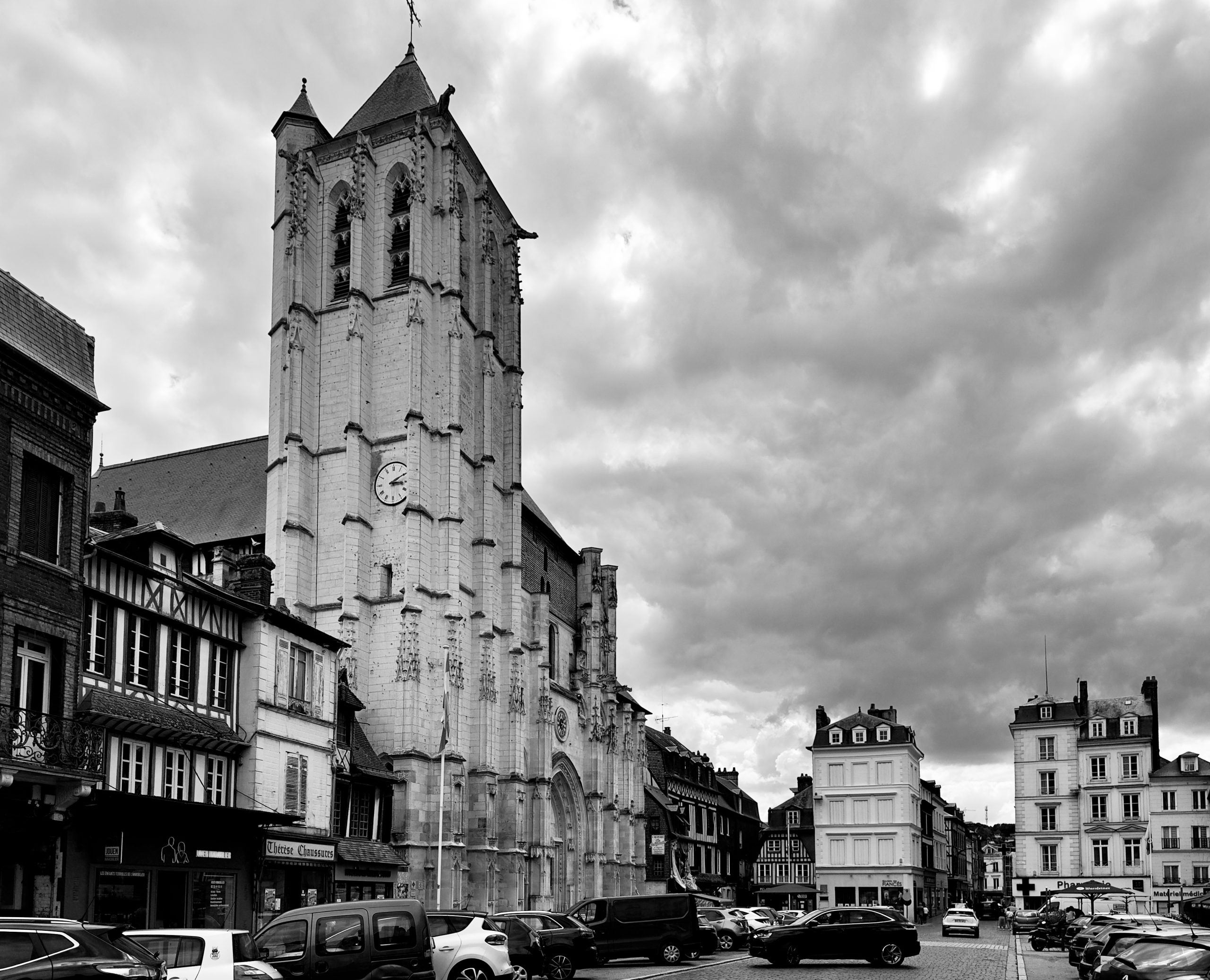
Pont-Audemer
Rivne Oblast
Robotyne
Rostov-on-Don
Points of Interest
No results found.
Articles

Imperialistische doctrines: Hoe Rusland grenzen, identiteit en vertraging gebruikt
Rusland hoeft een land niet te bezetten om het te controleren. Het hoeft alleen een oplossing te voorkomen. Van Transnistrië tot de Krim, van verhalende oorlogsvoering tot financiële systemen, Empire Logic laat zien hoe moderne macht in handen wordt gehouden – niet door verovering, maar door structurele ontkenning.

Terug naar Babel: taal, identiteit en erbij horen
In heel Europa zijn taalrechten bij wet gegarandeerd. Maar hoe zit het in het leven? Van onderwijs tot burgerschap kan de taal die je spreekt nog steeds bepalen of je erbij hoort. Dit artikel onderzoekt hoe pluralisme wordt beloofd – en hoe het stilletjes wordt gefilterd, gerangschikt of ontkend.


Hoe Donald Trump de Nobelprijs voor de Vrede Kan Krijgen
Donald Trump, de dealmaker, de verstoorder – kan hij nog steeds een man van vrede worden? Wat is daarvoor nodig? Nederigheid!

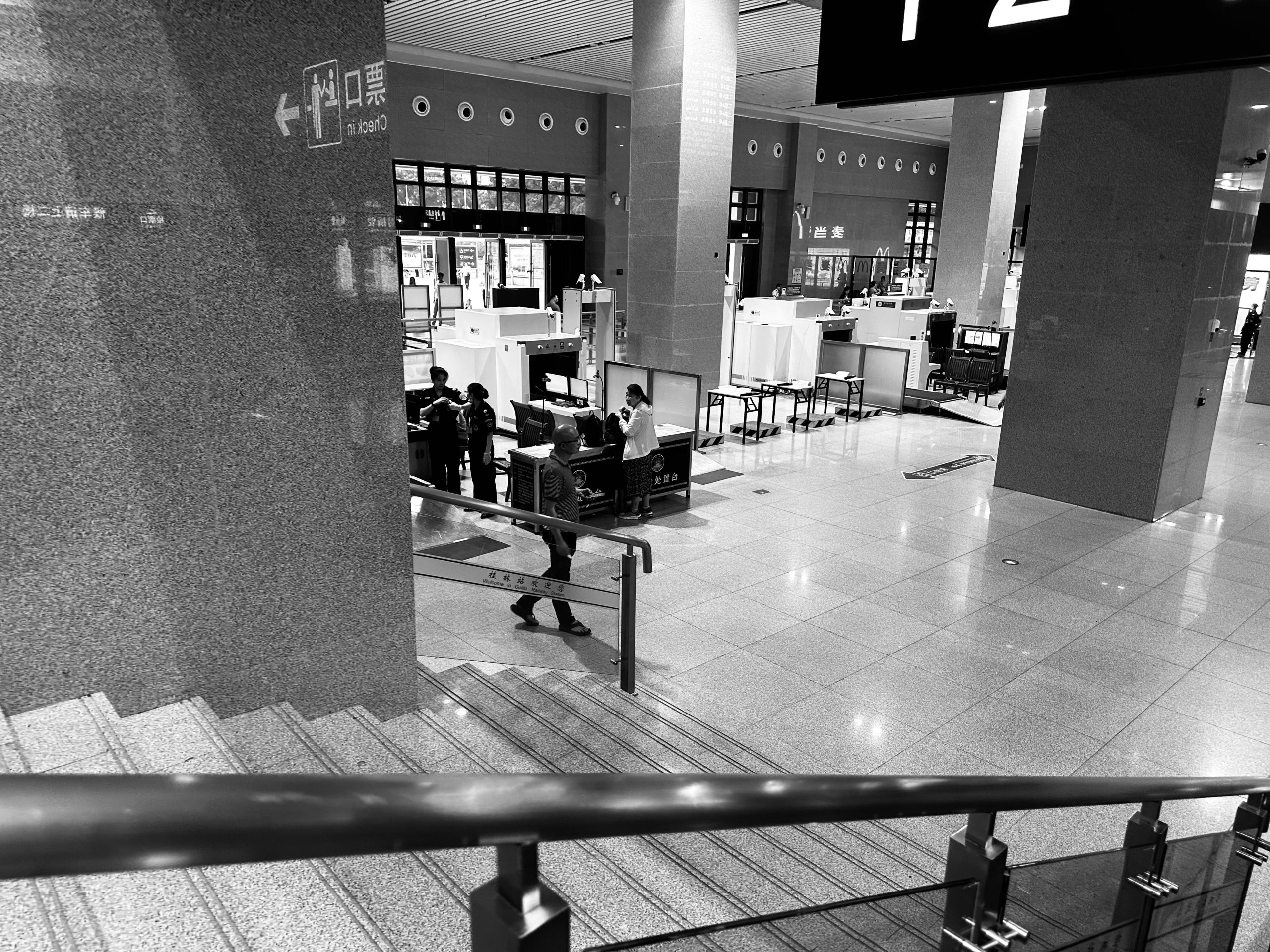
Controleren is goed, vertrouwen is beter!
Het is bijna 2025. Er is maatschappelijke onrust. Een migratiecrisis? Buitenlandse invloeden? Een terugtrekkende beweging naar het nationale vindt plaats. Grenscontroles worden weer ingezet. Men wil weer “in control” zijn. Gaat dit het vertrouwen terugbrengen?
Event Timeline
Technocratic Governance and Managed Growth
Between 2002 and 2012, China was governed through a technocratic model emphasizing stability, managed economic growth, and incremental reform under collective leadership.
Convention of Peking
The Convention of Peking ended the Second Opium War and ceded the Kowloon Peninsula south of Boundary Street to Britain.

Second Opium War
The Second Opium War expanded Western military pressure on Qing China, resulting in deeper treaty concessions, legalized opium trade, and intensified foreign presence in imperial affairs.

First Opium War
In June 1839, Chinese official Lin Zexu ordered the destruction of British opium stockpiles in Canton, sparking the First Opium War.
The Long March
The Long March was a strategic retreat by Chinese Communist forces that ensured the survival of the CCP and elevated Mao Zedong as its dominant leader.
Comintern Influence on the Chinese Communist Party
From its founding until the mid-1930s, the Chinese Communist Party (CCP) operated under strong ideological, organizational, and operational influence from the Soviet-led Comintern, shaping leadership struggles and strategy choices until a gradual break during the Long March era.

First Sino-Japanese War
The First Sino-Japanese War exposed the failure of Qing modernization and marked the transfer of regional leadership in East Asia from China to Japan.

Iranian Revolution
In 1979, a mass movement removed the Pahlavi monarchy and established the Islamic Republic, redefining Iran’s political and ideological system.

Reform Movement and the Khatami Presidency
From 1997 to 2005, Iran experienced a reform era focused on civic openness, political participation, and institutional debate.

The Green Movement
In 2009, large-scale protests challenged the presidential election outcome, marking one of the most significant political mobilizations since 1979.


