
Afghanistan
Intro
Afghanistan’s geography grants corridor potential but persistent instability limits integration.
Background
Decades of conflict reshaped institutions, economy, and external relations.
History
- 1919: Independence – 1979-1989: Soviet-Afghan war – 2001-2021: US/NATO presence – 2021-: Taliban de facto control
Present Day
Future Outlook
Stabilization could unlock energy and transport corridors; otherwise isolation persists.
Map
Topics
Persons

Pete Hegseth
Jake Sullivan
Marco Rubio
Mojtaba Khamenei
María Corina Machado
Herzi Halevi
Mark Rutte
Oleksii Reznikov
Mohammed Deif
Locations
Mainland China

China
India
North America
United States
Indonesia
Pakistan
Bangladesh
Russia
Japan
Points of Interest
No results found.
Articles

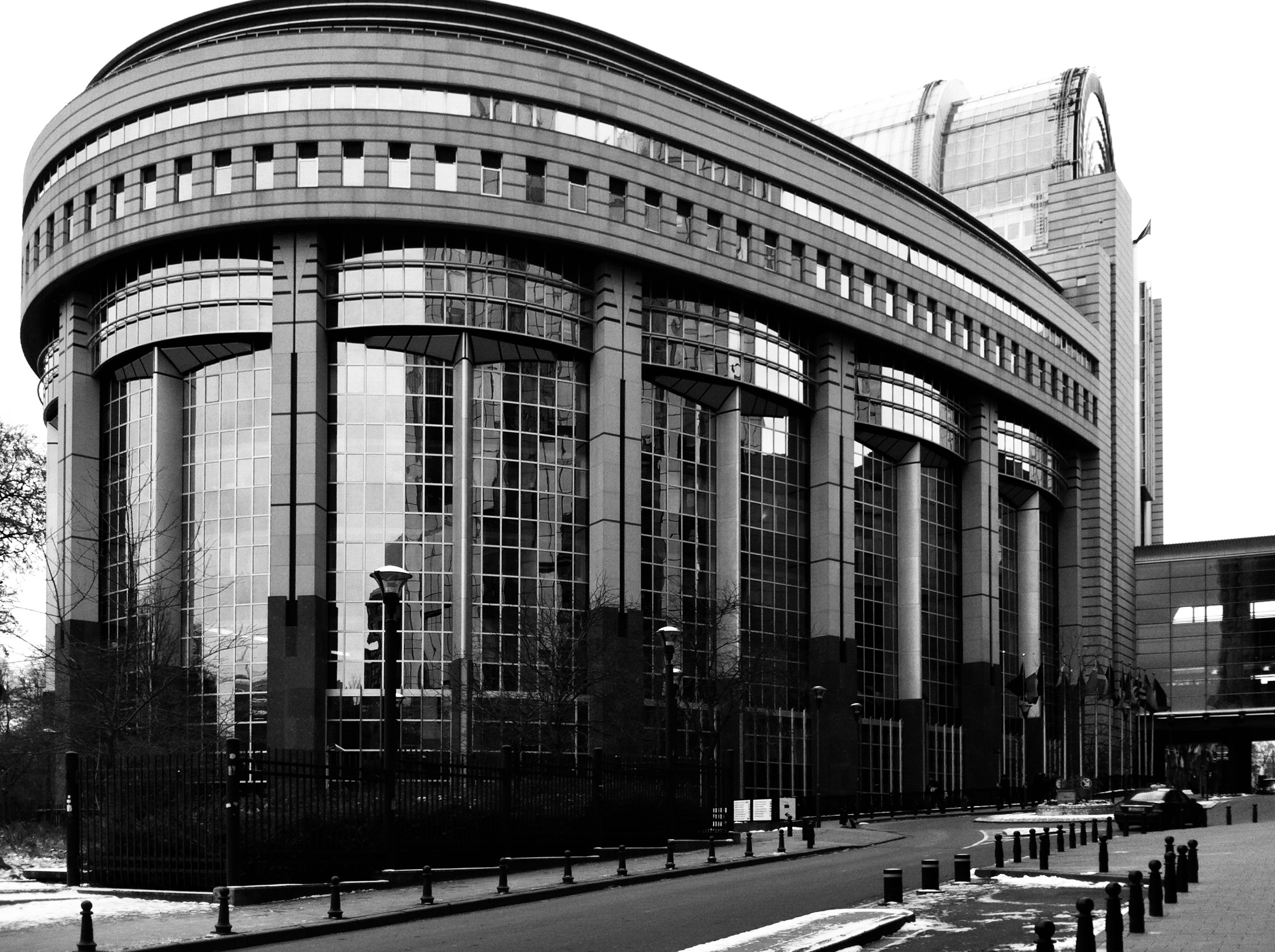
Waarom je deze week moet stemmen bij de verkiezingen voor het Europees Parlement
Europarlementariërs vertegenwoordigen inwoners van EU-lidstaten en adresseren belangrijke onderwerpen die te maken hebben met jouw dagelijks leven. Lees meer hoe en waarom.
Event Timeline
Israeli Strikes in Tehran Killing Larijani
On the night of 16-17 March 2026, Israeli airstrikes in the Tehran area killed Ali Larijani (Secretary of the Supreme National Security Council and de facto leader) and Gholamreza Soleimani (commander of Iran’s internal Basij militia).

Nationalisation of Iranian Oil and the Mossadegh Crisis
From 1951 to 1953, Iran nationalized its oil industry under Prime Minister Mossadegh, leading to an international crisis and the eventual 1953 coup.

Iran Hostage Crisis
In 1979, Iranian students seized the U.S. Embassy in Tehran, holding 52 Americans hostage for 444 days and transforming U.S.-Iran relations.


Taiping Heavenly Kingdom (Taiping Rebellion)
The Taiping Heavenly Kingdom was a large-scale civil war and rival state that challenged Qing rule, resulting in one of the deadliest conflicts in human history and severely weakening imperial authority.
Proclamation of the People’s Republic of China
On 1 October 1949, Mao Zedong proclaimed the People’s Republic of China in Beijing, marking the establishment of Communist rule on the mainland after civil war victory.
First Five-Year Plan and Socialist Transformation
Between 1953 and 1957, China implemented its First Five-Year Plan, restructuring land, industry, and finance along socialist lines and establishing centralized economic planning.
Great Leap Forward
The Great Leap Forward was a nationwide campaign aimed at rapidly industrializing China through mass mobilization and rural collectivization, resulting in severe economic disruption and widespread famine.
Xinhai Revolution
The Xinhai Revolution overthrew the Qing Dynasty and ended over two millennia of imperial rule, leading to the establishment of the Republic of China.


