
Portugal
Intro
Lisbon manages a service-oriented, export-driven economy leveraging EU recovery funds for innovation. Hydropower, wind, and solar provide over 60% of electricity. Political stability underpins steady growth.
Background
Once a global empire, Portugal’s 20th century saw dictatorship, decolonization, and democratic transition in 1974. EU membership in 1986 accelerated modernization. Fiscal discipline post-2011 bailout restored investor confidence. Renewables and tech startups now define its future direction.
History
- 1974: Carnation Revolution ends dictatorship – 1986: Joins the European Community – 2011: Financial bailout and austerity reforms – 2020s: Energy independence and digital transformation
Present Day
In 2025, Portugal achieves record renewable output, hosts EU green finance forums, and strengthens transatlantic ties. Tourism rebounds while inflation pressures housing and wages.
Future Outlook
Portugal’s renewable advantage and digitalization efforts position it as a sustainable EU growth model. The country will deepen Lusophone partnerships and expand its Atlantic infrastructure role.
Map
Topics
Persons

Pete Hegseth
Jake Sullivan
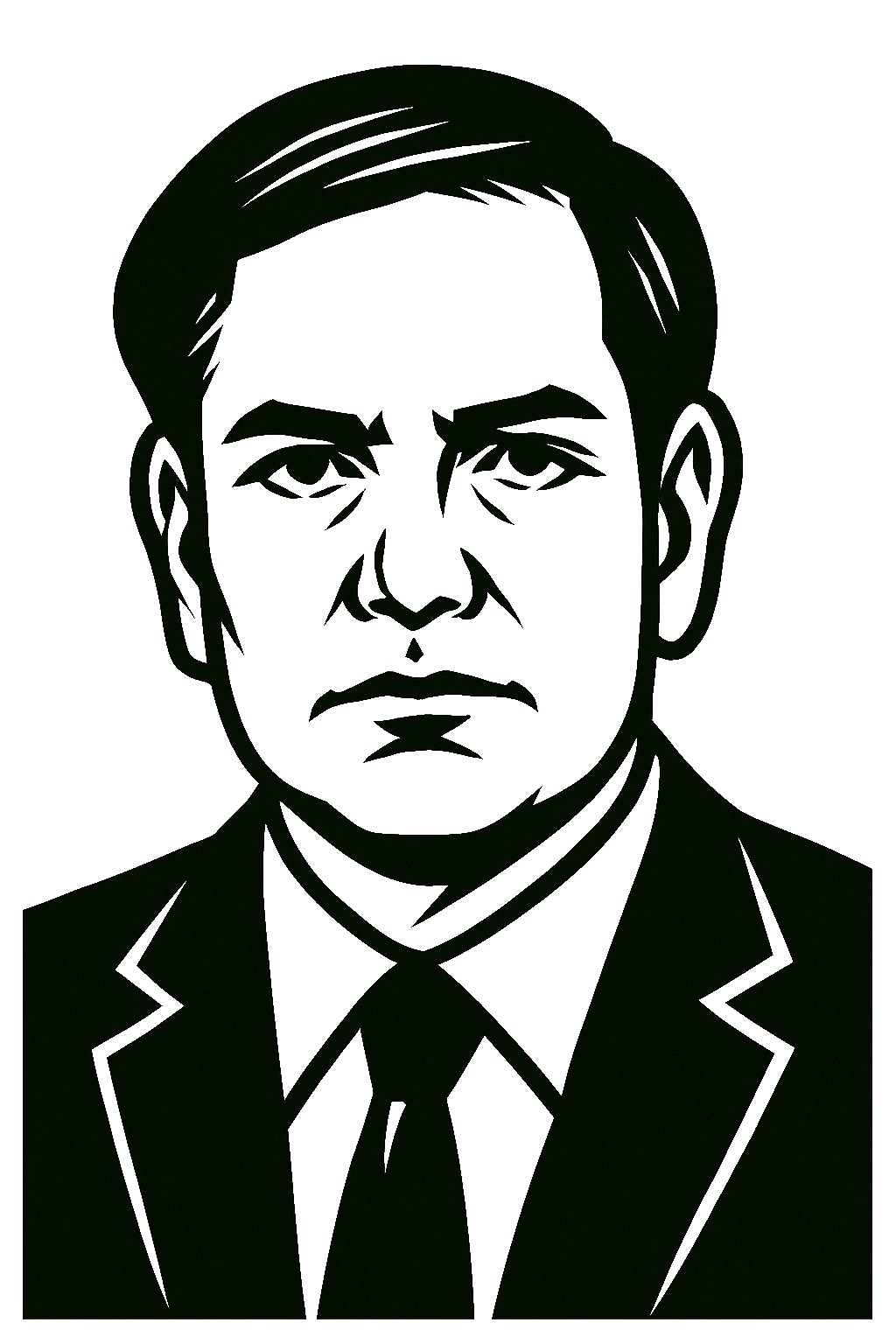
Marco Rubio
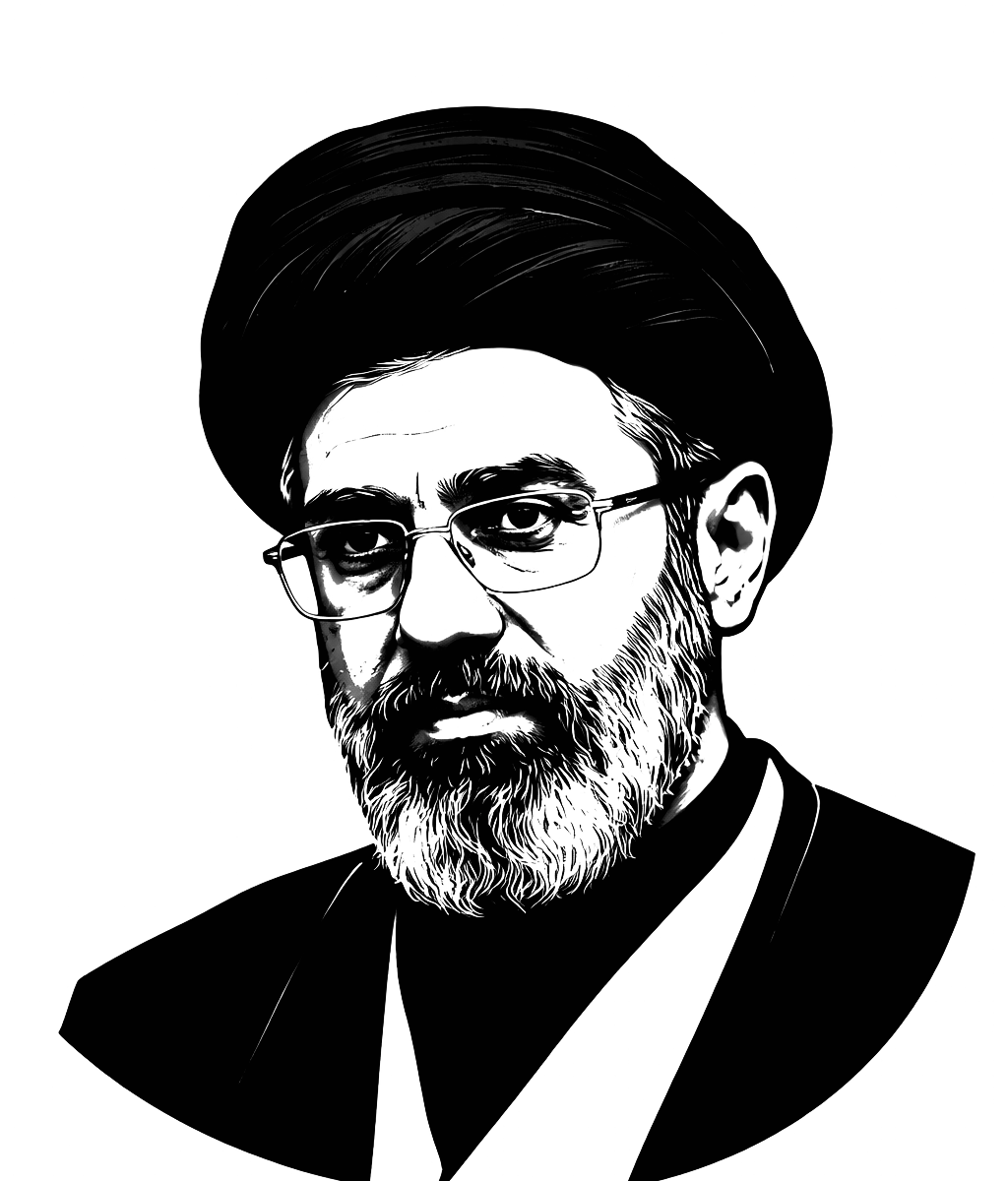
Mojtaba Khamenei
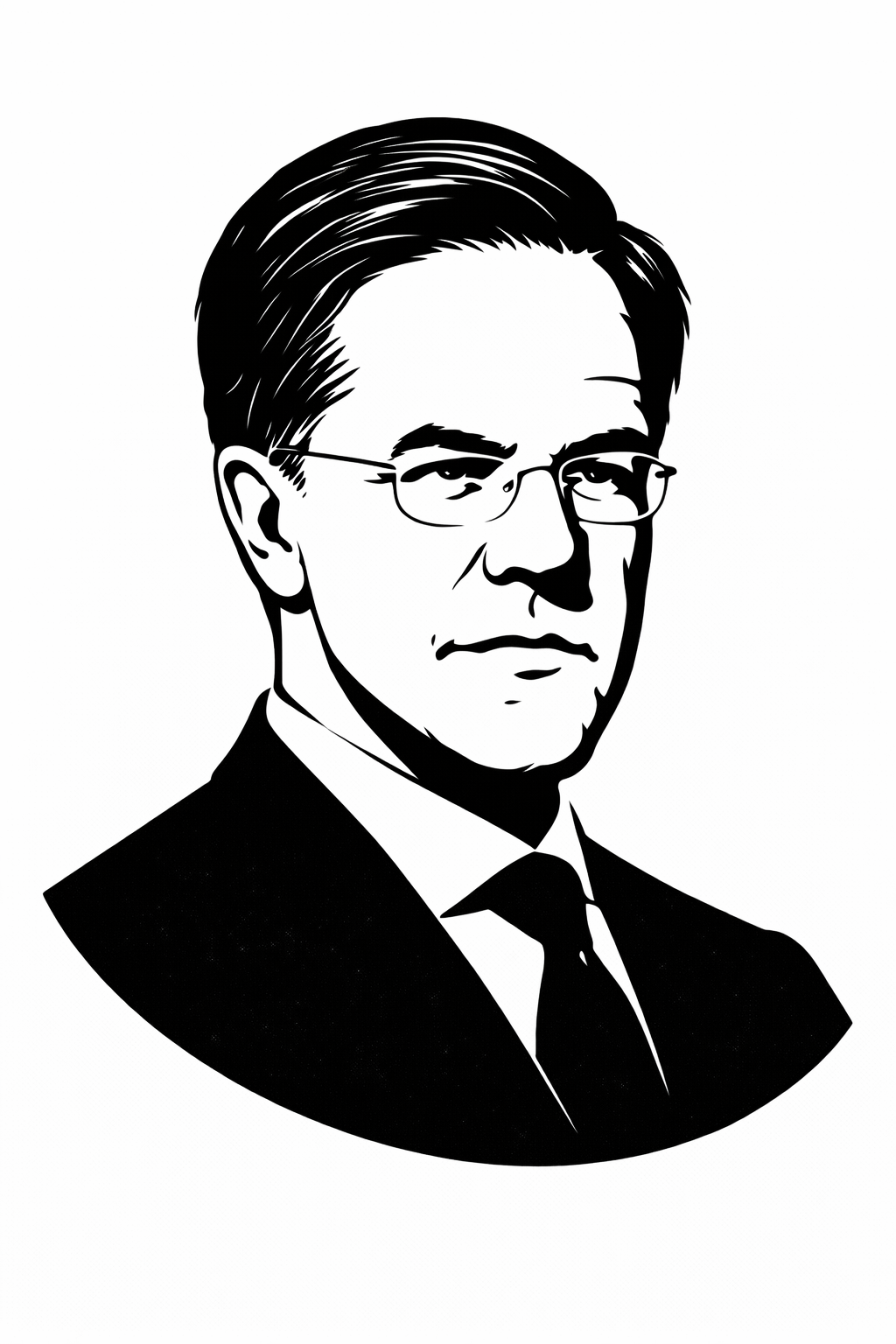
Mark Rutte
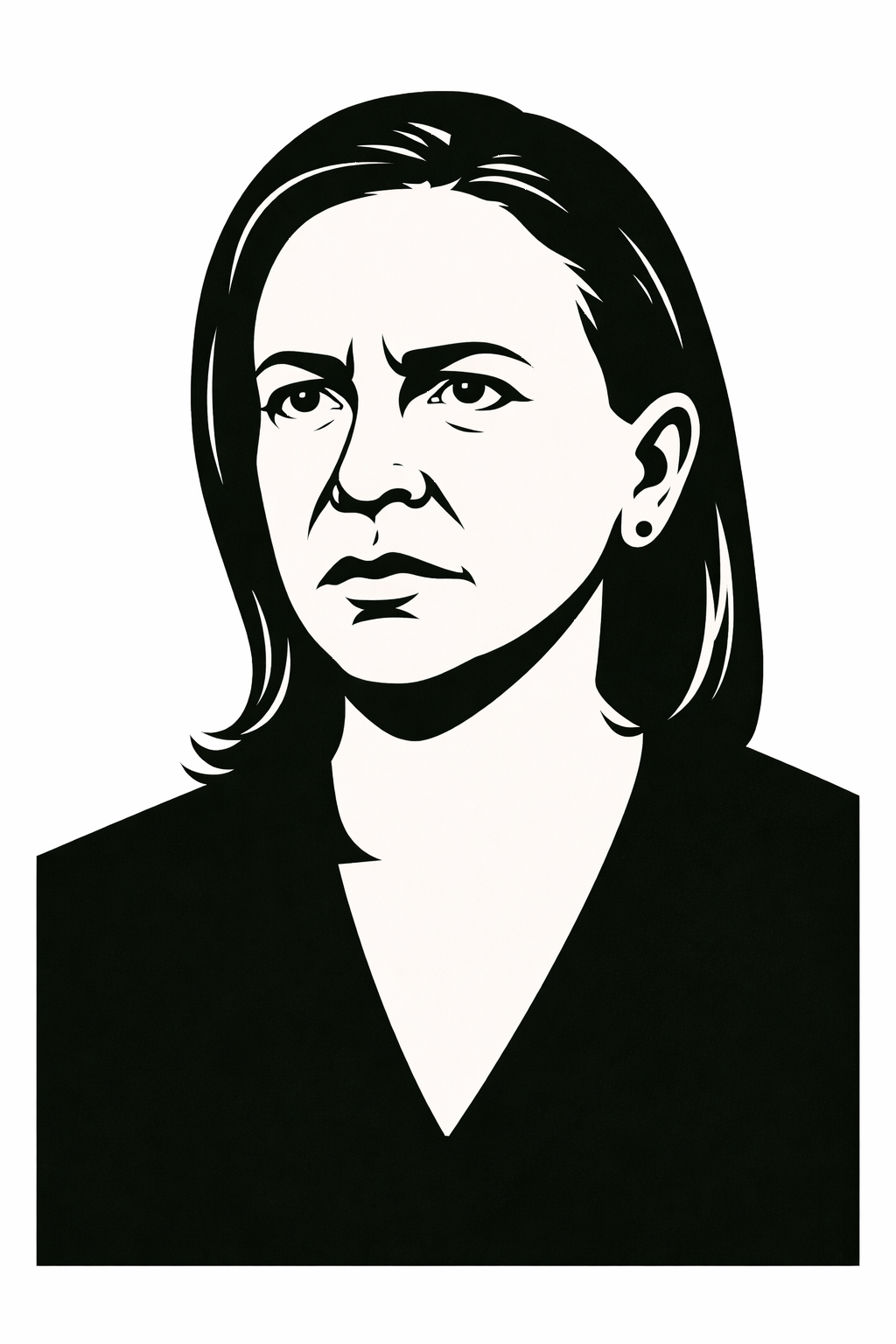
María Corina Machado
Herzi Halevi
Oleksii Reznikov
Oleksandr Syrskyi
Locations
Trentino-Alto Adige / Südtirol
Ottawa
Santo Domingo

Guilin
Kermanshah
Port-au-Prince
Valparaíso
Naples
Panama City
Turin

Articles
Why would Hamas say No to the Ceasefire Agreement?
A ceasefire is currently being negotiated between Hamas and Israel, but Hamas resists acceptance. Despite being at a disadvantage in the conflict, Hamas potentially benefits from growing public dissatisfaction with Israel as the conflict prolongs. Increased international involvement and UNHWR fund unlocks might change the dynamics. However, civilians in Gaza and Israeli hostages are the true sufferers in this ongoing strife.
Monthly Report on influx of Asylum Seekers in Germany – February 2024
Most Asylum Seekers originated from Syria (30%) and 55% from the Total originates from Middle East Countries.
Monthly Report on influx of Asylum Seekers in The Netherlands – February 2024
With 2.480 Asylum Seekers in February, the amount is lower than in January. Most asylum seekers come from Syria (32%) and almost 60% of the total come from the Middle East.
Monthly Report on influx of Asylum Seekers in Germany – January 2024
In January most Asylum Seekers originated from Syria (27%) and 53% from the Total originates from Middle East Countries.
Monthly Report on influx of Asylum Seekers in The Netherlands – January 2024
Most asylum seekers come from Syria (38%) and almost 60% of the total come from the Middle East. The global trend is upward.
Event Timeline

Polish-Lithuanian Rule over Ukraine
Before Moscow, there was Lublin. The Polish–Lithuanian Commonwealth laid the groundwork for Western Ukrainian identity — and for centuries of contested rule.


