
Papua New Guinea
Intro
PNG’s mountainous interior and dispersed islands complicate service delivery and logistics. Resource projects create growth spikes but expose fiscal volatility. Strategic ties expand with Australia, the US, and Japan, while proximity to Indonesia and the Solomon arc links it to wider Indo-Pacific politics.
Background
Since independence in 1975, governance capacity has improved unevenly. Customary land tenure and local politics shape investment timelines. Human development indicators trail regional peers despite resource wealth.
History
Present Day
Future Outlook
If project execution and revenue management improve, PNG can lift trend growth and social outcomes. Risks include commodity downcycles, disaster exposure, and governance bottlenecks.
Map
Topics
Persons

Pete Hegseth
Jake Sullivan
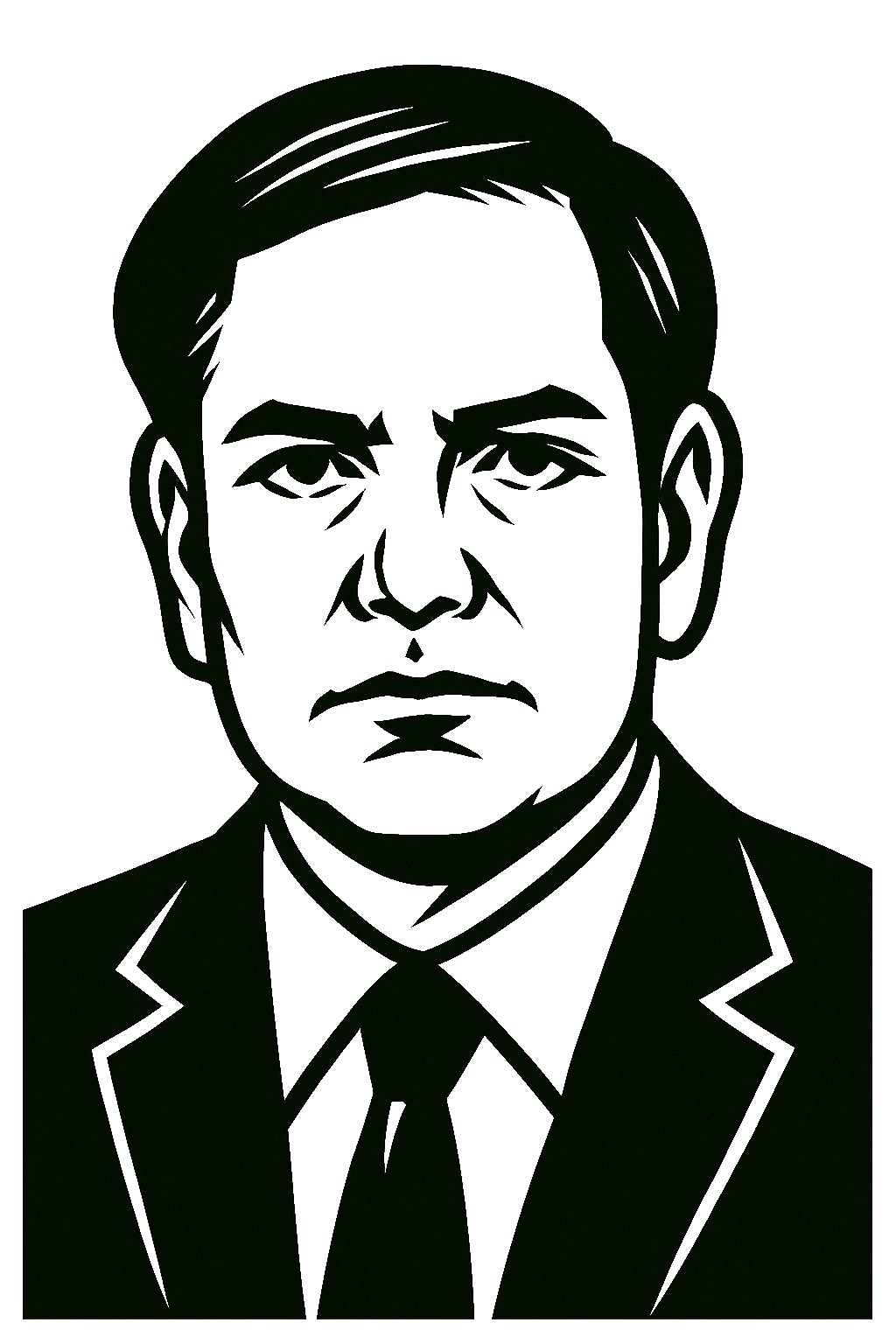
Marco Rubio
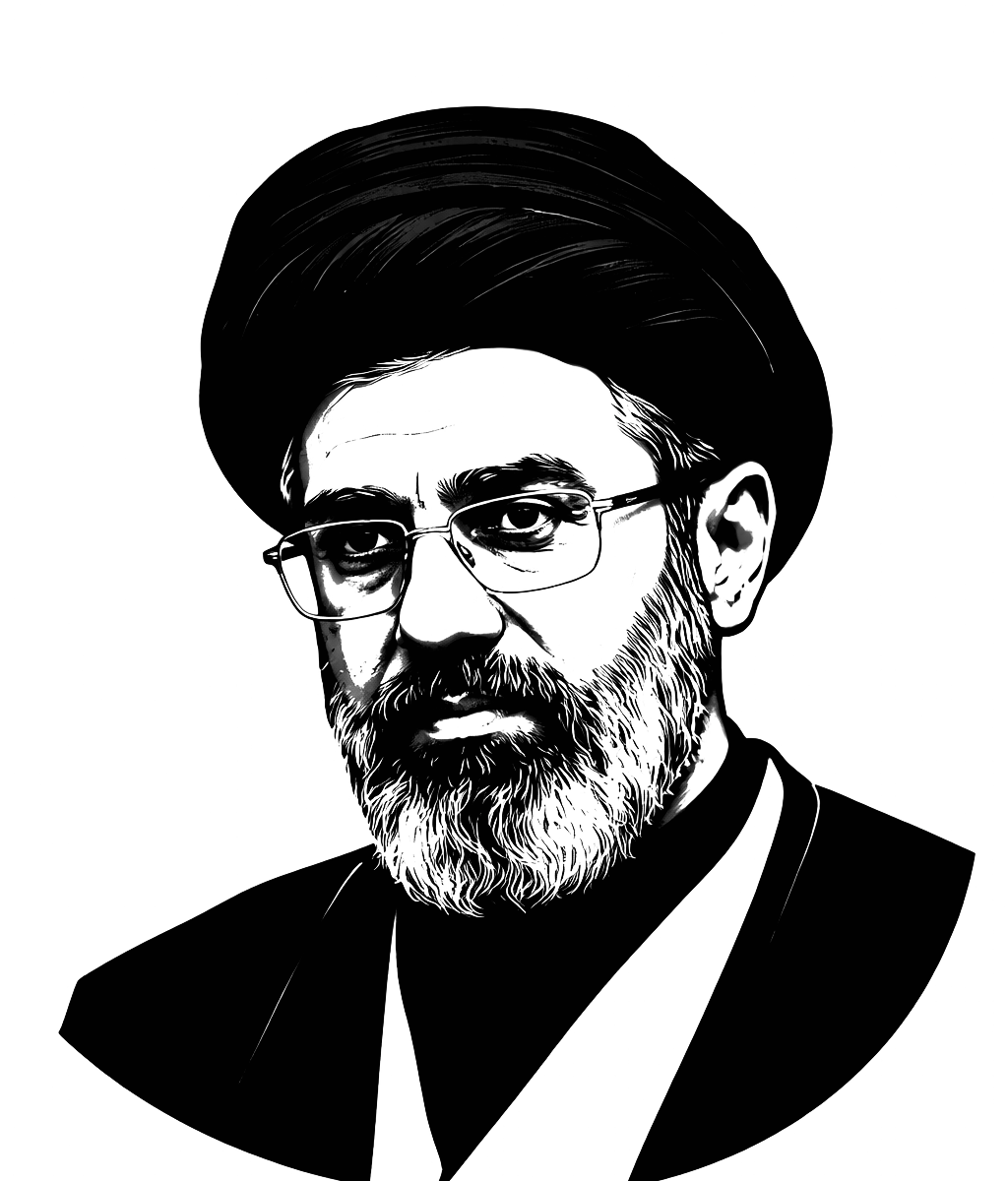
Mojtaba Khamenei
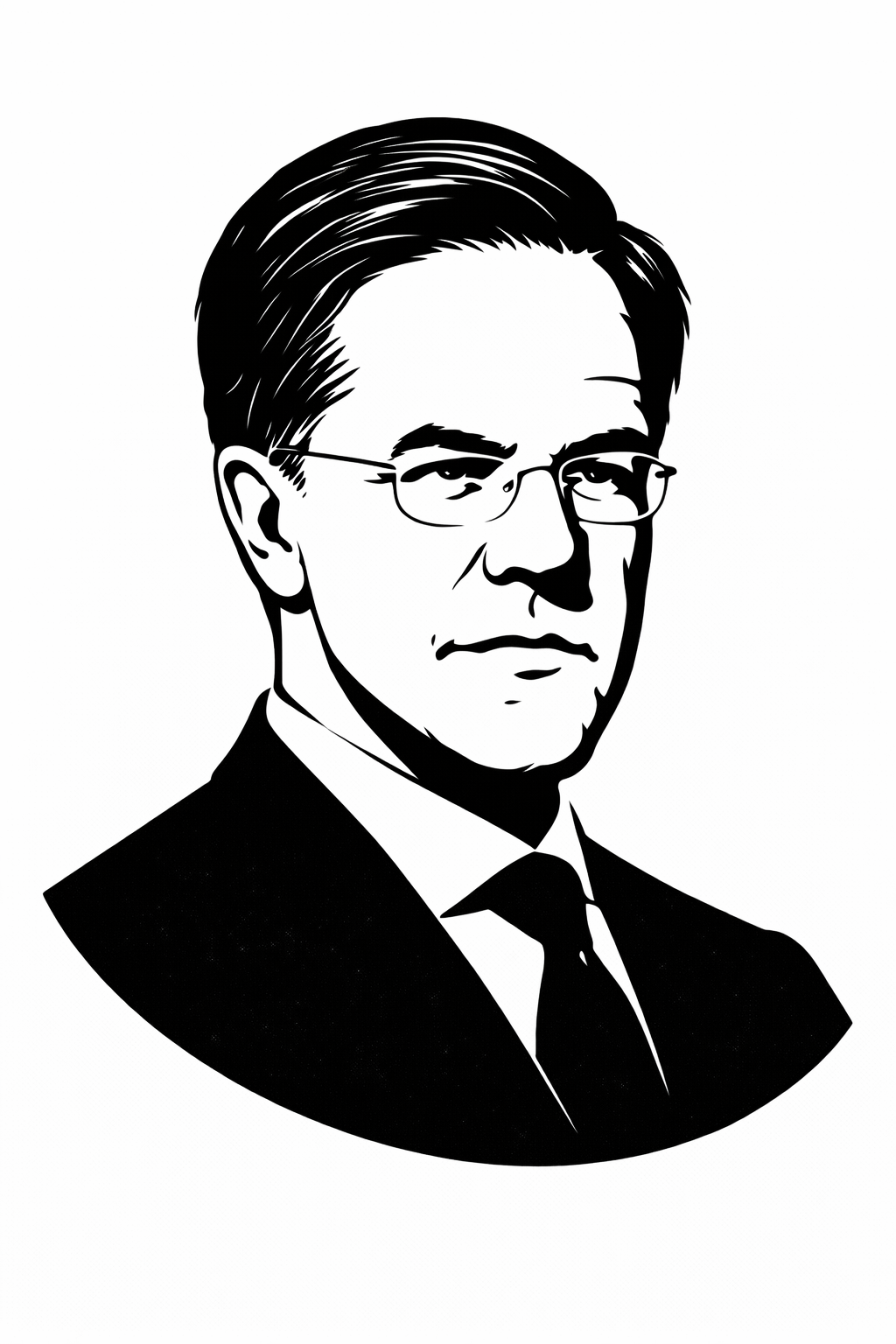
Mark Rutte
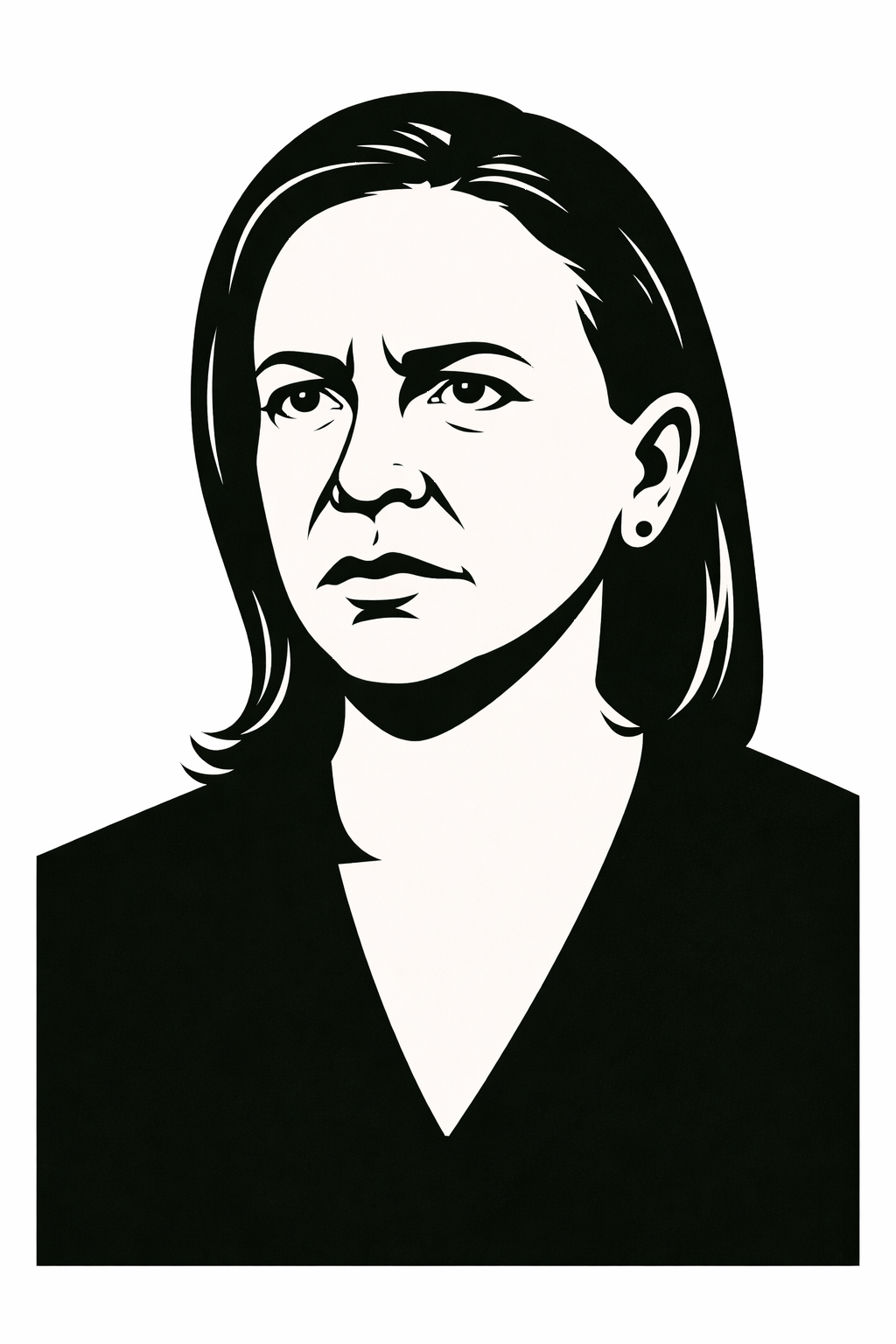
María Corina Machado
Herzi Halevi
Oleksii Reznikov
Oleksandr Syrskyi
Locations

Articles

Why Ukraine Cannot Lose This War
And why Russia, in a deeper sense, already did

24 Hours in Tbilisi and Mtshketa
Citadel views, sulfur steam, silent prayers — and a capital caught between memory and movement.

The Geographical Pivot of Constraints
How supply chains and constraint, will shape the global struggle

Events that led to the war in Ukraine – a timeline
A 1.000 Years Struggle for An Autonomous National Identity.

Picturing the Past – Postponed Peace in Transnistria
A view inside, in 2010. It’s mainly Smirnov, Sheriff and Medvedev that you see

24 Hours in Vilnius
Baroque echoes, Jewish memory, Soviet scars — and a city that stands without spectacle.

The Baltic’s Burden
What a Nation Remembers in the Morning.

Empire Logic: How Russia Uses Borders, Identity, and Delay
Russia does not need to occupy a country to control it. It only needs to prevent resolution. From Transnistria to Crimea, from narrative warfare to financial systems, Empire Logic shows how modern power is held — not through conquest, but through structural denial.
Event Timeline

Polish-Lithuanian Rule over Ukraine
Before Moscow, there was Lublin. The Polish–Lithuanian Commonwealth laid the groundwork for Western Ukrainian identity — and for centuries of contested rule.


