
Hormuz Island
Intro
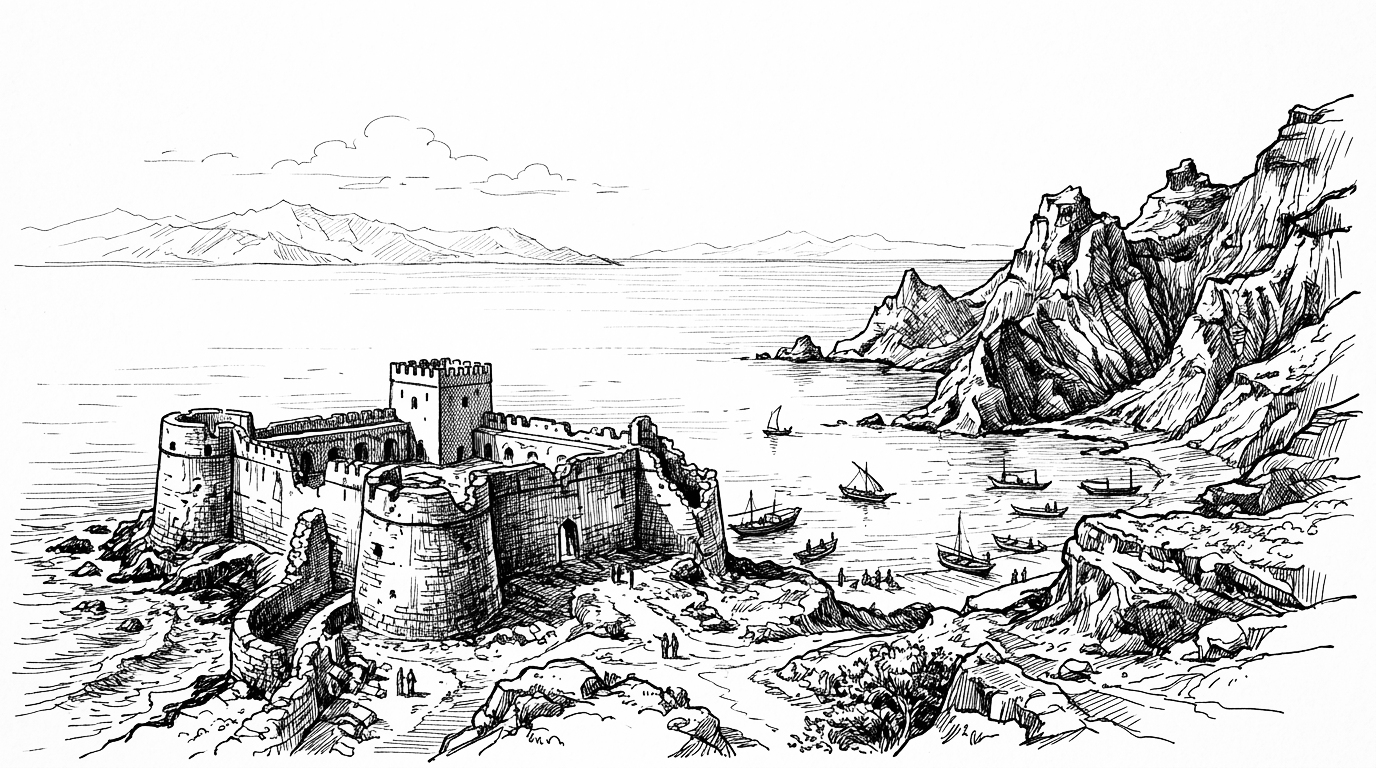
Situated directly at the entrance of the Persian Gulf, Hormuz Island occupies a commanding position over shipping lanes connecting global energy markets with Gulf producers. Its geography gives it relevance far beyond its size or population.
Background
Historically contested due to its position, the island has long been used to project control over maritime traffic. In modern Iranian doctrine, it forms part of a layered coastal and island-based deterrence system in the Strait of Hormuz.
History
Hormuz Island dominated the entrance to the Persian Gulf for centuries and was seized by the Portuguese in 1507 as a strategic base for their Indian Ocean empire. The island became one of the most valuable trading posts in Asia, with merchants from across the Indian Ocean world paying customs to the Portuguese garrison. Shah Abbas I, with English East India Company naval assistance, expelled the Portuguese in 1622 and transferred Gulf trade to the mainland port that became Bandar Abbas.
After this strategic reorientation the island lost commercial significance but retained geographic importance. After 1979 it was integrated into the layered asymmetric maritime defence system Iran has developed to threaten shipping access to the Gulf.
Present Day
Today Hormuz Island hosts military installations, surveillance infrastructure, and limited civilian settlement. It is a key element in Iran’s ability to threaten, monitor, or control transit through the Strait of Hormuz in crisis scenarios.
Future Outlook
Map
Articles
Why would Hamas say No to the Ceasefire Agreement?
A ceasefire is currently being negotiated between Hamas and Israel, but Hamas resists acceptance. Despite being at a disadvantage in the conflict, Hamas potentially benefits from growing public dissatisfaction with Israel as the conflict prolongs. Increased international involvement and UNHWR fund unlocks might change the dynamics. However, civilians in Gaza and Israeli hostages are the true sufferers in this ongoing strife.

Monthly Report on influx of Asylum Seekers in Germany – February 2024
Most Asylum Seekers originated from Syria (30%) and 55% from the Total originates from Middle East Countries.
Monthly Report on influx of Asylum Seekers in The Netherlands – February 2024
With 2.480 Asylum Seekers in February, the amount is lower than in January. Most asylum seekers come from Syria (32%) and almost 60% of the total come from the Middle East.
Monthly Report on influx of Asylum Seekers in Germany – January 2024
In January most Asylum Seekers originated from Syria (27%) and 53% from the Total originates from Middle East Countries.
Monthly Report on influx of Asylum Seekers in The Netherlands – January 2024
Most asylum seekers come from Syria (38%) and almost 60% of the total come from the Middle East. The global trend is upward.
Event Timeline

Polish-Lithuanian Rule over Ukraine
Before Moscow, there was Lublin. The Polish–Lithuanian Commonwealth laid the groundwork for Western Ukrainian identity — and for centuries of contested rule.


