
Hormuz Island
Intro
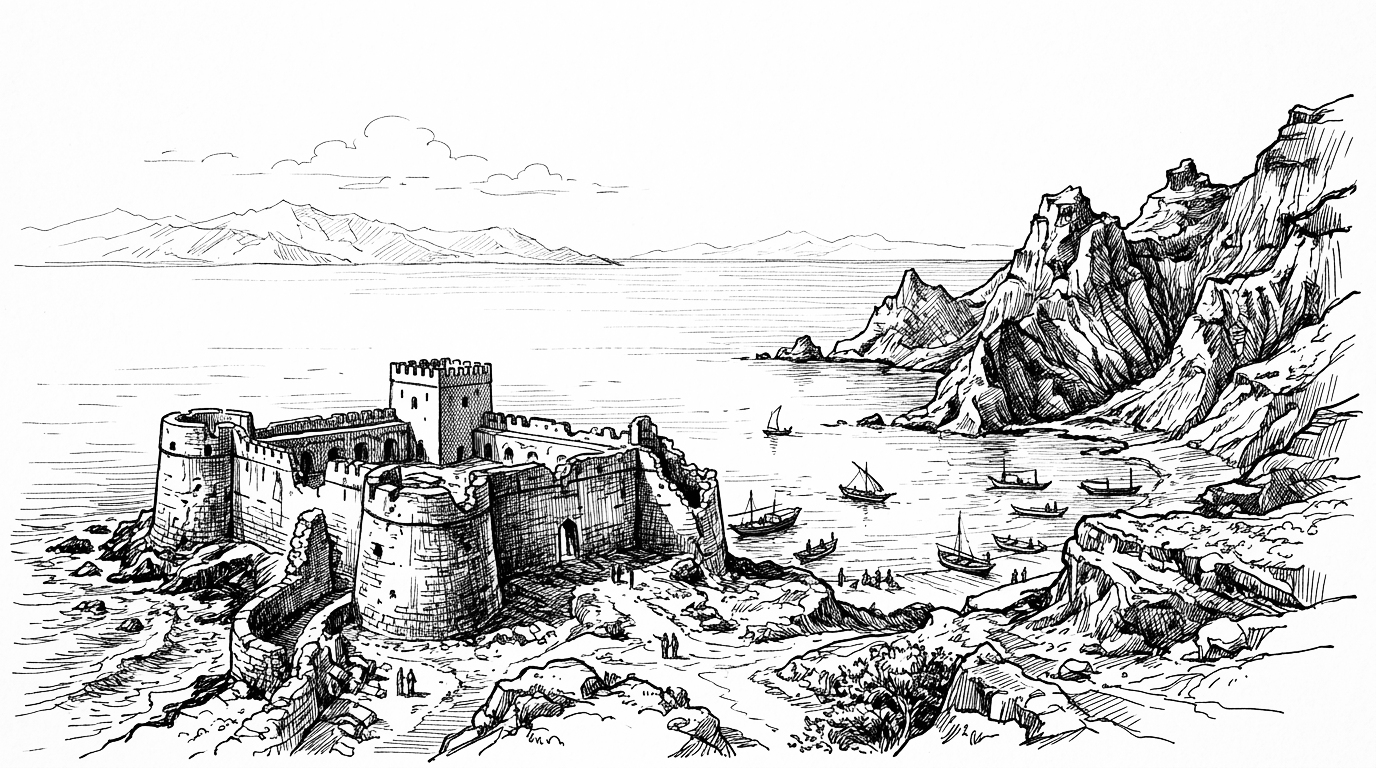
Situated directly at the entrance of the Persian Gulf, Hormuz Island occupies a commanding position over shipping lanes connecting global energy markets with Gulf producers. Its geography gives it relevance far beyond its size or population.
Background
Historically contested due to its position, the island has long been used to project control over maritime traffic. In modern Iranian doctrine, it forms part of a layered coastal and island-based deterrence system in the Strait of Hormuz.
History
Hormuz Island dominated the entrance to the Persian Gulf for centuries and was seized by the Portuguese in 1507 as a strategic base for their Indian Ocean empire. The island became one of the most valuable trading posts in Asia, with merchants from across the Indian Ocean world paying customs to the Portuguese garrison. Shah Abbas I, with English East India Company naval assistance, expelled the Portuguese in 1622 and transferred Gulf trade to the mainland port that became Bandar Abbas.
After this strategic reorientation the island lost commercial significance but retained geographic importance. After 1979 it was integrated into the layered asymmetric maritime defence system Iran has developed to threaten shipping access to the Gulf.
Present Day
Today Hormuz Island hosts military installations, surveillance infrastructure, and limited civilian settlement. It is a key element in Iran’s ability to threaten, monitor, or control transit through the Strait of Hormuz in crisis scenarios.
Future Outlook
Map
Articles

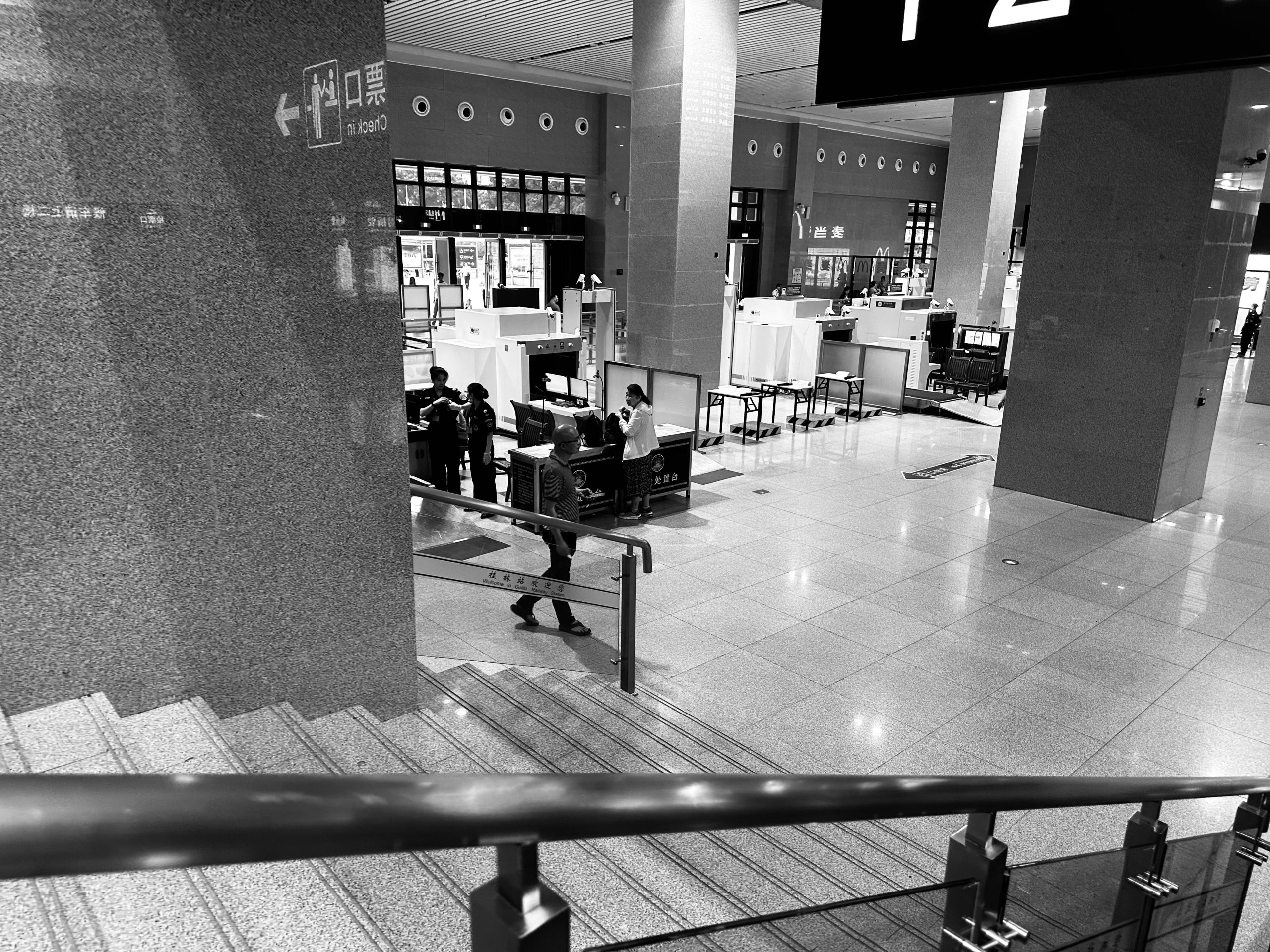
Control is good, trust is better!
It is almost 2025. There is social unrest. A migration crisis? Foreign influences? A retreat to the national is taking . Border controls are being deployed again. People want to be “in control” again. Will this bring back confidence?
Event Timeline
China Launches the Belt and Road Initiative
In 2013, China launched the Belt and Road Initiative (BRI), a long-term strategy to expand infrastructure, trade, and connectivity across Eurasia, Africa, and beyond.
China-United States Trade War (Trump I)
In 2018, trade tensions between China and the United States escalated into a sustained tariff and technology conflict, marking a turning point in bilateral economic relations.

Hong Kong Protests
In 2019, mass protests erupted in Hong Kong in response to proposed extradition legislation, evolving into a broader movement centered on civil liberties, autonomy, and governance.
China’s Zero-COVID Policy
From 2020 to 2022, China implemented a Zero-COVID policy aimed at eliminating domestic transmission through lockdowns, mass testing, travel controls, and centralized quarantine.
China’s 20th Party Congress
In October 2022, China held its 20th Party Congress, confirming leadership continuity and setting policy priorities for the coming years.
Trump Meets Xi Jinping
U.S. President Donald Trump meets Chinese leader Xi Jinping on the sidelines of an international summit, marking a high-level diplomatic engagement amid renewed economic and strategic tensions.
China Responds to Dutch Action on Nexperia
China responds diplomatically to the Dutch intervention in Nexperia, warning of consequences for bilateral economic and technological relations.
The Netherlands Intervenes in Nexperia Ownership
The Dutch government intervenes in the ownership and governance of semiconductor producer Nexperia, citing national security and strategic supply-chain concerns.

Boxer Rebellion
The Boxer Rebellion was a violent anti-foreign and anti-Christian uprising that drew direct military intervention by multiple foreign powers and further undermined Qing sovereignty.
Qin Unification of the Warring States
The Qin state completed the military unification of the Warring States, ending centuries of fragmentation and creating the first centralized imperial state in Chinese history.


