
Croatia
Intro
As an EU and NATO member, Croatia bridges Central Europe and the Adriatic. The country’s strategic location, infrastructure, and tourism sector make it one of the most prosperous in the Balkans, though demographic decline continues.
Background
Independence in 1991 followed the breakup of Yugoslavia and a prolonged war. EU integration anchored democratic and economic recovery. Croatia joined the Eurozone and Schengen in 2023, consolidating its position in European structures.
History
- 1991: Independence and start of the Croatian War of Independence – 1995: Operation Storm ends war, territorial reintegration – 2013: Joins the European Union – 2023: Enters Eurozone and Schengen Area
Present Day
In 2025, Croatia leads in Balkan stability and EU integration, with strong fiscal indicators and renewed investment in green and digital sectors.
Future Outlook
Croatia will continue leveraging its EU position and maritime infrastructure. Tourism diversification and energy transition are critical for sustainability.
Map
Topics
Persons

Pete Hegseth
Jake Sullivan

Marco Rubio

Mojtaba Khamenei

Mark Rutte

María Corina Machado
Herzi Halevi
Oleksii Reznikov
Oleksandr Syrskyi
Locations
Belarus
Honduras
Mexico City
Quebec
Papua New Guinea
Tajikistan

Austria
United Arab Emirates

New York City
Switzerland




Articles

EU launches Call for EU business to invest in Ukraine’s recovery and reconstruction
The EU launched a Call for Expression of Interest to mobilize private EU investment in critical areas to support Ukraine’s rebuilding efforts. This includes up to €50 billion in grants and loans for the period 2024-2027. Find out how to apply.
Monthly Report on influx of Asylum Seekers in Germany – September 2024
The global trend is slightly downwards this year and in comparison to last year (2023)
Monthly Report on influx of Asylum Seekers in The Netherlands – September 2024
Higher influx than last month. The global trend is slightly downwards this year and in comparison to last year (2023)
Monthly Report on influx of Asylum Seekers in The Netherlands – August 2024
The global trend is slightly downwards this year and in comparison to last year (2023)
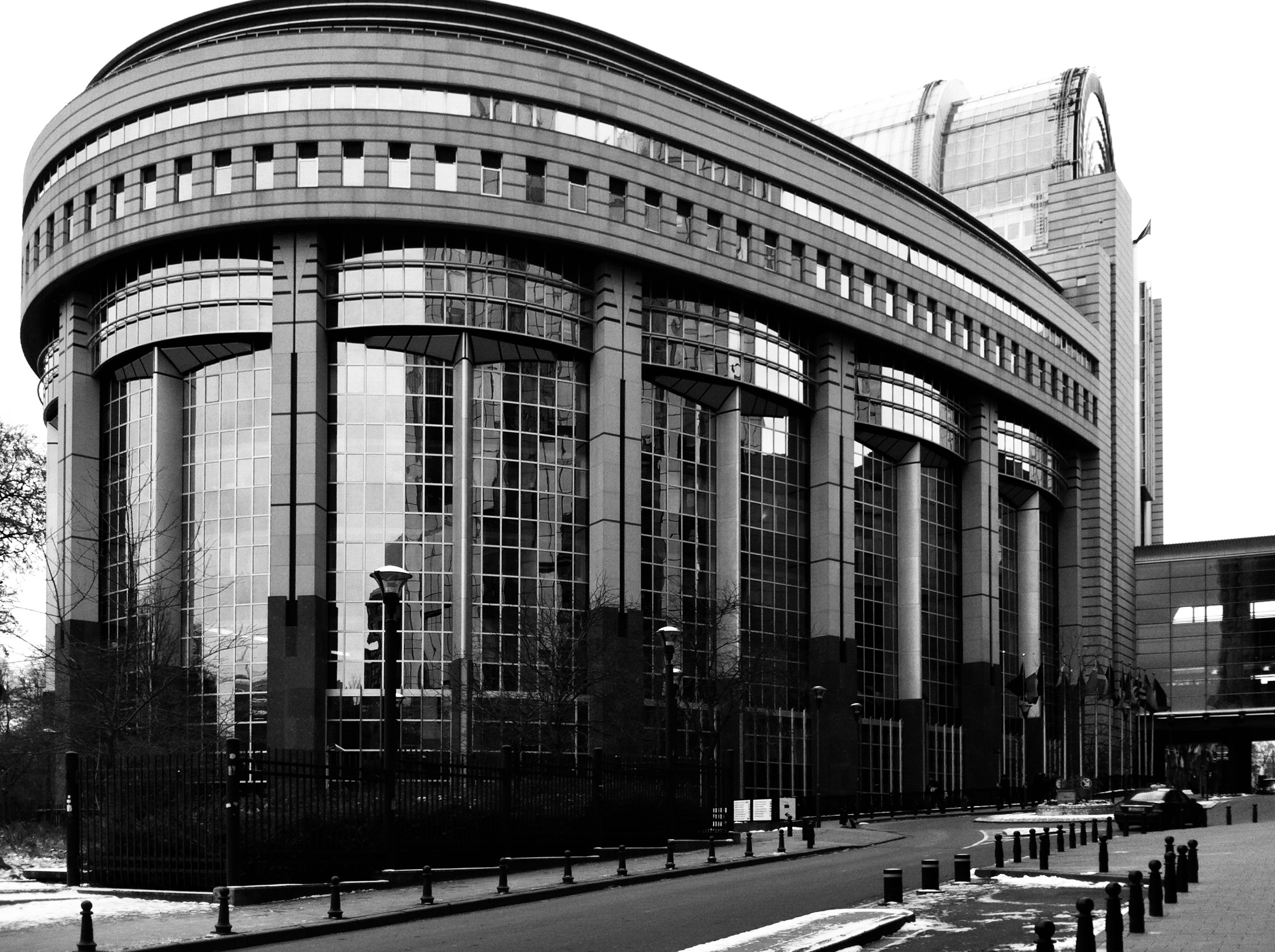
Why You should vote on the european Parliament elections this week
Members of the European Parliament represent citizens of EU countries to address important topics in your daily life. Read more to find out how.
Monthly Report on influx of Asylum Seekers in The Netherlands – April 2024
The Global Trend is currently stable with 2.690 new applications. A higher amount from Unknown Origin (130.

Monthly Report on influx of Asylum Seekers in The Netherlands – March 2024
A minor upward Trend while the majority still originates from Middle East Countries.
Event Timeline

Polish-Lithuanian Rule over Ukraine
Before Moscow, there was Lublin. The Polish–Lithuanian Commonwealth laid the groundwork for Western Ukrainian identity — and for centuries of contested rule.


The EU Need To Step Up As Geopolitical Power
1,000 sad days of war in Ukraine. China influence is moving forward. The US turns inward. Time to take action in Europe.