
France

Intro
The economy is services-led with strong aerospace, luxury, agri-food, transport, and energy sectors. Labor markets are reforming; state intervention remains significant. Energy security leans on nuclear power and growing renewables. Paris drives EU industrial policy, defense coordination, and capital markets integration.
Background
Postwar France built a centralized state and social model while shaping the EU’s institutions with Germany. Deindustrialization pressures and energy shocks revived industrial policy and supply-chain reshoring. Defense posture emphasizes expeditionary capability, cyber, and space, with overseas territories supporting a blue-water navy and Indo-Pacific presence.
History
- 1957: EEC founding member – 1966: NATO command withdrawal; independent nuclear doctrine – 1992-1999: Maastricht and euro integration – 2009: Return to NATO Integrated Command – 2010s-2020s: Terror attacks, pension and labor reforms; renewed industrial policy; Indo-Pacific tilt
Present Day
In 2025, growth is modest; inflation eases; nuclear output recovers. Paris advances EU defense and semiconductor initiatives, maintains Ukraine support, and retools Africa policy from military presence to economic and civil partnerships.
Future Outlook
Competitiveness will hinge on scaling low-carbon power, digital and defense value chains, and capital formation. France will push EU industrial sovereignty, deepen European defense integration, and expand Indo-Pacific partnerships while managing fiscal constraints.
Map
Locations
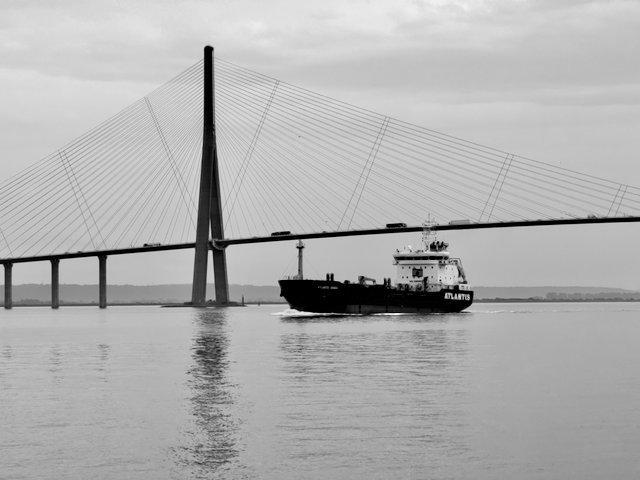
Normandy
Évreux
Honfleur
Brionne
Grand-Bourgtheroulde
Harcourt
Bernay
Caen
Paris

Pont-Audemer



Articles

Return to Babel: Language, Identity, and Belonging
How identity is filtered — not by law, but by design – and what it means to belong
Event Timeline
Convention of Peking
The Convention of Peking ended the Second Opium War and ceded the Kowloon Peninsula south of Boundary Street to Britain.

Second Opium War
The Second Opium War expanded Western military pressure on Qing China, resulting in deeper treaty concessions, legalized opium trade, and intensified foreign presence in imperial affairs.


