
North Korea
Intro
The DPRK’s doctrine merges dynastic legitimacy, military-first policy, and regime survival through deterrence. Economic control and limited border trade sustain the elite core amid chronic scarcity.
Background
Since the Korean War, Pyongyang pursued autarky and asymmetric deterrence. Reforms under Kim Jong-un introduced limited market tolerance but repression persists. International sanctions and pandemic isolation deepened shortages, while missile testing accelerated.
History
- 1950-1953: Korean War – 2006: First nuclear test – 2018-2019: Diplomatic thaw with U.S. fails – 2020s: Renewed isolation and missile proliferation
Present Day
Pyongyang continues weapons testing while reopening trade with China’s border provinces. Surveillance and repression remain pervasive.
Future Outlook
Regime continuity is probable; nuclear diplomacy remains stalemated. Dependence on China will persist. Gradual humanitarian deterioration and military escalation risk regional instability.
Map
Topics
Persons
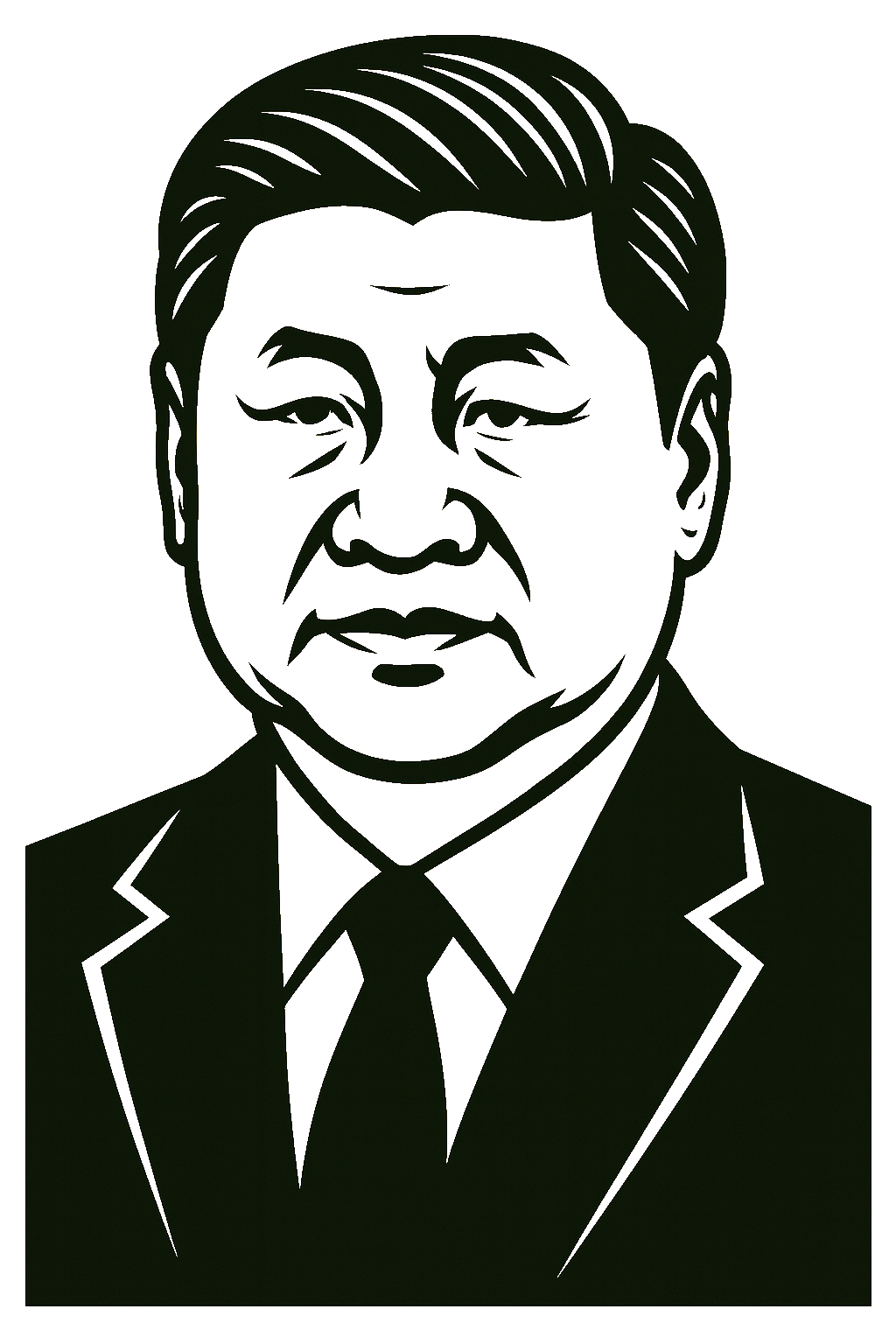
Xi Jinping
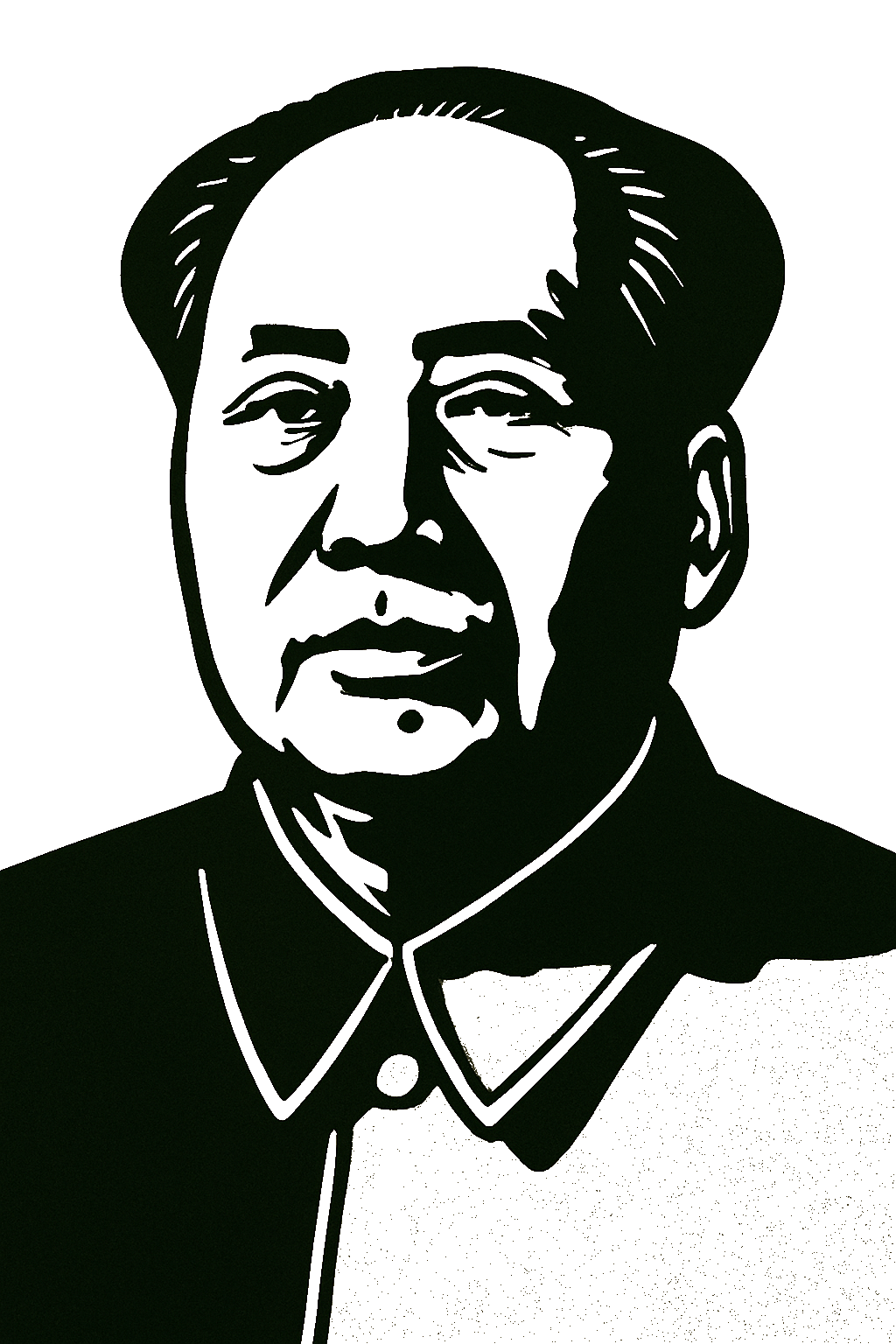
Mao Zedong
Locations

Hong Kong Island
Aberdeen


Articles

The Hong Kong fire will change China’s Real Estate sector
China’s real estate sector is shaped by deeper pressures than market cycles alone.
Demographics, oversight consistency, due-diligence gaps and investment confidence now intersect in ways that define the sector’s next phase.

China’s Fourth Plenum — Xi Tightens Control as Party Sets Course for the Next Five Years
Planning the future – the news between the lines.
Event Timeline
China-United States Trade War (Trump I)
In 2018, trade tensions between China and the United States escalated into a sustained tariff and technology conflict, marking a turning point in bilateral economic relations.

Hong Kong Protests
In 2019, mass protests erupted in Hong Kong in response to proposed extradition legislation, evolving into a broader movement centered on civil liberties, autonomy, and governance.
China’s Zero-COVID Policy
From 2020 to 2022, China implemented a Zero-COVID policy aimed at eliminating domestic transmission through lockdowns, mass testing, travel controls, and centralized quarantine.
China’s 20th Party Congress
In October 2022, China held its 20th Party Congress, confirming leadership continuity and setting policy priorities for the coming years.
Trump Meets Xi Jinping
U.S. President Donald Trump meets Chinese leader Xi Jinping on the sidelines of an international summit, marking a high-level diplomatic engagement amid renewed economic and strategic tensions.
China Responds to Dutch Action on Nexperia
China responds diplomatically to the Dutch intervention in Nexperia, warning of consequences for bilateral economic and technological relations.
The Netherlands Intervenes in Nexperia Ownership
The Dutch government intervenes in the ownership and governance of semiconductor producer Nexperia, citing national security and strategic supply-chain concerns.

Boxer Rebellion
The Boxer Rebellion was a violent anti-foreign and anti-Christian uprising that drew direct military intervention by multiple foreign powers and further undermined Qing sovereignty.
Qin Unification of the Warring States
The Qin state completed the military unification of the Warring States, ending centuries of fragmentation and creating the first centralized imperial state in Chinese history.


