
North Korea
Intro
The DPRK’s doctrine merges dynastic legitimacy, military-first policy, and regime survival through deterrence. Economic control and limited border trade sustain the elite core amid chronic scarcity.
Background
Since the Korean War, Pyongyang pursued autarky and asymmetric deterrence. Reforms under Kim Jong-un introduced limited market tolerance but repression persists. International sanctions and pandemic isolation deepened shortages, while missile testing accelerated.
History
- 1950-1953: Korean War – 2006: First nuclear test – 2018-2019: Diplomatic thaw with U.S. fails – 2020s: Renewed isolation and missile proliferation
Present Day
Pyongyang continues weapons testing while reopening trade with China’s border provinces. Surveillance and repression remain pervasive.
Future Outlook
Regime continuity is probable; nuclear diplomacy remains stalemated. Dependence on China will persist. Gradual humanitarian deterioration and military escalation risk regional instability.
Map
Topics
Persons
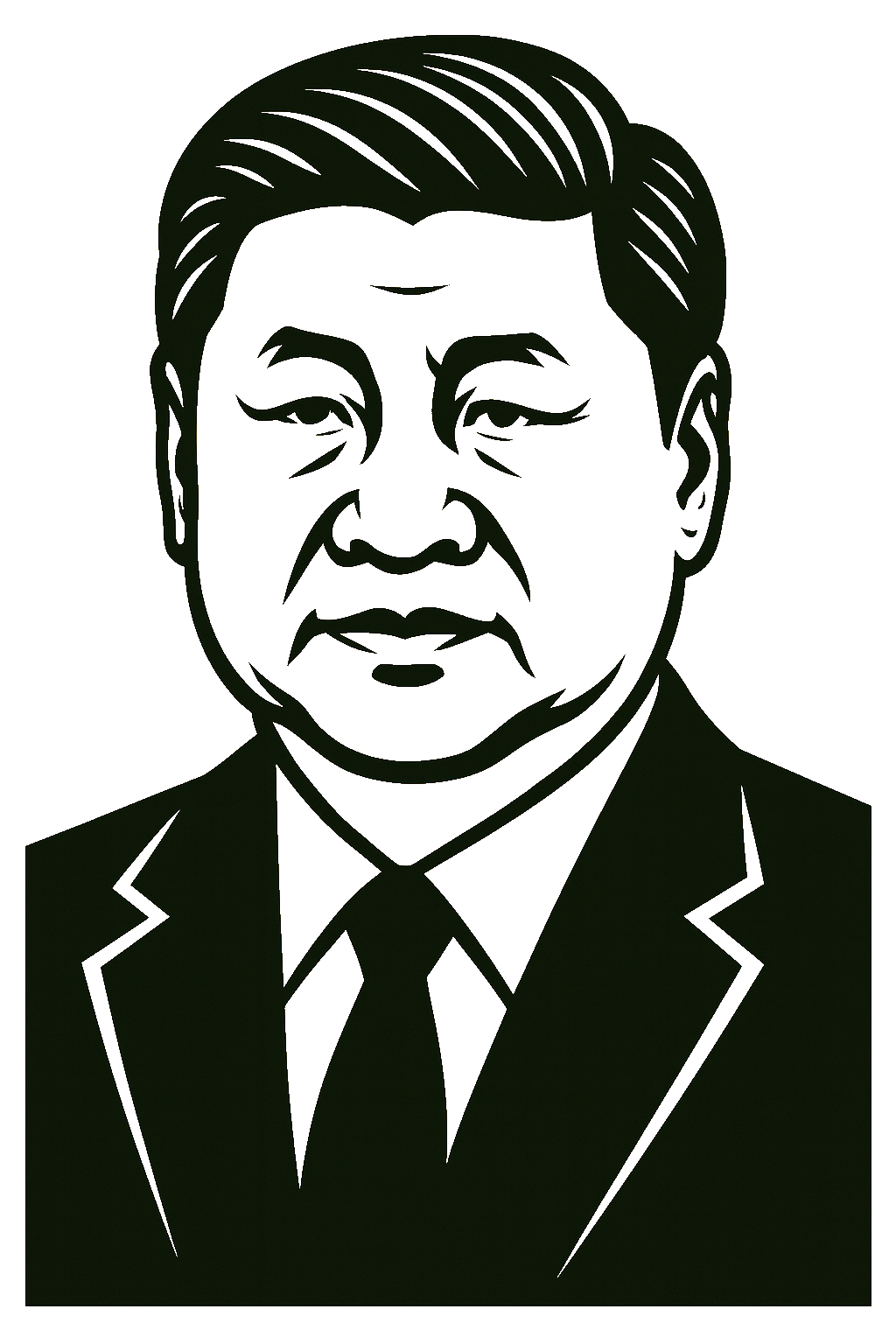
Xi Jinping
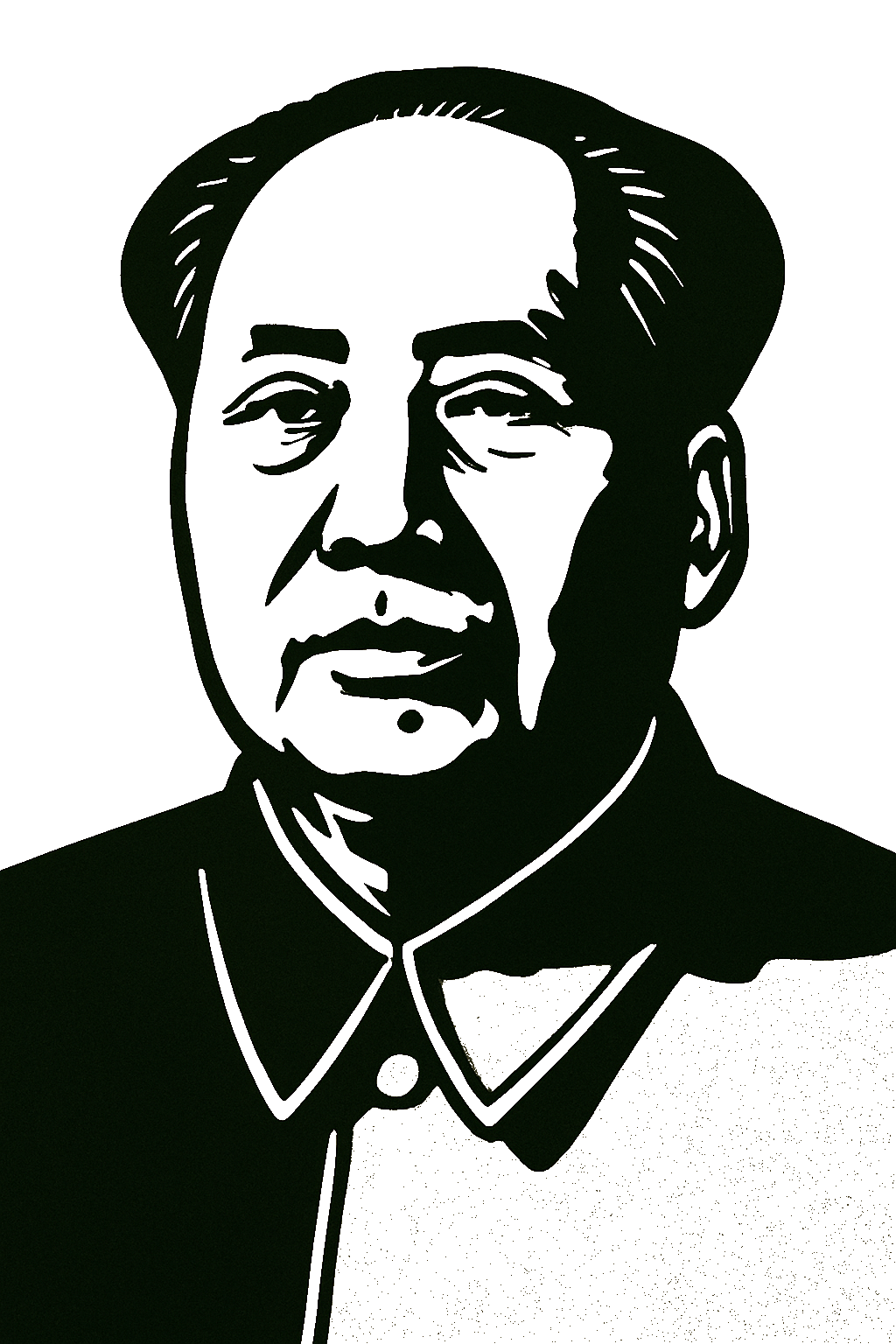
Mao Zedong
Locations
Mainland China

China
Japan
South Korea
Guangxi Zhuang Autonomous Region
Taiwan
Hong Kong
New Territories
Mongolia
Kowloon

Articles

Closing the Strait of Hormuz: The Card Iran Holds — and What Holding It Cost
And there is no prediction on who’s winning this “Card Game,” is it?

The Cost of War: Hunting Mice with an Elephant
“An elephant which kills a rat is not a hero.” — How Iran’s asymmetric cost trap turned America’s strategic power into a financial liability.

The Hong Kong fire will change China’s Real Estate sector
China’s real estate sector is shaped by deeper pressures than market cycles alone.
Demographics, oversight consistency, due-diligence gaps and investment confidence now intersect in ways that define the sector’s next phase.

China’s Fourth Plenum — Xi Tightens Control as Party Sets Course for the Next Five Years
Planning the future – the news between the lines.
Event Timeline

Taiping Heavenly Kingdom (Taiping Rebellion)
The Taiping Heavenly Kingdom was a large-scale civil war and rival state that challenged Qing rule, resulting in one of the deadliest conflicts in human history and severely weakening imperial authority.
Proclamation of the People’s Republic of China
On 1 October 1949, Mao Zedong proclaimed the People’s Republic of China in Beijing, marking the establishment of Communist rule on the mainland after civil war victory.
First Five-Year Plan and Socialist Transformation
Between 1953 and 1957, China implemented its First Five-Year Plan, restructuring land, industry, and finance along socialist lines and establishing centralized economic planning.
Great Leap Forward
The Great Leap Forward was a nationwide campaign aimed at rapidly industrializing China through mass mobilization and rural collectivization, resulting in severe economic disruption and widespread famine.
Xinhai Revolution
The Xinhai Revolution overthrew the Qing Dynasty and ended over two millennia of imperial rule, leading to the establishment of the Republic of China.
Technocratic Governance and Managed Growth
Between 2002 and 2012, China was governed through a technocratic model emphasizing stability, managed economic growth, and incremental reform under collective leadership.
Convention of Peking
The Convention of Peking ended the Second Opium War and ceded the Kowloon Peninsula south of Boundary Street to Britain.

Second Opium War
The Second Opium War expanded Western military pressure on Qing China, resulting in deeper treaty concessions, legalized opium trade, and intensified foreign presence in imperial affairs.

First Opium War
In June 1839, Chinese official Lin Zexu ordered the destruction of British opium stockpiles in Canton, sparking the First Opium War.
The Long March
The Long March was a strategic retreat by Chinese Communist forces that ensured the survival of the CCP and elevated Mao Zedong as its dominant leader.


