
Armenia
Intro
Armenia’s mountainous terrain, ancient identity, and diaspora networks shape its unique diplomacy. Energy and logistics dependence on neighbors frames policy. The government promotes tech and transparency reform.
Background
Since independence in 1991, Armenia has faced intermittent conflict and economic isolation. The 2020 Nagorno-Karabakh war reshaped security relations and prompted deeper Western outreach.
History
- 301 CE: Christianity adopted as state religion – 1918: First Republic – 1991: Independence from the USSR – 2020-2023: Renewed Karabakh conflicts; status shifts
Present Day
Future Outlook
Growth depends on peace corridors, energy reliability, and financial integration with the EU and Middle East markets.
Map
Topics
No results found.
Persons

Locations
Kirovohrad Oblast
Kostiantynivka
Kurakhove
Kyiv Oblast
Myrnohrad
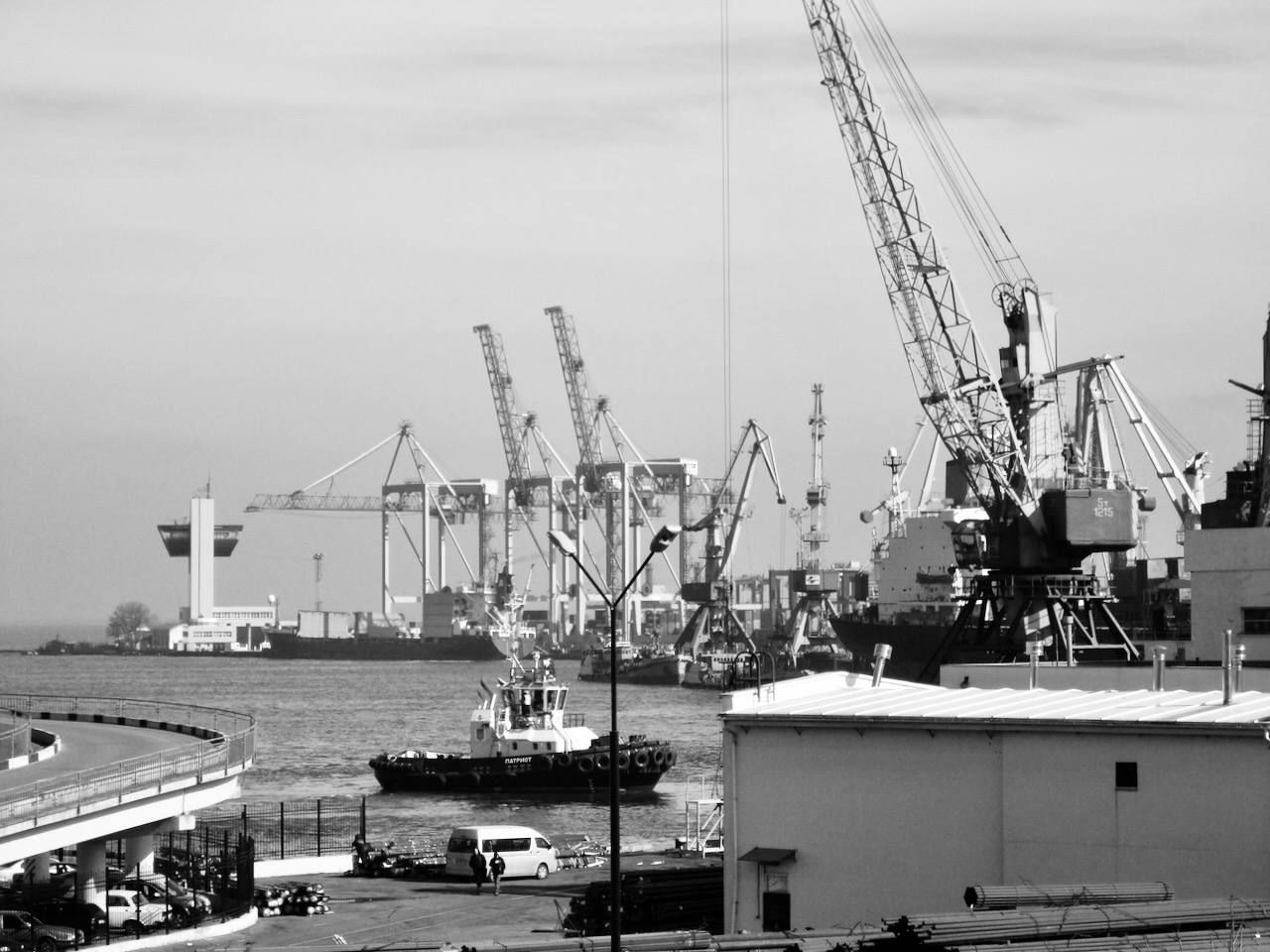
Odesa
Pokrovsk
Poltava Oblast
Rivne Oblast
Robotyne
Points of Interest
No results found.
Articles


After the War: The Eurasian Covenant
“After the War: The Eurasian Covenant” is not a deal, nor a surrender — but a framework. A vision for lasting peace between Europe, Ukraine, and Russia rooted in dignity, realism, and historical awareness. As old alliances shift and global power balances evolve, this proposal outlines a European-led path forward: balancing security, rebuilding trust, and preparing for a post-hegemonic world. A beginning — before it’s too late.

EU launches Call for EU business to invest in Ukraine’s recovery and reconstruction
The EU launched a Call for Expression of Interest to mobilize private EU investment in critical areas to support Ukraine’s rebuilding efforts. This includes up to €50 billion in grants and loans for the period 2024-2027. Find out how to apply.

The EU Need To Step Up As Geopolitical Power
1,000 sad days of war in Ukraine. China influence is moving forward. The US turns inward. Time to take action in Europe.
Event Timeline

Collapse of the Soviet Union – The End of an Empire
A red flag lowered, a new world born. The collapse of the Soviet Union ended the Cold War and reshaped the global order.
Budapest Memorandum – Ukraine’s Nuclear Gamble
In 1994, Ukraine surrendered the world’s third-largest nuclear arsenal in exchange for security assurances. The Budapest Memorandum was a milestone in post-Soviet diplomacy – and later, a haunting example of broken promises.


Battle for Pokrovsk
Pokrovsk has become the central pressure point on the eastern front. Russian forces apply sustained pressure on the city’s flanks under foggy, drone-limiting conditions, while Ukraine holds a shrinking but functional logistics hub essential to the defence of Donetsk.

The Orange Revolution – Ukraine’s Peaceful Uprising
In late 2004, tens of thousands of Ukrainians filled the streets of Kyiv to protest a rigged presidential election. The Orange Revolution marked a turning point in Ukraine’s democratic identity and exposed the geopolitical tug-of-war between Russia and the West.

Warsaw Pact Formation – The Eastern Bloc Unites
In May 1955, the Soviet Union and seven Eastern European states signed a mutual defense treaty in Warsaw, creating the Warsaw Pact. It solidified the division of Europe and institutionalized the Soviet bloc in direct opposition to NATO.

Pereyaslav Agreement with Tsarist Russia
The Pereyaslav Agreement between the Cossack Hetmanate and Tsarist Russia marked the beginning of Ukraine’s alignment with Russia, which would evolve into centuries of political, military, and cultural influence.

Union of Lublin – Polish Lithuanian Commonwealth
Before Moscow, there was Lublin. The Polish–Lithuanian Commonwealth laid the groundwork for Western Ukrainian identity — and for centuries of contested rule.

Eurasian Peace Talks
A Summer-offensive is at hand – though strategic talks are still possible.

Crimea Annexation by Russia
In the shadow of Ukraine’s Maidan uprising, Russian forces seized control of Crimea. What followed was a swift, illegal annexation — a violation of international norms that shattered post–Cold War assumptions and launched a new era of geopolitical confrontation.


The Sumy Attack: Beyond Violence, Towards Understanding the Message
On Palm Sunday, Russia attacked the Ukrainian city of Sumy in an act that went beyond war — a message of hatred that struck civilians and sacred meaning alike.