
Ecuador
Intro
Located on the equatorial line, Ecuador links the Andes and the Amazon to Pacific maritime routes. Quito anchors governance at high altitude, while Guayaquil functions as the primary commercial and port system.
Background
Ecuador’s modern trajectory is shaped by commodity cycles, institutional volatility, and the structural choice of dollarization. The country’s geography creates multiple operational theaters-coast, highlands, Amazon, and islands-each with distinct economic and security dynamics.
History
Andean and Amazonian indigenous societies
Spanish administration centered on Quito
Independence and early republican formation
Oil-driven state finance cycles; political instability
Dollarization following financial crisis
Fiscal stress, migration dynamics, and escalating security challenges
Present Day
Ecuador operates a dollarized economy with ongoing dependence on oil and external financing conditions. Security conditions have become a primary strategic constraint, affecting ports, corridors, and governance capacity.
Future Outlook
Ecuador’s resilience depends on restoring internal security, diversifying beyond oil dependence, and protecting critical ecological and maritime assets (Amazon and Galápagos) under growing global and domestic pressure.
Map
Topics
No results found.
Persons
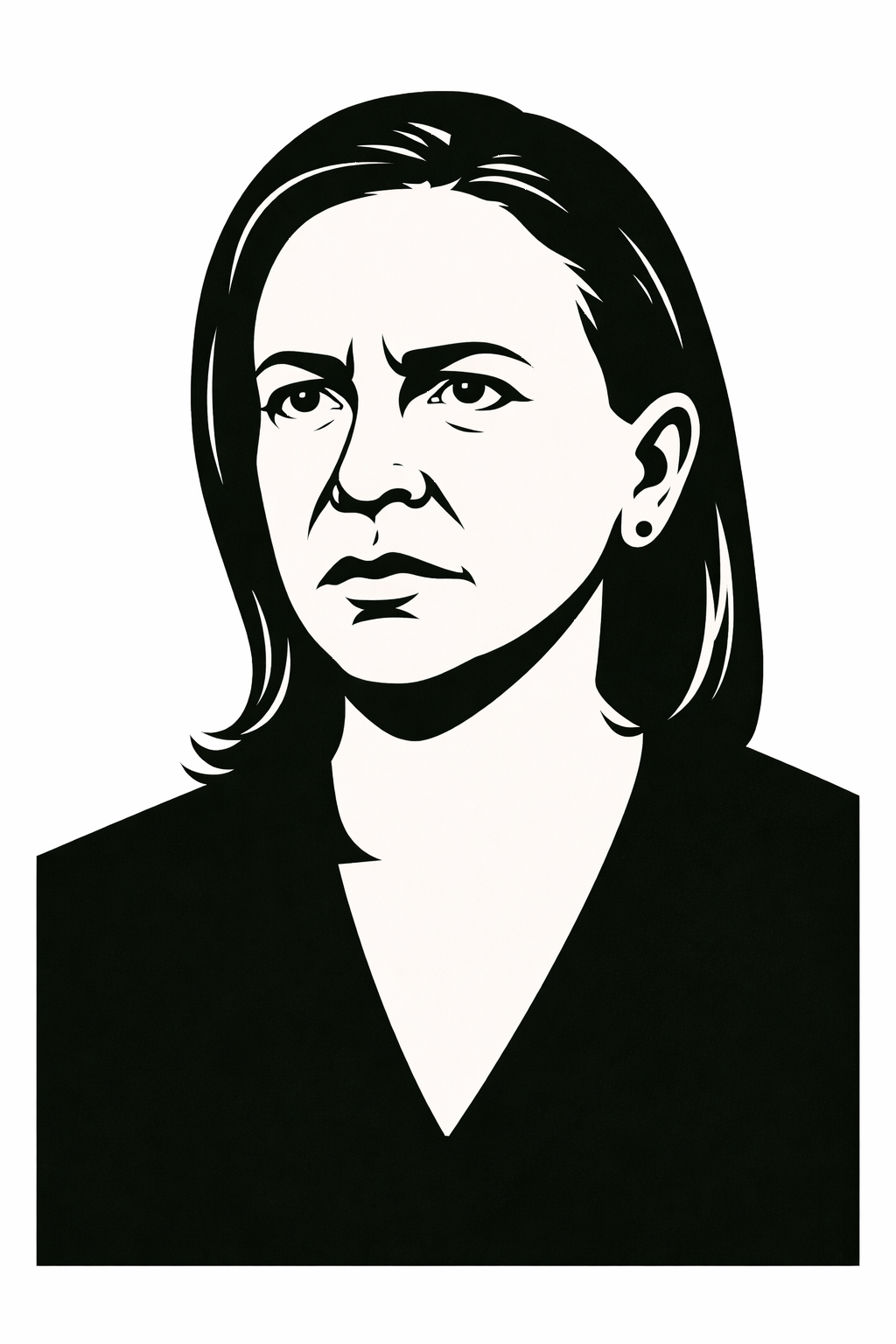
María Corina Machado
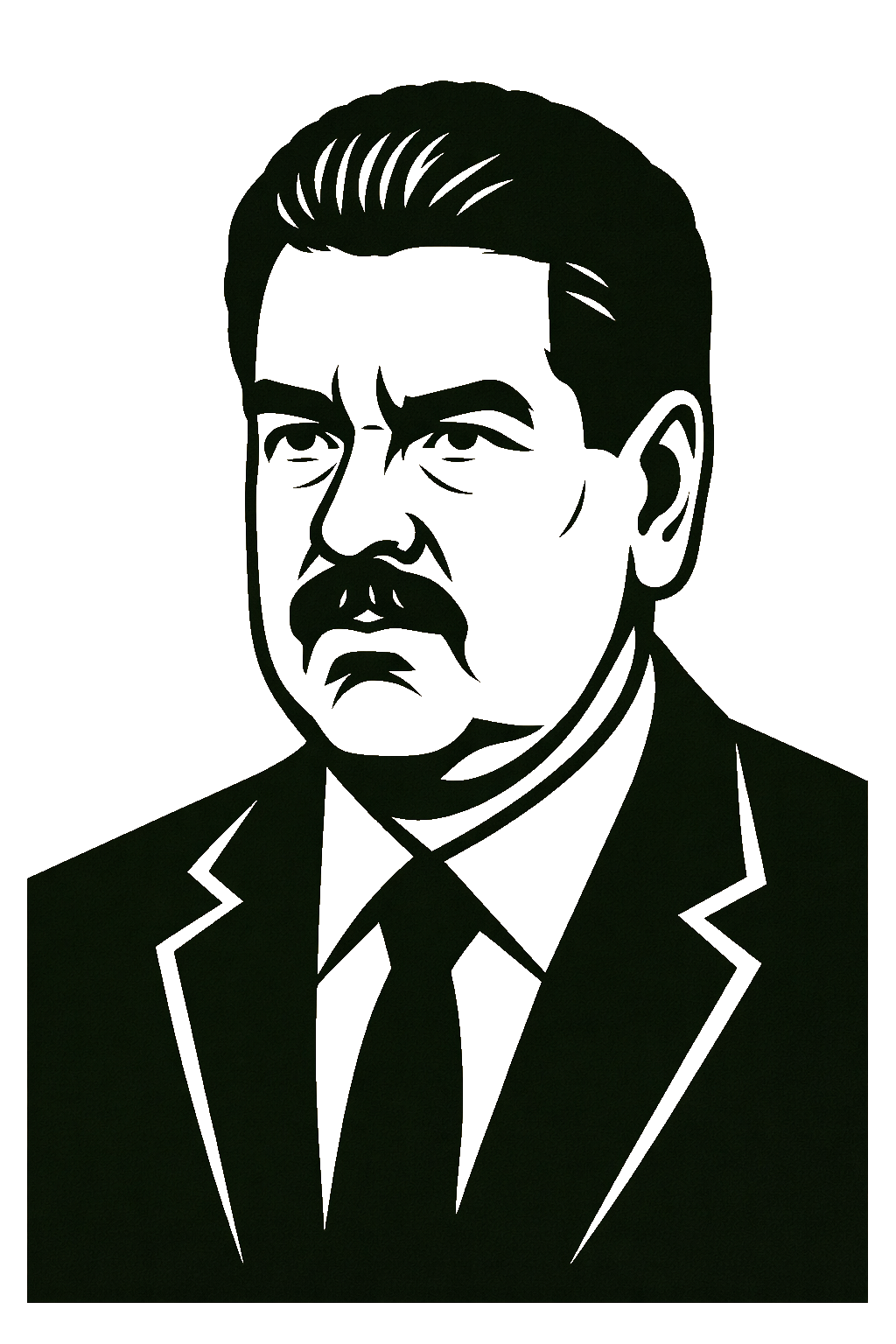
Nicolás Maduro

Hugo Chávez
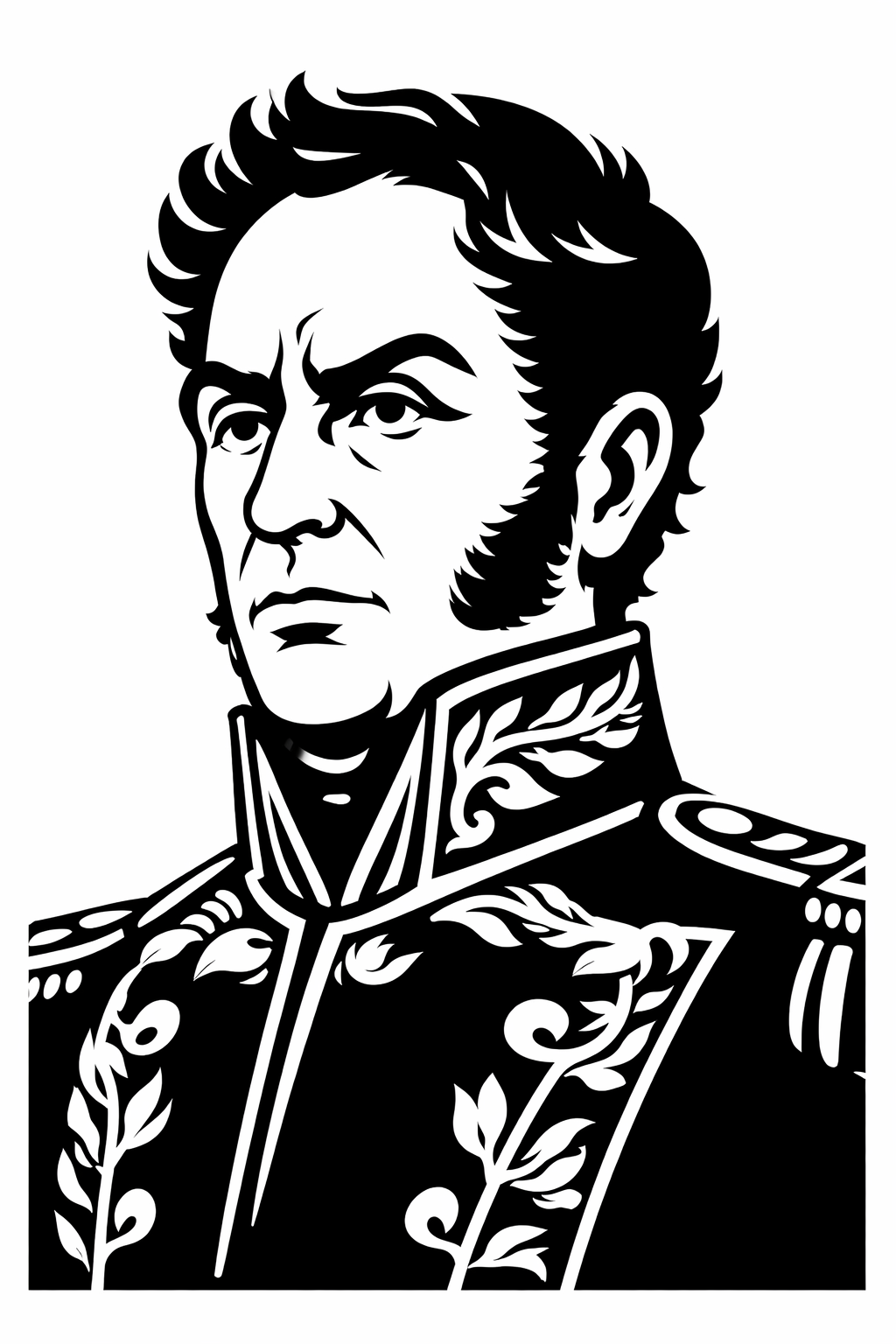
Simón Bolívar
Articles
No results found.
Event Timeline

U.S. arrests Nicolás Maduro
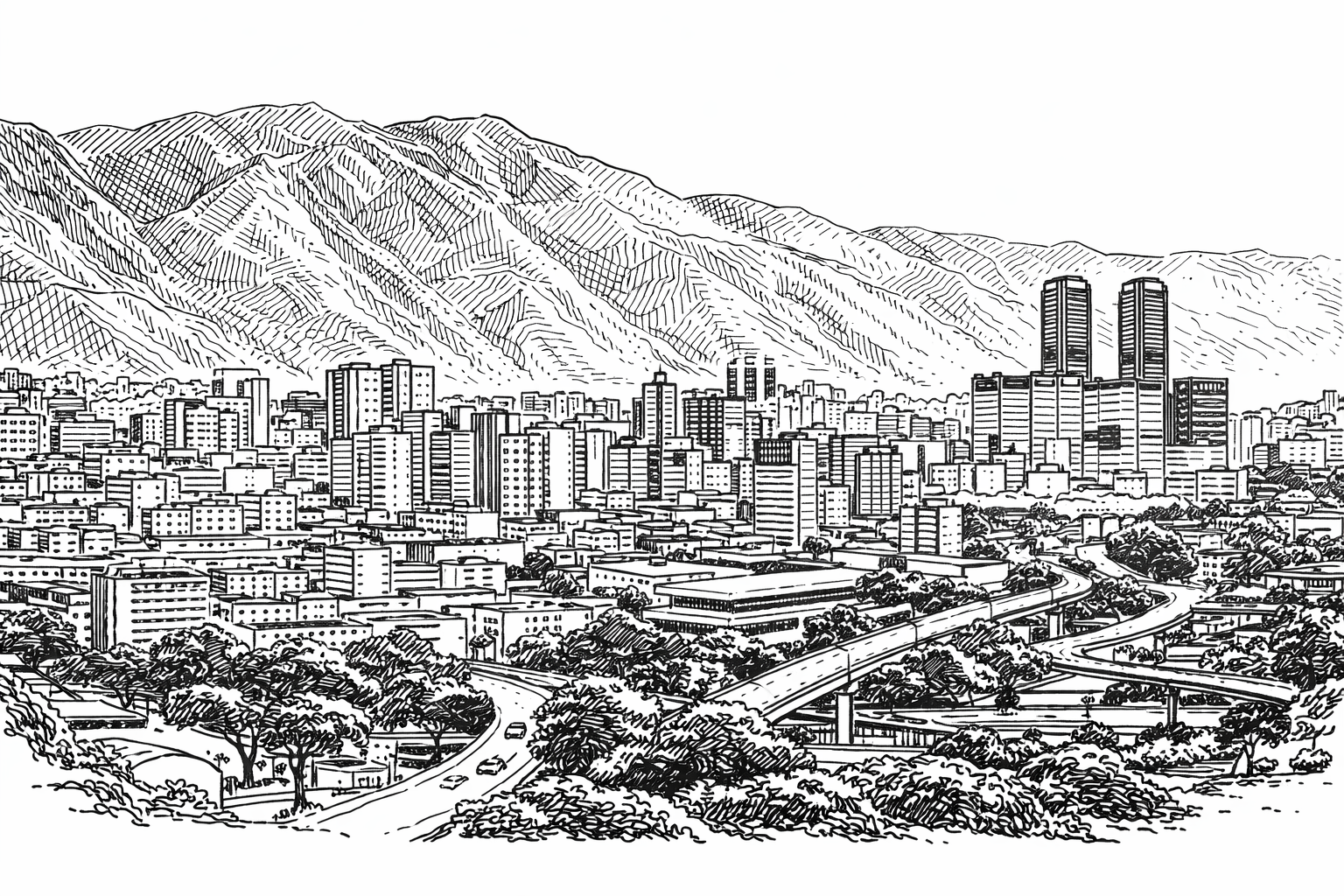
U.S. forces arrest Nicolás Maduro in Caracas, removing him from power through external intervention.


