
June 1941
In June 1941, Nazi Germany launched Operation Barbarossa, the largest military invasion in history. Its aim was the conquest of the Soviet Union. Its result was the beginning of a long, brutal war of annihilation on the Eastern Front.
Background
Signed in 1939, the Molotov-Ribbentrop Pact was a fragile truce between Hitler and Stalin. But behind the pact, Hitler always planned an eastward war of conquest. On June 22, 1941, over three million German troops crossed into Soviet territory without warning.
The invasion shattered the non-aggression agreement. Soviet cities like Kyiv, Minsk, and Smolensk were overrun in the first weeks. Civilians and soldiers alike suffered under the Nazi scorched-earth policy and systematic massacres. The front extended over 2,900 kilometers – a scale previously unimaginable.
Stalin, caught off guard, struggled to respond in the opening phase. But Soviet resistance soon stiffened, especially under generals like Georgy Zhukov. The brutal defense of cities like Leningrad and Moscow began to slow the advance.
Key Moment
June 22 – Germany begins its surprise invasion, breaking the Molotov-Ribbentrop Pact and igniting total war in the East.
Legacy
- Marked the start of the Eastern Front – the most lethal theater of WWII
- Initiated the genocide of Jews in Soviet territories
- Cemented mutual hatred between Germany and the USSR
- Set the stage for Stalingrad, the Soviet counteroffensive, and postwar Soviet dominance in Eastern Europe
Narratives
/
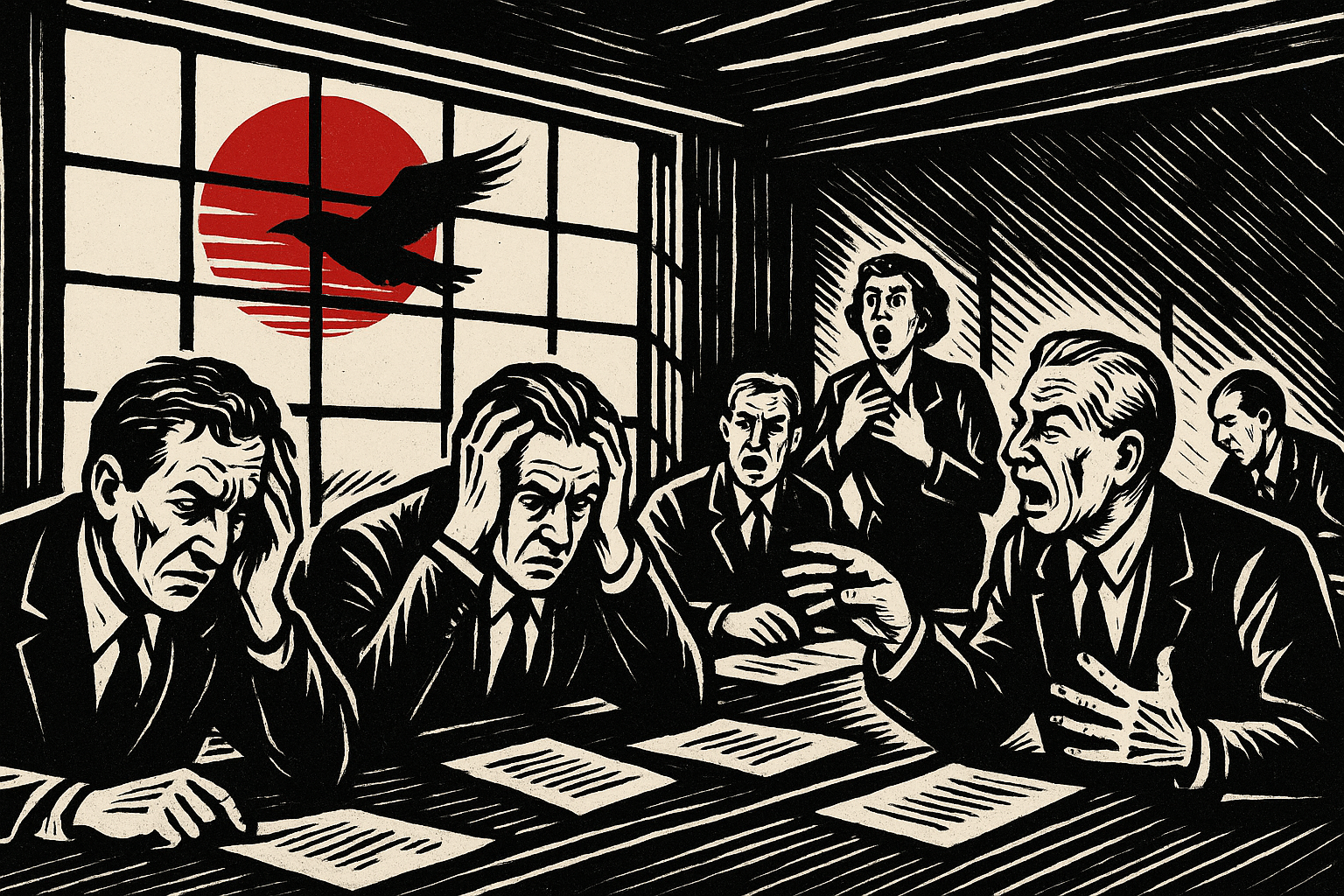
Don’t Bet on the Bully: Why Europe Must Stop Investing in the U.S.
May 2, 2025
As European firms like Daimler, Volkswagen, and Siemens expand their investments in the U.S., they risk tying their futures to a volatile partner. Short-term economic incentives and a temporarily favorable exchange rate obscure deeper structural risks: political instability, panic-driven corporate culture, and growing protectionism. Europe is not dependent on the U.S. — not for gas, not for markets, and certainly not for leadership. Strategic autonomy begins with saying no.
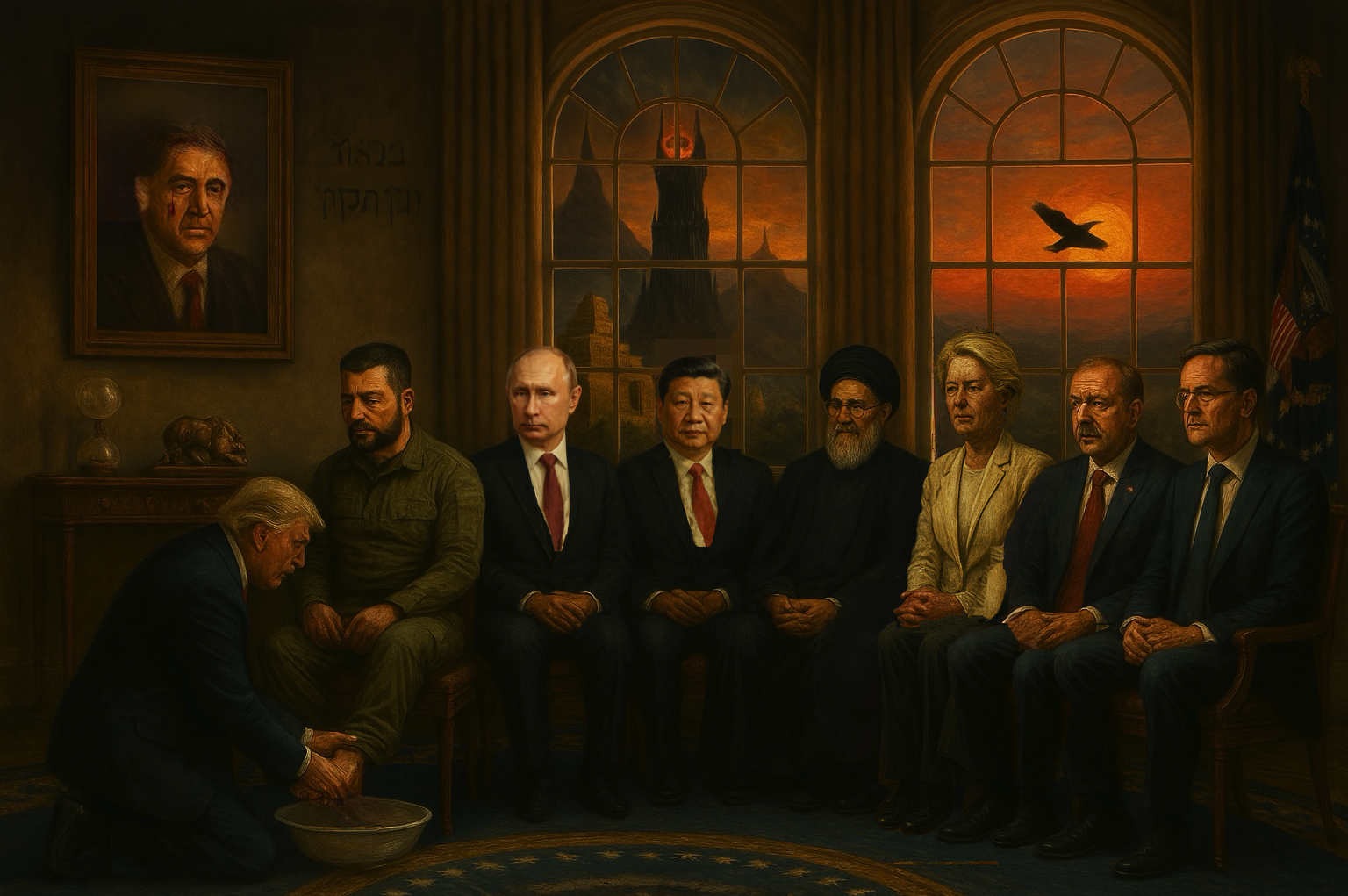
How Donald Trump Could Win the Nobel Prize for Peace
April 24, 2025
Donald Trump, the dealmaker, the disrupter — could he still become a man of peace? What would it take? Humility!
Hoe Donald Trump de Nobelprijs voor de Vrede Kan Krijgen
April 24, 2025
Donald Trump, de dealmaker, de verstoorder – kan hij nog steeds een man van vrede worden? Wat is daarvoor nodig? Nederigheid!
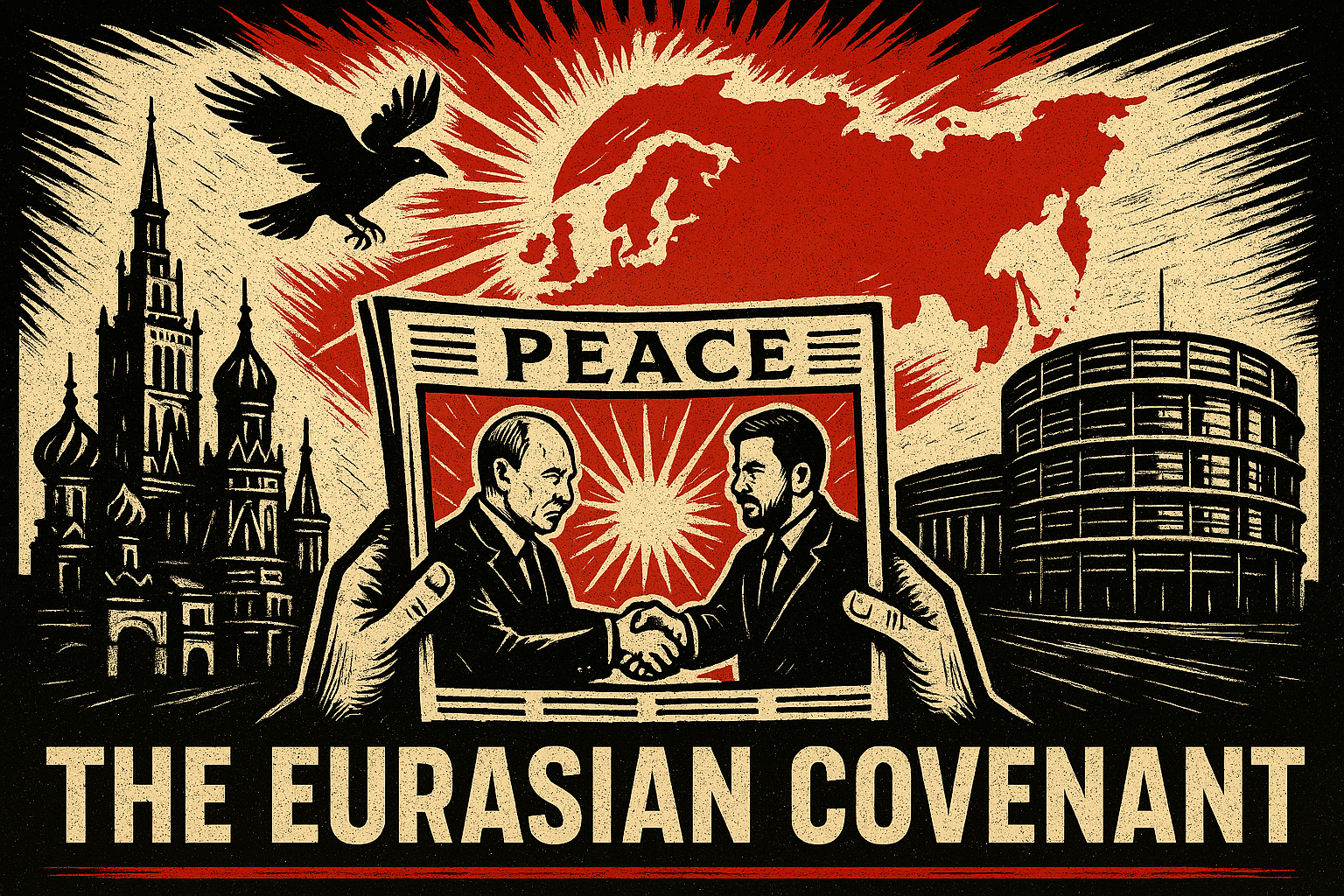
After the War: The Eurasian Covenant
April 12, 2025
“After the War: The Eurasian Covenant” is not a deal, nor a surrender — but a framework. A vision for lasting peace between Europe, Ukraine, and Russia rooted in dignity, realism, and historical awareness. As old alliances shift and global power balances evolve, this proposal outlines a European-led path forward: balancing security, rebuilding trust, and preparing for a post-hegemonic world. A beginning — before it’s too late.

Control is good, trust is better!
March 6, 2025
It is almost 2025. There is social unrest. A migration crisis? Foreign influences? A retreat to the national is taking . Border controls are being deployed again. People want to be “in control” again. Will this bring back confidence?
Controleren is goed, vertrouwen is beter!
March 6, 2025
Het is bijna 2025. Er is maatschappelijke onrust. Een migratiecrisis? Buitenlandse invloeden? Een terugtrekkende beweging naar het nationale vindt plaats. Grenscontroles worden weer ingezet. Men wil weer “in control” zijn. Gaat dit het vertrouwen terugbrengen?

EU launches Call for EU business to invest in Ukraine’s recovery and reconstruction
December 6, 2024
The EU launched a Call for Expression of Interest to mobilize private EU investment in critical areas to support Ukraine’s rebuilding efforts. This includes up to €50 billion in grants and loans for the period 2024-2027. Find out how to apply.
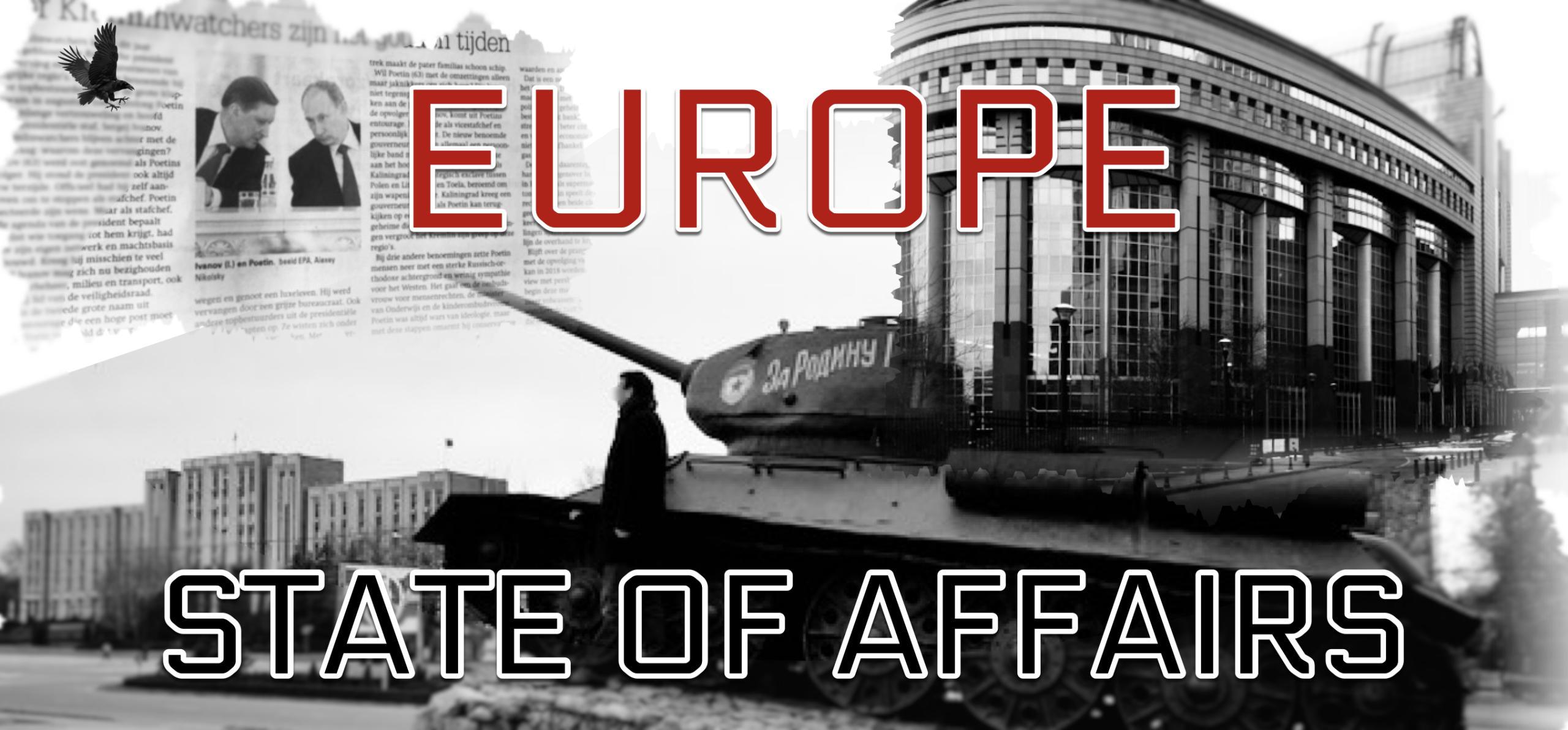
The EU Need To Step Up As Geopolitical Power
November 22, 2024
1,000 sad days of war in Ukraine. China influence is moving forward. The US turns inward. Time to take action in Europe.
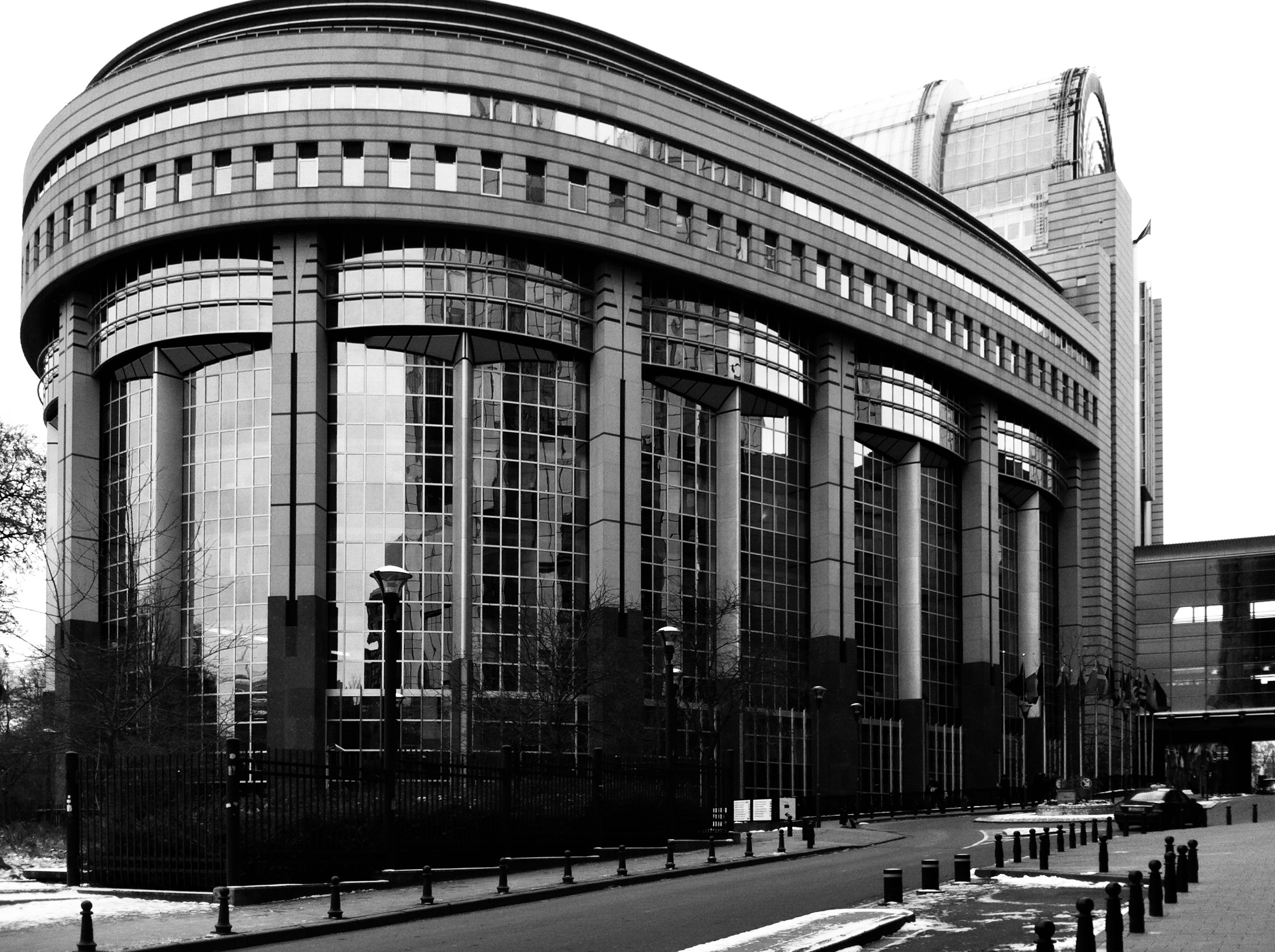
Why You should vote on the european Parliament elections this week
June 5, 2024
Members of the European Parliament represent citizens of EU countries to address important topics in your daily life. Read more to find out how.
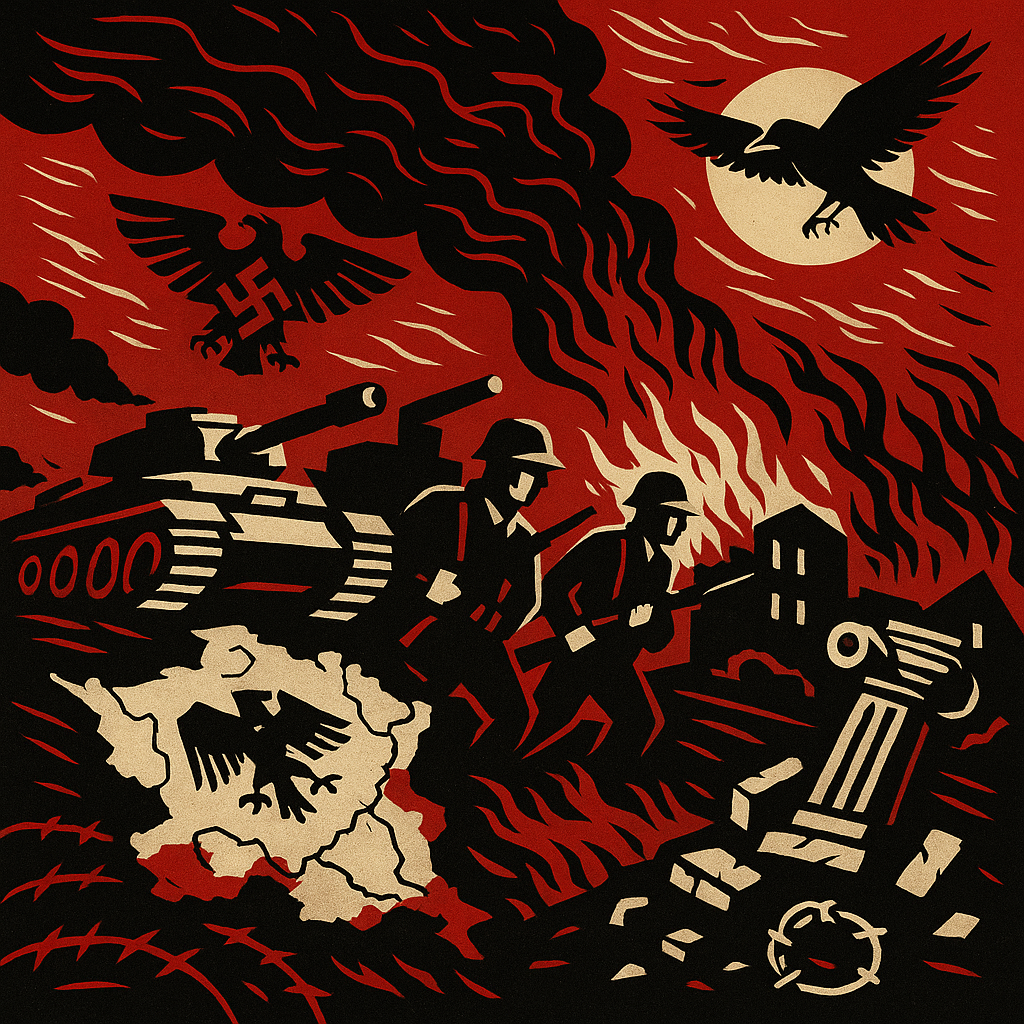
The Sumy Attack: Beyond Violence, Towards Understanding the Message
April 14, 2025
On Palm Sunday, Russia attacked the Ukrainian city of Sumy in an act that went beyond war — a message of hatred that struck civilians and sacred meaning alike.