
June 1941
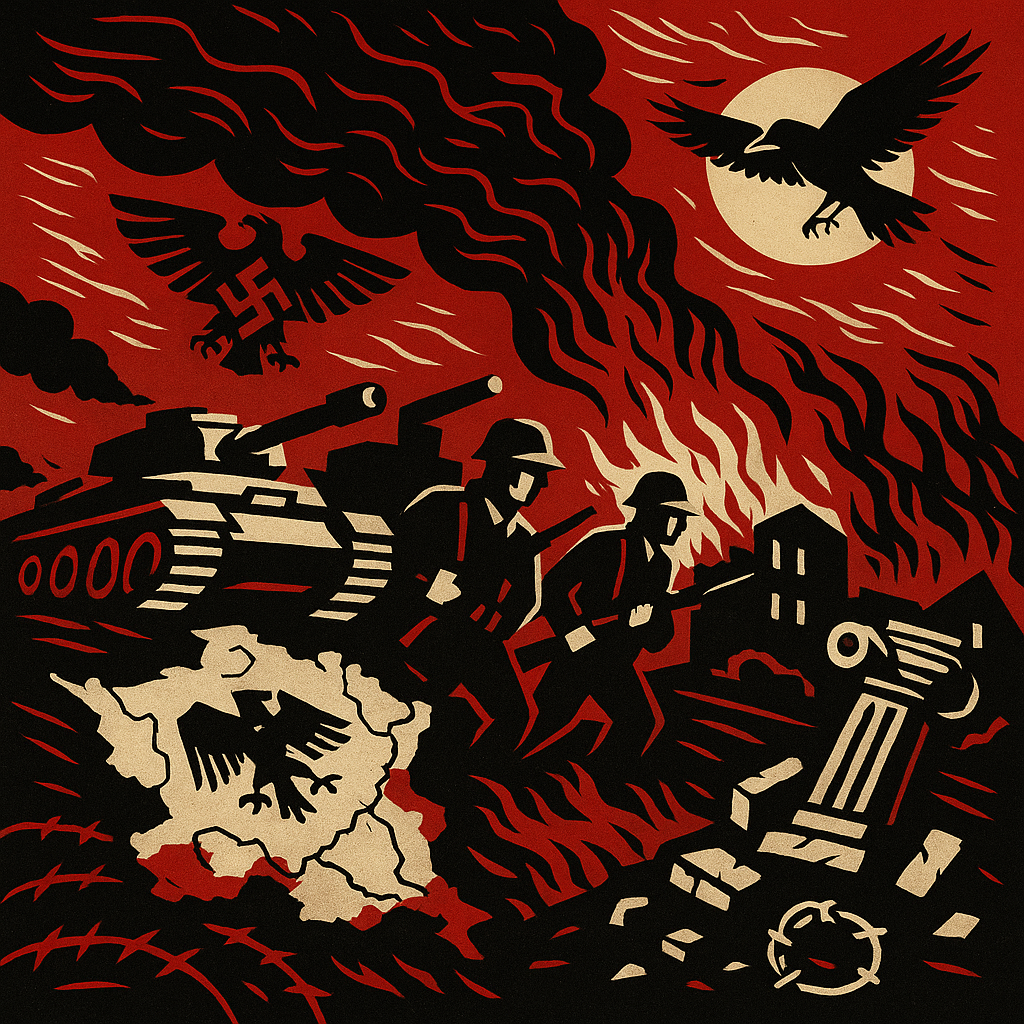
In June 1941, Nazi Germany launched Operation Barbarossa, the largest military invasion in history. Its aim was the conquest of the Soviet Union. Its result was the beginning of a long, brutal war of annihilation on the Eastern Front.
Background
Signed in 1939, the Molotov-Ribbentrop Pact was a fragile truce between Hitler and Stalin. But behind the pact, Hitler always planned an eastward war of conquest. On June 22, 1941, over three million German troops crossed into Soviet territory without warning.
The invasion shattered the non-aggression agreement. Soviet cities like Kyiv, Minsk, and Smolensk were overrun in the first weeks. Civilians and soldiers alike suffered under the Nazi scorched-earth policy and systematic massacres. The front extended over 2,900 kilometers – a scale previously unimaginable.
Stalin, caught off guard, struggled to respond in the opening phase. But Soviet resistance soon stiffened, especially under generals like Georgy Zhukov. The brutal defense of cities like Leningrad and Moscow began to slow the advance.
Key Moment
June 22 – Germany begins its surprise invasion, breaking the Molotov-Ribbentrop Pact and igniting total war in the East.
Legacy
- Marked the start of the Eastern Front – the most lethal theater of WWII
- Initiated the genocide of Jews in Soviet territories
- Cemented mutual hatred between Germany and the USSR
- Set the stage for Stalingrad, the Soviet counteroffensive, and postwar Soviet dominance in Eastern Europe
Narratives
/

24 Hours in Vilnius
June 25, 2025
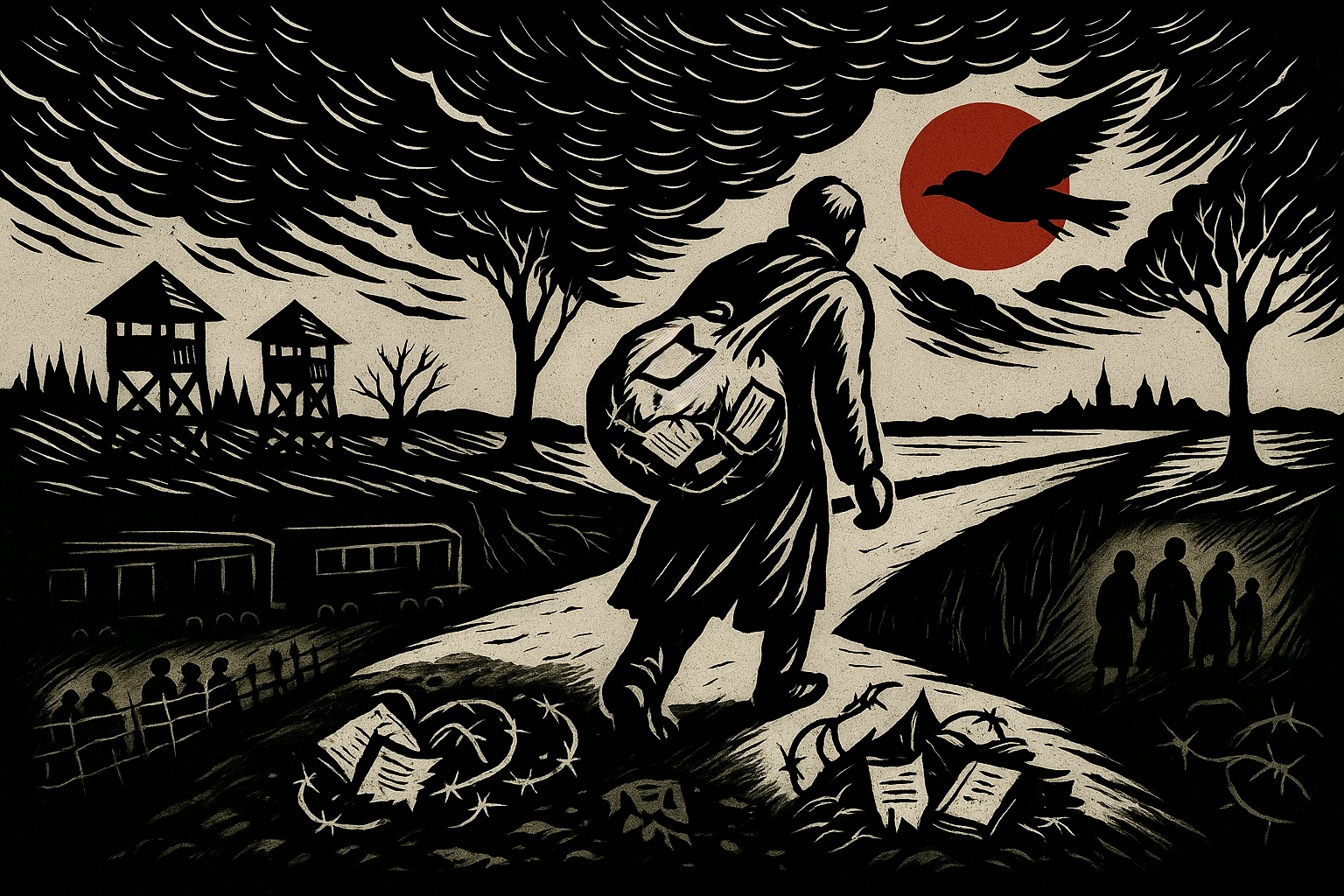
Baroque echoes, Jewish memory, Soviet scars — and a city that stands without spectacle.
Empire Logic: How Russia Uses Borders, Identity, and Delay
June 18, 2025
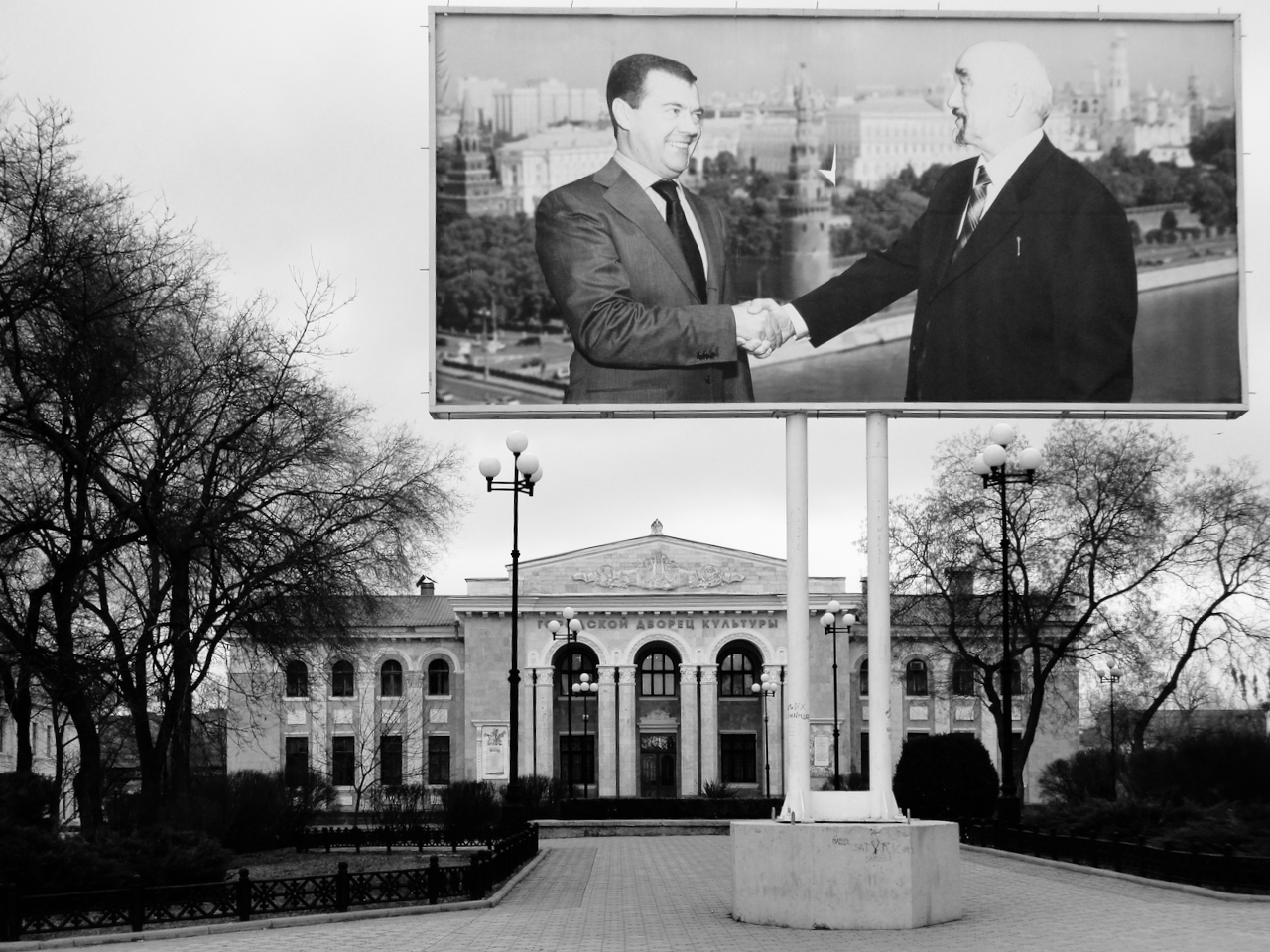
Russia does not need to occupy a country to control it. It only needs to prevent resolution. From Transnistria to Crimea, from narrative warfare to financial systems, Empire Logic shows how modern power is held — not through conquest, but through structural denial.
Логіка імперії: Як Росія використовує кордони, ідентичність та затримку
June 18, 2025
Росії не потрібно окупувати країну, щоб контролювати її. Їй потрібно лише не допустити вирішення конфлікту. Від Придністров’я до Криму, від наративної війни до фінансових систем, “Логіка імперії” показує, як утримується сучасна влада – не через завоювання, а через структурне заперечення.
Imperialistische doctrines: Hoe Rusland grenzen, identiteit en vertraging gebruikt
June 18, 2025
Rusland hoeft een land niet te bezetten om het te controleren. Het hoeft alleen een oplossing te voorkomen. Van Transnistrië tot de Krim, van verhalende oorlogsvoering tot financiële systemen, Empire Logic laat zien hoe moderne macht in handen wordt gehouden – niet door verovering, maar door structurele ontkenning.
Return to Babel: Language, Identity, and Belonging
June 14, 2025
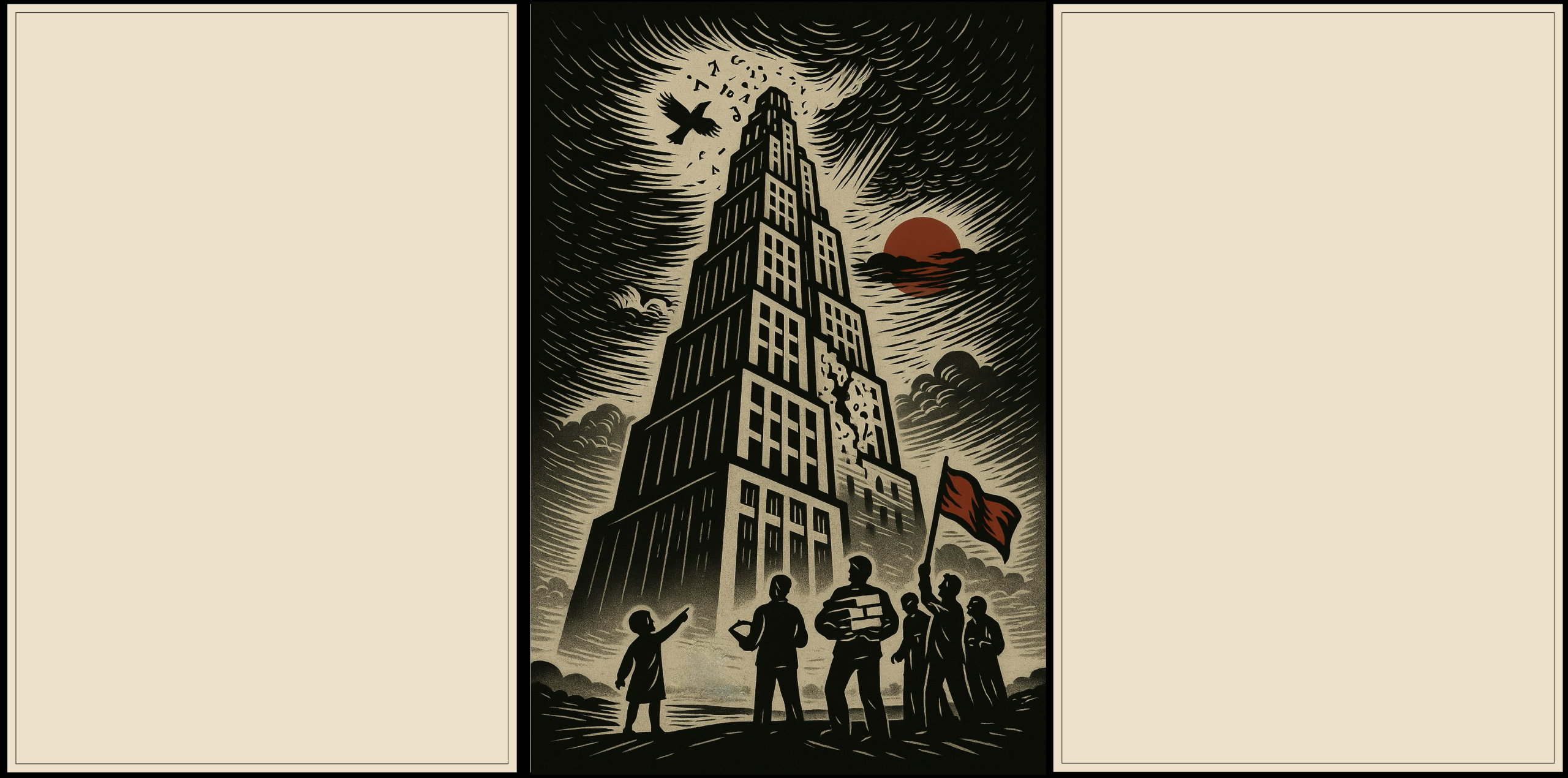
How identity is filtered — not by law, but by design – and what it means to belong
Terug naar Babel: taal, identiteit en erbij horen
June 14, 2025
In heel Europa zijn taalrechten bij wet gegarandeerd. Maar hoe zit het in het leven? Van onderwijs tot burgerschap kan de taal die je spreekt nog steeds bepalen of je erbij hoort. Dit artikel onderzoekt hoe pluralisme wordt beloofd – en hoe het stilletjes wordt gefilterd, gerangschikt of ontkend.
Повернення до Вавилону: Мова, ідентичність та приналежність
June 14, 2025
По всій Європі мовні права гарантовані на законодавчому рівні. Але як щодо життя? Від освіти до громадянства – мова, якою ви розмовляєте, все ще може визначати вашу приналежність. Ця стаття досліджує, як обіцяють плюралізм – і як його непомітно фільтрують, ранжирують або відкидають.
Russia’s War Machine: How It Fights Without Winning (Q2 2025)
May 9, 2025
As negotiations flicker in the background of a grinding war, Russia’s ability to sustain its military effort in Ukraine depends on a fragile web of foreign supply, internal mobilization, and retrofitted Soviet stockpiles. This report examines the current state of Russia’s armed forces in Q2 2025, revealing a system stretched but still operational — and why that matters.
Die EU muss als geopolitische Macht aufsteigen
June 23, 2025
1.000 traurige Tage des Krieges in der Ukraine. Chinas Einfluss rückt immer weiter vor. Die USA wenden sich nach innen. Es ist Zeit, in Europa zu handeln.