
Bushehr
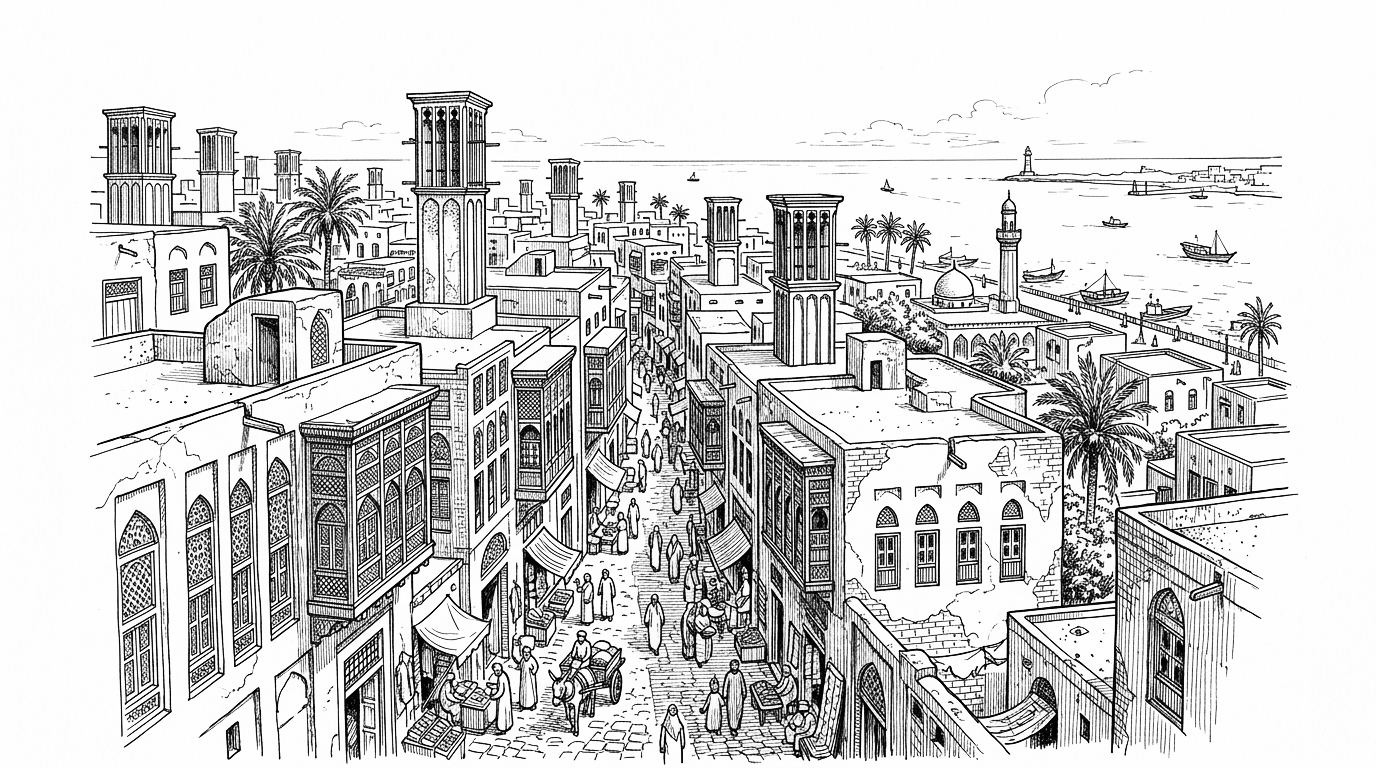
Intro
Located on the Persian Gulf coast, Bushehr combines maritime access with energy and security relevance. Its port facilities and proximity to offshore gas fields integrate it into Iran’s southern energy architecture.
Background
Bushehr’s modern strategic value rose with energy infrastructure development in the Gulf. Soviet and later Russian involvement in the Bushehr Nuclear Power Plant elevated the city’s international profile and security sensitivity.
History
Bushehr’s history as a Gulf port traces back through the Safavid and Qajar periods, when it served as a key maritime trading node linking inland Persia to Indian Ocean commerce. In the nineteenth century it acquired political significance as the main site of British naval and diplomatic activity in the Persian Gulf.
The twentieth century brought modernisation and a growing nuclear dimension. In the 1970s the Shah’s government contracted West Germany to construct a nuclear power plant at the site south of the city, but work halted after the revolution and the reactor buildings were severely damaged during Iraqi air strikes. Russian engineers eventually completed the plant under a 1992 agreement, and Bushehr Nuclear Power Plant came online in 2011, making it Iran’s only operational civilian reactor.
Present Day
Today Bushehr supports nuclear power operations, regional ports, and energy logistics. The city is closely monitored due to nuclear safety, sanctions dynamics, and its role within Iran’s southern defense perimeter.
Future Outlook
Map
Articles
No results found.
Event Timeline
No results found.


