
Albania
Intro
Emerging from decades of isolation, Albania reoriented toward Western alliances in the early 2000s. It now serves as a stable partner for NATO operations and a participant in the Trans-Adriatic energy corridor.
Background
Post-communist transition was marked by economic hardship and mass migration. Political reform and infrastructure modernization improved stability. EU accession remains conditional on judicial independence and corruption control.
History
- 1991: Fall of communist regime and transition to democracy – 2009: Joins NATO – 2014: Granted EU candidate status – 2022: Begins EU accession talks – 2020s: Expands tourism, energy, and infrastructure partnerships
Present Day
In 2025, Albania maintains steady growth and political stability under pro-European leadership. It anchors NATO operations in the Adriatic and pursues energy and tourism modernization.
Future Outlook
Albania’s maritime and energy role will expand through regional integration and foreign investment. EU progress depends on institutional transparency and judicial reform.
Map
Topics
Persons

Pete Hegseth
Jake Sullivan
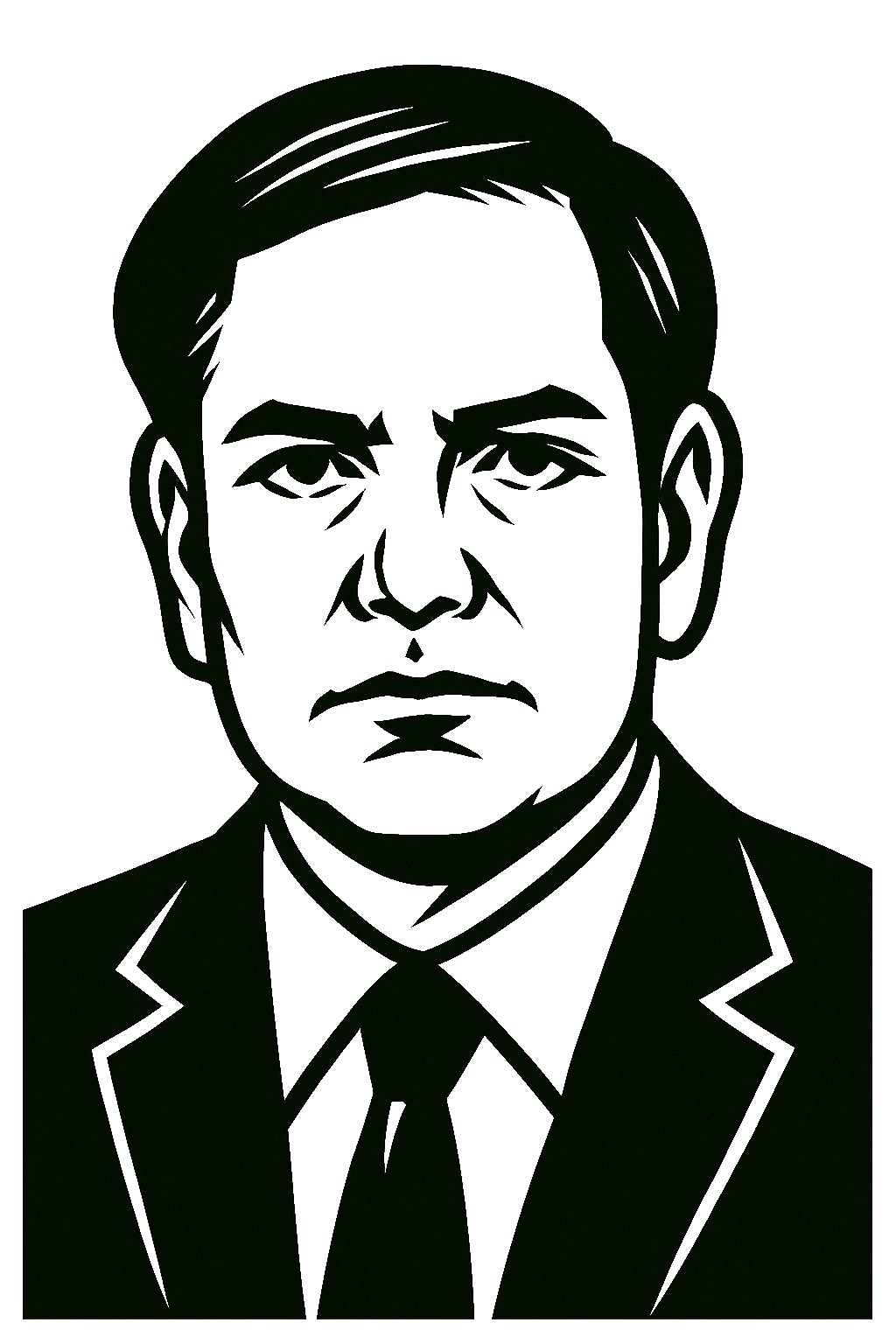
Marco Rubio
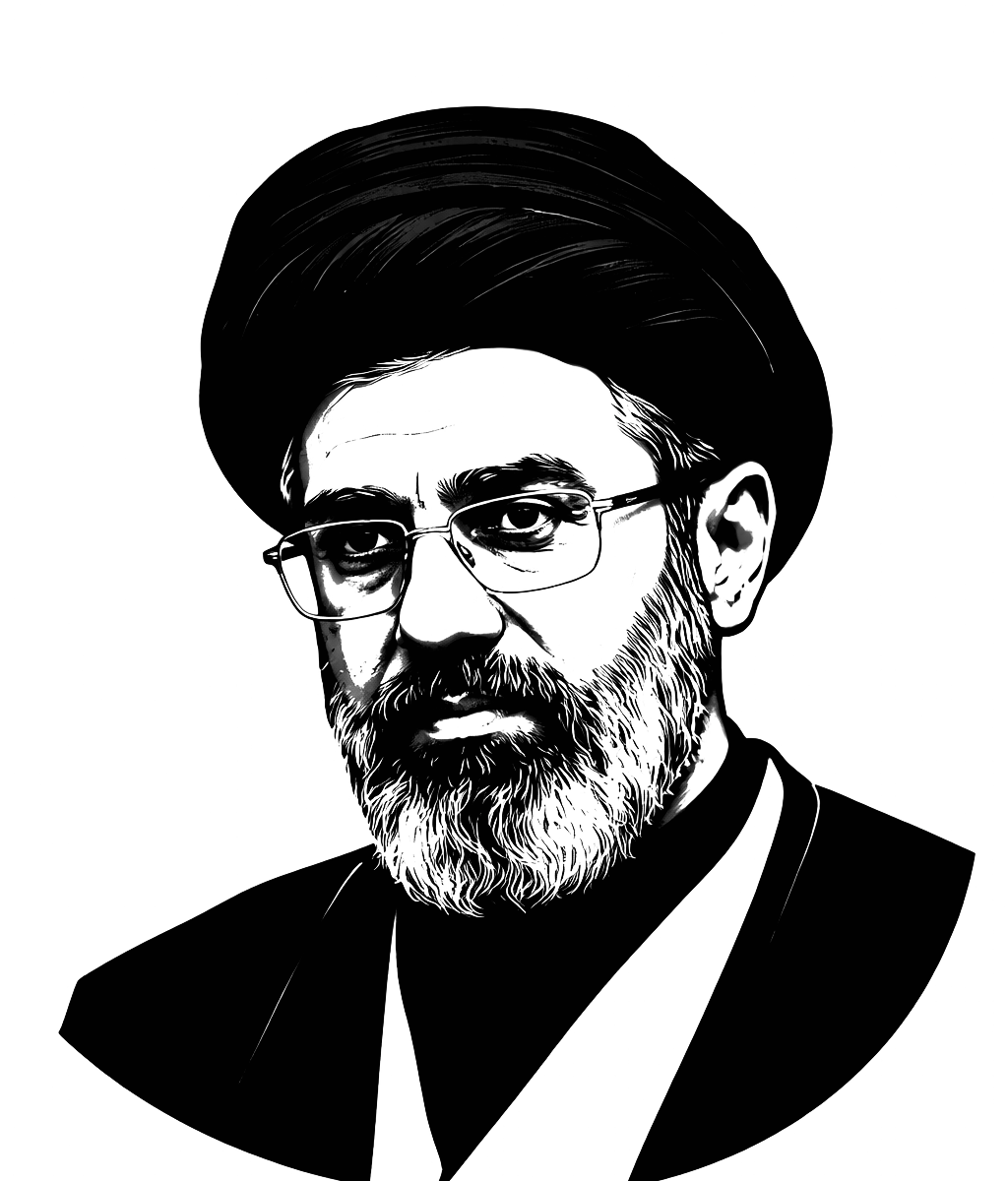
Mojtaba Khamenei
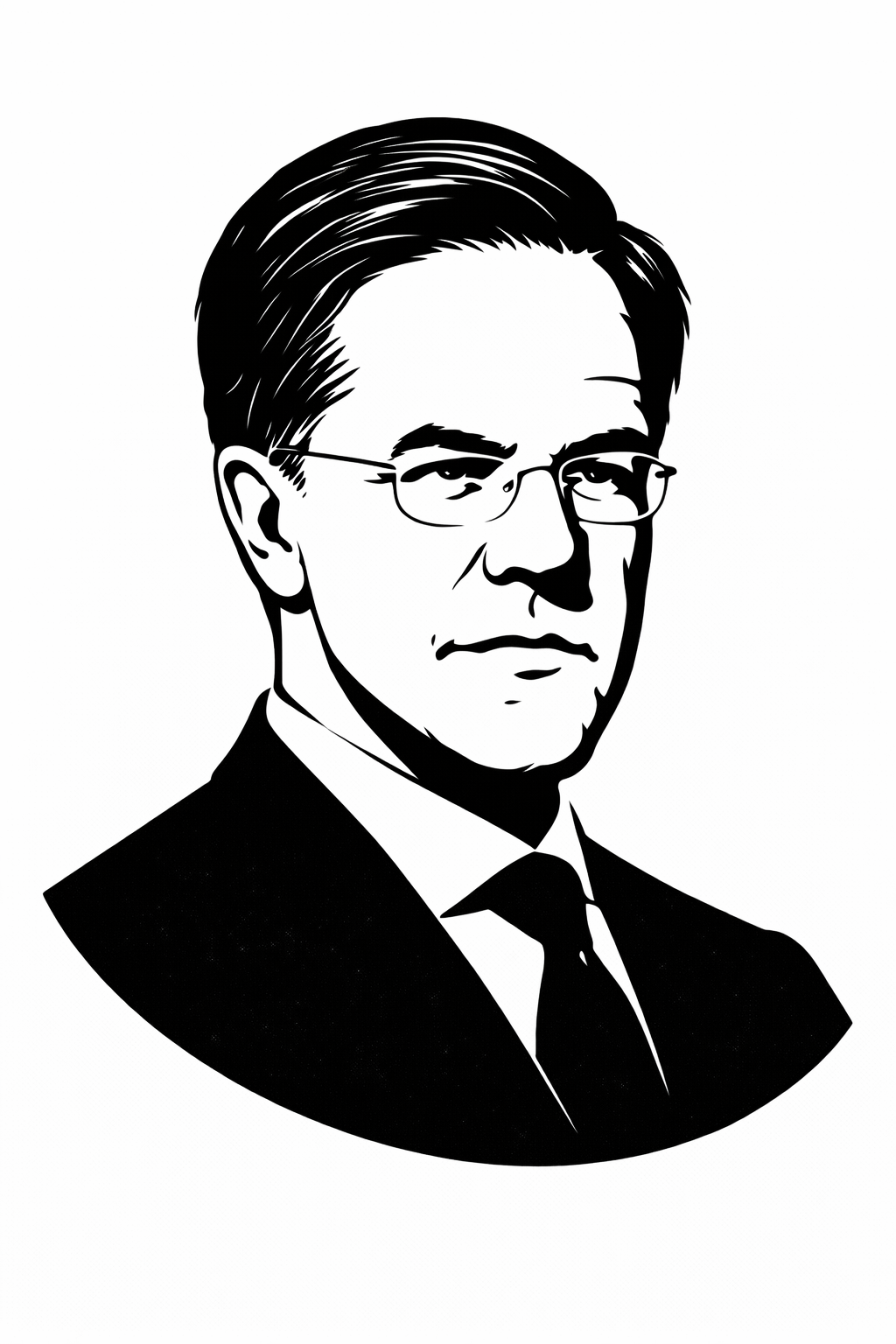
Mark Rutte
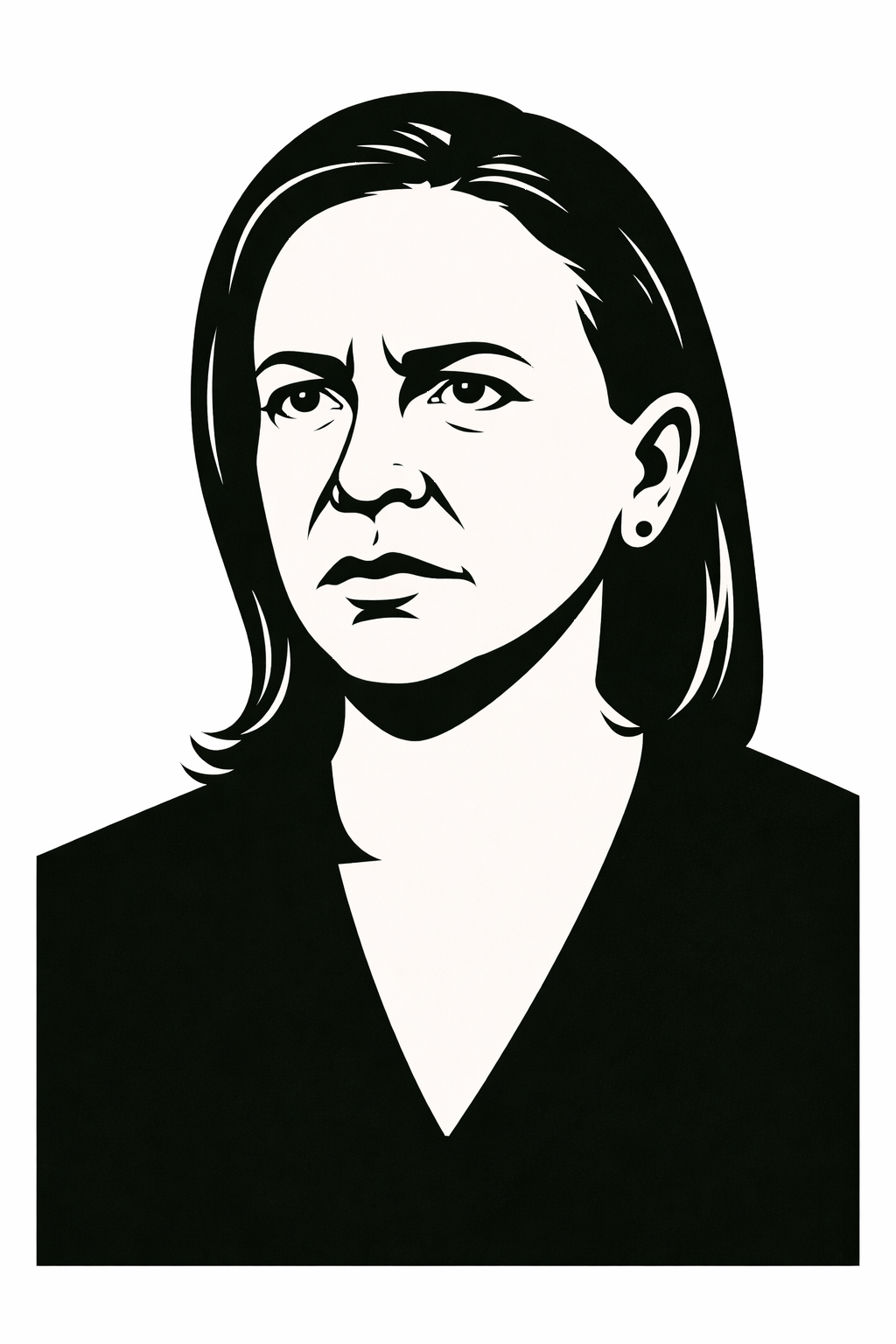
María Corina Machado
Herzi Halevi
Oleksii Reznikov
Mohammed Deif
Locations
Belarus
Honduras
Mexico City
Quebec
Papua New Guinea
Tajikistan
Austria
United Arab Emirates
New York City
Switzerland
Points of Interest
No results found.
Articles



Event Timeline
Technocratic Governance and Managed Growth
Between 2002 and 2012, China was governed through a technocratic model emphasizing stability, managed economic growth, and incremental reform under collective leadership.
Convention of Peking
The Convention of Peking ended the Second Opium War and ceded the Kowloon Peninsula south of Boundary Street to Britain.

Second Opium War
The Second Opium War expanded Western military pressure on Qing China, resulting in deeper treaty concessions, legalized opium trade, and intensified foreign presence in imperial affairs.

First Opium War
In June 1839, Chinese official Lin Zexu ordered the destruction of British opium stockpiles in Canton, sparking the First Opium War.
The Long March
The Long March was a strategic retreat by Chinese Communist forces that ensured the survival of the CCP and elevated Mao Zedong as its dominant leader.
Comintern Influence on the Chinese Communist Party
From its founding until the mid-1930s, the Chinese Communist Party (CCP) operated under strong ideological, organizational, and operational influence from the Soviet-led Comintern, shaping leadership struggles and strategy choices until a gradual break during the Long March era.

First Sino-Japanese War
The First Sino-Japanese War exposed the failure of Qing modernization and marked the transfer of regional leadership in East Asia from China to Japan.

Iranian Revolution
In 1979, a mass movement removed the Pahlavi monarchy and established the Islamic Republic, redefining Iran’s political and ideological system.

Reform Movement and the Khatami Presidency
From 1997 to 2005, Iran experienced a reform era focused on civic openness, political participation, and institutional debate.

The Green Movement
In 2009, large-scale protests challenged the presidential election outcome, marking one of the most significant political mobilizations since 1979.


Die EU muss als geopolitische Macht aufsteigen
1.000 traurige Tage des Krieges in der Ukraine. Chinas Einfluss rückt immer weiter vor. Die USA wenden sich nach innen. Es ist Zeit, in Europa zu handeln.