
Portugal
Intro
Lisbon manages a service-oriented, export-driven economy leveraging EU recovery funds for innovation. Hydropower, wind, and solar provide over 60% of electricity. Political stability underpins steady growth.
Background
Once a global empire, Portugal’s 20th century saw dictatorship, decolonization, and democratic transition in 1974. EU membership in 1986 accelerated modernization. Fiscal discipline post-2011 bailout restored investor confidence. Renewables and tech startups now define its future direction.
History
- 1974: Carnation Revolution ends dictatorship – 1986: Joins the European Community – 2011: Financial bailout and austerity reforms – 2020s: Energy independence and digital transformation
Present Day
In 2025, Portugal achieves record renewable output, hosts EU green finance forums, and strengthens transatlantic ties. Tourism rebounds while inflation pressures housing and wages.
Future Outlook
Portugal’s renewable advantage and digitalization efforts position it as a sustainable EU growth model. The country will deepen Lusophone partnerships and expand its Atlantic infrastructure role.
Map
Topics
Persons
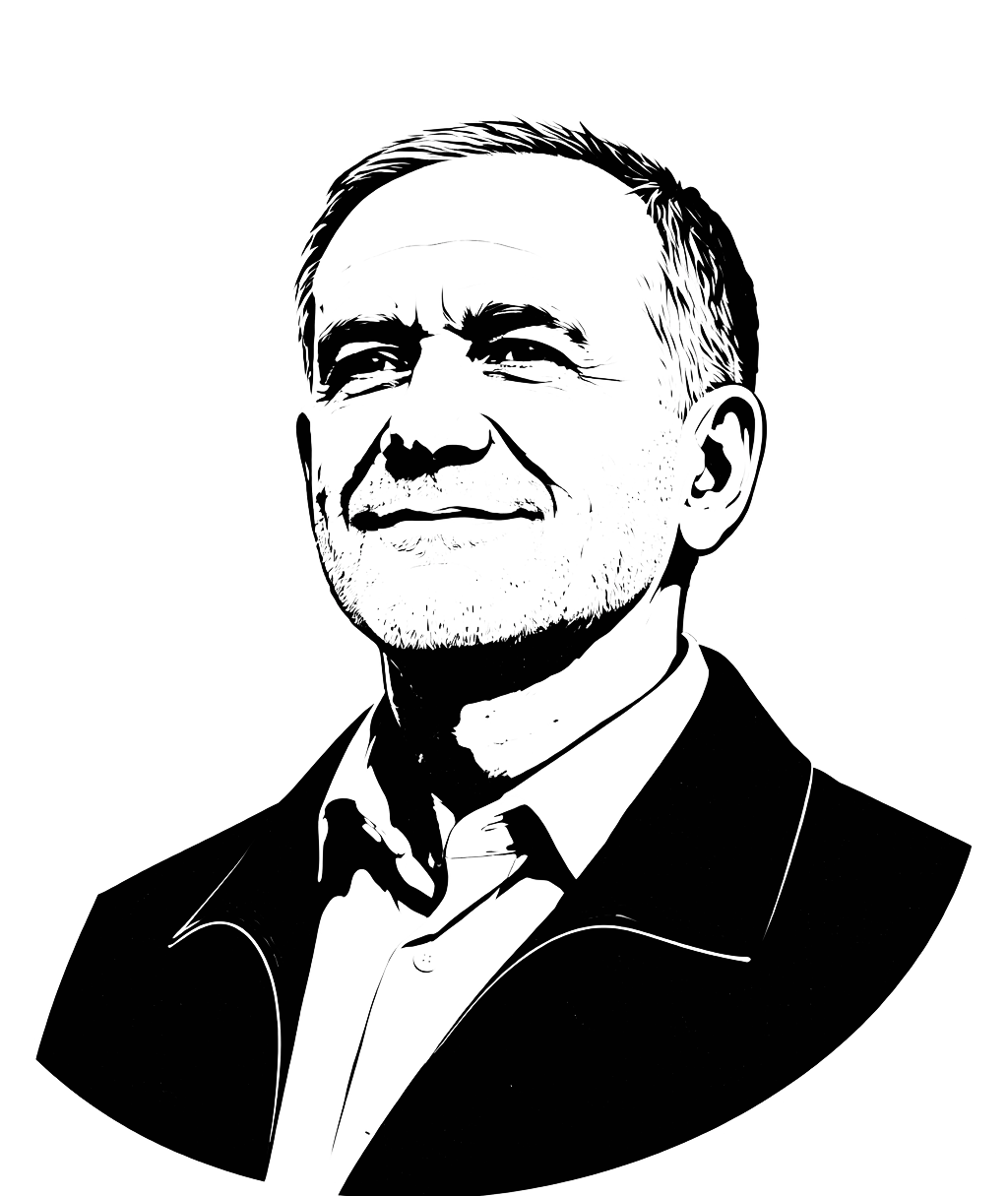
Masoud Pezeshkian

Hugo Chávez
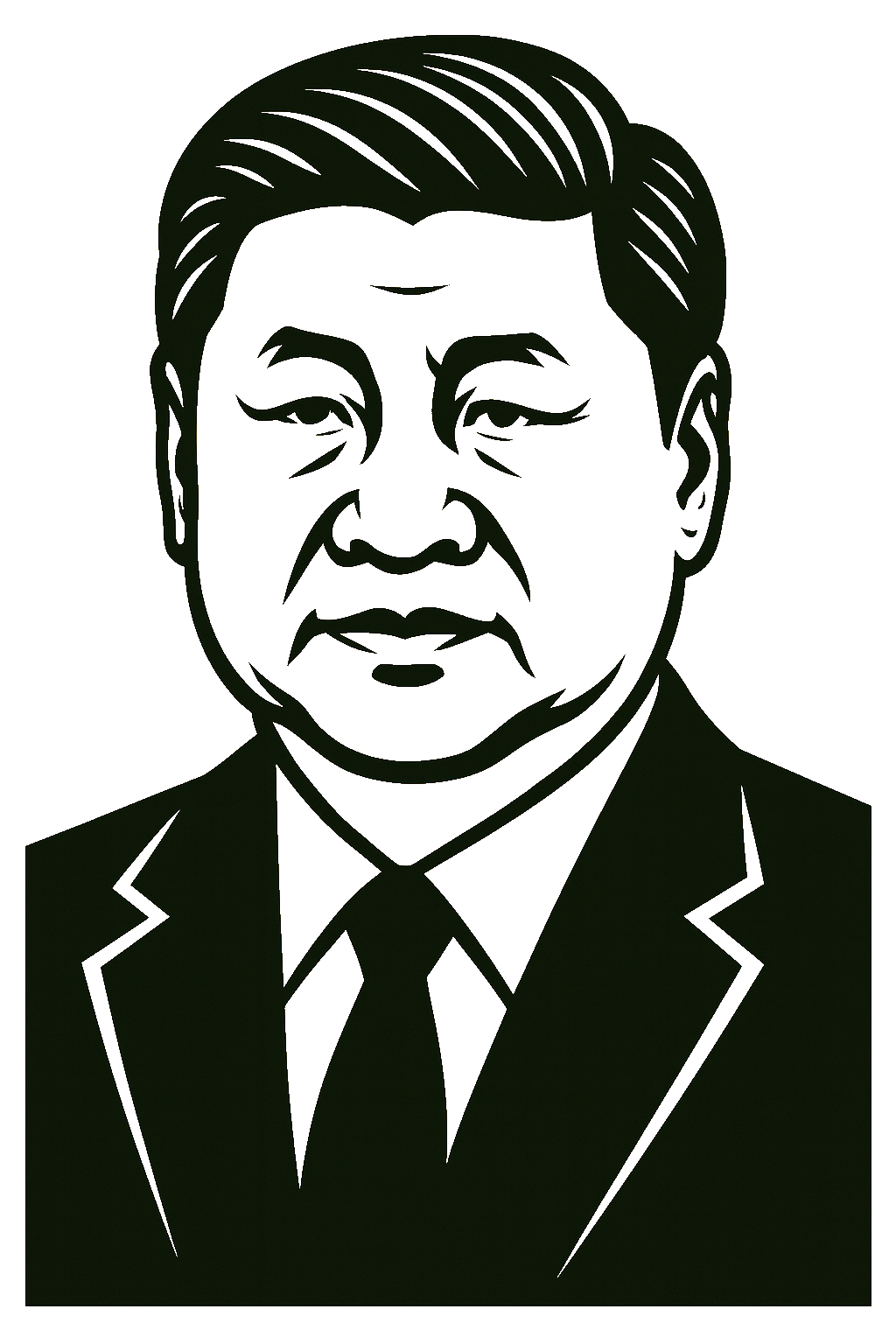
Xi Jinping
Lloyd Austin
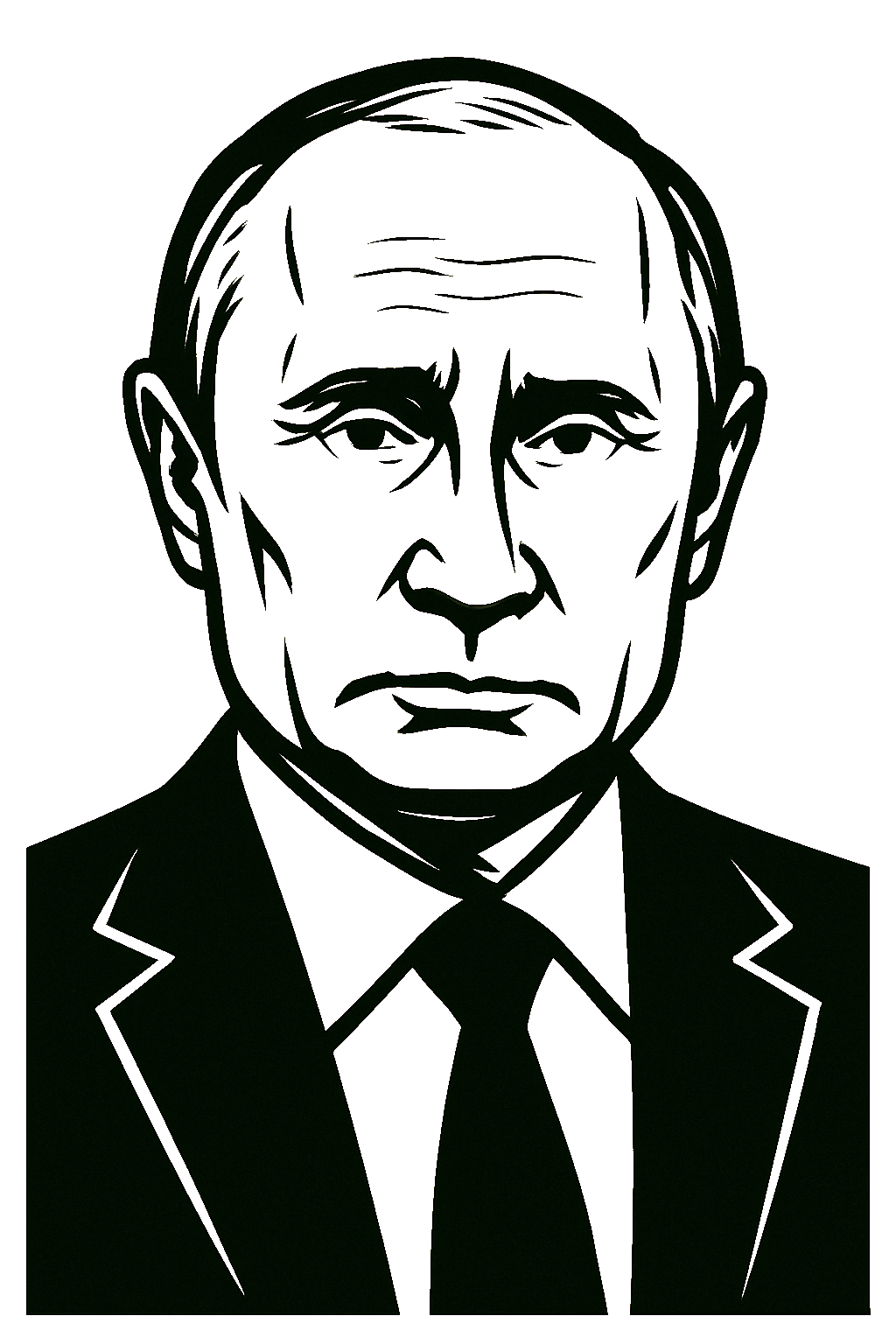
Vladimir Putin
Benjamin Netanyahu
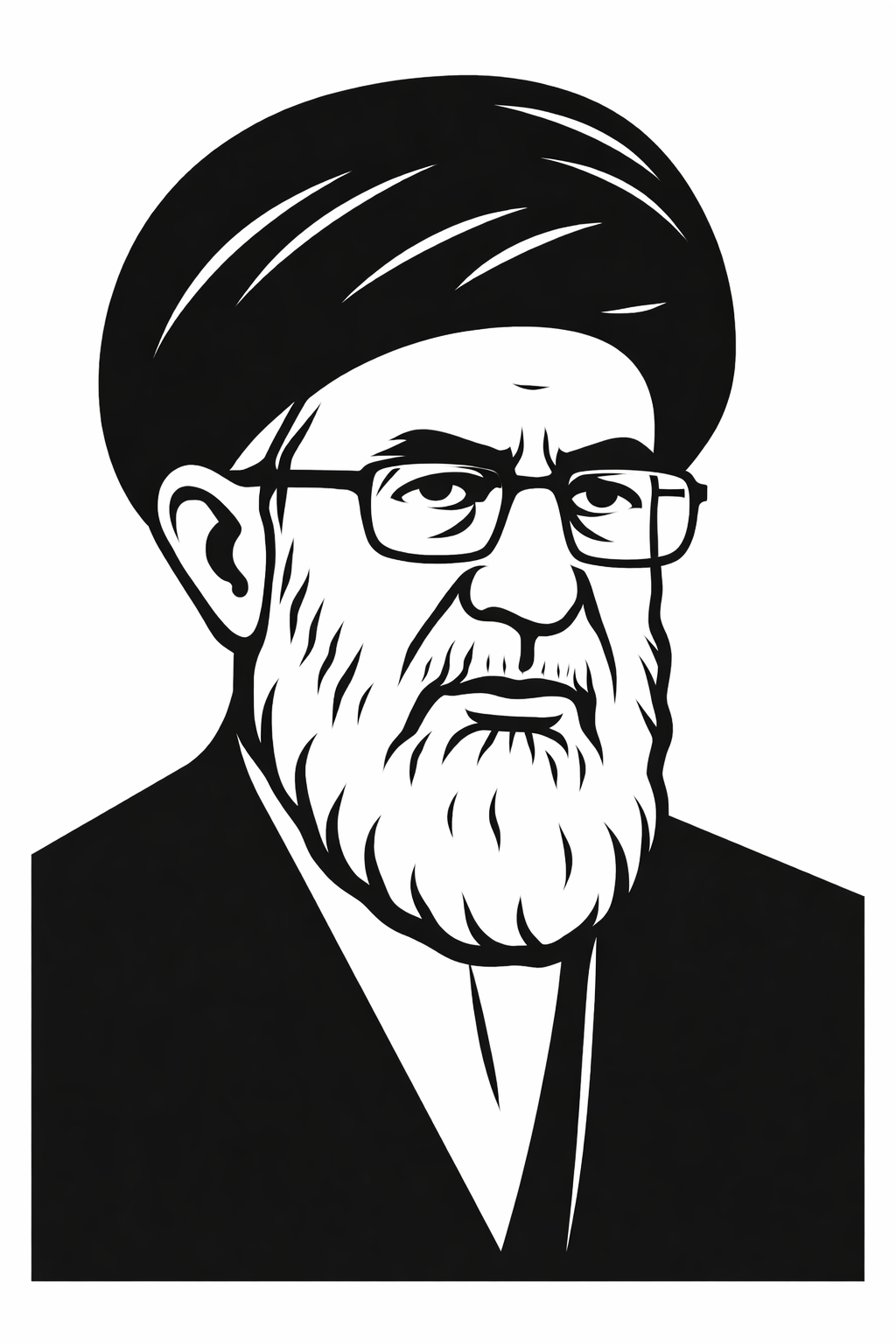
Ali Khamenei
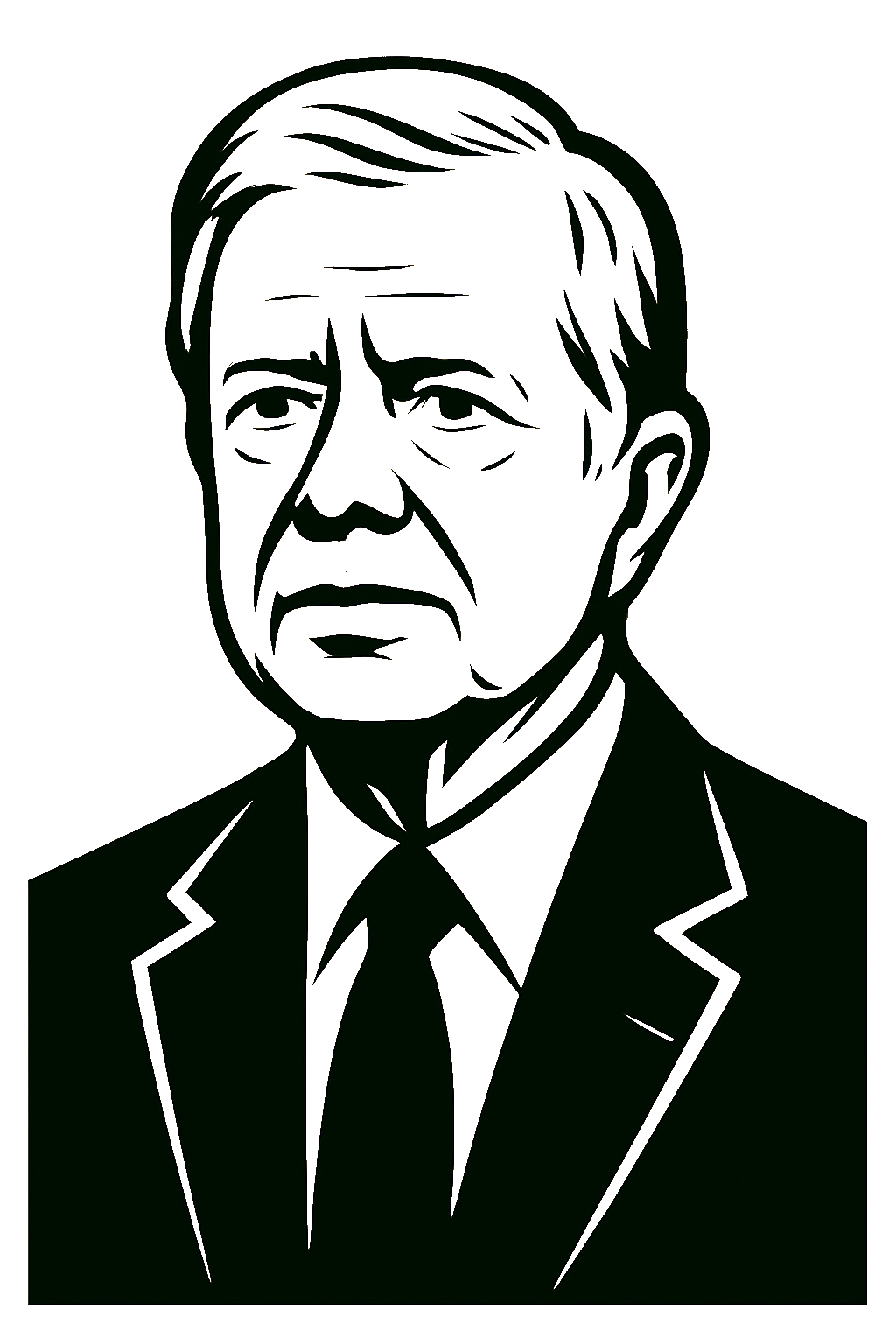
Jimmy Carter
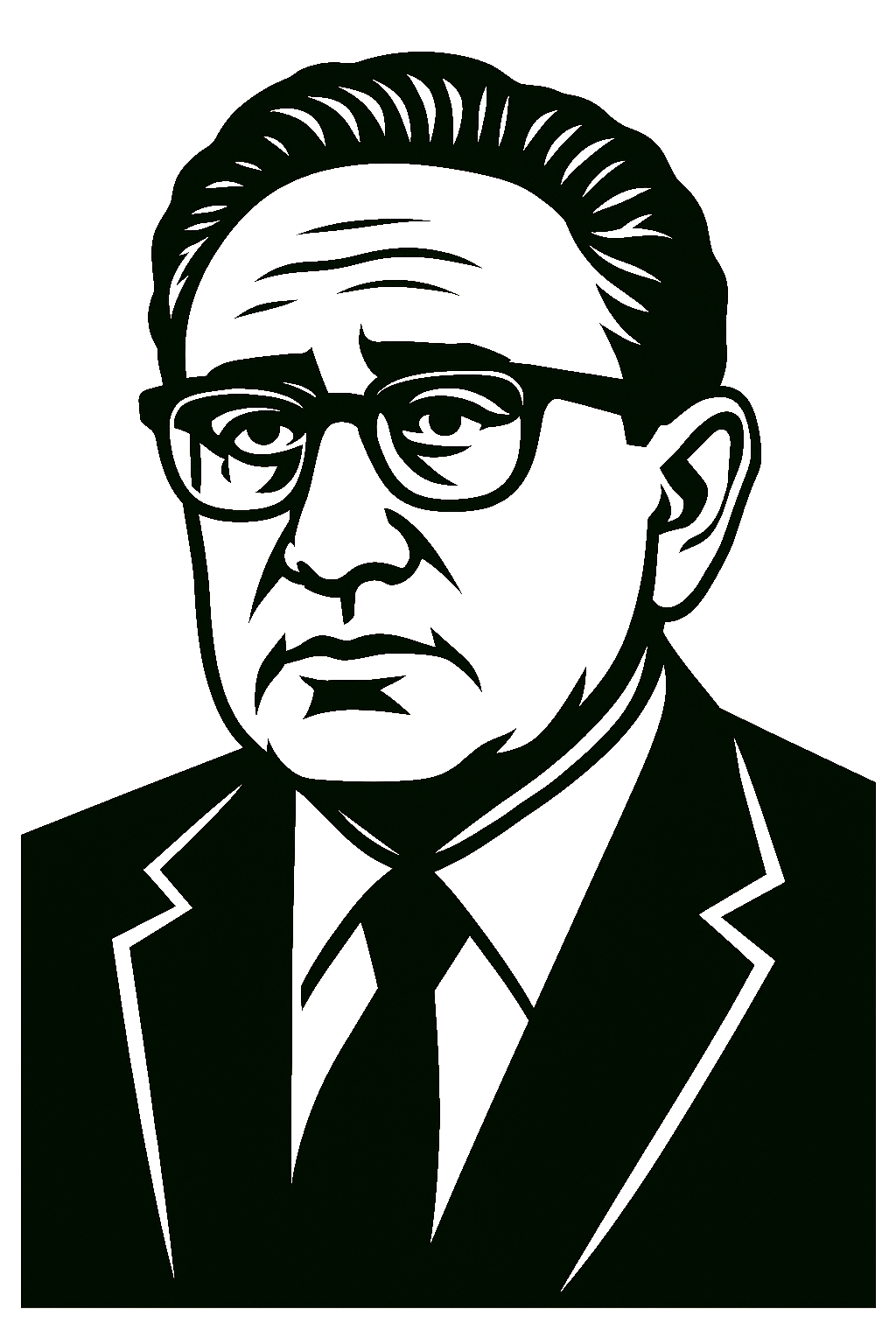
Henry Kissinger
Locations
Palestinian Territories
Guadalajara
State of Palestine (Territories)
Jeddah
Veneto
Costa Rica
Alberta
Oman
Croatia
Amman
Points of Interest
No results found.
Articles


Event Timeline

Polish-Lithuanian Rule over Ukraine
Before Moscow, there was Lublin. The Polish–Lithuanian Commonwealth laid the groundwork for Western Ukrainian identity — and for centuries of contested rule.


