
Malta
Intro
Despite its small size, Malta exerts influence through its maritime location and EU membership. It is a gateway between Europe and North Africa, a hub for shipping, finance, and tourism, and a key node in Mediterranean policy.
Background
Malta gained independence from the UK in 1964 and became a republic in 1974. Its neutrality, enshrined in the constitution, coexists with close cooperation with EU and NATO frameworks. Economic growth relies on tourism, digital services, and offshore finance.
History
- 1964: Independence from the United Kingdom – 1974: Becomes a republic – 2004: Joins the European Union – 2010s-2020s: Expands finance, technology, and maritime sectors amid EU regulation
Present Day
In 2025, Malta remains one of Europe’s most stable economies, focusing on sustainable growth, digital transformation, and Mediterranean security cooperation.
Future Outlook
Malta will remain a service-based economy dependent on EU frameworks. Its maritime infrastructure and neutrality support regional diplomacy and trade.
Map
Topics
Persons

Pete Hegseth
Jake Sullivan

Marco Rubio
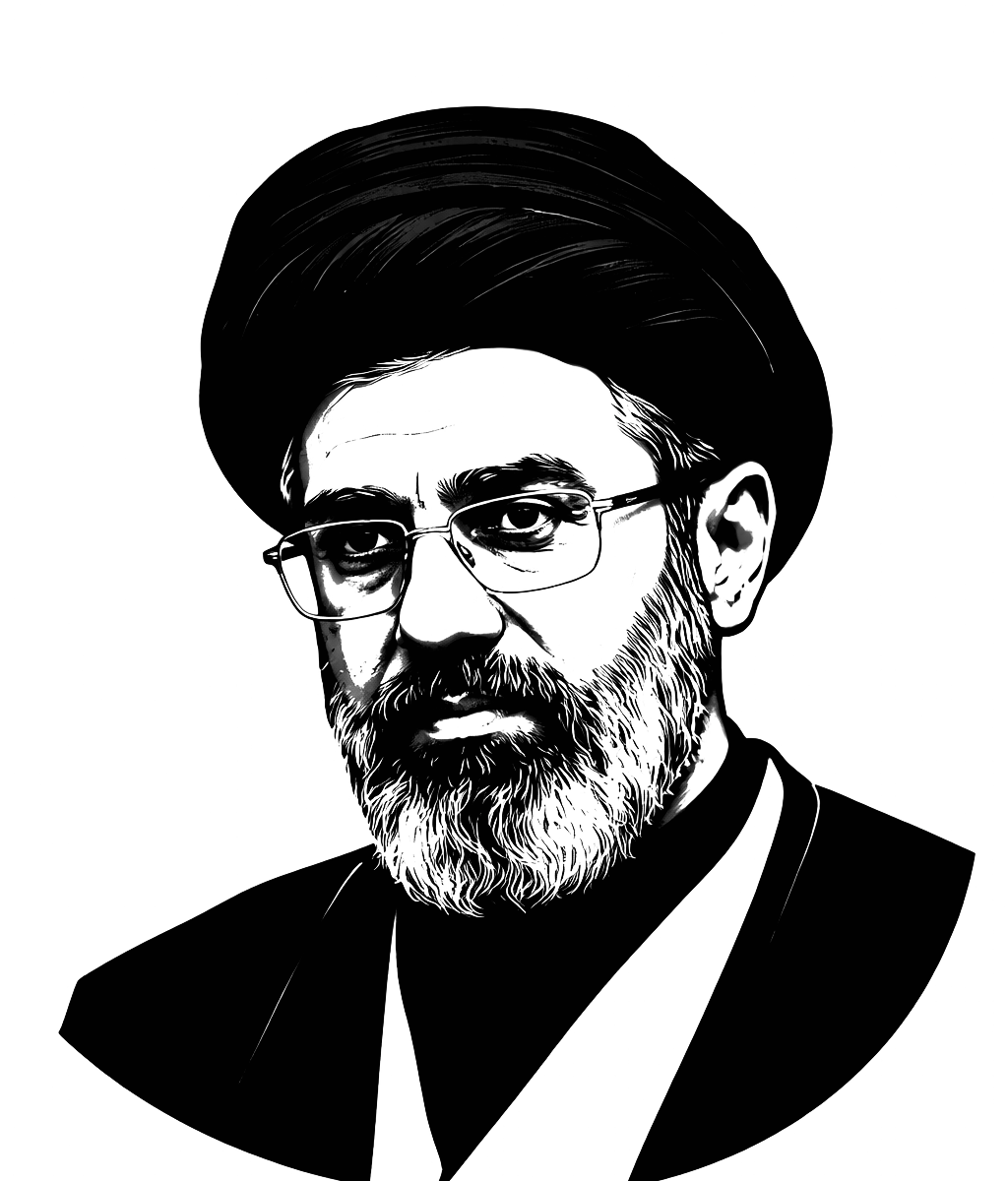
Mojtaba Khamenei

Mark Rutte

María Corina Machado
Herzi Halevi
Oleksii Reznikov
Mohammed Deif
Articles


Event Timeline

Polish-Lithuanian Rule over Ukraine
Before Moscow, there was Lublin. The Polish–Lithuanian Commonwealth laid the groundwork for Western Ukrainian identity — and for centuries of contested rule.


