
Malta
Intro
Despite its small size, Malta exerts influence through its maritime location and EU membership. It is a gateway between Europe and North Africa, a hub for shipping, finance, and tourism, and a key node in Mediterranean policy.
Background
Malta gained independence from the UK in 1964 and became a republic in 1974. Its neutrality, enshrined in the constitution, coexists with close cooperation with EU and NATO frameworks. Economic growth relies on tourism, digital services, and offshore finance.
History
- 1964: Independence from the United Kingdom – 1974: Becomes a republic – 2004: Joins the European Union – 2010s-2020s: Expands finance, technology, and maritime sectors amid EU regulation
Present Day
In 2025, Malta remains one of Europe’s most stable economies, focusing on sustainable growth, digital transformation, and Mediterranean security cooperation.
Future Outlook
Malta will remain a service-based economy dependent on EU frameworks. Its maritime infrastructure and neutrality support regional diplomacy and trade.
Map
Topics
Persons
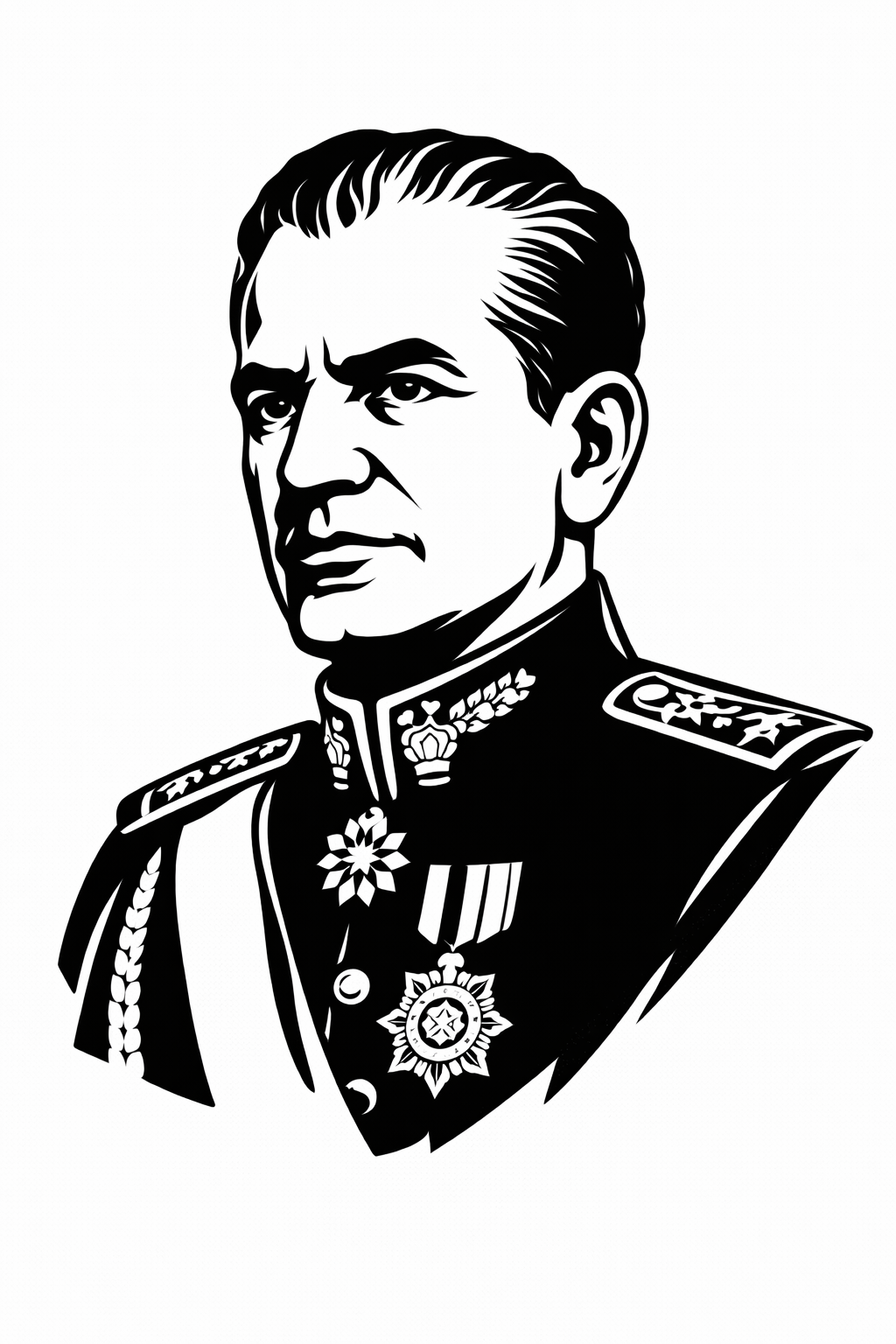
Mohammad Reza Shah Pahlavi
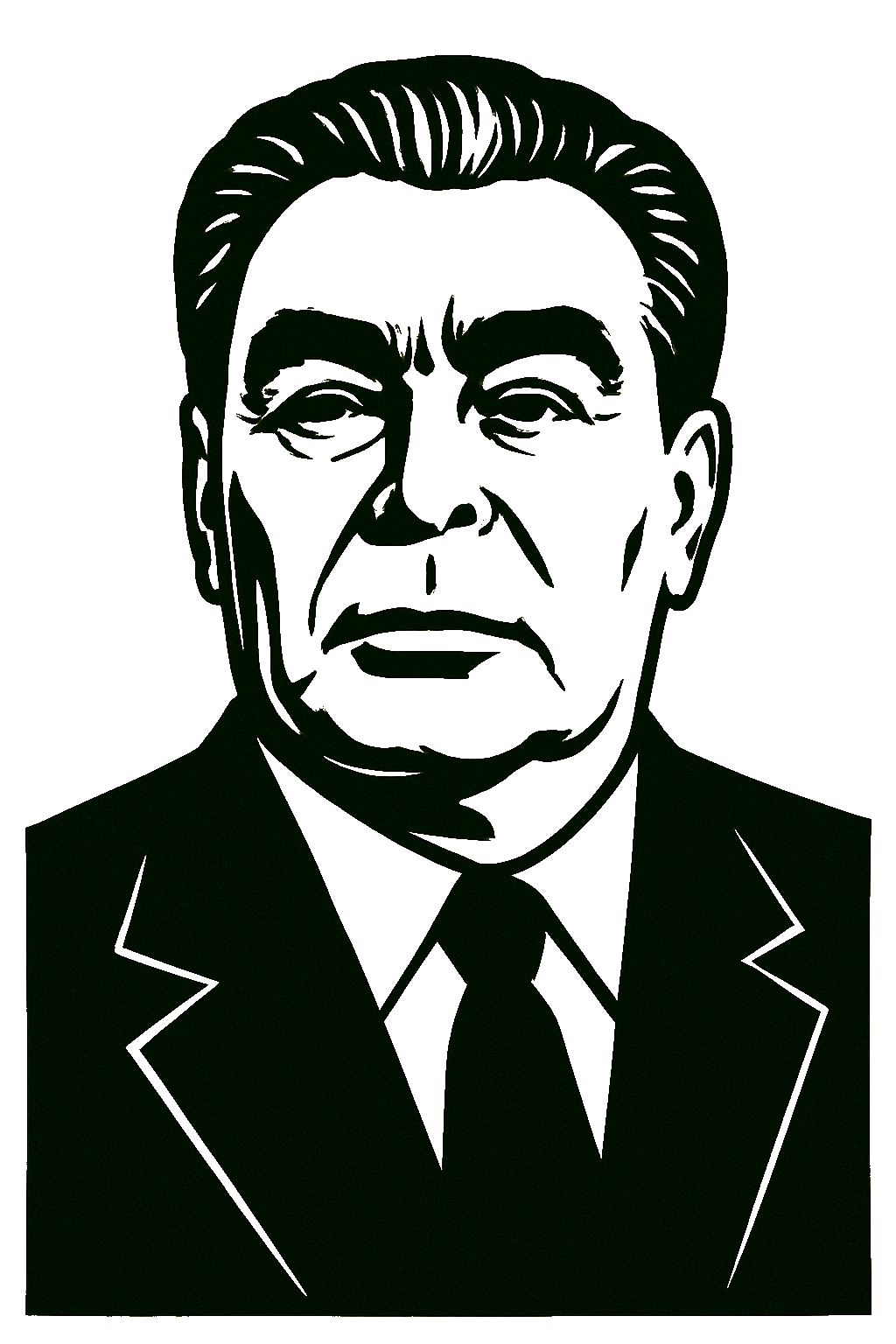
Leonid Brezhnev
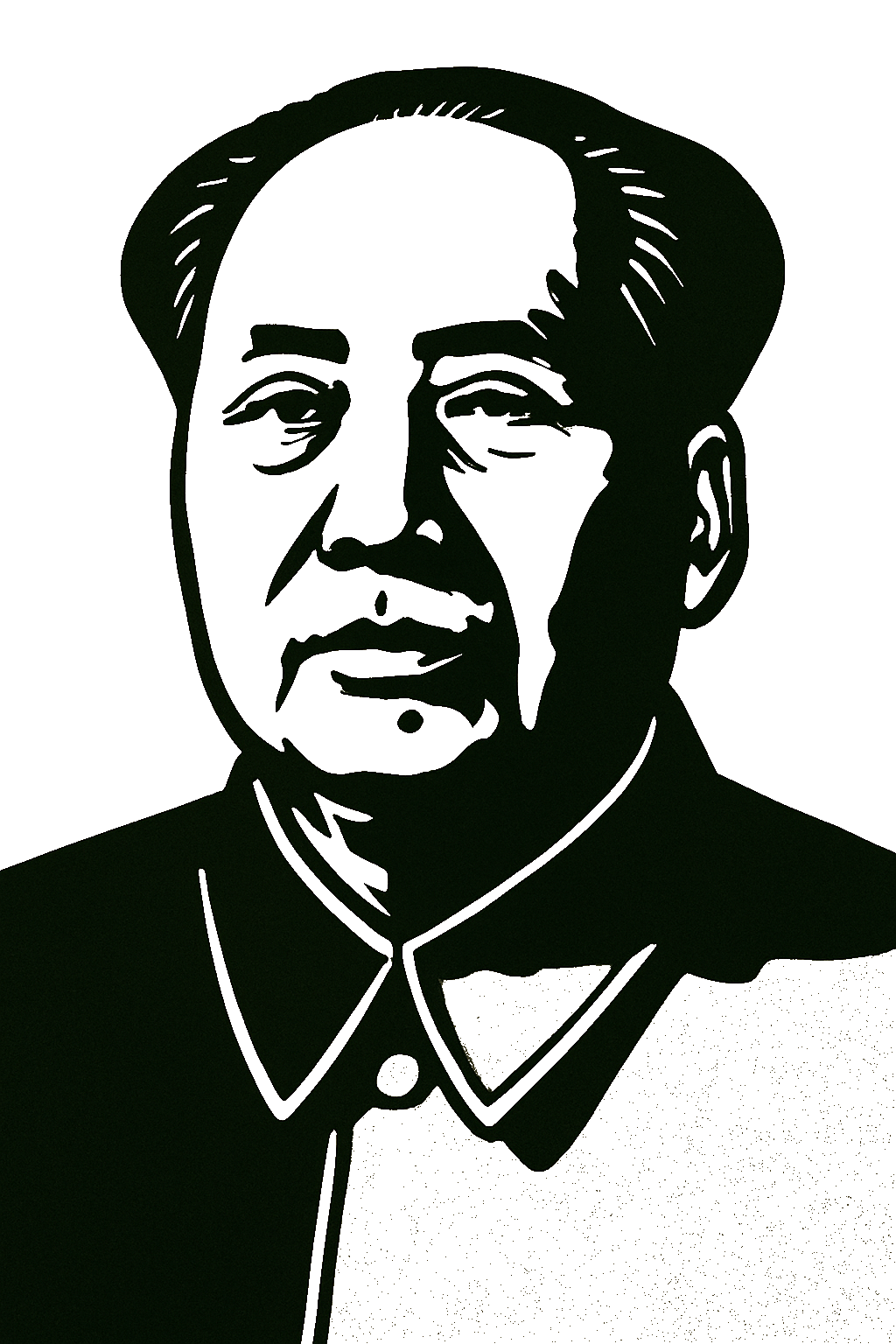
Mao Zedong
Martin Heidegger
Adolf Hitler
Oswald Spengler
Winston Churchill
Karl Haushofer
Neville Chamberlain
Locations
Washington, D.C.
Manama
Boston
Vancouver
Montenegro
Suriname
Kingston
Luxembourg
Genoa
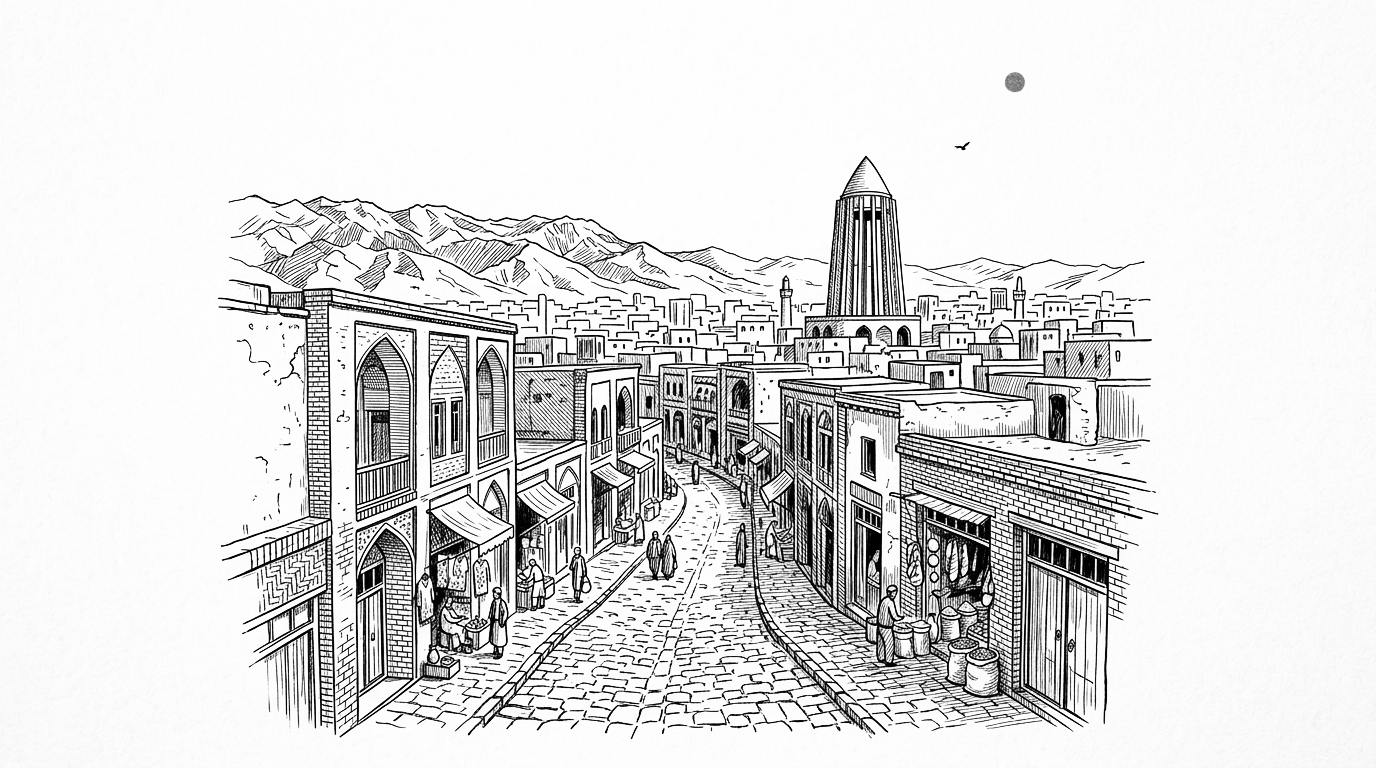
Hamadan
Points of Interest
No results found.
Articles


Event Timeline
Israeli Strikes in Tehran Killing Larijani
On the night of 16-17 March 2026, Israeli airstrikes in the Tehran area killed Ali Larijani (Secretary of the Supreme National Security Council and de facto leader) and Gholamreza Soleimani (commander of Iran’s internal Basij militia).

Nationalisation of Iranian Oil and the Mossadegh Crisis
From 1951 to 1953, Iran nationalized its oil industry under Prime Minister Mossadegh, leading to an international crisis and the eventual 1953 coup.

Iran Hostage Crisis
In 1979, Iranian students seized the U.S. Embassy in Tehran, holding 52 Americans hostage for 444 days and transforming U.S.-Iran relations.


Taiping Heavenly Kingdom (Taiping Rebellion)
The Taiping Heavenly Kingdom was a large-scale civil war and rival state that challenged Qing rule, resulting in one of the deadliest conflicts in human history and severely weakening imperial authority.
Proclamation of the People’s Republic of China
On 1 October 1949, Mao Zedong proclaimed the People’s Republic of China in Beijing, marking the establishment of Communist rule on the mainland after civil war victory.
First Five-Year Plan and Socialist Transformation
Between 1953 and 1957, China implemented its First Five-Year Plan, restructuring land, industry, and finance along socialist lines and establishing centralized economic planning.
Great Leap Forward
The Great Leap Forward was a nationwide campaign aimed at rapidly industrializing China through mass mobilization and rural collectivization, resulting in severe economic disruption and widespread famine.
Xinhai Revolution
The Xinhai Revolution overthrew the Qing Dynasty and ended over two millennia of imperial rule, leading to the establishment of the Republic of China.


