
Greece
Intro
Tourism, shipping, and energy define Greece’s modern economy. Fiscal reforms and EU oversight stabilized debt, while foreign investment supports technology and infrastructure renewal. Athens leverages maritime geography for defense and logistics.
Background
Following the 2008 debt crisis, Greece undertook major fiscal consolidation and reform. Political normalization and tourism rebound restored growth. Energy corridors and defense partnerships with France, Israel, and Egypt enhance regional status.
History
- 1981: Joins the European Community – 2001: Adopts the Euro – 2008-2018: Financial crisis and EU bailouts – 2020s: Energy diversification and defense modernization
Present Day
In 2025, Greece records steady growth, tourism expansion, and active diplomacy in the Aegean. Defense modernization continues alongside energy exploration with EU and regional partners.
Future Outlook
Greece’s long-term stability depends on energy connectivity, fiscal discipline, and defense readiness. Eastern Mediterranean gas and renewables could redefine its economic geography.
Map
Topics
Persons

Pete Hegseth
Jake Sullivan

Marco Rubio
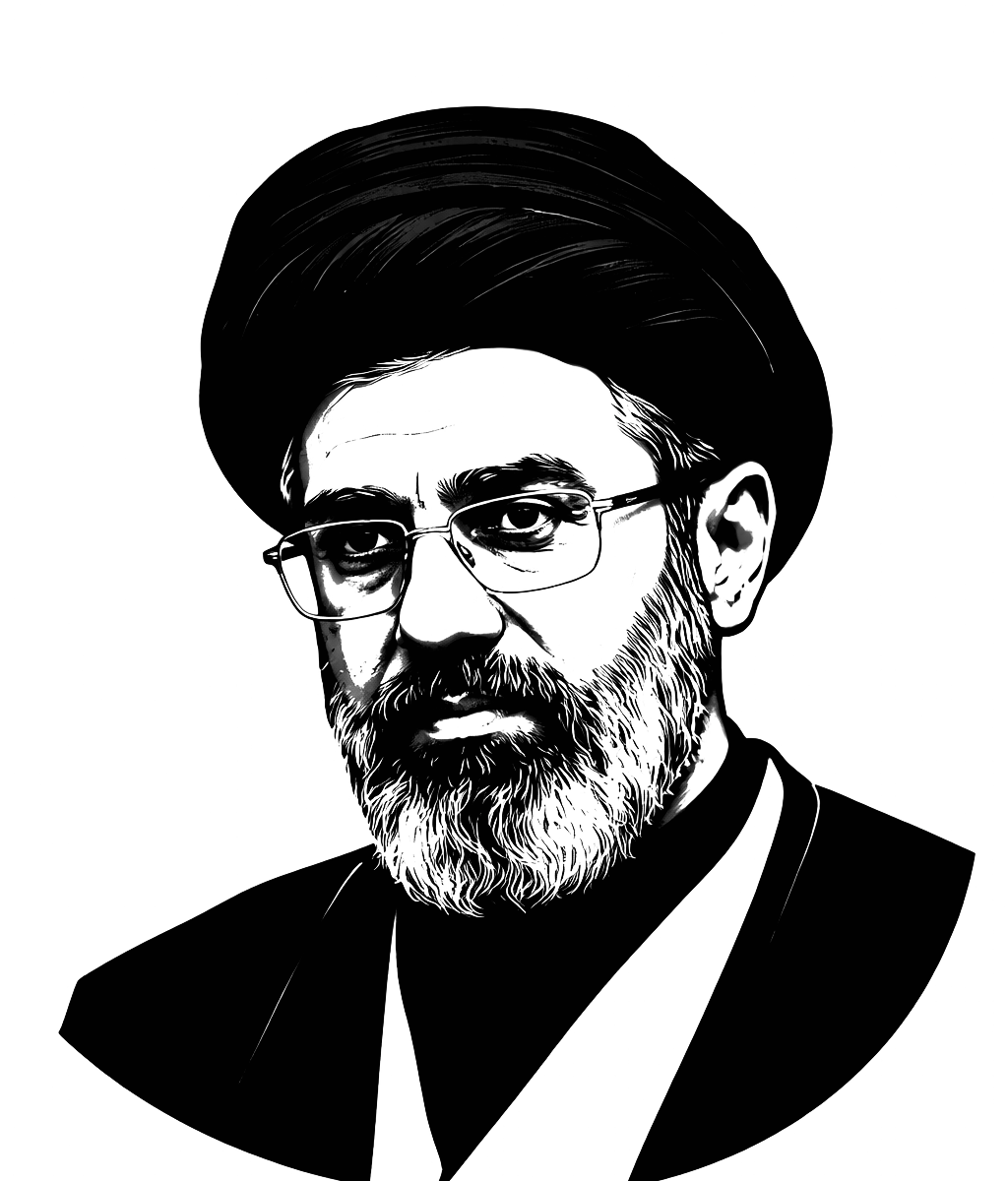
Mojtaba Khamenei

Mark Rutte

María Corina Machado
Herzi Halevi
Oleksii Reznikov
Mohammed Deif
Locations
Honduras
Mexico City
Quebec
Papua New Guinea
Tajikistan

Austria
United Arab Emirates

New York City
Switzerland
Bogotá
Points of Interest
No results found.
Articles


Event Timeline

Polish-Lithuanian Rule over Ukraine
Before Moscow, there was Lublin. The Polish–Lithuanian Commonwealth laid the groundwork for Western Ukrainian identity — and for centuries of contested rule.


