
2004-11-21
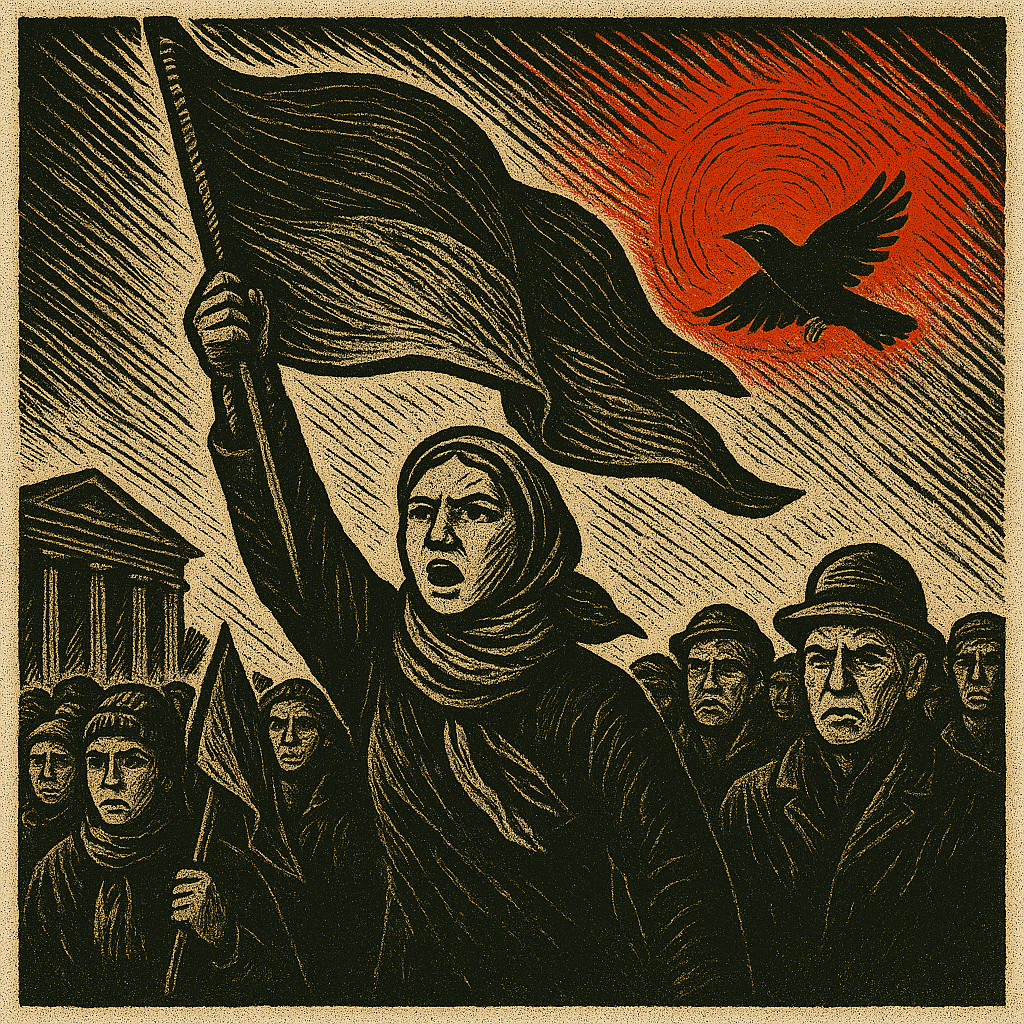
In late 2004, tens of thousands of Ukrainians filled the streets of Kyiv to protest a rigged presidential election.
Background
The presidential runoff between Viktor Yushchenko and Viktor Yanukovych quickly spiraled into crisis when widespread fraud was reported. With support from outgoing President Kuchma and heavy Kremlin backing, Yanukovych was prematurely declared the winner. Mass protests erupted in Independence Square (Maidan Nezalezhnosti). Protesters demanded a revote, citing forged results and poisoning of Yushchenko, whose disfigured face became a symbol of resistance. The movement remained non-violent despite freezing temperatures and growing tension. Ukraine’s Supreme Court ruled in favor of a repeat runoff election. Yushchenko won the new vote decisively, ushering in hopes of democratic reform, Euro-Atlantic integration, and reduced Russian influence.
Legacy
Institutionalized civil protest as a powerful democratic force Reinforced political polarization between east and west Ukraine Temporarily shifted Ukraine’s trajectory toward the EU and NATO
Key Moment
Perspective & Relations
Narratives
| European Union | A democratic victory — but one that exposed the fragility of Ukrainian institutions and foreshadowed future confrontations. | |
| Institutionalized civil protest as a powerful democratic force Reinforced political polarization between east and west Ukraine Temporarily shifted Ukraine’s trajectory toward the EU and NATO | ||
| 2004-12-03 – Ukraine’s Supreme Court annulled the original runoff and called for a new vote, a rare judicial victory for protest movements. | ||
| In late 2004, tens of thousands of Ukrainians filled the streets of Kyiv to protest a rigged presidential election. The Orange Revolution marked a turning point in Ukraine’s democratic identity and exposed the geopolitical tug-of-war between Russia and the West. | ||
| The presidential runoff between Viktor Yushchenko and Viktor Yanukovych quickly spiraled into crisis when widespread fraud was reported. With support from outgoing President Kuchma and heavy Kremlin backing, Yanukovych was prematurely declared the winner. Mass protests erupted in Independence Square (Maidan Nezalezhnosti). Protesters demanded a revote, citing forged results and poisoning of Yushchenko, whose disfigured face became a symbol of resistance. The movement remained non-violent despite freezing temperatures and growing tension. Ukraine’s Supreme Court ruled in favor of a repeat runoff election. Yushchenko won the new vote decisively, ushering in hopes of democratic reform, Euro-Atlantic integration, and reduced Russian influence. | ||
 | Ukraine | A moment of pride and hope. Proof that peaceful protest could reshape the nation. |
| Russia | A Western-backed color revolution threatening Moscow’s regional influence. | |
| In late 2004, tens of thousands of Ukrainians filled the streets of Kyiv to protest a rigged presidential election. The Orange Revolution marked a turning point in Ukraine’s democratic identity and exposed the geopolitical tug-of-war between Russia and the West. | ||
| The presidential runoff between Viktor Yushchenko and Viktor Yanukovych quickly spiraled into crisis when widespread fraud was reported. With support from outgoing President Kuchma and heavy Kremlin backing, Yanukovych was prematurely declared the winner. Mass protests erupted in Independence Square (Maidan Nezalezhnosti). Protesters demanded a revote, citing forged results and poisoning of Yushchenko, whose disfigured face became a symbol of resistance. The movement remained non-violent despite freezing temperatures and growing tension. Ukraine’s Supreme Court ruled in favor of a repeat runoff election. Yushchenko won the new vote decisively, ushering in hopes of democratic reform, Euro-Atlantic integration, and reduced Russian influence. | ||
| 2004-12-03 – Ukraine’s Supreme Court annulled the original runoff and called for a new vote, a rare judicial victory for protest movements. |