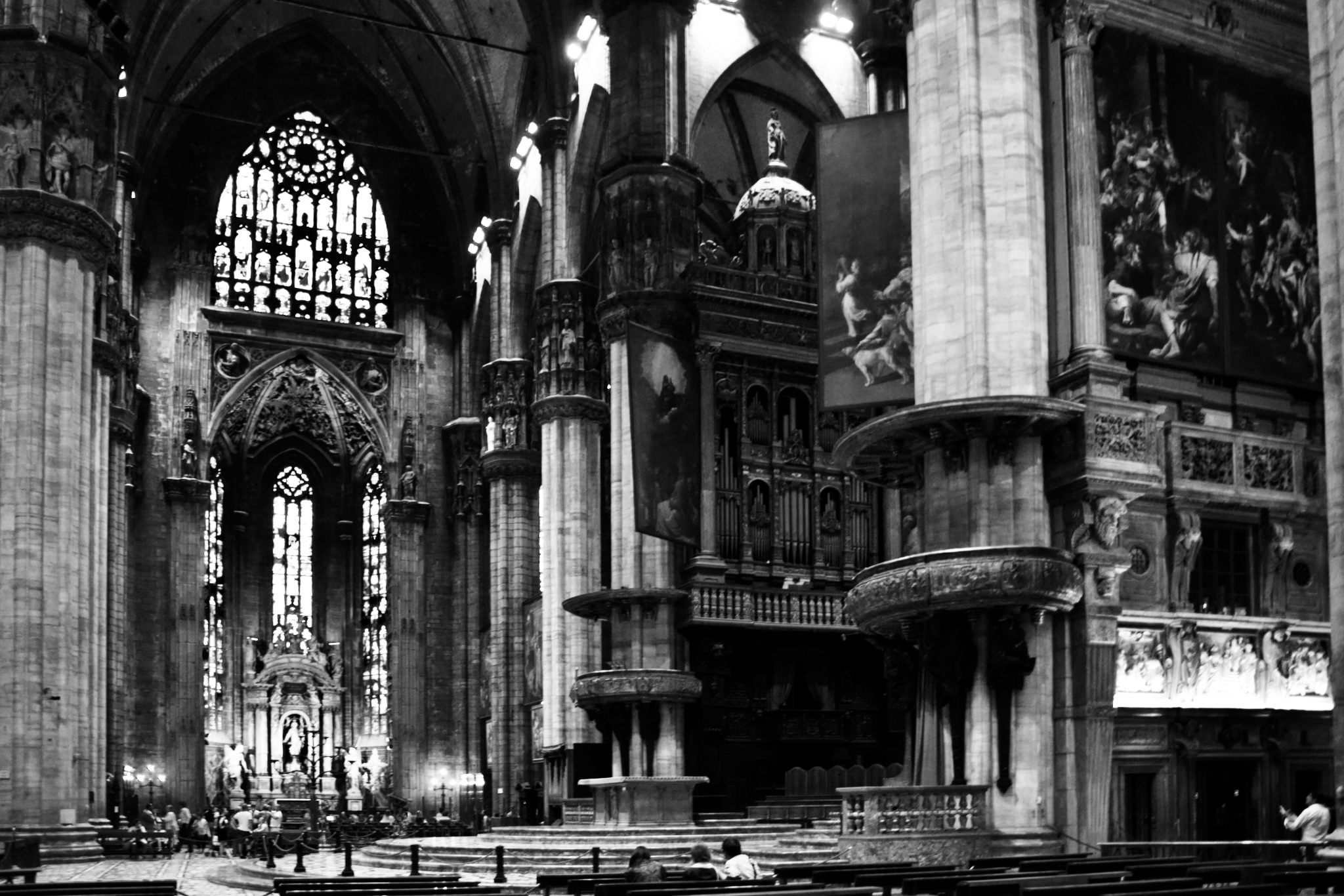
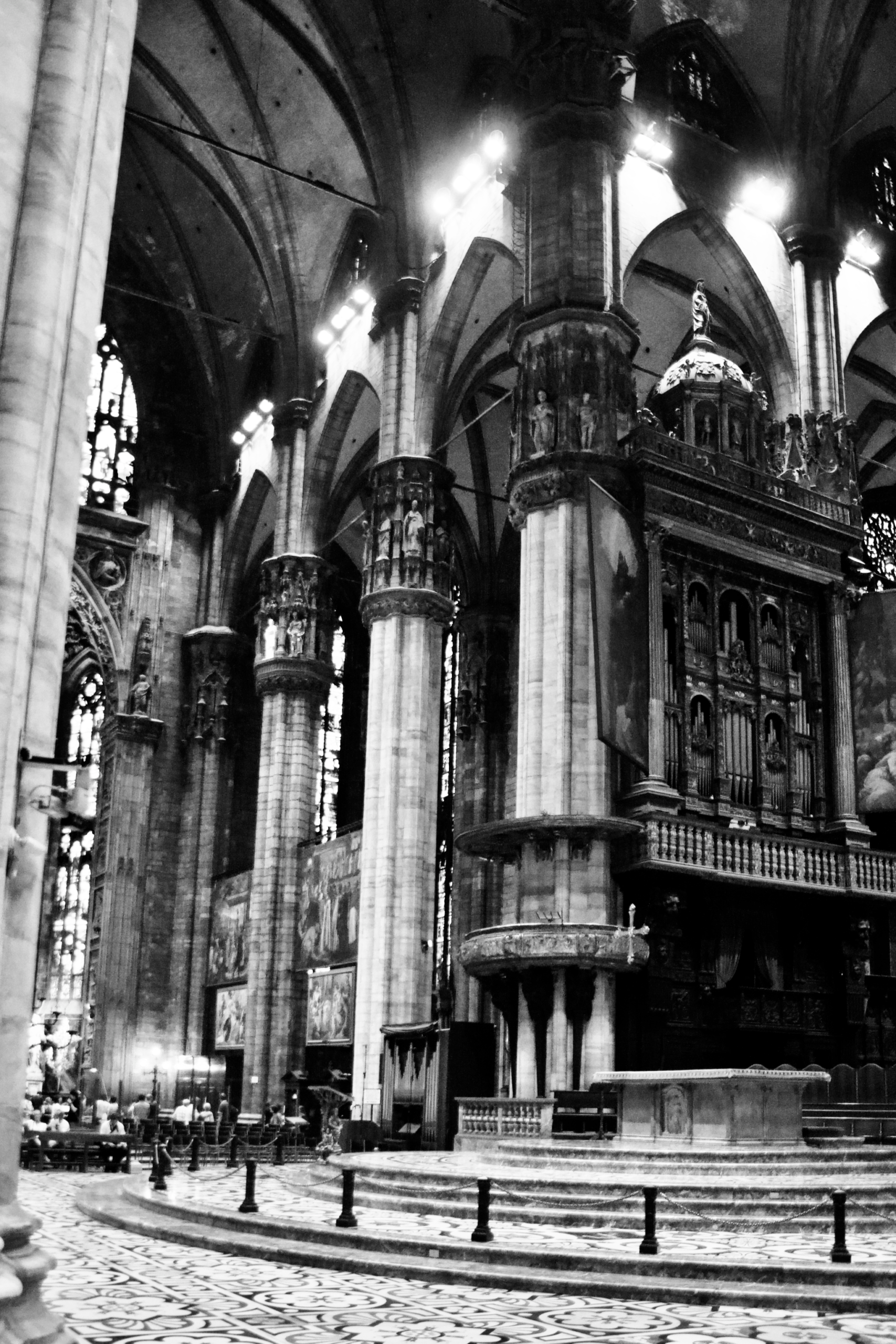
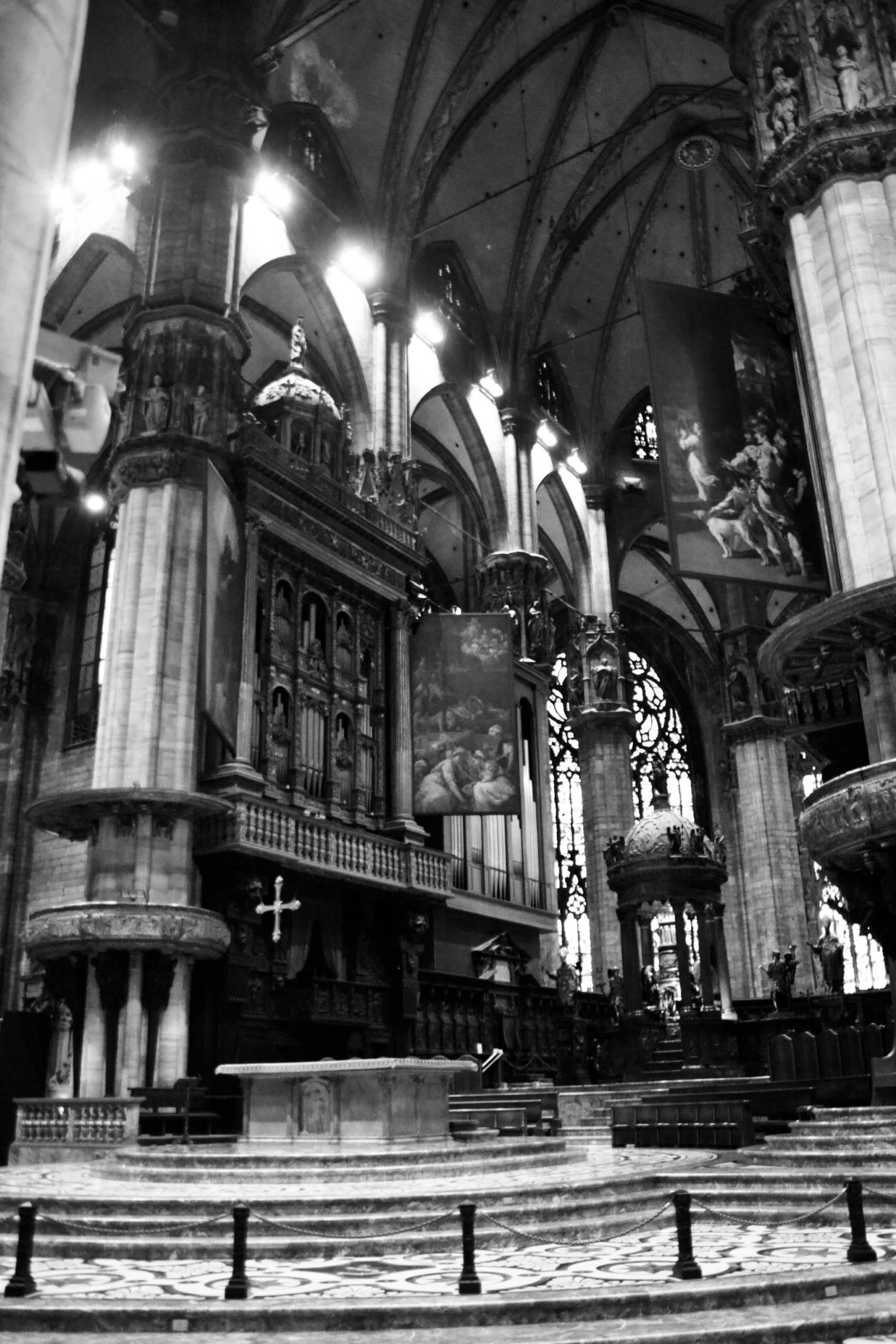
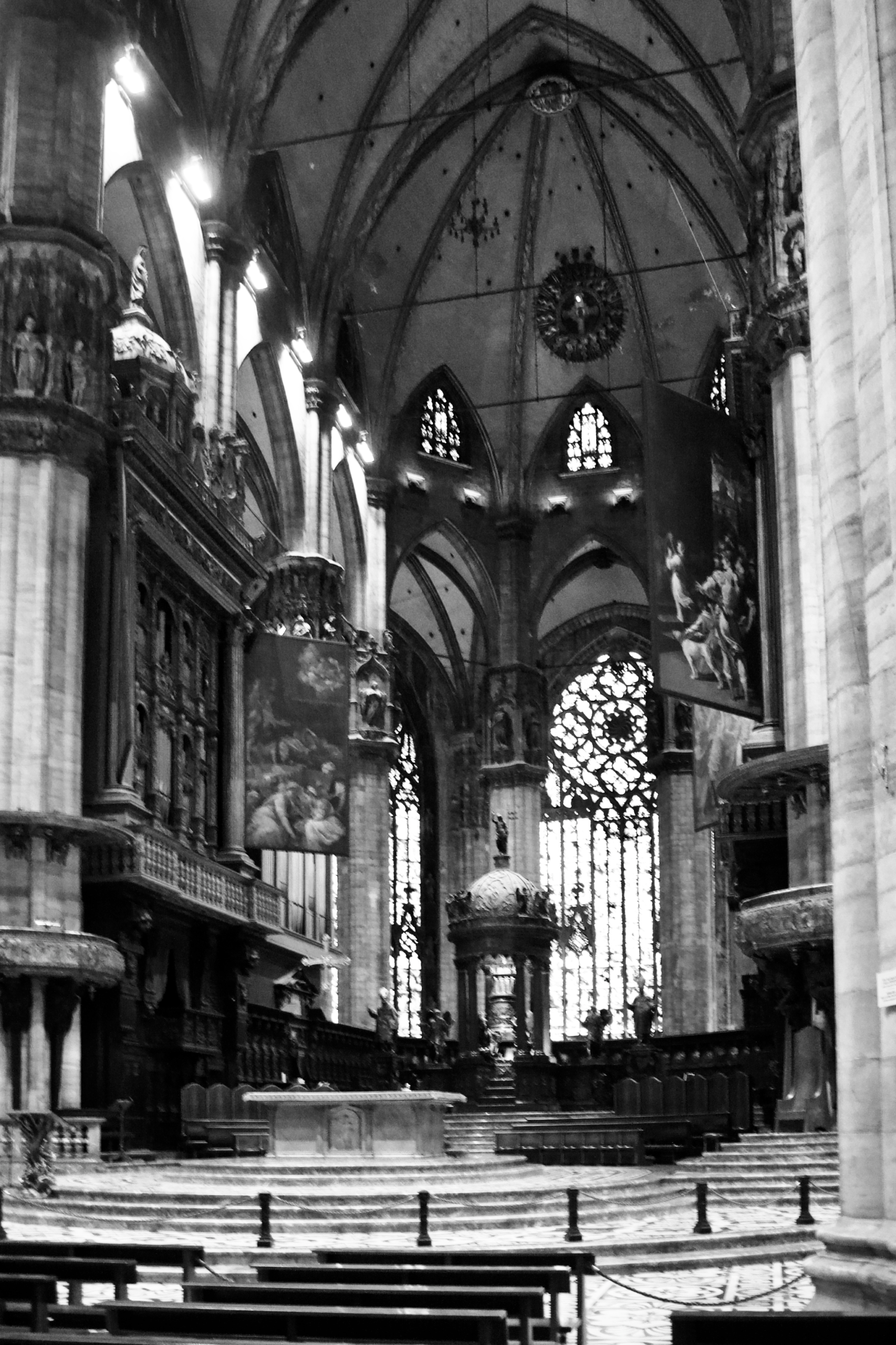
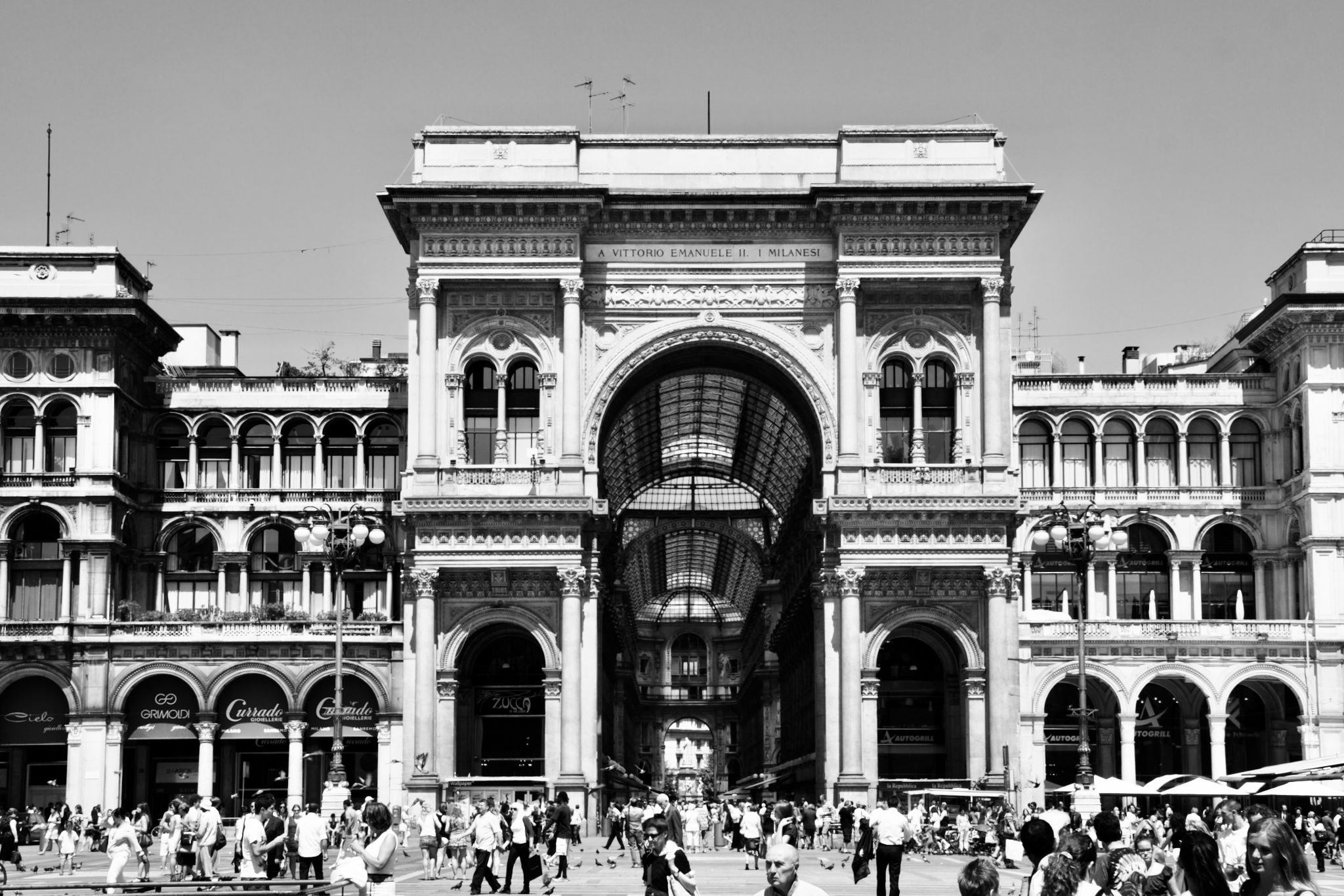
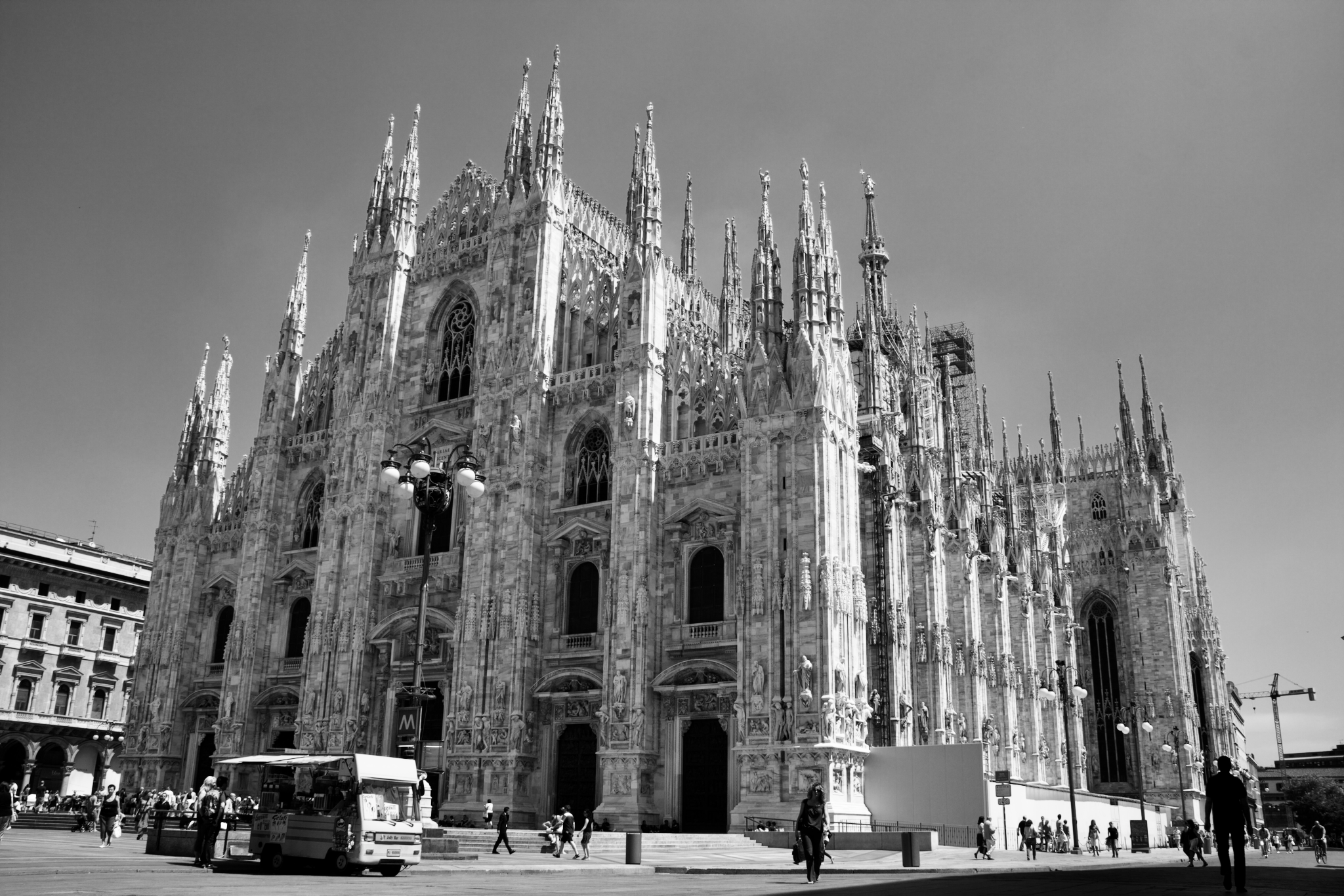
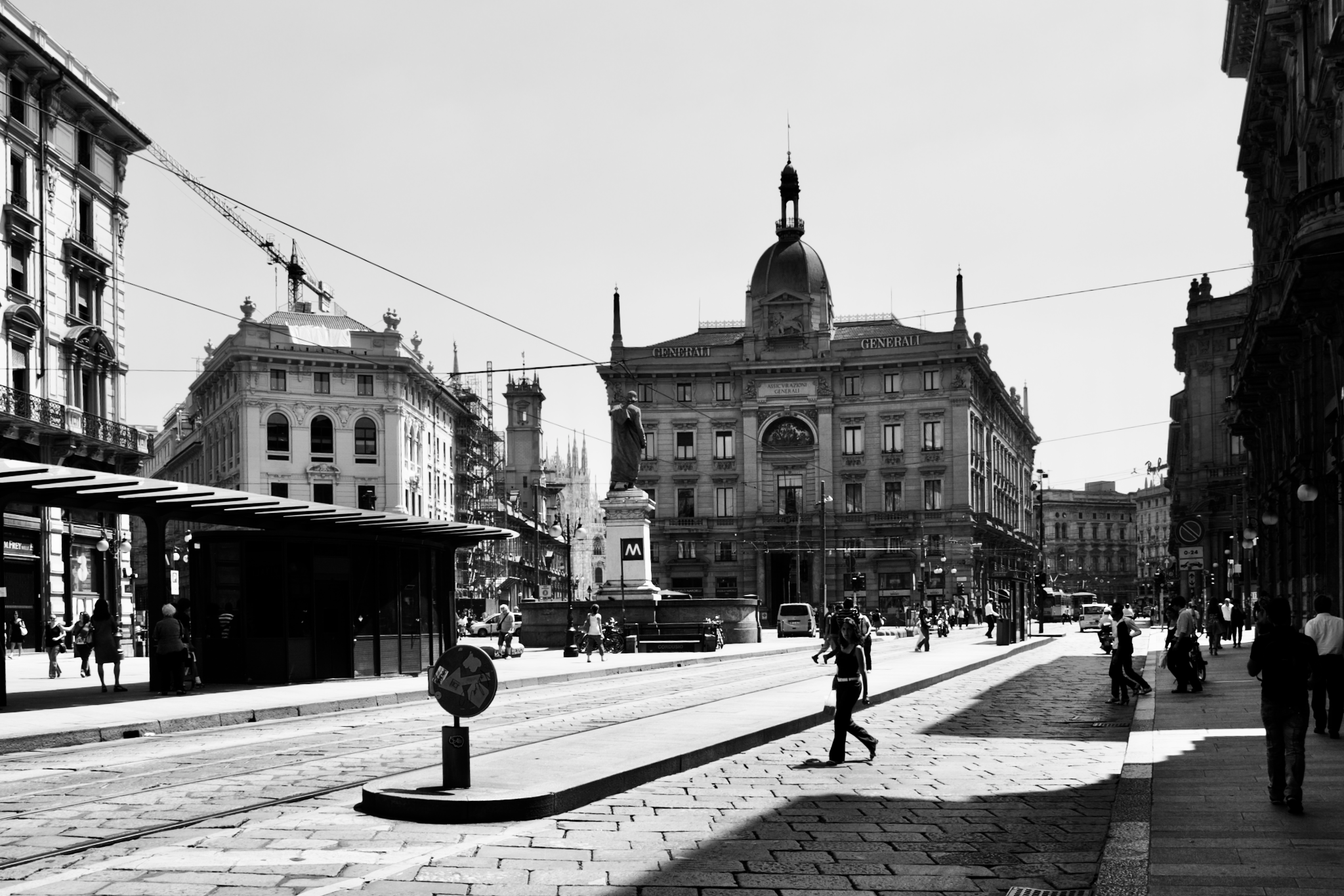
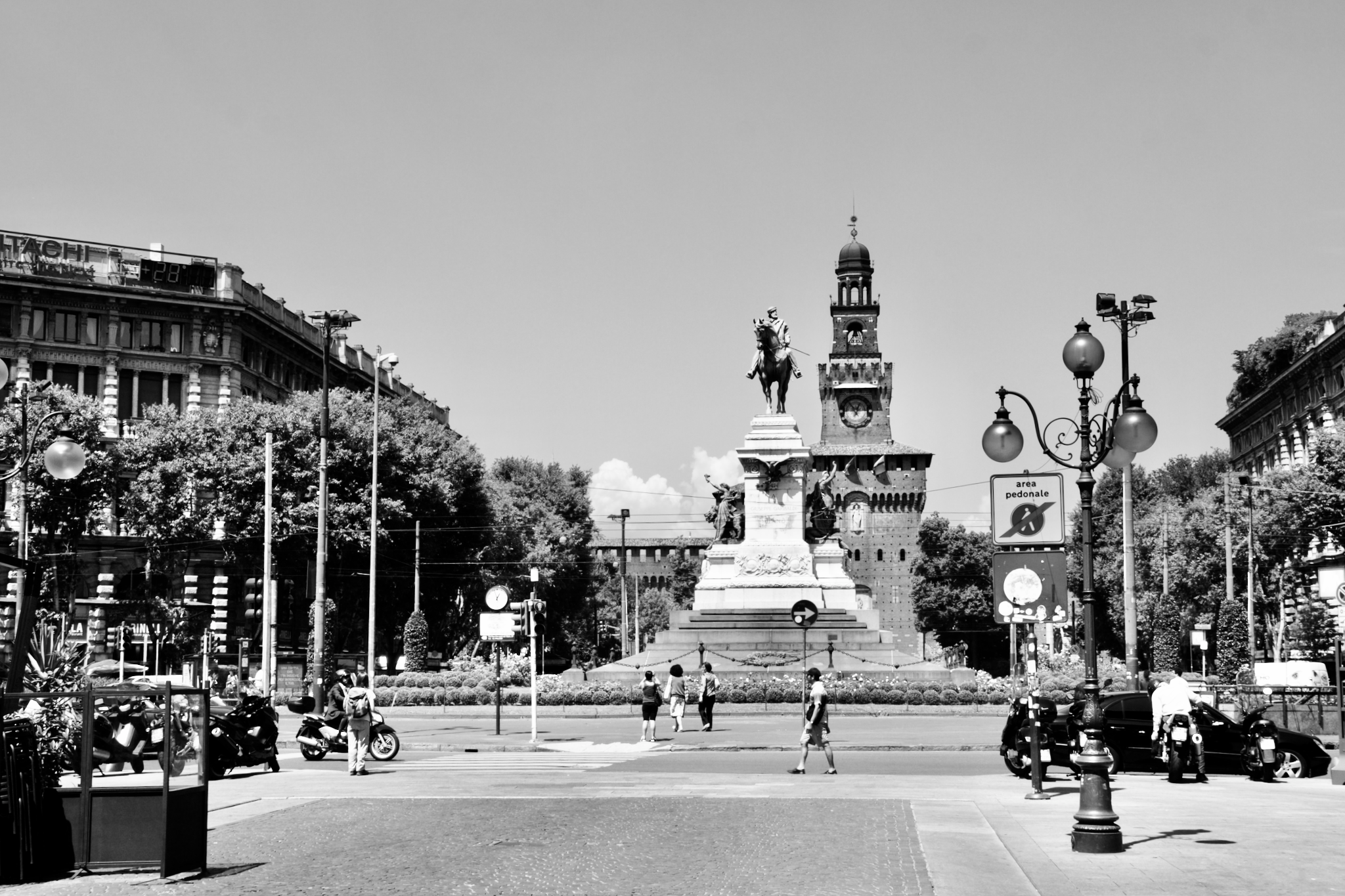
Milan
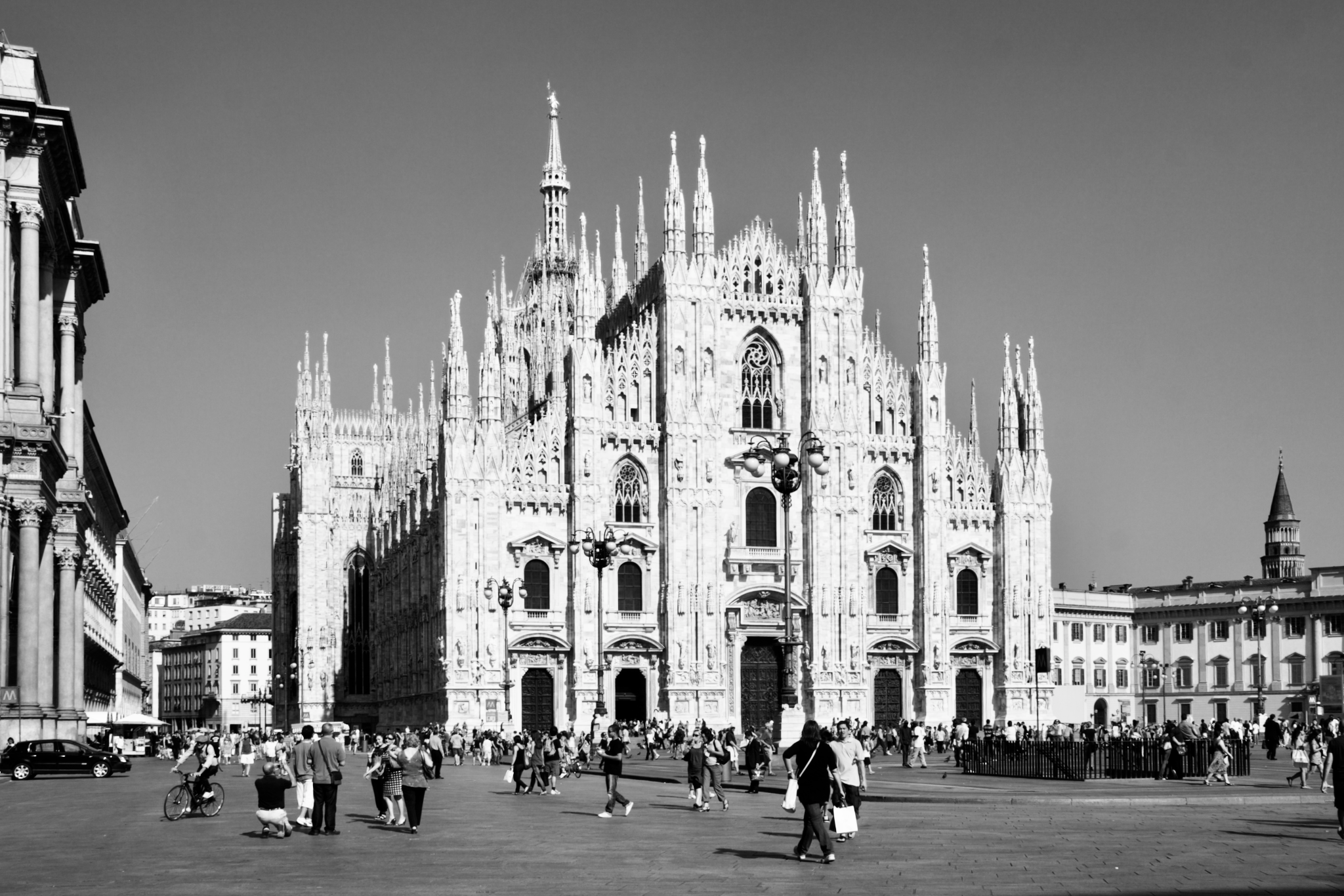
Intro
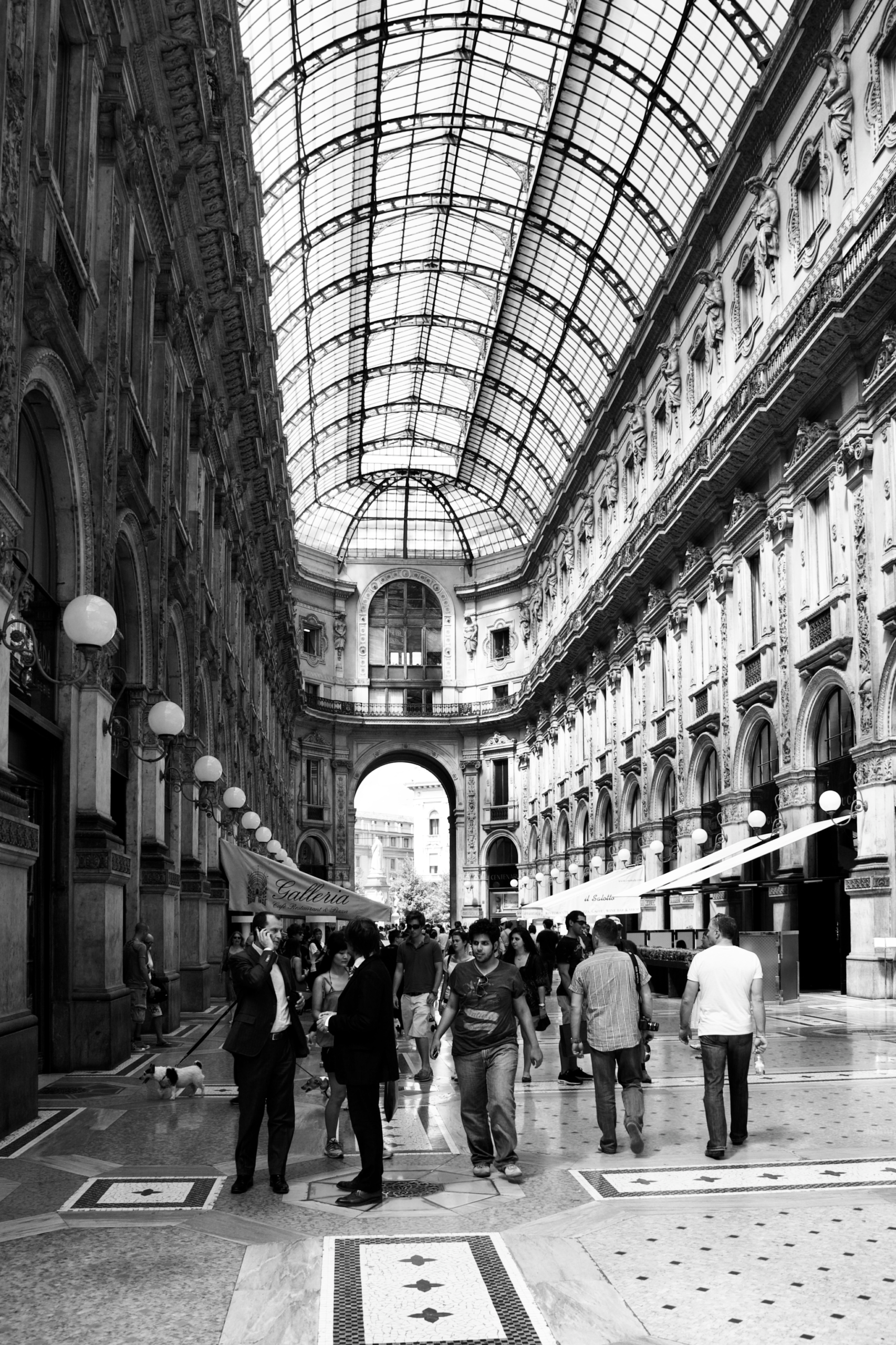
Milan occupies a distinct position within Italy: less defined by ancient monumentality than by sustained economic and institutional power. From Roman municipium to medieval commune and modern financial hub, the city’s identity is rooted in production, organization, and innovation.
Background
Located in the Po Valley with access to Alpine passes, Milan developed as a strategic inland hub connecting northern Europe with the Italian peninsula. Its geography favored trade, industry, and logistical coordination rather than maritime expansion or imperial display.
History
Milan originated as Mediolanum, an important Roman city and later an early center of Christianity. During the Middle Ages, it emerged as a powerful commune and later as the seat of the Visconti and Sforza dynasties, exerting regional dominance through administration and military organization.
Under Spanish and Austrian rule, Milan became a bureaucratic and industrial nucleus. In the 19th and 20th centuries, it transformed into Italy’s leading industrial city, driving modernization through manufacturing, banking, and infrastructure development.
Present Day
Today, Milan is Italy’s financial capital and a major European business center. It hosts international trade fairs, fashion weeks, and corporate headquarters. Urban redevelopment, immigration, and rising costs shape contemporary debates, positioning Milan as both opportunity hub and pressure point within Italy’s national balance.
Future Outlook
Map
Articles
No results found.
Event Timeline
No results found.