
Iranian Revolution
1978-1979
Revolution
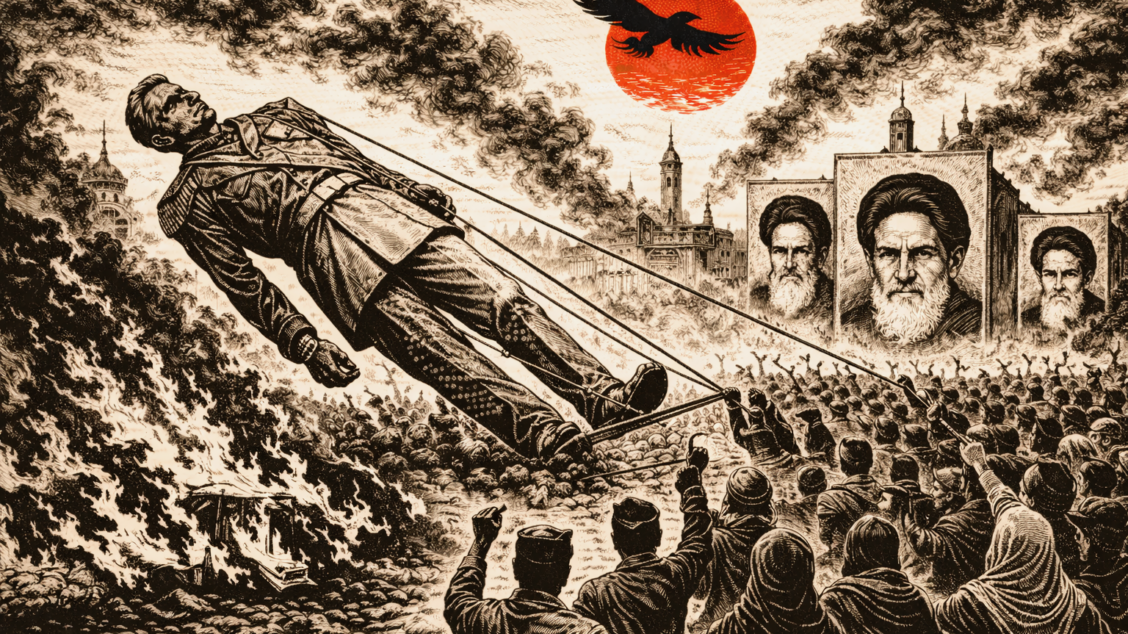
The Iranian Revolution replaced the Pahlavi monarchy with a new political order centered on clerical leadership. Broad social participation-from clerics to merchants, students, workers, and secular activists-produced a transformative realignment of state authority.
Background
Rapid modernization, political repression, economic disparities, and perceptions of foreign influence shaped public dissatisfaction. Networks of clerics, intellectuals, and political groups mobilized through demonstrations, strikes, and religious gatherings.
Legacy
The revolution produced a new constitutional structure combining republican institutions with clerical oversight. It reshaped foreign policy, governance, and public life, and remains the defining event of contemporary Iranian history.
Key Moment
Perspective & Relations
Narratives
| iran-historiography | Frames the revolution as the central restructuring of Iran’s modern state. |