
Austria
Intro
Austria combines neutrality with active European engagement. Vienna hosts key international organizations, including the OSCE and OPEC Fund. Strong institutions and social partnership ensure stability and high living standards.
Background
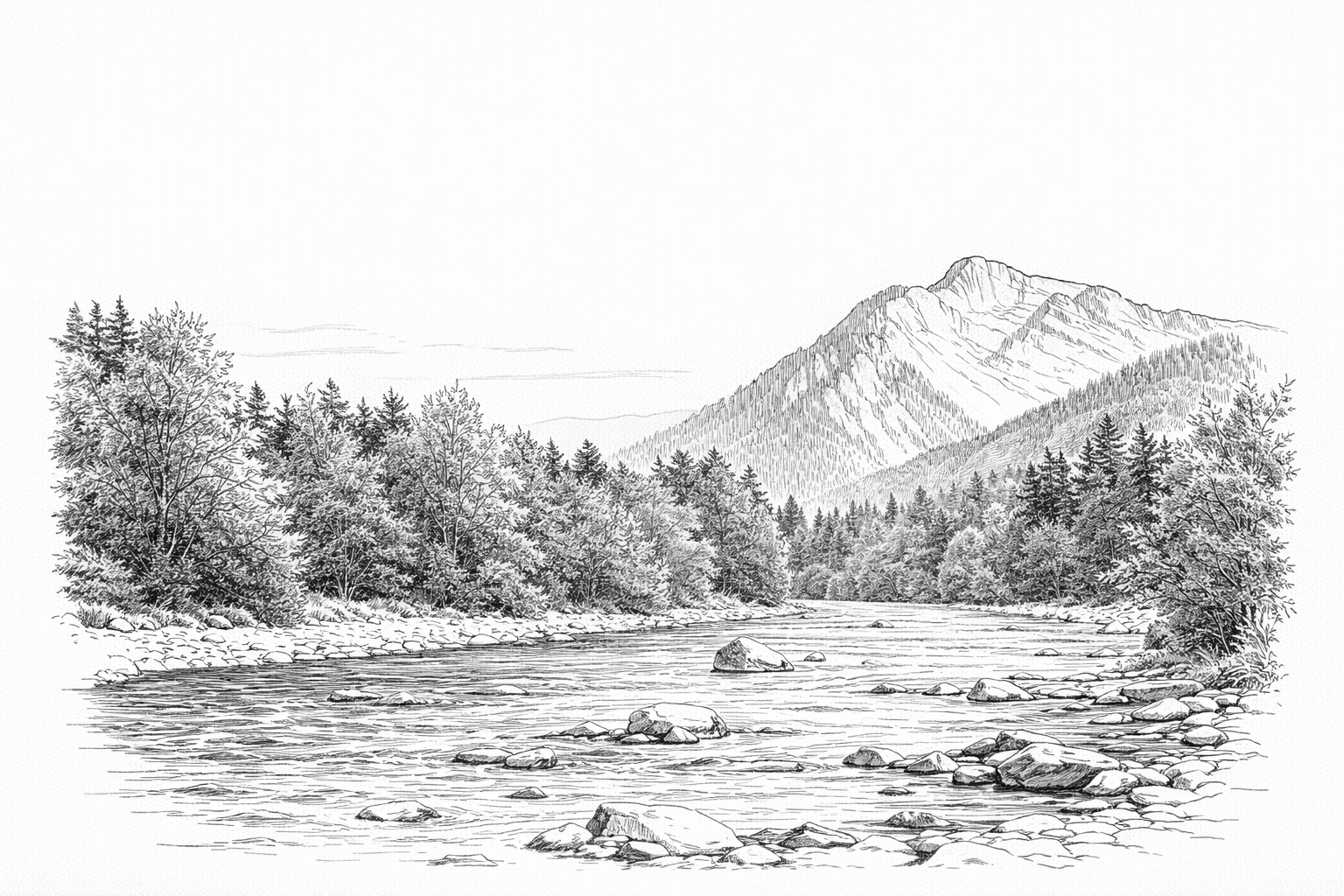
Post-World War II neutrality defined Austria’s identity as a bridge between East and West. EU accession in 1995 strengthened its economy through trade and investment. Environmental and regional cooperation underpin policy. The Alps drive renewable hydropower and tourism.
History
- 1955: State Treaty restores sovereignty and neutrality – 1995: Joins the European Union – 2000s: Coalition governance alternates center-right and social-democratic blocs – 2015-2025: Migration debates, green energy investment, inflation adjustment
Present Day
In 2025, Austria maintains low unemployment, high renewable generation, and active diplomacy in Balkan integration. Inflation moderates; political polarization remains contained.
Future Outlook
Austria’s position as mediator and logistics corridor strengthens as EU expands eastward. Green transition investment and balanced governance sustain its model of stability.
Map
Topics
No results found.
Persons
No results found.
Locations
No results found.
Points of Interest
No results found.
Articles
No results found.
Event Timeline
No results found.


