
1. Origins & Formation
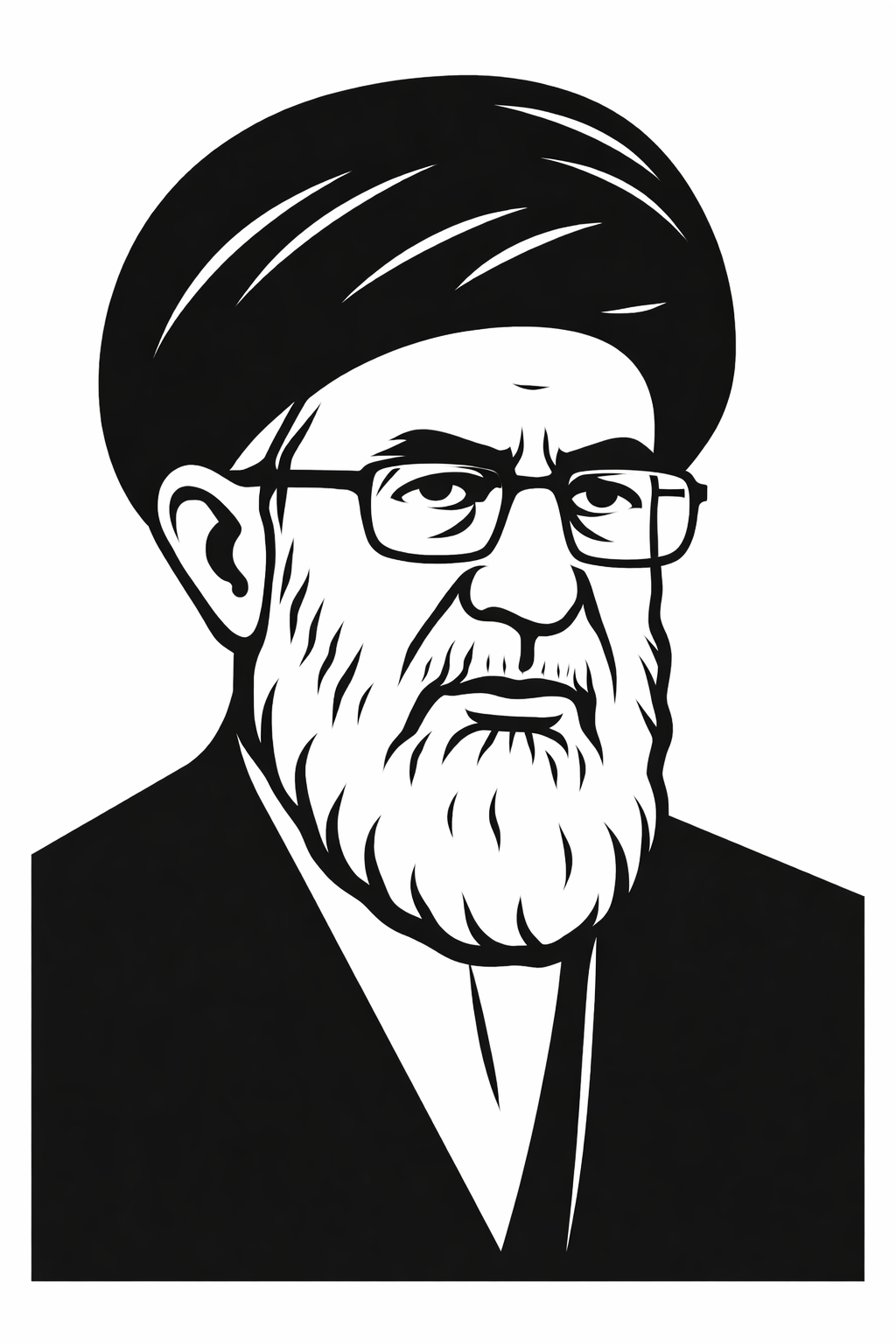
Born in Mashhad into a clerical family, Khamenei was shaped by revolutionary activism under the Shah. His imprisonment and exile before 1979 strengthened a worldview built on resistance, religious legitimacy, and distrust of foreign influence.
2. Rise to Influence
After the 1979 Revolution, Khamenei held roles within the IRGC leadership, Friday prayer establishment, and ultimately became President (1981-1989). Following the death of Ayatollah Khomeini, he was elevated to Supreme Leader despite not being a marja. He consolidated his authority by aligning with the IRGC and restructuring state institutions around the Leader’s Office.
3. Worldview & Inner Logic
Fear driver: Foreign penetration, regime collapse, cultural deviation. Ego driver: Guardian of revolutionary purity and national sovereignty. Belief driver: Absolute necessity of velayat-e faqih as political-theological anchor. Identity driver: Custodian of the revolutionary state and its transnational networks.
4. Exercise of Power
Khamenei controls key appointments in the judiciary, military, media, and economic foundations. He oversees strategic decisions through the Supreme National Security Council and heavily relies on IRGC structures for internal and regional projection. His method is incremental, layered, and dependent on parallel institutions rather than formal ministries.
5. Conflicts & Opponents
Khamenei has navigated power struggles with reformist presidents, technocratic elites, clergy in Qom, and protest movements (1999, 2009, 2019, 2022). His primary institutional rival has historically been the presidency, though the IRGC’s growing influence complicates this balance.
6. Achievements & Failures
Achievements: – Cohesive consolidation of the Supreme Leader’s institution
- Expansion of Iran’s regional axis through IRGC-QF networks
- Survival of systemic shocks (sanctions, wars, protests)
Failures:
- Economic stagnation, corruption, and regulatory paralysis
- Generational alienation and legitimacy erosion – Deepening reliance on coercive structures over political consensus
7. Historical Position & Legacy
Khamenei is the architect of the Islamic Republic’s second phase: a militarised, security-driven, regionally assertive state. His era will be judged by its resilience but also its societal fracture. Succession remains one of the most consequential political unknowns in the Middle East.